


وسط تصاعد الأزمة داخل الائتلاف الحاكم في إسرائيل بعد فشل التوصل إلى توافق بشأن قانون إعفاء طائفة اليهود المتشددين (الحريديم) من التجنيد في جيش الاحتلال، قدم حزب المعارضة (هناك مستقبل) مقترحاً للتصويت على حل (الكنيست) في 11 يونيو الجاري، الذي تنتهي ولايته في خريف عام 2026.
لكن تنظيم انتخابات مبكرة يتطلب موافقة 61 نائباً أو أغلبية نواب الكنيست، حيث يشغل حزب الليكود بزعامة بنيامين نتنياهو أكبر عدد من المقاعد من دون أن يحظى بالأغلبية، لكن إعلان حزبي «يهدوت هتوراة» (التوراة الموحدة) و«شاس» الانسحاب من الحكومة يفتح الباب أمام كل السيناريوهات ومنها إجراء انتخابات مبكرة، والإطاحة بحكومة نتنياهو.
يتكون الكنيست من 120 مقعداً، وتمرير التصويت يحتاج إلى 61، الحكومة الحالية تمتلك 68 مقعداً، وفي حال انسحاب حزبي التوراة الموحدة وشاس سيكون لها 50 مقعداً فقط.
يواجه مقترح حزب «هناك مستقبل» 4 جولات تصويت، مع ضرورة الحصول على أغلبية في المرحلة النهائية ليصبح قانوناً، ما يضع نهاية مبكرة للهيئة التشريعية، ويؤدي إلى انتخابات يجب أن تُجرى في غضون 5 أشهر من إقرار المقترح.
لكن عملياً، إذا تم إقرار التصويت الأولي، فإن المراحل اللاحقة تحدث في اليوم نفسه أو قد تستغرق أشهراً.
وحسب المصادر، فإنه لن يتم طرح مشروع قانون حل البرلمان للتصويت إلا إذا كان الحزب واثقاً من تأمين الأغلبية، وإذا لم يكن كذلك، يمكنه سحب المقترح في أي وقت قبل 11 يونيو، ما يمنع إجراء التصويت.
وليس من المستبعد أن تقرر الأحزاب الدينية المتشددة (الحريديم) في ائتلاف نتنياهو مغادرة الحكومة احتجاجاً على فشلها في طرح قانون يمنح الإعفاء من الخدمة العسكرية، وفي الوقت نفسه، قد ترفض هذه الأحزاب التصويت لصالح حل البرلمان، ما يسمح لحكومة أقلية بالاستمرار.
ويمتلك الائتلاف الذي يقوده نتنياهو أغلبية تبلغ 68 مقعداً، ويشغل حزبا «التوراة الموحدة» و«شاس» 18 مقعداً، وفي حال اتحد الحزبان مع المعارضة ستكون لديهما أصوات كافية لحل البرلمان وإجراء انتخابات مبكرة قبل عام من موعدها المقرر.
يذكر أن أزمة «قانون التجنيد» تفاقمت داخل الائتلاف الحاكم بعد فشل التوصل إلى توافق بشأن قانون إعفاء طائفة «الحريديم» من التجنيد، ودعوات قادة أحزاب دينية إلى الانسحاب من الحكومة، وسعي المعارضة لتقديم مقترح بحل الكنيست وإجراء انتخابات مبكرة.
وفي هذا السياق، كشفت صحيفة «تايمز أوف إسرائيل» أن قادة «الحريديم» أبلغوا ممثليهم في تكتل «يهدوت هتوراة» بالانسحاب من الحكومة؛ بسبب فشلها في تمرير تشريع يعفي طلاب المدارس الدينية اليهودية من مشروع القانون، ما دفع أحزاب المعارضة إلى الإعلان عن تقديم مشروع قانون لحل الكنيست، ما يعني توجه إسرائيل إلى انتخابات مبكرة.
وحسب وسائل إعلام إسرائيلية، فإن مسؤولين كبار في حزب «يهدوت هتوراة» قالوا إن اجتماع ليل الثلاثاء مع رئيس لجنة الشؤون الخارجية والدفاع يولي إدلشتاين كان «فاشلاً»، وإن رئيس حزب «ديجل هتوراة» عضو الكنيست موشيه جافني تلقى تعليمات من قادة دينيين لحزبه بمغادرة الائتلاف والعمل على حل الحكومة.
حال انسحاب حزبي «شاس» و«التوراة الموحدة»
حل الكنيست وسقوط حكومة نتنياهو
5 يونيو 2025 - 14:37
|
آخر تحديث 5 يونيو 2025 - 14:37
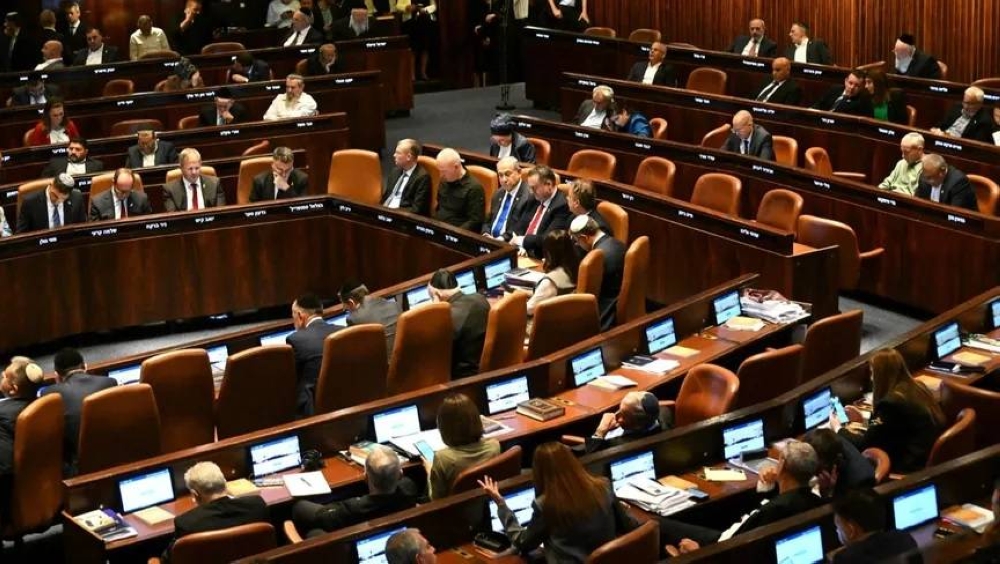
الكنيست الإسرائيلي.


تابع قناة عكاظ على الواتساب
«عكاظ» (جدة) okaz_online@
Amid the escalating crisis within the ruling coalition in Israel following the failure to reach an agreement on a law exempting the ultra-Orthodox Jewish community (Haredim) from conscription in the occupying army, the opposition party (There is a Future) proposed a vote on dissolving the Knesset on June 11, which is set to end its term in the fall of 2026.
However, organizing early elections requires the approval of 61 members or a majority of Knesset members, with the Likud party led by Benjamin Netanyahu holding the largest number of seats without having a majority. Nevertheless, the announcement by the United Torah Judaism and Shas parties to withdraw from the government opens the door to all scenarios, including holding early elections and toppling Netanyahu's government.
The Knesset consists of 120 seats, and passing the vote requires 61. The current government holds 68 seats, and if the United Torah Judaism and Shas parties withdraw, it will have only 50 seats.
The proposal from the "There is a Future" party faces 4 rounds of voting, with the need to secure a majority in the final stage for it to become law, which would lead to an early end for the legislative body and necessitate elections to be held within 5 months of the proposal's approval.
However, in practice, if the initial vote is approved, the subsequent stages occur on the same day or may take months.
According to sources, the bill to dissolve the parliament will not be brought to a vote unless the party is confident of securing the majority, and if not, it can withdraw the proposal at any time before June 11, preventing the vote from taking place.
It is not unlikely that the ultra-Orthodox parties in Netanyahu's coalition will decide to leave the government in protest against its failure to present a law granting exemption from military service. At the same time, these parties may refuse to vote in favor of dissolving the parliament, allowing a minority government to continue.
The coalition led by Netanyahu holds a majority of 68 seats, with the United Torah Judaism and Shas parties occupying 18 seats. If the two parties unite with the opposition, they would have enough votes to dissolve the parliament and hold early elections a year ahead of the scheduled date.
It is noteworthy that the crisis over the "conscription law" has intensified within the ruling coalition following the failure to reach an agreement on the exemption law for the Haredim community, the calls from religious party leaders to withdraw from the government, and the opposition's efforts to propose dissolving the Knesset and holding early elections.
In this context, the "Times of Israel" revealed that Haredi leaders informed their representatives in the United Torah Judaism bloc about withdrawing from the government due to its failure to pass legislation exempting students of religious Jewish schools from the bill, prompting opposition parties to announce their intention to present a bill to dissolve the Knesset, indicating that Israel is heading toward early elections.
According to Israeli media, senior officials in the United Torah Judaism party stated that a meeting on Tuesday night with the head of the Foreign Affairs and Defense Committee, Yuli Edelstein, was "unsuccessful," and that the head of the Degel HaTorah party, Knesset member Moshe Gafni, received instructions from religious leaders of his party to leave the coalition and work on dissolving the government.
However, organizing early elections requires the approval of 61 members or a majority of Knesset members, with the Likud party led by Benjamin Netanyahu holding the largest number of seats without having a majority. Nevertheless, the announcement by the United Torah Judaism and Shas parties to withdraw from the government opens the door to all scenarios, including holding early elections and toppling Netanyahu's government.
The Knesset consists of 120 seats, and passing the vote requires 61. The current government holds 68 seats, and if the United Torah Judaism and Shas parties withdraw, it will have only 50 seats.
The proposal from the "There is a Future" party faces 4 rounds of voting, with the need to secure a majority in the final stage for it to become law, which would lead to an early end for the legislative body and necessitate elections to be held within 5 months of the proposal's approval.
However, in practice, if the initial vote is approved, the subsequent stages occur on the same day or may take months.
According to sources, the bill to dissolve the parliament will not be brought to a vote unless the party is confident of securing the majority, and if not, it can withdraw the proposal at any time before June 11, preventing the vote from taking place.
It is not unlikely that the ultra-Orthodox parties in Netanyahu's coalition will decide to leave the government in protest against its failure to present a law granting exemption from military service. At the same time, these parties may refuse to vote in favor of dissolving the parliament, allowing a minority government to continue.
The coalition led by Netanyahu holds a majority of 68 seats, with the United Torah Judaism and Shas parties occupying 18 seats. If the two parties unite with the opposition, they would have enough votes to dissolve the parliament and hold early elections a year ahead of the scheduled date.
It is noteworthy that the crisis over the "conscription law" has intensified within the ruling coalition following the failure to reach an agreement on the exemption law for the Haredim community, the calls from religious party leaders to withdraw from the government, and the opposition's efforts to propose dissolving the Knesset and holding early elections.
In this context, the "Times of Israel" revealed that Haredi leaders informed their representatives in the United Torah Judaism bloc about withdrawing from the government due to its failure to pass legislation exempting students of religious Jewish schools from the bill, prompting opposition parties to announce their intention to present a bill to dissolve the Knesset, indicating that Israel is heading toward early elections.
According to Israeli media, senior officials in the United Torah Judaism party stated that a meeting on Tuesday night with the head of the Foreign Affairs and Defense Committee, Yuli Edelstein, was "unsuccessful," and that the head of the Degel HaTorah party, Knesset member Moshe Gafni, received instructions from religious leaders of his party to leave the coalition and work on dissolving the government.


