


رجح وزير الدفاع الأمريكي بيت هيجسيث أن يوافق أعضاء حلف شمال الأطلسي «الناتو»، على مطلب الرئيس دونالد ترمب بزيادة كبيرة في الإنفاق الدفاعي، معتبراً أن ذلك ينبغي أن يحدث بحلول القمة المقررة في لاهاي الشهر الجاري.
وكان ترمب قال إنه على حلفاء الناتو زيادة الاستثمار في الدفاع إلى 5% من الناتج المحلي الإجمالي، ارتفاعاً من الهدف الحالي البالغ 2%.
ولدى وصوله إلى اجتماع وزراء دفاع الناتو في بروكسل قال هيجسيث: «لكي تشكلوا حلفاً، يجب أن تكونوا أكثر من مجرد أعلام. يجب أن تكونوا تشكيلات. عليكم أن تكونوا أكثر من مجرد مؤتمرات. أنتم بحاجة إلى الحفاظ على القدرات القتالية الجاهزة».
وأضاف: «نحن هنا لمواصلة العمل الذي بدأه الرئيس ترمب، وهو الالتزام بنسبة 5% من الإنفاق الدفاعي في هذا التحالف، وهو ما نعتقد أنه سيحدث، ينبغي أن يحدث ذلك بحلول القمة في لاهاي في وقت لاحق من هذا الشهر».
وأفاد دبلوماسيون، بأن الأعضاء الأوروبيين في الحلف، يدركون أن زيادة الإنفاق الدفاعي ثمن ضمان استمرار التزام الولايات المتحدة بأمن القارة، وأن إبقاء الولايات المتحدة على التزاماتها، يعني السماح لترمب بإعلان فوزه بمطلبه المتمثل في نسبة 5% خلال القمة المقرر عقدها في 24 و25 يونيو الجاري.
من جانبه، اعتبر الأمين العام لحلف الناتو مارك روته، أن ذلك سيكون استثماراً إضافياً كبيراً، متوقعاً أنه في قمة لاهاي سنقرر هدف إنفاق أعلى بكثير لجميع الدول في الناتو.
واقترح روته على أعضاء الحلف زيادة الإنفاق الدفاعي إلى 3.5% من الناتج المحلي الإجمالي، والالتزام بنسبة 1.5% إضافية للإنفاق الأوسع نطاقاً المتعلق بالأمن.
ومن المتوقع أن يستمر التفاوض على تفاصيل خطة الاستثمار الجديدة حتى عشية قمة الناتو. وتوقع روته أن يتفق الحلفاء على ما وصفه بـ "الأهداف التاريخية" الجديدة، خلال اجتماع وزراء الدفاع في بروكسل.
بدوره، أعلن وزير الدفاع الألماني بوريس بيستوريوس، أن بلاده بحاجة من 50 ألفاً إلى 60 ألف جندي إضافي في إطار الأهداف الجديدة لحلف الناتو، مشدداً على أهمية أن يوضح الحلف في إعلان القمة، أن روسيا تشكل التهديد الأكبر له.
ولا تزال الدول منقسمة بشأن الجدول الزمني للتعهدات الجديدة، واقترح روته على أعضاء الحلف الوصول إلى هدف الدفاع بنسبة 5% بحلول عام 2032، وهو موعد تعتبره بعض دول أوروبا الشرقية بعيداً جداً، ولكن البعض الآخر يراه مبكراً جداً، بالنظر إلى مستويات الإنفاق والإنتاج الصناعي الحالية.
على خلفية الضغوط الأمريكية
هل يوافق «الناتو» على زيادة الإنفاق الدفاعي ؟
5 يونيو 2025 - 14:12
|
آخر تحديث 5 يونيو 2025 - 14:12
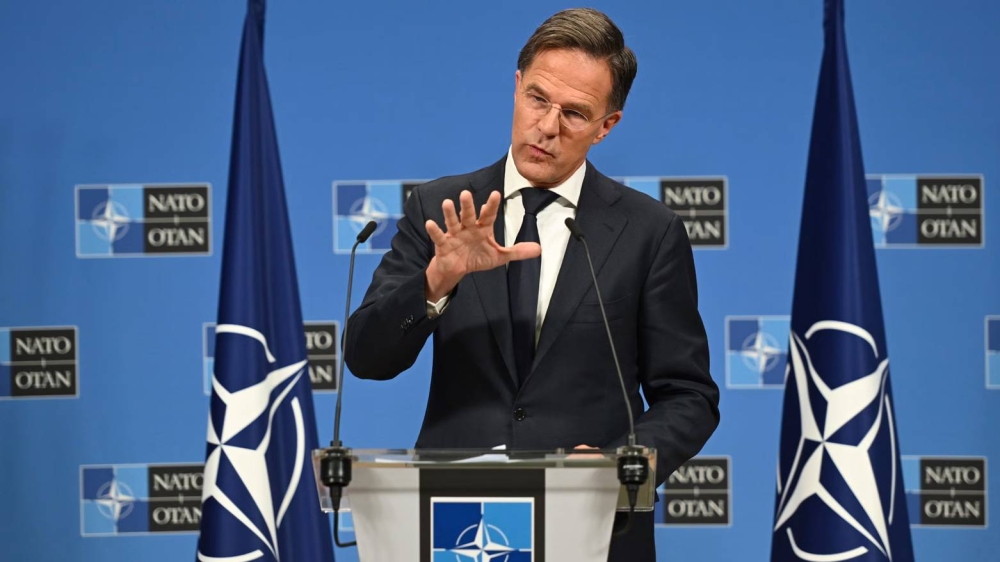
أمين الناتو


تابع قناة عكاظ على الواتساب
«عكاظ»(جدة)okaz_online@
U.S. Defense Secretary Pete Hegseth suggested that NATO members are likely to agree to President Donald Trump's demand for a significant increase in defense spending, considering that this should happen by the summit scheduled in The Hague later this month.
Trump had stated that NATO allies should increase defense investment to 5% of their GDP, up from the current target of 2%.
Upon arriving at the NATO Defense Ministers meeting in Brussels, Hegseth said: "To form an alliance, you must be more than just flags. You must be formations. You need to be more than just conferences. You need to maintain ready combat capabilities."
He added: "We are here to continue the work that President Trump started, which is the commitment to 5% of defense spending in this alliance, which we believe will happen, and it should happen by the summit in The Hague later this month."
Diplomats reported that European members of the alliance recognize that increasing defense spending is the price for ensuring continued U.S. commitment to the continent's security, and that keeping the U.S. to its commitments means allowing Trump to declare victory on his demand for the 5% during the summit scheduled for June 24 and 25.
For his part, NATO Secretary General Mark Rutte considered this to be a significant additional investment, expecting that at the Hague summit, they will decide on a much higher spending target for all NATO countries.
Rutte proposed to alliance members to increase defense spending to 3.5% of GDP, with a commitment to an additional 1.5% for broader security-related spending.
Negotiations on the details of the new investment plan are expected to continue until the eve of the NATO summit. Rutte anticipated that allies would agree on what he described as "new historic goals" during the meeting of defense ministers in Brussels.
For his part, German Defense Minister Boris Pistorius announced that his country needs an additional 50,000 to 60,000 soldiers as part of NATO's new goals, emphasizing the importance of making it clear in the summit declaration that Russia poses the greatest threat.
Countries remain divided over the timeline for the new commitments, with Rutte suggesting that alliance members reach the 5% defense target by 2032, a deadline that some Eastern European countries consider too far away, while others see it as too soon, given current spending levels and industrial output.
Trump had stated that NATO allies should increase defense investment to 5% of their GDP, up from the current target of 2%.
Upon arriving at the NATO Defense Ministers meeting in Brussels, Hegseth said: "To form an alliance, you must be more than just flags. You must be formations. You need to be more than just conferences. You need to maintain ready combat capabilities."
He added: "We are here to continue the work that President Trump started, which is the commitment to 5% of defense spending in this alliance, which we believe will happen, and it should happen by the summit in The Hague later this month."
Diplomats reported that European members of the alliance recognize that increasing defense spending is the price for ensuring continued U.S. commitment to the continent's security, and that keeping the U.S. to its commitments means allowing Trump to declare victory on his demand for the 5% during the summit scheduled for June 24 and 25.
For his part, NATO Secretary General Mark Rutte considered this to be a significant additional investment, expecting that at the Hague summit, they will decide on a much higher spending target for all NATO countries.
Rutte proposed to alliance members to increase defense spending to 3.5% of GDP, with a commitment to an additional 1.5% for broader security-related spending.
Negotiations on the details of the new investment plan are expected to continue until the eve of the NATO summit. Rutte anticipated that allies would agree on what he described as "new historic goals" during the meeting of defense ministers in Brussels.
For his part, German Defense Minister Boris Pistorius announced that his country needs an additional 50,000 to 60,000 soldiers as part of NATO's new goals, emphasizing the importance of making it clear in the summit declaration that Russia poses the greatest threat.
Countries remain divided over the timeline for the new commitments, with Rutte suggesting that alliance members reach the 5% defense target by 2032, a deadline that some Eastern European countries consider too far away, while others see it as too soon, given current spending levels and industrial output.


