


حلّ رئيس الوزراء السوداني الجديد كامل إدريس اليوم (الأحد) الحكومة وكلف الأمناء العامين ووكلاء الوزارات بتسيير المهمات إلى حين تشكيل حكومة جديدة.
وذكرت وكالة الأنباء السودانية (سونا) أن رئيس الوزراء الجديد كامل إدريس أبلغ طاقم الحكومة خلال اجتماع اليوم بقرار حلها وتكليف الأمناء العامين ووكلاء الوزارات بتسيير المهمات إلى حين تشكيل حكومة جديدة، موضحة أن إدريس عقد أول اجتماع له مع طاقم الحكومة، بعد أدائه القسم وتوليه منصب رئيس الوزراء بشكل رسمي.
وذكرت مصادر إعلامية سودانية أن إدريس شرع في مشاورات موسعة لاختيار وزرائه، بعد حلّ الحكومة السودانية المكلّفة، متوقعة أن يجري تعيينات أقرب للتعديل الوزاري من إعادة تشكيل للحكومة.
وأشارت إلى أن حصة الحركات المسلحة الموقعة على اتفاق جوبا للسلام، منها الحركة الشعبية بقيادة نائب رئيس مجلس السيادة مالك عقار، وحركة تحرير السودان بزعامة حاكم دارفور مني أركو مناوي، وحركة العدل والمساواة بقيادة وزير المالية جبريل إبراهيم، ستكون حاضرة في التشكيلة الحكومية، وسط تناولات إعلامية أن يتم منح جماعات تقاتل إلى جانب الجيش جزءاً من الحقائب الوزارية، لكن مصادر سودانية تنفي ذلك وتؤكد أن حكومة إدريس ستكون أقرب إلى حكومة كفاءات مستقلة غير حزبية.
وكان رئيس الوزراء السوداني قد تعهد بالعمل لخدمة الوطن وإنفاذ مبادئ العدالة والسلام وسيادة القانون والتنمية المستدامة، مؤكداً ضرورة إعمال مبدأ المساواة مع جميع القوى السياسية والفعاليات السودانية، والوقوف على مسافة واحدة من الجميع.
وأشار إدريس إلى أنه سيكون قريباً من المواطن والشعب السوداني، لافتاً إلى أنه يدرك حجم المسؤولية الملقاة على عاتقه، وتعهد بالعمل لخدمة إنسان السودان بكل إخلاص وتفانٍ.
وأضاف: سنعمل على تحقيق مبادئ العدالة والسلام وسيادة القانون والتنمية المستدامة، مبيناً أن أهم الأولويات الوطنية العاجلة هي الأمن القومي السوداني، وهيبة الدولة بالقضاء على التمرد والمليشيا المتمردة.
رئيس الوزراء السوداني الجديد يحلّ الحكومة
1 يونيو 2025 - 23:14
|
آخر تحديث 1 يونيو 2025 - 23:14
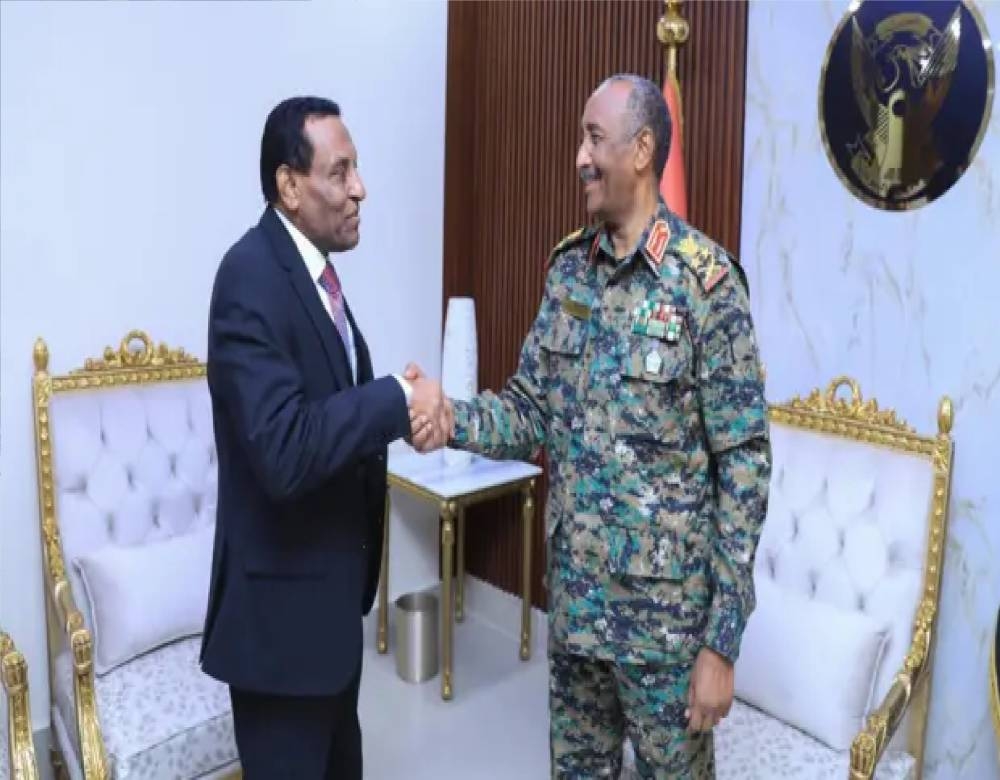
البرهان ورئيس الوزراء


تابع قناة عكاظ على الواتساب
«عكاظ» (جدة) okaz_online@
The new Sudanese Prime Minister, Kamel Idris, dissolved the government today (Sunday) and tasked the secretaries general and ministry undersecretaries with managing duties until a new government is formed.
The Sudanese News Agency (SUNA) reported that the new Prime Minister Kamel Idris informed the government staff during a meeting today of the decision to dissolve it and assign the secretaries general and ministry undersecretaries to manage duties until a new government is formed, noting that Idris held his first meeting with the government staff after taking the oath and officially assuming the position of Prime Minister.
Sudanese media sources indicated that Idris has begun extensive consultations to choose his ministers after the dissolution of the appointed Sudanese government, expecting that the appointments will be closer to a ministerial reshuffle than a complete reformation of the government.
It was pointed out that the share of the armed movements that signed the Juba Peace Agreement, including the Sudan People's Liberation Movement led by the Deputy Chairman of the Sovereign Council, Malik Agar, the Sudan Liberation Movement led by the Governor of Darfur, Mini Arko Minawi, and the Justice and Equality Movement led by Finance Minister Jibril Ibrahim, will be present in the government formation, amid media reports suggesting that groups fighting alongside the army may be granted a portion of the ministerial portfolios. However, Sudanese sources deny this and affirm that Idris's government will be closer to a government of independent competencies without party affiliation.
The Sudanese Prime Minister has pledged to work for the service of the homeland and to implement the principles of justice, peace, the rule of law, and sustainable development, emphasizing the necessity of applying the principle of equality with all political forces and Sudanese activities, and maintaining an equal distance from everyone.
Idris indicated that he will be close to the citizen and the Sudanese people, noting that he understands the magnitude of the responsibility placed upon him, and he committed to working sincerely and diligently for the service of the people of Sudan.
He added: We will work to achieve the principles of justice, peace, the rule of law, and sustainable development, pointing out that the most urgent national priorities are Sudanese national security and the state's prestige by eliminating rebellion and the rebellious militia.
The Sudanese News Agency (SUNA) reported that the new Prime Minister Kamel Idris informed the government staff during a meeting today of the decision to dissolve it and assign the secretaries general and ministry undersecretaries to manage duties until a new government is formed, noting that Idris held his first meeting with the government staff after taking the oath and officially assuming the position of Prime Minister.
Sudanese media sources indicated that Idris has begun extensive consultations to choose his ministers after the dissolution of the appointed Sudanese government, expecting that the appointments will be closer to a ministerial reshuffle than a complete reformation of the government.
It was pointed out that the share of the armed movements that signed the Juba Peace Agreement, including the Sudan People's Liberation Movement led by the Deputy Chairman of the Sovereign Council, Malik Agar, the Sudan Liberation Movement led by the Governor of Darfur, Mini Arko Minawi, and the Justice and Equality Movement led by Finance Minister Jibril Ibrahim, will be present in the government formation, amid media reports suggesting that groups fighting alongside the army may be granted a portion of the ministerial portfolios. However, Sudanese sources deny this and affirm that Idris's government will be closer to a government of independent competencies without party affiliation.
The Sudanese Prime Minister has pledged to work for the service of the homeland and to implement the principles of justice, peace, the rule of law, and sustainable development, emphasizing the necessity of applying the principle of equality with all political forces and Sudanese activities, and maintaining an equal distance from everyone.
Idris indicated that he will be close to the citizen and the Sudanese people, noting that he understands the magnitude of the responsibility placed upon him, and he committed to working sincerely and diligently for the service of the people of Sudan.
He added: We will work to achieve the principles of justice, peace, the rule of law, and sustainable development, pointing out that the most urgent national priorities are Sudanese national security and the state's prestige by eliminating rebellion and the rebellious militia.


