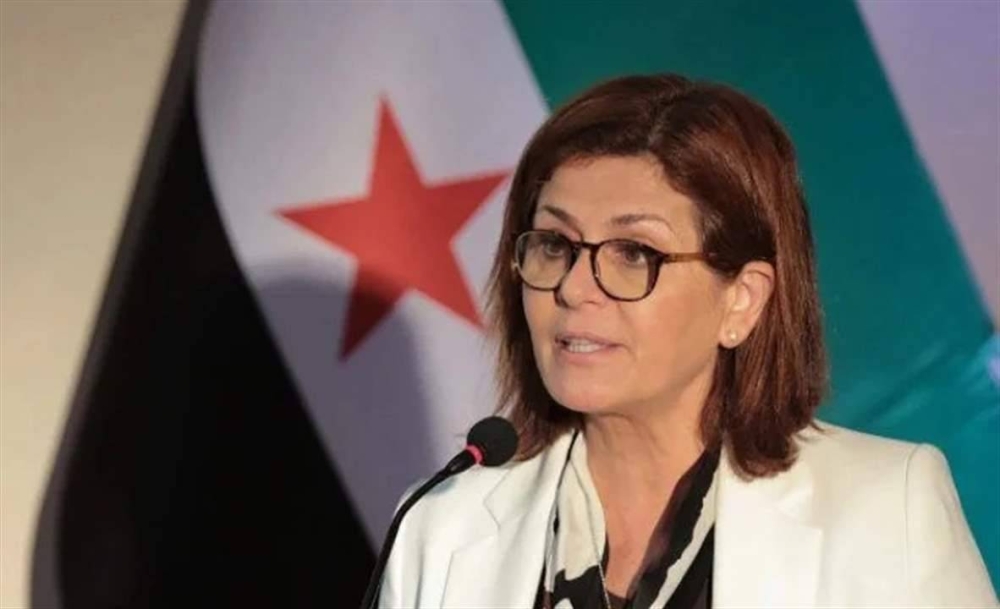
أكدت وزيرة الشؤون الاجتماعية والعمل السورية، هند قبوات، أن رفع العقوبات الاقتصادية عن سورية يشكّل نقطة تحوّل تاريخية نحو الانتقال من مرحلة التخطيط إلى مرحلة التنفيذ الفعلي، بعد سنوات من الجمود بسبب القيود الدولية.
وأوضحت قبوات، في مقابلة مع وكالة «أسوشيتد برس»، أن الحكومة السورية الجديدة باتت قادرة الآن على مواجهة تحديات جوهرية، أبرزها مكافحة الفساد وإعادة ملايين اللاجئين إلى وطنهم، مشيرة إلى أن «العقوبات كانت تشلّ كل مفاصل العمل، أما اليوم فلدينا فرصة حقيقية للتحرك».
وتابعت: دائماً نسمع «رئيسكم إرهابي».. مانديلا كان يقال عنه أيضاً إرهابي، لكنه القائد الذي حرر جنوب أفريقيا.
وأقرت الوزيرة بأن تخفيف العقوبات لن ينعكس بشكل مباشر وسريع على الأوضاع المعيشية، لكنها أكدت أن العمل الجاد سيُظهر نتائج ملموسة على الأرض، داعية إلى ضرورة التحلي بالصبر والتفاؤل لمواصلة التغيير.
وقالت قبوات: «نحن لا نقلل من حجم التحديات، لكننا نرفض الاستسلام للتشاؤم»، مشددة على أن الرؤية الحكومية اليوم تركز على بناء اقتصاد حيوي ومؤسسات مستدامة بعيداً عن الحلول الإسعافية، وأضافت: «لا نريد لا سلالاً غذائية ولا خياماً بعد خمس سنوات، بل نريد اقتصاداً متماسكاً ومؤسسات قوية».
وفي حديثها عن مكافحة الفساد، تساءلت الوزيرة: «كيف يمكنني محاربة الفساد إذا كان راتب الموظف الحكومي لا يتجاوز 40 دولاراً شهرياً، وهو مبلغ لا يكفي لتأمين الطعام لعشرة أيام؟»، مؤكدة أن تحسين الأجور والظروف المعيشية يعد شرطاً أساسياً لبناء مؤسسات شفافة ومسؤولة.
كما تطرقت قبوات إلى المخاوف الغربية بشأن وضع الأقليات في سورية، وقالت: «في كل بلد أزوره، يسألونني عن وضع الأقليات. وأنا أتفهم هذه المخاوف، لكن يجب أن يقلق الغرب أيضاً على وضع جميع السوريين»، مؤكدة ضرورة تحقيق المساواة والعدالة كأساس لمستقبل البلاد.
وأشادت الوزيرة بالدور الكبير الذي لعبته المرأة السورية خلال السنوات الماضية، مؤكدة أنها «عانت كثيراً، لكنها أثبتت قدرتها على النهوض والعمل في جميع المجالات»، مضيفة أن المرحلة القادمة تتطلب مشاركة متساوية للنساء والرجال في بناء الدولة.
وختمت قبوات رسالتها للمجتمع الدولي بالتأكيد على أهمية دعم الاقتصاد السوري، وقالت: «يجب أن نمنع انزلاق سورية نحو الفوضى، فالاستثمار في استقرار البلاد هو استثمار في أمن المنطقة والعالم».
The Syrian Minister of Social Affairs and Labor, Hind Qabwat, confirmed that lifting economic sanctions on Syria represents a historic turning point towards transitioning from the planning phase to actual implementation, after years of stagnation due to international restrictions.
Qabwat explained, in an interview with the Associated Press, that the new Syrian government is now capable of facing fundamental challenges, the most prominent of which are combating corruption and repatriating millions of refugees to their homeland, noting that "the sanctions paralyzed all aspects of work, but today we have a real opportunity to move forward."
She continued: "We always hear 'your president is a terrorist'... Mandela was also called a terrorist, but he is the leader who liberated South Africa."
The minister acknowledged that easing sanctions will not have an immediate and direct impact on living conditions, but she emphasized that hard work will yield tangible results on the ground, calling for the need to be patient and optimistic to continue the change.
Qabwat said: "We do not underestimate the size of the challenges, but we refuse to succumb to pessimism," stressing that the government's vision today focuses on building a vibrant economy and sustainable institutions away from emergency solutions. She added: "We do not want food baskets or tents after five years; we want a cohesive economy and strong institutions."
In discussing the fight against corruption, the minister asked: "How can I combat corruption if a government employee's salary does not exceed 40 dollars a month, an amount that is not enough to secure food for ten days?" She affirmed that improving wages and living conditions is a fundamental prerequisite for building transparent and accountable institutions.
Qabwat also addressed Western concerns regarding the situation of minorities in Syria, saying: "In every country I visit, they ask me about the situation of minorities. I understand these concerns, but the West should also worry about the situation of all Syrians," emphasizing the necessity of achieving equality and justice as the foundation for the country's future.
The minister praised the significant role that Syrian women have played over the past years, affirming that they "have suffered greatly, but they have proven their ability to rise and work in all fields," adding that the upcoming phase requires equal participation of women and men in building the state.
Qabwat concluded her message to the international community by emphasizing the importance of supporting the Syrian economy, stating: "We must prevent Syria from slipping into chaos; investing in the stability of the country is an investment in the security of the region and the world."