


دعت مصر وتونس والجزائر إلى ضرورة الدفع نحو الحل السلمي والسياسي لحل الأزمة الليبية. وعقد وزراء خارجية الدول الثلاث اجتماعاً في القاهرة، اليوم (السبت)؛ لبحث مستجدات الأوضاع والدفع باتجاه الحل السياسي المنشود في ليبيا.
وجدد الوزراء، في بيان، الدعوة لكل الأطراف الليبية إلى التزام أقصى درجات ضبط النفس ووقف التصعيد، بما يكفل سلامة أبناء الشعب الليبي، في ضوء التطورات الخطيرة التي تشهدها ليبيا ومستجدات الوضع الأمني في العاصمة طرابلس.
وطالب المجتمعون بإعلاء مصالح الشعب الليبي والحفاظ على مقدراته وممتلكاته، وتحقيق التوافق بين كل الأطراف بإشراف ودعم من الأمم المتحدة وبمساندة من دول الجوار، بما يفضي إلى إنهاء الانقسام والمضي قدماً بالعملية السياسية في ليبيا، مشددين على ضرورة توحيد المؤسسات وعقد الانتخابات البرلمانية والرئاسية بالتزامن.
وشدد الوزراء على ضرورة الإسراع في التوصل إلى حل للأزمة الليبية وإنهاء حالة الانقسام السياسي تجنباً لمزيد من التصعيد وانتشار العنف والإرهاب واتساع دائرة الصراع، مؤكدين في هذا الصدد أن أمن ليبيا من أمن دول الجوار.
وأكد الوزراء ضرورة الملكية الليبية الخالصة للعملية السياسية، وأن الحل السياسي يجب أن يكون ليبياً، ونابعاً من إرادة وتوافق كافة مكونات الشعب الليبي، بمساندة ودعم الأمم المتحدة، وبما يراعي مصالح أبناء الشعب دون إقصاء.
ورفض الوزراء كل أشكال التدخل الخارجي في ليبيا، التي من شأنها تأجيج التوتر الداخلي وإطالة أمد الأزمة بما يهدد الأمن والاستقرار في ليبيا ودول الجوار، ودعوا إلى مواصلة دعم جهود اللجنة العسكرية المُشتركة (5+5)؛ لتثبيت وقف إطلاق النار القائم، وخروج القوات الأجنبية والمقاتلين الأجانب والمرتزقة في مدى زمني مُحدد. ولفتوا إلى ضرورة توحيد المؤسسات العسكرية والأمنية، في إطار من الانسجام التام مع المساعي الجارية في الأطر الأممية والأفريقية والعربية والمتوسطية.
واتفق الوزراء على مواصلة التنسيق بين الدول الثلاث والأمم المتحدة لتقييم الوضع في ليبيا وتبادل الرؤى حول مستقبل المشهد السياسي الليبي وكيفية التعاون لتحقيق الأمن والاستقرار والتنمية في المنطقة.
ودعا الوزراء إلى عقد اجتماعات دورية لآلية دول الجوار الثلاثية، على أن يُعقد الاجتماع الوزاري المقادم للآلية في الجزائر ثم تونس قبل نهاية العام الحالي.
وشارك مئات الليبيين، أمس الجمعة، في مظاهرات وسط العاصمة طرابلس وعدد من مدن غرب البلاد، للمطالبة بتنحي حكومة الوحدة الوطنية، والتنديد بتغوّل المليشيات واعتدائها على مؤسسات الدولة.
واحتشد المحتجون في ميدان الشهداء وسط العاصمة طرابلس ومدن الزاوية وجنزور وسوق الجمعة، رافعين بطاقات حمراء ولافتات تطالب برحيل الحكومة ومحاسبتها ورفع الغطاء الدولي عنها، مقابل تشكيل أخرى بديلة تقود البلاد إلى انتخابات.
وتعد مظاهرات الجمعة هي الثالثة على التوالي، التي يخرج فيها المتظاهرون للمطالبة برحيل حكومة الوحدة الوطنية والحدّ من نفوذ المليشيات المسلّحة وإنهاء المرحلة الحالية.
وبدأت الاحتجاجات، منذ المواجهات المسلّحة التي شهدتها طرابلس، والتي أعقبت مقتل رئيس جهاز دعم الاستقرار التابع للمجلس الرئاسي عبدالغني الككلي، وهي الخطوة التي تسبّبت في تصاعد موجة الغضب الشعبي.
مظاهرات حاشدة في طرابلس
3 دول عربية تدعو لحل سياسي وإنهاء الانقسام في ليبيا
31 مايو 2025 - 16:37
|
آخر تحديث 31 مايو 2025 - 16:37
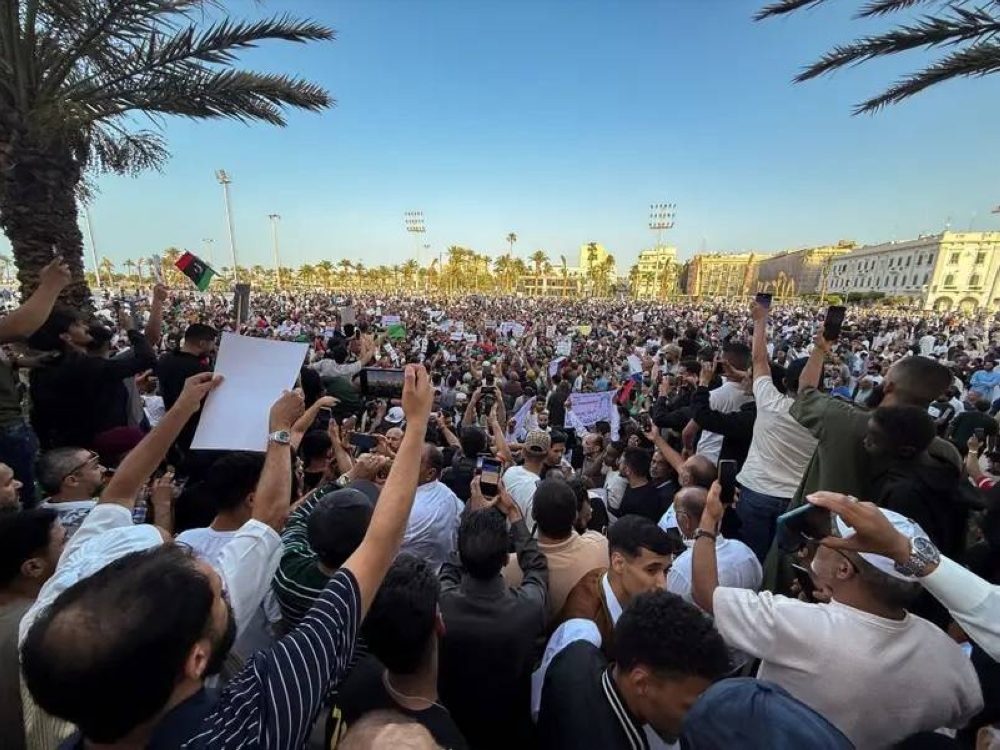
متظاهرون ليبيون يحتشدون وسط طرابلس.


تابع قناة عكاظ على الواتساب
«عكاظ» (جدة) okaz_online@
Egypt, Tunisia, and Algeria have called for the necessity of pushing towards a peaceful and political solution to the Libyan crisis. The foreign ministers of the three countries held a meeting in Cairo today (Saturday) to discuss the latest developments and to push for the desired political solution in Libya.
The ministers reiterated, in a statement, their call for all Libyan parties to exercise the utmost restraint and to halt escalation, ensuring the safety of the Libyan people in light of the serious developments taking place in Libya and the security situation in the capital, Tripoli.
The attendees demanded prioritizing the interests of the Libyan people and preserving their resources and properties, achieving consensus among all parties under the supervision and support of the United Nations, with assistance from neighboring countries, leading to the end of division and advancing the political process in Libya. They emphasized the necessity of unifying institutions and holding parliamentary and presidential elections simultaneously.
The ministers stressed the need to expedite reaching a solution to the Libyan crisis and to end the state of political division to avoid further escalation, the spread of violence and terrorism, and the widening circle of conflict, affirming in this regard that Libya's security is linked to the security of neighboring countries.
The ministers confirmed the necessity of exclusive Libyan ownership of the political process, stating that the political solution must be Libyan and stem from the will and consensus of all components of the Libyan people, with the support of the United Nations, while considering the interests of the people without exclusion.
The ministers rejected all forms of foreign intervention in Libya, which could exacerbate internal tensions and prolong the crisis, threatening security and stability in Libya and neighboring countries. They called for continued support for the efforts of the Joint Military Commission (5+5) to solidify the existing ceasefire and the withdrawal of foreign troops, foreign fighters, and mercenaries within a specified timeframe. They highlighted the necessity of unifying military and security institutions, in complete harmony with ongoing efforts within international, African, Arab, and Mediterranean frameworks.
The ministers agreed to continue coordination between the three countries and the United Nations to assess the situation in Libya and exchange views on the future of the Libyan political scene and how to cooperate to achieve security, stability, and development in the region.
The ministers called for regular meetings of the tripartite neighboring countries mechanism, with the next ministerial meeting of the mechanism to be held in Algeria and then in Tunisia before the end of the current year.
Hundreds of Libyans participated yesterday, Friday, in demonstrations in the center of the capital, Tripoli, and several cities in the west of the country, demanding the resignation of the Government of National Unity and denouncing the overreach of militias and their assaults on state institutions.
The protesters gathered in Martyrs' Square in the center of Tripoli and in the cities of Zawiya, Janzour, and Souq al-Jumah, raising red cards and banners calling for the government's departure, holding it accountable, and lifting international cover from it, in exchange for forming an alternative government to lead the country to elections.
Friday's demonstrations are the third in a row, where protesters have taken to the streets demanding the resignation of the Government of National Unity, limiting the influence of armed militias, and ending the current phase.
The protests began following the armed confrontations that took place in Tripoli, which followed the killing of the head of the Stability Support Apparatus affiliated with the Presidential Council, Abdul Ghani al-Kikli, an event that triggered a wave of public anger.
The ministers reiterated, in a statement, their call for all Libyan parties to exercise the utmost restraint and to halt escalation, ensuring the safety of the Libyan people in light of the serious developments taking place in Libya and the security situation in the capital, Tripoli.
The attendees demanded prioritizing the interests of the Libyan people and preserving their resources and properties, achieving consensus among all parties under the supervision and support of the United Nations, with assistance from neighboring countries, leading to the end of division and advancing the political process in Libya. They emphasized the necessity of unifying institutions and holding parliamentary and presidential elections simultaneously.
The ministers stressed the need to expedite reaching a solution to the Libyan crisis and to end the state of political division to avoid further escalation, the spread of violence and terrorism, and the widening circle of conflict, affirming in this regard that Libya's security is linked to the security of neighboring countries.
The ministers confirmed the necessity of exclusive Libyan ownership of the political process, stating that the political solution must be Libyan and stem from the will and consensus of all components of the Libyan people, with the support of the United Nations, while considering the interests of the people without exclusion.
The ministers rejected all forms of foreign intervention in Libya, which could exacerbate internal tensions and prolong the crisis, threatening security and stability in Libya and neighboring countries. They called for continued support for the efforts of the Joint Military Commission (5+5) to solidify the existing ceasefire and the withdrawal of foreign troops, foreign fighters, and mercenaries within a specified timeframe. They highlighted the necessity of unifying military and security institutions, in complete harmony with ongoing efforts within international, African, Arab, and Mediterranean frameworks.
The ministers agreed to continue coordination between the three countries and the United Nations to assess the situation in Libya and exchange views on the future of the Libyan political scene and how to cooperate to achieve security, stability, and development in the region.
The ministers called for regular meetings of the tripartite neighboring countries mechanism, with the next ministerial meeting of the mechanism to be held in Algeria and then in Tunisia before the end of the current year.
Hundreds of Libyans participated yesterday, Friday, in demonstrations in the center of the capital, Tripoli, and several cities in the west of the country, demanding the resignation of the Government of National Unity and denouncing the overreach of militias and their assaults on state institutions.
The protesters gathered in Martyrs' Square in the center of Tripoli and in the cities of Zawiya, Janzour, and Souq al-Jumah, raising red cards and banners calling for the government's departure, holding it accountable, and lifting international cover from it, in exchange for forming an alternative government to lead the country to elections.
Friday's demonstrations are the third in a row, where protesters have taken to the streets demanding the resignation of the Government of National Unity, limiting the influence of armed militias, and ending the current phase.
The protests began following the armed confrontations that took place in Tripoli, which followed the killing of the head of the Stability Support Apparatus affiliated with the Presidential Council, Abdul Ghani al-Kikli, an event that triggered a wave of public anger.


