في بلد اعتاد تأجيل الملفات الشائكة أو ترحيلها، تشكل خطوة تحديد موعد واضح لنزع سلاح المخيمات الفلسطينية استثناءً لافتاً، خصوصاً أنها جاءت دون أي مقاربة موازية أو حتى إشارة إلى ملف سلاح «حزب الله».
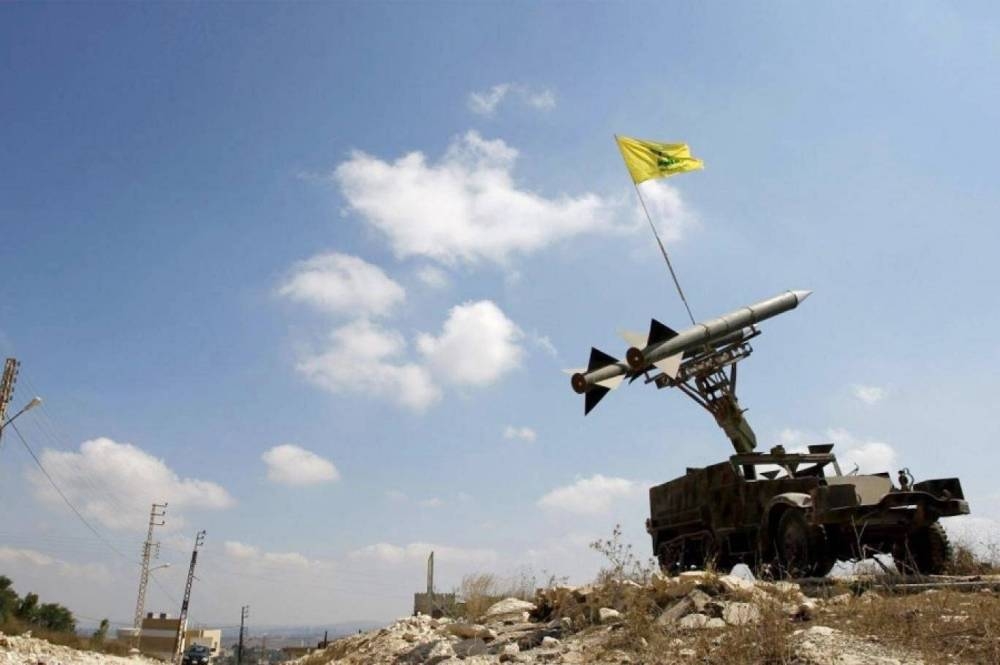
المسألة لم تكن في توقيت الخطوة فقط، بل في رمزيتها: أن تختار الدولة للمرة الأولى أن تبدأ تنفيذ قرار دولي طال انتظاره، هو القرار 1701، عبر تفكيك مستودعات السلاح الفلسطيني على كامل الأراضي اللبنانية، وأن تفعل ذلك ضمن إطار من التفاهم السياسي والإقليمي، لكن من دون أن تحدد موعداً لنزع سلاح المنظومة المسلحة الأكبر على الأرض؛ أي «حزب الله»، الذي لا يزال خارج أي إطار زمني أو تفاهم وطني واضح.
عون في مواجهة الواقع
يقود الرئيس جوزيف عون هذا الواقع الحساس بوعي وطني استثنائي، إذ لا يدخل في صدام ولا يطلق وعوداً غير قابلة للتحقيق، فهو لا يتنازل عن ثوابته: أن يكون السلاح بيد الدولة، وأن السيادة لا تقبل التجزئة. مع قناعة تامة بأن استعادة السيادة لا تتحقق دفعة واحدة، بل عبر تراكم خطوات تعيد ترميم ثقة اللبنانيين بدولتهم.
وفي هذا السياق، عُقد اللقاء بين الرئيس عون ورئيس كتلة حزب الله البرلمانية النائب محمد رعد، لتأكيد دخول التواصل بين الطرفين مرحلة سياسية جديدة تتجاوز الاتصالات عن بُعد. وخصص اللقاء الأول العلني للبحث في أربع نقاط رئيسية: وقف الخروقات والاعتداءات الإسرائيلية، الانسحاب من المواقع الخمسة التي لا تزال إسرائيل تحتلها، إطلاق الأسرى اللبنانيين لدى إسرائيل، وإعداد آلية ضمن برنامج لإعادة إعمار المناطق المتضررة. ووفقاً للمعطيات المتوفرة فإن حزب الله وجد في هذه النقاط التي يصعب تنفيذها في الوقت الراهن، حجة مناسبة للمماطلة والتمسك بوضع السلاح الحالي حتى يبني على الشيء مقتضاه.
ورغم المسار الهادئ والمتماسك في إدارة هذا الملف، تظل المسألة الأوسع بلا أفق واضح: سلاح حزب الله لن تُفتح له أي صفحة رسمية للنقاش، ولن تُحدد له أي خارطة طريق أو روزنامة انتقال نحو الدولة على المدى المنظور.
حزب الله والربط الإقليمي للسلاح
المرونة الظاهرة في تعامل حزب الله مع الرئيس عون، فضحت عبر تصريحات أمينه العام الشيخ نعيم قاسم، التي سبقت زيارة النائب محمد رعد إلى القصر الجمهوري، عن أنها ليست إلا إستراتيجية لشراء الوقت. إذ أعاد قاسم إلى الأذهان لغة ما قبل الحرب، مؤكداً تمسك الحزب المطلق بسلاحه وثلاثية «الجيش والشعب والمقاومة»، رافضاً أي نقاش أو مراجعة، وموحياً بأن الاستقرار مرهون ببقاء هذا السلاح، وكأن لبنان محكوم بورقة تفاوض لا مشروع دولة.
بل أكثر من ذلك، أكد الحزب عبر إعلامه رفضه لأي نقاش رسمي شامل حول سلاحه، ملمحاً أن هذا السلاح ما زال مرتبطاً بتوازنات إقليمية، من الاتفاق الأمريكي- الإيراني مروراً بمآلات جبهة غزة. وهي الملفات التي تُدار خارج لبنان، ولا يُستشار فيها اللبنانيون، لكنها تنعكس مباشرة على أمنهم واقتصادهم ومستقبلهم.
الأروقة السياسية اللبنانية، بدأت تضج بالنقاشات حول كيفية الخروج من هذا الواقع المعقد، حيث تطرح بعض الجهات مبادرات تفصل الملف الأمني عن الحسابات الإقليمية، عبر تفعيل دور المؤسسات العسكرية والأمنية اللبنانية، مع ضمانات دولية تحدد سقفاً واضحاً لسلاح حزب الله ضمن مفهوم الدولة والجيش فقط. فيما يعارض ذلك جزء من الطبقة السياسية المرتبطة بعلاقات وثيقة مع الحزب، وتتمسك بإبقاء ملف السلاح خارج أي نقاش جدي، معتبرة أن توقيت معالجة هذا الملف غير ناضج سياسياً وأمنياً، خشية أن يؤدي إلى توترات داخلية.
مستقبل السيادة في ظل السلاح
الواقع أن الدولة بدأت السير على طريق السيادة، فيما يظل طرف واحد يحتفظ بحق الفيتو على إتمام هذا المسار.
وهنا، تتردد في الأوساط الشعبية والسياسية أسئلة عدة: ما الخطوة التالية بعد ملف المخيمات؟ هل ستتمكن الدولة اللبنانية من فرض سيادتها على كامل أراضيها فعلياً؟ ما الذي يمنع بلورة خارطة طريق وطنية تحدد سقفاً زمنياً لاحتواء هذا السلاح؟ هل المبادرات الداخلية كافية، أم أن الحل سيظل معلقاً حتى تنضج صفقة إقليمية- دولية؟
قد يكون ما سيتحقق في ملف المخيمات بداية صحيحة، لكنه لا يعني بالضرورة أننا على طريق إنهاء حالة السلاح خارج الدولة.
وسؤال السيادة سيبقى مفتوحاً ما دامت جهة تتصرف كسلطة رديفة وتفرض منطقها فوق الدستور والمؤسسات.
أما السؤال المؤجل بلا مواربة: إذا كانت المخيمات هي البداية.. فمتى يبدأ النقاش الحقيقي حول سلاح حزب الله؟.
الملف الشائك يدخل الأروقة السياسية.. والرهانات تتضارب
ما بعد المخيمات.. متى يُنزع سلاح «حزب الله» ؟
30 مايو 2025 - 03:40
|
آخر تحديث 30 مايو 2025 - 03:40


تابع قناة عكاظ على الواتساب
راوية حشمي (بيروت) HechmiRawiya@
In a country accustomed to postponing or deferring contentious issues, the step of setting a clear date for disarming Palestinian camps stands out as a remarkable exception, especially since it came without any parallel approach or even a mention of the issue of Hezbollah's weapons.
The matter was not only about the timing of the step but also its symbolism: for the state to choose for the first time to begin implementing a long-awaited international resolution, namely Resolution 1701, by dismantling the Palestinian weapon depots across all Lebanese territory, and to do so within a framework of political and regional understanding, but without setting a date for disarming the larger armed group on the ground; namely Hezbollah, which remains outside any clear timeline or national agreement.
Aoun Facing Reality
President Joseph Aoun leads this sensitive reality with exceptional national awareness, as he does not engage in confrontation nor makes unattainable promises. He does not compromise on his principles: that weapons should be in the hands of the state, and that sovereignty is indivisible. He is fully convinced that restoring sovereignty cannot be achieved all at once, but rather through a series of steps that rebuild the trust of the Lebanese in their state.
In this context, a meeting was held between President Aoun and the head of Hezbollah's parliamentary bloc, MP Mohammad Raad, to confirm that communication between the two sides has entered a new political phase that goes beyond remote communications. The first public meeting was dedicated to discussing four main points: stopping Israeli violations and assaults, withdrawing from the five sites still occupied by Israel, releasing Lebanese prisoners held by Israel, and preparing a mechanism within a program for the reconstruction of affected areas. According to available data, Hezbollah found in these points, which are difficult to implement at the moment, a suitable excuse for procrastination and clinging to the current state of arms until it can build on it.
Despite the calm and coherent approach to managing this file, the broader issue remains without a clear horizon: Hezbollah's weapons will not have any official page opened for discussion, nor will there be any roadmap or timeline set for transitioning towards the state in the foreseeable future.
Hezbollah and the Regional Link of Arms
The apparent flexibility in Hezbollah's dealings with President Aoun was exposed through statements made by its Secretary-General Sheikh Naim Qassem, which preceded MP Mohammad Raad's visit to the presidential palace, indicating that this is merely a strategy to buy time. Qassem recalled the language of the pre-war era, affirming the party's absolute commitment to its weapons and the triad of "the army, the people, and the resistance," rejecting any discussion or review, and implying that stability is contingent upon the existence of this weapon, as if Lebanon is governed by a negotiation paper rather than a state project.
Moreover, the party confirmed through its media its rejection of any comprehensive official discussion regarding its weapons, hinting that this weapon is still linked to regional balances, from the American-Iranian agreement to the outcomes of the Gaza front. These are files managed outside Lebanon, in which the Lebanese are not consulted, but they directly affect their security, economy, and future.
The Lebanese political corridors have begun to buzz with discussions on how to emerge from this complex reality, where some parties propose initiatives that separate the security file from regional calculations, by activating the role of Lebanese military and security institutions, with international guarantees that set a clear ceiling for Hezbollah's weapons within the concept of the state and the army only. Meanwhile, part of the political class, which is closely linked to the party, opposes this, insisting on keeping the weapons file outside any serious discussion, considering that the timing for addressing this file is politically and security-wise immature, fearing it may lead to internal tensions.
The Future of Sovereignty in Light of Arms
The reality is that the state has begun to walk the path of sovereignty, while one party retains the veto power over the completion of this path.
Here, several questions resonate in popular and political circles: What is the next step after the camps issue? Will the Lebanese state be able to effectively impose its sovereignty over all its territory? What prevents the formulation of a national roadmap that sets a timeline for containing this weapon? Are internal initiatives sufficient, or will the solution remain suspended until a regional-international deal matures?
What may be achieved regarding the camps could be a correct starting point, but it does not necessarily mean that we are on the path to ending the state-external arms situation.
The question of sovereignty will remain open as long as a party acts as a parallel authority and imposes its logic above the constitution and institutions.
As for the question that remains postponed without ambiguity: If the camps are the beginning... when will the real discussion about Hezbollah's weapons start?
The matter was not only about the timing of the step but also its symbolism: for the state to choose for the first time to begin implementing a long-awaited international resolution, namely Resolution 1701, by dismantling the Palestinian weapon depots across all Lebanese territory, and to do so within a framework of political and regional understanding, but without setting a date for disarming the larger armed group on the ground; namely Hezbollah, which remains outside any clear timeline or national agreement.
Aoun Facing Reality
President Joseph Aoun leads this sensitive reality with exceptional national awareness, as he does not engage in confrontation nor makes unattainable promises. He does not compromise on his principles: that weapons should be in the hands of the state, and that sovereignty is indivisible. He is fully convinced that restoring sovereignty cannot be achieved all at once, but rather through a series of steps that rebuild the trust of the Lebanese in their state.
In this context, a meeting was held between President Aoun and the head of Hezbollah's parliamentary bloc, MP Mohammad Raad, to confirm that communication between the two sides has entered a new political phase that goes beyond remote communications. The first public meeting was dedicated to discussing four main points: stopping Israeli violations and assaults, withdrawing from the five sites still occupied by Israel, releasing Lebanese prisoners held by Israel, and preparing a mechanism within a program for the reconstruction of affected areas. According to available data, Hezbollah found in these points, which are difficult to implement at the moment, a suitable excuse for procrastination and clinging to the current state of arms until it can build on it.
Despite the calm and coherent approach to managing this file, the broader issue remains without a clear horizon: Hezbollah's weapons will not have any official page opened for discussion, nor will there be any roadmap or timeline set for transitioning towards the state in the foreseeable future.
Hezbollah and the Regional Link of Arms
The apparent flexibility in Hezbollah's dealings with President Aoun was exposed through statements made by its Secretary-General Sheikh Naim Qassem, which preceded MP Mohammad Raad's visit to the presidential palace, indicating that this is merely a strategy to buy time. Qassem recalled the language of the pre-war era, affirming the party's absolute commitment to its weapons and the triad of "the army, the people, and the resistance," rejecting any discussion or review, and implying that stability is contingent upon the existence of this weapon, as if Lebanon is governed by a negotiation paper rather than a state project.
Moreover, the party confirmed through its media its rejection of any comprehensive official discussion regarding its weapons, hinting that this weapon is still linked to regional balances, from the American-Iranian agreement to the outcomes of the Gaza front. These are files managed outside Lebanon, in which the Lebanese are not consulted, but they directly affect their security, economy, and future.
The Lebanese political corridors have begun to buzz with discussions on how to emerge from this complex reality, where some parties propose initiatives that separate the security file from regional calculations, by activating the role of Lebanese military and security institutions, with international guarantees that set a clear ceiling for Hezbollah's weapons within the concept of the state and the army only. Meanwhile, part of the political class, which is closely linked to the party, opposes this, insisting on keeping the weapons file outside any serious discussion, considering that the timing for addressing this file is politically and security-wise immature, fearing it may lead to internal tensions.
The Future of Sovereignty in Light of Arms
The reality is that the state has begun to walk the path of sovereignty, while one party retains the veto power over the completion of this path.
Here, several questions resonate in popular and political circles: What is the next step after the camps issue? Will the Lebanese state be able to effectively impose its sovereignty over all its territory? What prevents the formulation of a national roadmap that sets a timeline for containing this weapon? Are internal initiatives sufficient, or will the solution remain suspended until a regional-international deal matures?
What may be achieved regarding the camps could be a correct starting point, but it does not necessarily mean that we are on the path to ending the state-external arms situation.
The question of sovereignty will remain open as long as a party acts as a parallel authority and imposes its logic above the constitution and institutions.
As for the question that remains postponed without ambiguity: If the camps are the beginning... when will the real discussion about Hezbollah's weapons start?