فيما يزور الرئيس الإيراني مسعود بزشكیان العاصمة العُمانية مسقط، اليوم (الثلاثاء)، نفى عضو بارز في الفريق الإيراني المفاوض، الأنباء التي ترددت بأن المقترح العماني يتضمن وقفاً مؤقتاً لتخصيب اليورانيوم لمدة 6 أشهر.
وجدد التأكيد على أن التخصيب لن يتوقف تحت أي ظرف من الظروف، وفق ما نقلت عنه وكالة «تسنيم» الإيرانية، مساء أمس الإثنين. وأعلن أن «المقترح العماني يتضمّن اعترافاً بحق إيران في التخصيب»، وفق قوله.
وكان عضو لجنة الأمن القومي والسياسة الخارجية في البرلمان الإيراني أحمد بخشايش أردستاني، قال إن سلطنة عمان، التي تلعب دور الوسيط في المفاوضات النووية غير المباشرة مع الولايات المتحدة، عرضت مقترحاً يقضي بوقف مؤقت لعمليات تخصيب اليورانيوم لمدة 6 أشهر كخطوة تمهيدية لاستئناف المحادثات، وهو ما رفضه الجانب الإيراني. وأعرب عن مخاوف طهران من تكرار التجارب السابقة التي شهدت مطالب متزايدة من القوى الغربية بعد كل خطوة إيجابية تقدمها.
وعقدت الجولة خامسة من المحادثات بين واشنطن وطهران في روما يوم الجمعة الماضي، ووصفها الرئيس الأمريكي دونالد ترمب بـ «الجيدة للغاية»، فيما نعتها وزير الخارجية الإيرانية عباس عراقجي بأنها «الأكثر مهنية على الإطلاق»، دون أن ينفي تعقيدها. وأكد أن المفاوضات معقدة جدّاً إلى درجة لا يمكن إنجازها في اجتماعين أو ثلاثة، واصفا التواصل مع واشنطن بأنه «مهني جدّاً».
من جهته، أفاد وزير الخارجية بدر البوسعيدي، بأنه تم بذل جهود لطرح حلول لإزالة العقبات ولتحقيق تقدم.. وتمّت مناقشة أفكار مختلفة.. وأضاف أنه تم الاتفاق على أن يجري الجانبان دراسات فنية أعمق بشأن هذه الأفكار.
وقال: «نحن عازمون على دراسة هذه الحلول والمقترحات الجديدة التي قد تكون، على الأرجح، مفيدة ومن المقرر أن يقدّم الطرفان وجهات نظرهما بشأن هذه المقترحات والحلول».
ومنذ 12 أبريل الماضي، شرع الوفدان الإيراني الذي يرأسه عراقجي، والأمريكي بقيادة المبعوث ستيف ويتكوف في محادثات غير مباشرة من أجل التوصل لاتفاق حول البرنامج النووي الإيراني، وعقدت حتى الآن 5 جولات وصفت بالإيجابية.
لكن قضية تخصيب اليورانيوم لا تزال تمثل أكثر المواضيع تعقيداً، إذ يتمسك الجانب الإيراني بما يعتبره «حقّاً سياديّاً» وخطاً أحمرَ لا يمكن التنازل عنه، بينما ترفض الإدارة الأمريكية السماح لطهران بالتخصيب داخل البلاد.
هل تضمن المقترح العماني الوقف المؤقت للتخصيب الإيراني؟
27 مايو 2025 - 13:57
|
آخر تحديث 27 مايو 2025 - 13:57
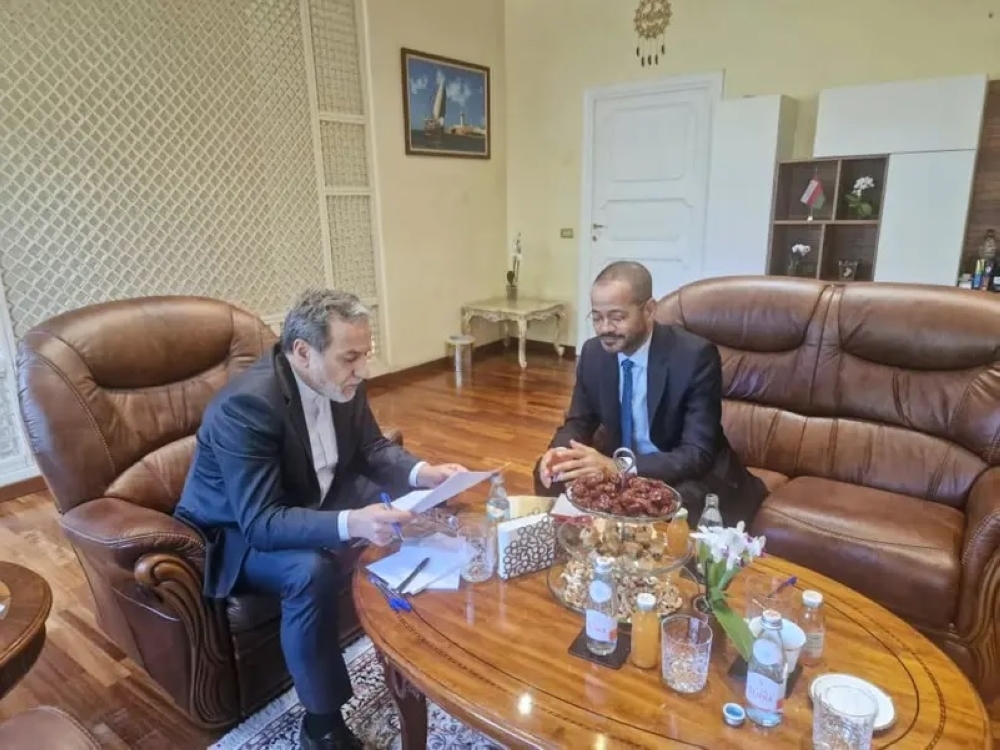
وزيرا الخارجية الإيراني والعماني خلال مداولات على هامش المحادثات الأمريكية الإيرانية.


تابع قناة عكاظ على الواتساب
«عكاظ» (طهران) okaz_online@
While Iranian President Masoud Bezhkian visits the Omani capital Muscat today (Tuesday), a senior member of the Iranian negotiating team denied reports that the Omani proposal includes a temporary halt to uranium enrichment for six months.
He reiterated that enrichment will not stop under any circumstances, according to the Iranian news agency "Tasnim," which reported this yesterday evening (Monday). He announced that "the Omani proposal includes recognition of Iran's right to enrichment," as he stated.
Member of the National Security and Foreign Policy Committee in the Iranian Parliament, Ahmad Bakhshai Ardestani, said that Oman, which plays a mediating role in the indirect nuclear negotiations with the United States, proposed a temporary halt to uranium enrichment operations for six months as a preliminary step to resume talks, which the Iranian side rejected. He expressed Tehran's concerns about repeating past experiences that saw increasing demands from Western powers after each positive step taken.
The fifth round of talks between Washington and Tehran was held in Rome last Friday, which U.S. President Donald Trump described as "very good," while Iranian Foreign Minister Abbas Araghchi referred to it as "the most professional ever," without denying its complexity. He confirmed that the negotiations are very complicated to the extent that they cannot be completed in two or three meetings, describing the communication with Washington as "very professional."
For his part, Foreign Minister Badr al-Busaidi stated that efforts have been made to propose solutions to remove obstacles and achieve progress... Various ideas were discussed... He added that both sides agreed to conduct deeper technical studies on these ideas.
He said: "We are determined to study these new solutions and proposals that may likely be useful, and both parties are expected to present their views on these proposals and solutions."
Since April 12, the Iranian delegation headed by Araghchi and the American delegation led by envoy Steve Wietkoff have engaged in indirect talks to reach an agreement on the Iranian nuclear program, with five rounds held so far that have been described as positive.
However, the issue of uranium enrichment remains one of the most complicated topics, as the Iranian side insists on what it considers a "sovereign right" and a red line that cannot be compromised, while the U.S. administration refuses to allow Tehran to enrich within the country.
He reiterated that enrichment will not stop under any circumstances, according to the Iranian news agency "Tasnim," which reported this yesterday evening (Monday). He announced that "the Omani proposal includes recognition of Iran's right to enrichment," as he stated.
Member of the National Security and Foreign Policy Committee in the Iranian Parliament, Ahmad Bakhshai Ardestani, said that Oman, which plays a mediating role in the indirect nuclear negotiations with the United States, proposed a temporary halt to uranium enrichment operations for six months as a preliminary step to resume talks, which the Iranian side rejected. He expressed Tehran's concerns about repeating past experiences that saw increasing demands from Western powers after each positive step taken.
The fifth round of talks between Washington and Tehran was held in Rome last Friday, which U.S. President Donald Trump described as "very good," while Iranian Foreign Minister Abbas Araghchi referred to it as "the most professional ever," without denying its complexity. He confirmed that the negotiations are very complicated to the extent that they cannot be completed in two or three meetings, describing the communication with Washington as "very professional."
For his part, Foreign Minister Badr al-Busaidi stated that efforts have been made to propose solutions to remove obstacles and achieve progress... Various ideas were discussed... He added that both sides agreed to conduct deeper technical studies on these ideas.
He said: "We are determined to study these new solutions and proposals that may likely be useful, and both parties are expected to present their views on these proposals and solutions."
Since April 12, the Iranian delegation headed by Araghchi and the American delegation led by envoy Steve Wietkoff have engaged in indirect talks to reach an agreement on the Iranian nuclear program, with five rounds held so far that have been described as positive.
However, the issue of uranium enrichment remains one of the most complicated topics, as the Iranian side insists on what it considers a "sovereign right" and a red line that cannot be compromised, while the U.S. administration refuses to allow Tehran to enrich within the country.