بين «المهنية والبناءة» جرت الجولة الخامسة من المفاوضات النووية غير المباشرة بين الولايات المتحدة وإيران في روما، (الجمعة). ونقلت صحيفة «وول ستريت جورنال»، عن مصادر مطلعة، أن الجانبين سعيا إلى وضع معايير لاتفاق جديد حول برنامج طهران النووي، مع تأجيل التفاوض على التفاصيل المهمة إلى وقت لاحق.
واعتبر ريتشارد نيفيو، الذي ساعد في قيادة المحادثات مع إيران في عهد إدارتي الرئيسين باراك أوباما وجو بايدن: «أن الاتفاق الإطاري قد يكون مفيداً للغاية في إعداد اتفاق طويل الأجل، بشرط أن يكون الجميع واضحين بشأن النتيجة المقصودة».
وحسب الصحيفة، فإن محاولة التوصل إلى اتفاق إطاري لإجراء مزيد من المفاوضات بشأن البرنامج النووي الإيراني يشبه في بعض جوانبه، الاتفاق المؤقت الذي وضع عام 2013، قبيل الاتفاق النووي الذي توصلت إليه طهران وواشنطن عام 2015.
من جانبه، اعتبر مسؤول أمريكي مطّلع على المحادثات أن الهدف هو التوصل إلى تفاهم حول النقاط الرئيسية التي يمكن أن شكل اتفاقاً نهائيّاً في وقت لاحق.
وبحسب مسؤولين إيرانيين، فإن الجانب الإيراني طرح اقتراحاً جديداً تضمن إنشاء اتحاد نووي ثلاثي، تقوم فيه طهران بتخصيب اليورانيوم إلى درجة منخفضة، أقل من الدرجة اللازمة للأسلحة النووية، ثم تشحنه إلى دول عربية معينة للاستخدام المدني.
وأعلنوا أنهم على استعداد لخفض مستويات التخصيب إلى النسبة المحددة في الاتفاق النووي لعام 2015 أي حوالي 3.5%، وهو المستوى الذي يقارب المستوى اللازم لإنتاج الوقود لمحطات الطاقة النووية.
وكان وزير الخارجية الأمريكي ماركو روبيو، شدد في تصريحات له على، أنه لا يمكن لإيران أن تخصب اليورانيوم محليّاً، إنما يمكنها استيراده من الخارج، كما تفعل دول أخرى.
وبعد نحو 3 ساعات من المحادثات في روما، اعتبر وزير الخارجية الإيراني أن «مواقف بلاده واضحة وثابتة». وقال إن وزير الخارجية العماني طرح مجموعة من الأفكار، ومن المقرر أن يقدّم الطرفان وجهات نظرهما بشأنها.
وتعد مسألة تخصيب اليورانيوم «عقدة العقد» في المفاوضات بين الجانبين، فواشنطن «لا يمكنها السماح حتى بنسبة 1% من قدرة التخصيب»، وطهران ترفض هذا الشرط.
بعد جولة روما.. واشنطن وطهران تسعيان لوضع معايير اتفاق نووي جديد
24 مايو 2025 - 14:44
|
آخر تحديث 24 مايو 2025 - 14:44
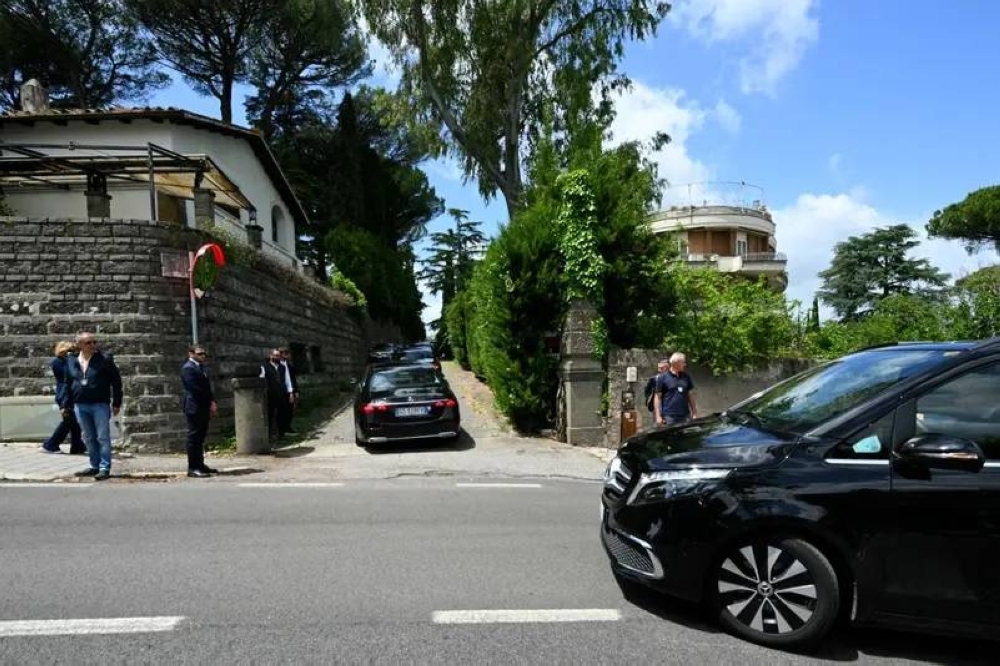
محيط السفارة العمانية في روما.


تابع قناة عكاظ على الواتساب
«عكاظ» (جدة) okaz_online@
Between "professionalism and constructiveness," the fifth round of indirect nuclear negotiations between the United States and Iran took place in Rome on Friday. The Wall Street Journal reported, citing informed sources, that both sides sought to establish criteria for a new agreement regarding Tehran's nuclear program, while postponing negotiations on important details to a later time.
Richard Nephew, who helped lead the talks with Iran during the administrations of Presidents Barack Obama and Joe Biden, stated: "The framework agreement could be extremely useful in preparing for a long-term agreement, provided that everyone is clear about the intended outcome."
According to the newspaper, the attempt to reach a framework agreement for further negotiations on the Iranian nuclear program resembles, in some aspects, the temporary agreement established in 2013, just before the nuclear agreement reached between Tehran and Washington in 2015.
For his part, a U.S. official familiar with the talks considered that the goal is to reach an understanding on the main points that could shape a final agreement later.
According to Iranian officials, the Iranian side proposed a new suggestion that included the establishment of a trilateral nuclear union, in which Tehran would enrich uranium to a low level, below the threshold necessary for nuclear weapons, and then ship it to certain Arab countries for civilian use.
They announced that they are willing to reduce enrichment levels to the percentage specified in the 2015 nuclear agreement, which is about 3.5%, a level that is close to that required for producing fuel for nuclear power plants.
U.S. Secretary of State Marco Rubio emphasized in his statements that Iran cannot enrich uranium domestically but can import it from abroad, as other countries do.
After about three hours of talks in Rome, the Iranian foreign minister stated that "his country's positions are clear and firm." He mentioned that the Omani foreign minister presented a set of ideas, and both sides are scheduled to provide their views on them.
The issue of uranium enrichment is considered the "knot of knots" in the negotiations between the two sides, as Washington "cannot allow even 1% of enrichment capacity," while Tehran rejects this condition.
Richard Nephew, who helped lead the talks with Iran during the administrations of Presidents Barack Obama and Joe Biden, stated: "The framework agreement could be extremely useful in preparing for a long-term agreement, provided that everyone is clear about the intended outcome."
According to the newspaper, the attempt to reach a framework agreement for further negotiations on the Iranian nuclear program resembles, in some aspects, the temporary agreement established in 2013, just before the nuclear agreement reached between Tehran and Washington in 2015.
For his part, a U.S. official familiar with the talks considered that the goal is to reach an understanding on the main points that could shape a final agreement later.
According to Iranian officials, the Iranian side proposed a new suggestion that included the establishment of a trilateral nuclear union, in which Tehran would enrich uranium to a low level, below the threshold necessary for nuclear weapons, and then ship it to certain Arab countries for civilian use.
They announced that they are willing to reduce enrichment levels to the percentage specified in the 2015 nuclear agreement, which is about 3.5%, a level that is close to that required for producing fuel for nuclear power plants.
U.S. Secretary of State Marco Rubio emphasized in his statements that Iran cannot enrich uranium domestically but can import it from abroad, as other countries do.
After about three hours of talks in Rome, the Iranian foreign minister stated that "his country's positions are clear and firm." He mentioned that the Omani foreign minister presented a set of ideas, and both sides are scheduled to provide their views on them.
The issue of uranium enrichment is considered the "knot of knots" in the negotiations between the two sides, as Washington "cannot allow even 1% of enrichment capacity," while Tehran rejects this condition.