شرعت الدولة اللبنانية في بسط سيادتها وسلطتها على مختلف أرجاء البلاد، في وقت أفصحت مصادر رسمية أن الحكومة أقرت خطة متدرّجة خلال الاجتماع الأول للجنة التنفيذية المشتركة اللبنانية الفلسطينية لسحب كل أنواع السلاح من المخيمات الفلسطينية.
ووفق المصادر، فإن عدم التجاوب مع هذه الإجراءات سيعرّض الفصائل المعرقلة لسلسلة إجراءات تشمل إلغاء تأشيرات الدخول إلى لبنان ومطالبتها بمغادرة الأراضي اللبنانية. وأفادت المصادر ذاتها بأن الجيش اللبناني والأمن العام سيبدآن جمع السلاح من المخيمات الفلسطينية ابتداء من منتصف شهر يونيو القادم. وذكرت أن المرحلة الأولى ستنطلق من المخيمات في العاصمة بيروت وهي: برج البراجنة، وشاتيلا، ومار الياس.
على أن يبدأ مطلع شهر يوليو نزع السلاح من مخيمات البقاع (الجليل في مدينة بعلبك) والشمال-مخيم البداوي، وبعدها مخيمات الجنوب التي تقع ضمن منطقة جنوب الليطاني، أي مخيمات الرشيدية (هو الأكبر)، والبرج الشمالي، والبصّ، وكلها مخيمات تخضع لسلطة حركة فتح.
وفي مخيم «عين الحلوة»، سيتم تقسيم الفصائل فيه إلى 3 أجزاء، الأول «منظمة التحرير الفلسطينية»، الثاني «حماس» و«الجهاد»، والثالث «الإسلاميون المتطرفون».
وكشفت المصادر أنه سيتم إبلاغ حركتي حماس والجهاد وغيرهما من الفصائل خلال اليومين القادمين بمضمون اتفاق نزع السلاح بين الجانبين الفلسطيني واللبناني وبمواعيد البدء بتنفيذ الخطة.
ويتوزّع أكثر من 235 ألف لاجئ فلسطيني في لبنان على 12 مخيماً، موزّعة بين محافظات عدة، إضافة إلى 57 نقطة تجمّع.
وتتوزع خريطة السلاح بشكل متفاوت بين المخيمات، باستثناء مخيم نهر البارد شمالاً الخالي كلياً من السلاح، ويقع تحت سلطات الجيش اللبناني منذ العام 2007، بعد معارك عنيفة استمرت لأكثر من 3 أشهر دارت في شوارعه ضد تنظيم «فتح الإسلام» الذي كان يشن هجمات ضد الدولة والجيش قُتل وأُصيب فيها العشرات.
تحذيرات بإجراءات ضد المعرقلين
الخطة تنطلق منتصف يونيو ..لبنان يجمع سلاح الفصائل الفلسطينية
24 مايو 2025 - 14:27
|
آخر تحديث 24 مايو 2025 - 14:27
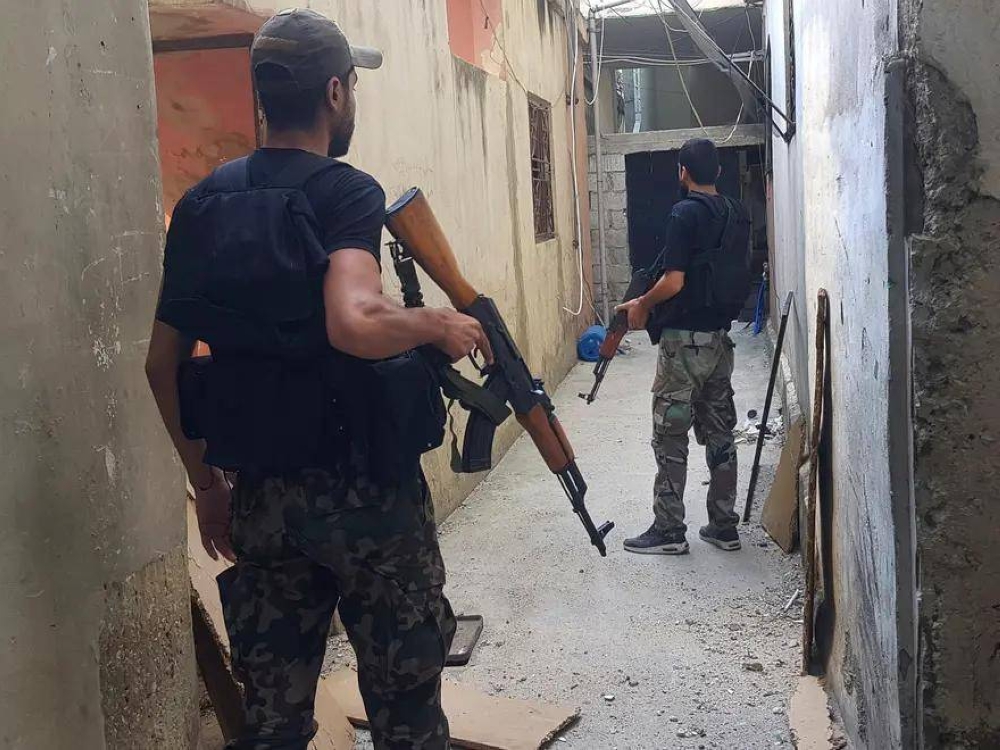
أكثر من 235 ألف لاجئ فلسطيني في لبنان موزعين على 12 مخيماً.


تابع قناة عكاظ على الواتساب
«عكاظ» (بيروت) okaz-online@
The Lebanese state has begun to assert its sovereignty and authority over various parts of the country, at a time when official sources revealed that the government approved a gradual plan during the first meeting of the joint Lebanese-Palestinian executive committee to withdraw all types of weapons from Palestinian camps.
According to the sources, failure to comply with these measures will expose the obstructing factions to a series of actions that include the cancellation of entry visas to Lebanon and demanding their departure from Lebanese territory. The same sources reported that the Lebanese Army and General Security will start collecting weapons from Palestinian camps beginning in mid-June. They mentioned that the first phase will commence from the camps in the capital Beirut, which are: Bourj al-Barajneh, Shatila, and Mar Elias.
By the beginning of July, the disarmament will start in the Bekaa camps (Jalil in the city of Baalbek) and the North - al-Badawi camp, followed by the southern camps located in the area south of the Litani River, namely the Rashidiya camp (the largest), the Northern Burj, and al-Bass, all of which are under the authority of the Fatah movement.
In the "Ain al-Hilweh" camp, the factions will be divided into three parts: the first is the "Palestine Liberation Organization," the second includes "Hamas" and "Islamic Jihad," and the third consists of "extremist Islamists."
The sources revealed that the movements of Hamas and Islamic Jihad, along with other factions, will be informed within the next two days about the content of the disarmament agreement between the Palestinian and Lebanese sides and the timelines for implementing the plan.
More than 235,000 Palestinian refugees in Lebanon are distributed across 12 camps, spread over several governorates, in addition to 57 gathering points.
The distribution of weapons varies among the camps, except for the Nahr al-Bared camp in the north, which is completely devoid of weapons and has been under the control of the Lebanese Army since 2007, following violent battles that lasted for more than three months in its streets against the "Fatah al-Islam" organization, which was launching attacks against the state and the army, resulting in dozens being killed and injured.
According to the sources, failure to comply with these measures will expose the obstructing factions to a series of actions that include the cancellation of entry visas to Lebanon and demanding their departure from Lebanese territory. The same sources reported that the Lebanese Army and General Security will start collecting weapons from Palestinian camps beginning in mid-June. They mentioned that the first phase will commence from the camps in the capital Beirut, which are: Bourj al-Barajneh, Shatila, and Mar Elias.
By the beginning of July, the disarmament will start in the Bekaa camps (Jalil in the city of Baalbek) and the North - al-Badawi camp, followed by the southern camps located in the area south of the Litani River, namely the Rashidiya camp (the largest), the Northern Burj, and al-Bass, all of which are under the authority of the Fatah movement.
In the "Ain al-Hilweh" camp, the factions will be divided into three parts: the first is the "Palestine Liberation Organization," the second includes "Hamas" and "Islamic Jihad," and the third consists of "extremist Islamists."
The sources revealed that the movements of Hamas and Islamic Jihad, along with other factions, will be informed within the next two days about the content of the disarmament agreement between the Palestinian and Lebanese sides and the timelines for implementing the plan.
More than 235,000 Palestinian refugees in Lebanon are distributed across 12 camps, spread over several governorates, in addition to 57 gathering points.
The distribution of weapons varies among the camps, except for the Nahr al-Bared camp in the north, which is completely devoid of weapons and has been under the control of the Lebanese Army since 2007, following violent battles that lasted for more than three months in its streets against the "Fatah al-Islam" organization, which was launching attacks against the state and the army, resulting in dozens being killed and injured.