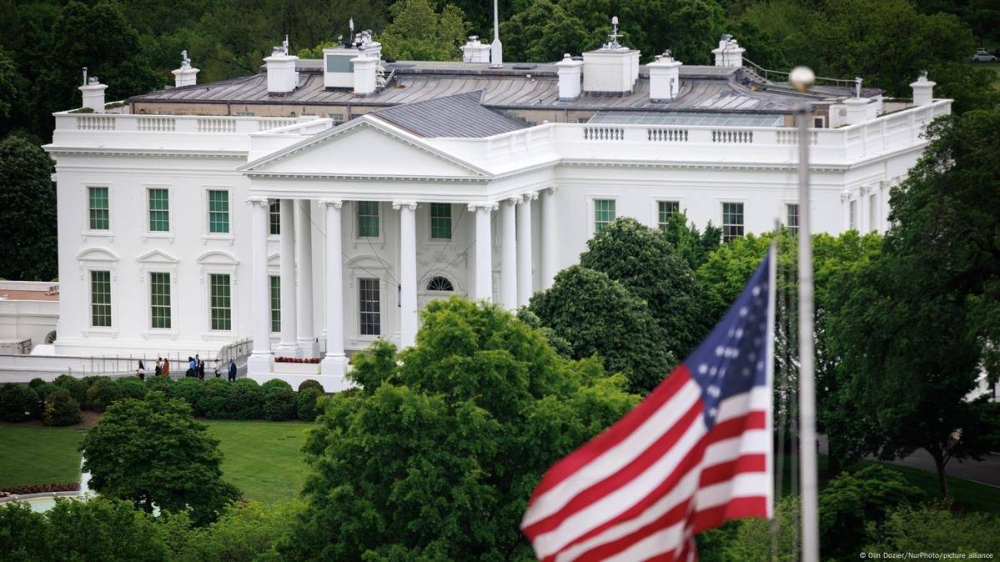
بدأت يوم (الجمعة)، عملية إعادة هيكلة واسعة النطاق لمجلس الأمن القومي التابع للبيت الأبيض، في إطار سعي الرئيس دونالد ترمب لتقليص حجم ونطاق الوكالة التي كانت تتمتع بنفوذ كبير في السابق، وفقاً لما ذكرته لـ«رويترز» خمسة مصادر مطلعة على الأمر.
وأضافت المصادر، التي طلبت عدم الكشف عن هويتها لعدم السماح لها بالتحدث إلى وسائل الإعلام، أن الموظفين الذين يتعاملون مع مجموعة متنوعة من القضايا الجيوسياسية الرئيسية تلقوا إشعارات إنهاء خدمات يوم الجمعة.
تأتي هذه الخطوة بعد أسابيع فقط من تولي وزير الخارجية ماركو روبيو منصب مستشار الأمن القومي خلفاً لمايك والتز. ورفض مجلس الأمن القومي التعليق.
وأضافت المصادر أنه من المتوقع أن تمنح إعادة هيكلة مجلس الأمن القومي مزيداً من الصلاحيات لوزارتي الخارجية والدفاع ووكالات أخرى. وتهدف الهيكلة الجديدة إلى تقليص حجم مجلس الأمن القومي إلى بضع عشرات فقط. ويُعدّ مجلس الأمن القومي الهيئة الرئيسية التي يستخدمها الرؤساء لتنسيق إستراتيجية الأمن القومي، وغالباً ما يتخذ موظفوه قراراتٍ حاسمة بشأن نهج أمريكا تجاه أكثر صراعات العالم تقلباً، ويلعبون دوراً محورياً في الحفاظ على أمن أمريكا.
On (Friday), a large-scale restructuring of the National Security Council at the White House began, as part of President Donald Trump's effort to reduce the size and scope of the agency that previously held significant influence, according to five sources familiar with the matter who spoke to Reuters.
The sources, who requested anonymity due to not being authorized to speak to the media, added that staff members dealing with a variety of major geopolitical issues received termination notices on Friday.
This move comes just weeks after Secretary of State Marco Rubio took over as National Security Advisor, succeeding Mike Waltz. The National Security Council declined to comment.
The sources indicated that the restructuring of the National Security Council is expected to grant more authority to the State and Defense Departments and other agencies. The new structure aims to reduce the National Security Council to just a few dozen members. The National Security Council is the main body used by presidents to coordinate national security strategy, and its staff often make critical decisions regarding America's approach to the world's most volatile conflicts, playing a pivotal role in maintaining America's security.