


فيما تحدثت تقارير أن إدارة الرئيس دونالد ترمب تبحث سحب نحو 4500 جندي من القوات البالغ قوامها 28 ألفاً من كوريا الجنوبية ونقلهم إلى مواقع أخرى، أفادت سول، اليوم (الجمعة)، بأنها لم تجر أي مناقشات مع وزارة الدفاع الأمريكية بشأن إمكانية خفض حجم قواتها المتمركزة في العاصمة.
واعتبرت وزارة الدفاع الكورية الجنوبية، أن القوات الأمريكية التي تعد «قوة أساسية» للتحالف بين البلدين، ساهمت في تحقيق السلام والاستقرار في شبه الجزيرة الكورية والمنطقة من خلال الحفاظ على موقف دفاعي مشترك ثابت مع الجيش الكوري الجنوبي وردع غزو كوريا الشمالية واستفزازاتها.
وأفاد متحدث باسم وزارة الدفاع الكورية الجنوبية بأنه «لا يوجد ما يمكن الإعلان عنه في ما يتعلق بأي خفض محتمل في القوات الأمريكية الموجودة في كوريا الجنوبية».
من جانبها، نقلت صحيفة «وول ستريت جورنال» عن مسؤولين في «البنتاغون» قولهم، إن من بين الخيارات التي يدرسها سحب نحو 4500 جندي من كوريا الجنوبية، مع إعادة نشرهم في مواقع أخرى ضمن منطقة المحيطين الهندي والهادئ، بما في ذلك جزيرة جوام.
وقال مسؤولان إن هذا الاقتراح لا يزال قيد الإعداد، للنظر فيه من قبل ترمب، كجزء من مراجعة غير رسمية لسياسة التعامل مع كوريا الشمالية. وأضاف أن المقترح لم يُرفع بعد إلى مكتب الرئيس الأمريكي وهو واحد من عدة خيارات تتم مناقشتها حالياً من قبل كبار المسؤولين المشاركين في هذه المراجعة.
الناطق باسم البنتاغون، ذكر أنه لا توجد إعلانات سياسية لعرضها حالياً، في حين أكد المتحدث باسم مجلس الأمن القومي الأمريكي بيت نجوين، التزام ترمب بـ«نزع السلاح النووي الكامل من كوريا الشمالية».
وتوقعت «وول ستريت جورنال»، أن يثير النظر بجدية في سحب القوات الأمريكية من سول قلقاً بالغاً في منطقة المحيطين الهندي والهادئ، إذ تعتمد كوريا الجنوبية، إلى جانب اليابان والفلبين، على التنسيق الوثيق مع القوات الأمريكية للدفاع عن نفسها، وإظهار القوة في المنطقة التي باتت تزداد توتراً.
واعتبرت الصحيفة أن سحب القوات من شبه الجزيرة الكورية مع استمرار بقائها في المنطقة، قد يخفف من مخاوف البنتاغون بشأن تقليص الوجود العسكري هناك، مشيرة إلى أن جزيرة جوام تعد مركزاً إستراتيجياً للقوات الأمريكية، بسبب موقعها القريب من بؤر التوتر المحتملة، وصعوبة وصول القوات الصينية إليها.
وكان وزير الدفاع الأمريكي بيت هيجسيث، كشف في أول زيارة رسمية له إلى آسيا هذا العام، رغبة بلاده وحلفائها في «إعادة إرساء الردع»، متعهداً بإحداث «تحول غير مسبوق في التوجه الإستراتيجي نحو المنطقة».
هل تخفض واشنطن قواتها في كوريا الجنوبية؟
23 مايو 2025 - 17:31
|
آخر تحديث 23 مايو 2025 - 17:31
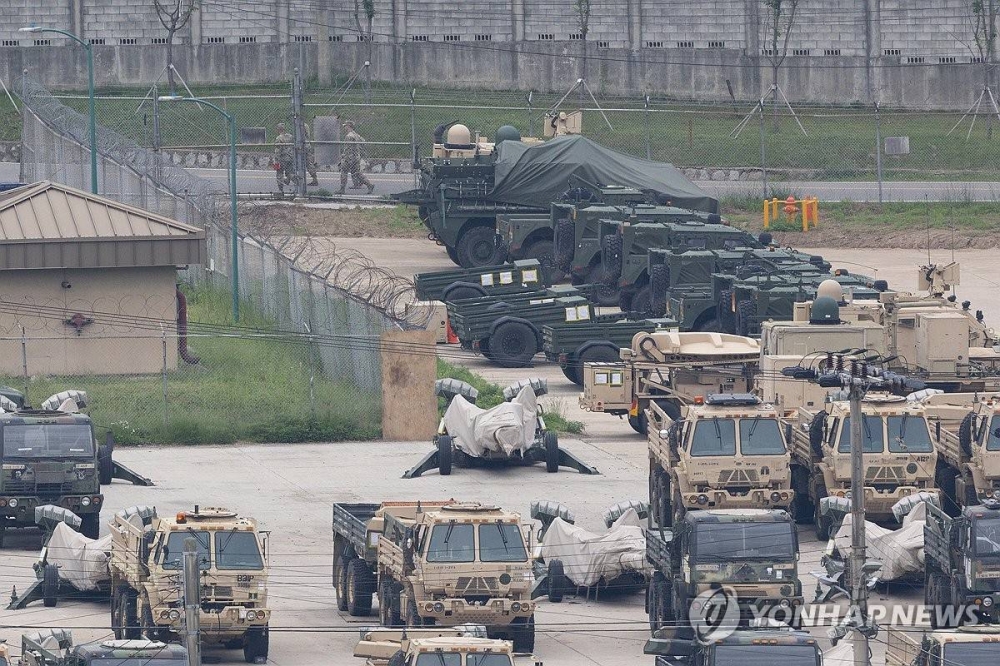
آليات عسكرية أمريكية في سول


تابع قناة عكاظ على الواتساب
«عكاظ» (جدة) okaz_online@
Reports have indicated that the administration of President Donald Trump is considering withdrawing about 4,500 troops from the 28,000-strong forces in South Korea and relocating them to other sites. However, Seoul reported today (Friday) that it has not held any discussions with the U.S. Department of Defense regarding the possibility of reducing the size of its forces stationed in the capital.
The South Korean Ministry of Defense stated that the American forces, which are considered a "core force" of the alliance between the two countries, have contributed to achieving peace and stability on the Korean Peninsula and in the region by maintaining a consistent defensive posture with the South Korean military and deterring North Korean invasions and provocations.
A spokesperson for the South Korean Ministry of Defense said that "there is nothing to announce regarding any potential reduction in the American forces present in South Korea."
For its part, the Wall Street Journal quoted Pentagon officials as saying that among the options being considered is the withdrawal of about 4,500 troops from South Korea, with their redeployment to other locations within the Indo-Pacific region, including Guam.
Two officials stated that this proposal is still being prepared for consideration by Trump as part of an informal review of the policy towards North Korea. They added that the proposal has not yet been submitted to the U.S. President's office and is one of several options currently being discussed by senior officials involved in this review.
The Pentagon spokesperson mentioned that there are no political announcements to present at this time, while the spokesperson for the U.S. National Security Council, Pete Nguyen, confirmed Trump's commitment to "the complete denuclearization of North Korea."
The Wall Street Journal anticipated that seriously considering the withdrawal of U.S. forces from Seoul would raise significant concerns in the Indo-Pacific region, as South Korea, along with Japan and the Philippines, relies on close coordination with U.S. forces to defend itself and demonstrate strength in a region that is becoming increasingly tense.
The newspaper noted that withdrawing forces from the Korean Peninsula while maintaining their presence in the region could alleviate Pentagon concerns about reducing military presence there, pointing out that Guam is a strategic hub for U.S. forces due to its proximity to potential hotspots and the difficulty of Chinese forces accessing it.
U.S. Defense Secretary Pete Hegseth revealed during his first official visit to Asia this year the desire of his country and its allies to "re-establish deterrence," pledging to make "an unprecedented shift in the strategic approach towards the region."
The South Korean Ministry of Defense stated that the American forces, which are considered a "core force" of the alliance between the two countries, have contributed to achieving peace and stability on the Korean Peninsula and in the region by maintaining a consistent defensive posture with the South Korean military and deterring North Korean invasions and provocations.
A spokesperson for the South Korean Ministry of Defense said that "there is nothing to announce regarding any potential reduction in the American forces present in South Korea."
For its part, the Wall Street Journal quoted Pentagon officials as saying that among the options being considered is the withdrawal of about 4,500 troops from South Korea, with their redeployment to other locations within the Indo-Pacific region, including Guam.
Two officials stated that this proposal is still being prepared for consideration by Trump as part of an informal review of the policy towards North Korea. They added that the proposal has not yet been submitted to the U.S. President's office and is one of several options currently being discussed by senior officials involved in this review.
The Pentagon spokesperson mentioned that there are no political announcements to present at this time, while the spokesperson for the U.S. National Security Council, Pete Nguyen, confirmed Trump's commitment to "the complete denuclearization of North Korea."
The Wall Street Journal anticipated that seriously considering the withdrawal of U.S. forces from Seoul would raise significant concerns in the Indo-Pacific region, as South Korea, along with Japan and the Philippines, relies on close coordination with U.S. forces to defend itself and demonstrate strength in a region that is becoming increasingly tense.
The newspaper noted that withdrawing forces from the Korean Peninsula while maintaining their presence in the region could alleviate Pentagon concerns about reducing military presence there, pointing out that Guam is a strategic hub for U.S. forces due to its proximity to potential hotspots and the difficulty of Chinese forces accessing it.
U.S. Defense Secretary Pete Hegseth revealed during his first official visit to Asia this year the desire of his country and its allies to "re-establish deterrence," pledging to make "an unprecedented shift in the strategic approach towards the region."


