


لا تزال قضية «التخصيب» تفجر خلافات بين واشنطن وطهران، ويبدو أنها باتت «عقدة العقد» في المفاوضات الجارية بين الطرفين، إذ ألمح وزير الخارجية الإيرانية عباس عراقجي إلى احتمالات تعليق المشاركة في الجولة المرتقبة. وقال إن طهران تدرس حالياً ما إذا كانت ستشارك في الجولة الخامسة من المفاوضات النووية مع واشنطن أم لا.
وتأتي تصريحات عراقجي، بعد تشكيك المرشد الإيراني علي خامنئي في جدوى المفاوضات، وإعلان وزير الخارجية الأمريكية ماركو روبيو أن واشنطن تسعى إلى اتفاق نووي مع طهران لا يتضمن تخصيبها لليورانيوم، وهو ما تصر إيران على أنه «حق غير قابل للتفاوض».
وأضاف عراقجي في تصريحات للصحفيين، اليوم (الأربعاء)، في طهران، أن بلاده قدمت ردوداً على ما وصفها بـ«المطالب غير المنطقية، والتصريحات الأمريكية غير الاعتيادية التي لا تساعد في الحوار»، وفق ما نقلت عنه وسائل إعلام إيرانية رسمية.
ووفق عراقجي، فإن طهران تدرس ما إذا كان يمكن عقد مفاوضات مفيدة في ذلك التاريخ والمكان أم لا، مجددا التأكيد على أن التخصيب سيستمر سواءً كان هناك اتفاق أم لا، ولكن إذا كانت الأطراف الأخرى ترغب في وجود شفافية بشأن البرنامج السلمي الإيراني، فنحن مستعدون. وشدد على ضرورة رفع العقوبات.
وقال وزير خارجية إيران: نحن ندرس حالياً ما إذا كنا سنشارك في الجولة القادمة من المفاوضات أم لا. سنواجه المطالب الزائدة على طاولة المفاوضات، لكننا لم نتخل أبداً عن الدبلوماسية.
وكان وزير الخارجية الأمريكية أفاد بأن إدارة الرئيس دونالد ترمب تعمل على التوصل إلى اتفاق يسمح لإيران بامتلاك برنامج نووي مدني دون تخصيب اليورانيوم، معتبراً أن التوصل إلى مثل هذا الاتفاق «لن يكون سهلاً».
وأضاف في جلسة استماع أمام لجنة العلاقات الخارجية بمجلس الشيوخ، الثلاثاء، أن الإدارة تقدم مخرجاً لإيران يساعدها على تحقيق الرخاء والسلام، لكن الأمر لن يكون سهلاً، هذه هي العملية التي ننخرط فيها الآن. وكشف روبيو أن المحادثات في هذه المرحلة تنصب على مسألة التخصيب؛ لأن إيران تُصر على الاحتفاظ بقدراتها على ذلك، لأنه يُعد جوهر القضية، وهو المسألة الأكثر خطورة.
وأوضح روبيو أن الموقف الإيراني يتمحور حول أن «التخصيب حق سيادي ومسألة كرامة وطنية»، لكن موقف واشنطن الثابت هو أنه «من الممكن لطهران أن تمتلك برنامجاً نووياً مدنياً، من دون أن تكون لها القدرة على التخصيب؛ لأن التخصيب في نهاية المطاف، يمكن أن يستخدم في إنتاج سلاح نووي، وهذا تهديد لا يمكن قبوله».
وزير خارجية إيران : ندرس المشاركة في الجولة الخامسة من المفاوضات
21 مايو 2025 - 15:57
|
آخر تحديث 21 مايو 2025 - 15:57
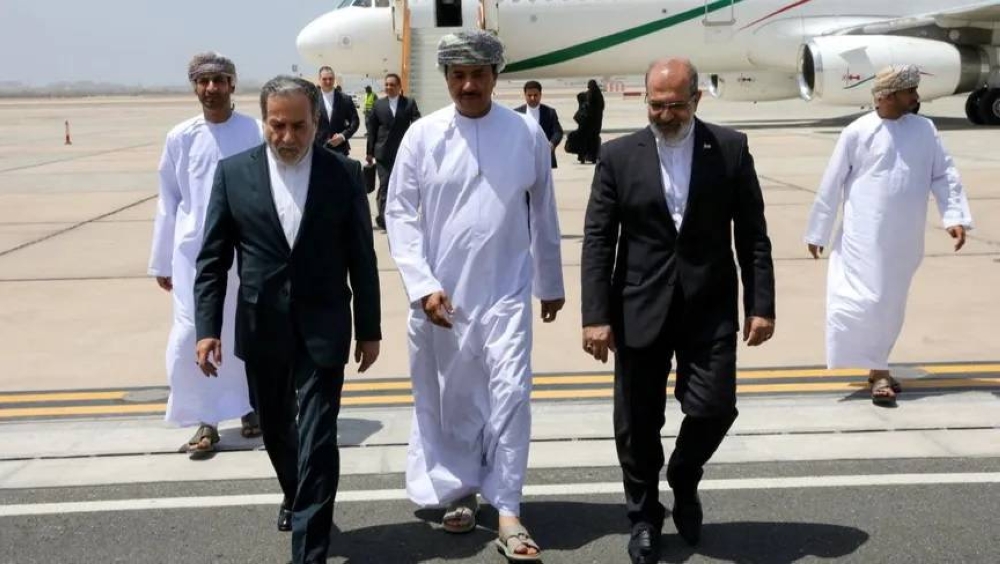
عراقجي خلال وصوله مسقط للمشاركة في الجولة الرابعة من المفاوضات النووية .


تابع قناة عكاظ على الواتساب
«عكاظ» (طهران، واشنطن) okaz_online@
The issue of "enrichment" continues to spark disagreements between Washington and Tehran, and it seems to have become the "sticking point" in the ongoing negotiations between the two sides. Iranian Foreign Minister Abbas Araghchi hinted at the possibility of suspending participation in the upcoming round. He stated that Tehran is currently considering whether to participate in the fifth round of nuclear negotiations with Washington or not.
Araghchi's remarks come after Iranian Supreme Leader Ali Khamenei expressed skepticism about the usefulness of the negotiations, and U.S. Secretary of State Marco Rubio announced that Washington is seeking a nuclear agreement with Tehran that does not include its uranium enrichment, which Iran insists is a "non-negotiable right."
In statements to reporters today (Wednesday) in Tehran, Araghchi added that his country has provided responses to what he described as "illogical demands and unusual American statements that do not help in dialogue," according to official Iranian media.
According to Araghchi, Tehran is considering whether it is possible to hold useful negotiations at that date and place or not, reiterating that enrichment will continue whether there is an agreement or not. However, if the other parties wish for transparency regarding Iran's peaceful program, we are ready. He emphasized the necessity of lifting sanctions.
The Iranian Foreign Minister said: We are currently studying whether we will participate in the upcoming round of negotiations or not. We will face the excessive demands at the negotiating table, but we have never abandoned diplomacy.
The U.S. Secretary of State indicated that the Trump administration is working towards an agreement that allows Iran to have a civilian nuclear program without uranium enrichment, considering that reaching such an agreement "will not be easy."
He added in a hearing before the Senate Foreign Relations Committee on Tuesday that the administration is offering Iran an exit that helps it achieve prosperity and peace, but it will not be easy; this is the process we are currently engaged in. Rubio revealed that discussions at this stage focus on the issue of enrichment because Iran insists on retaining its capabilities in that regard, as it is the crux of the matter and the most serious issue.
Rubio explained that the Iranian position revolves around the notion that "enrichment is a sovereign right and a matter of national dignity," but Washington's firm stance is that "Tehran can have a civilian nuclear program without the ability to enrich; because enrichment, ultimately, can be used to produce a nuclear weapon, and that is an unacceptable threat."
Araghchi's remarks come after Iranian Supreme Leader Ali Khamenei expressed skepticism about the usefulness of the negotiations, and U.S. Secretary of State Marco Rubio announced that Washington is seeking a nuclear agreement with Tehran that does not include its uranium enrichment, which Iran insists is a "non-negotiable right."
In statements to reporters today (Wednesday) in Tehran, Araghchi added that his country has provided responses to what he described as "illogical demands and unusual American statements that do not help in dialogue," according to official Iranian media.
According to Araghchi, Tehran is considering whether it is possible to hold useful negotiations at that date and place or not, reiterating that enrichment will continue whether there is an agreement or not. However, if the other parties wish for transparency regarding Iran's peaceful program, we are ready. He emphasized the necessity of lifting sanctions.
The Iranian Foreign Minister said: We are currently studying whether we will participate in the upcoming round of negotiations or not. We will face the excessive demands at the negotiating table, but we have never abandoned diplomacy.
The U.S. Secretary of State indicated that the Trump administration is working towards an agreement that allows Iran to have a civilian nuclear program without uranium enrichment, considering that reaching such an agreement "will not be easy."
He added in a hearing before the Senate Foreign Relations Committee on Tuesday that the administration is offering Iran an exit that helps it achieve prosperity and peace, but it will not be easy; this is the process we are currently engaged in. Rubio revealed that discussions at this stage focus on the issue of enrichment because Iran insists on retaining its capabilities in that regard, as it is the crux of the matter and the most serious issue.
Rubio explained that the Iranian position revolves around the notion that "enrichment is a sovereign right and a matter of national dignity," but Washington's firm stance is that "Tehran can have a civilian nuclear program without the ability to enrich; because enrichment, ultimately, can be used to produce a nuclear weapon, and that is an unacceptable threat."


