


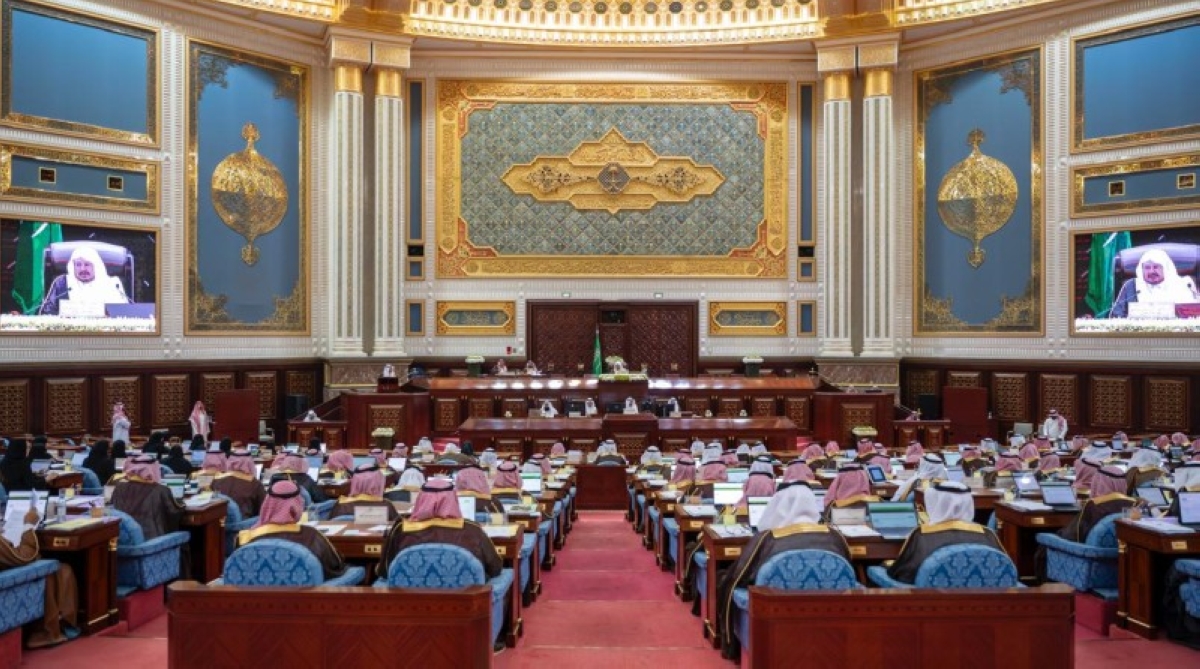
أصدر مجلس الشورى قراراً بشأن ما تضمنه التقرير السنوي لصندوق التنمية الثقافي، طالب فيه الصندوق باستحداث مؤشرات؛ لقياس أداء المنشآت المستفيدة من التمويل، ودعا إلى دراسة إنشاء برنامج تمويلي إستراتيجي؛ لتطوير البنية التحتية الثقافية في المناطق ذات الاحتياج ضمن منظومة استثمارية تسهم في تنويع مصادر التمويل، وتحقق استدامة الأثر وتوازنه.
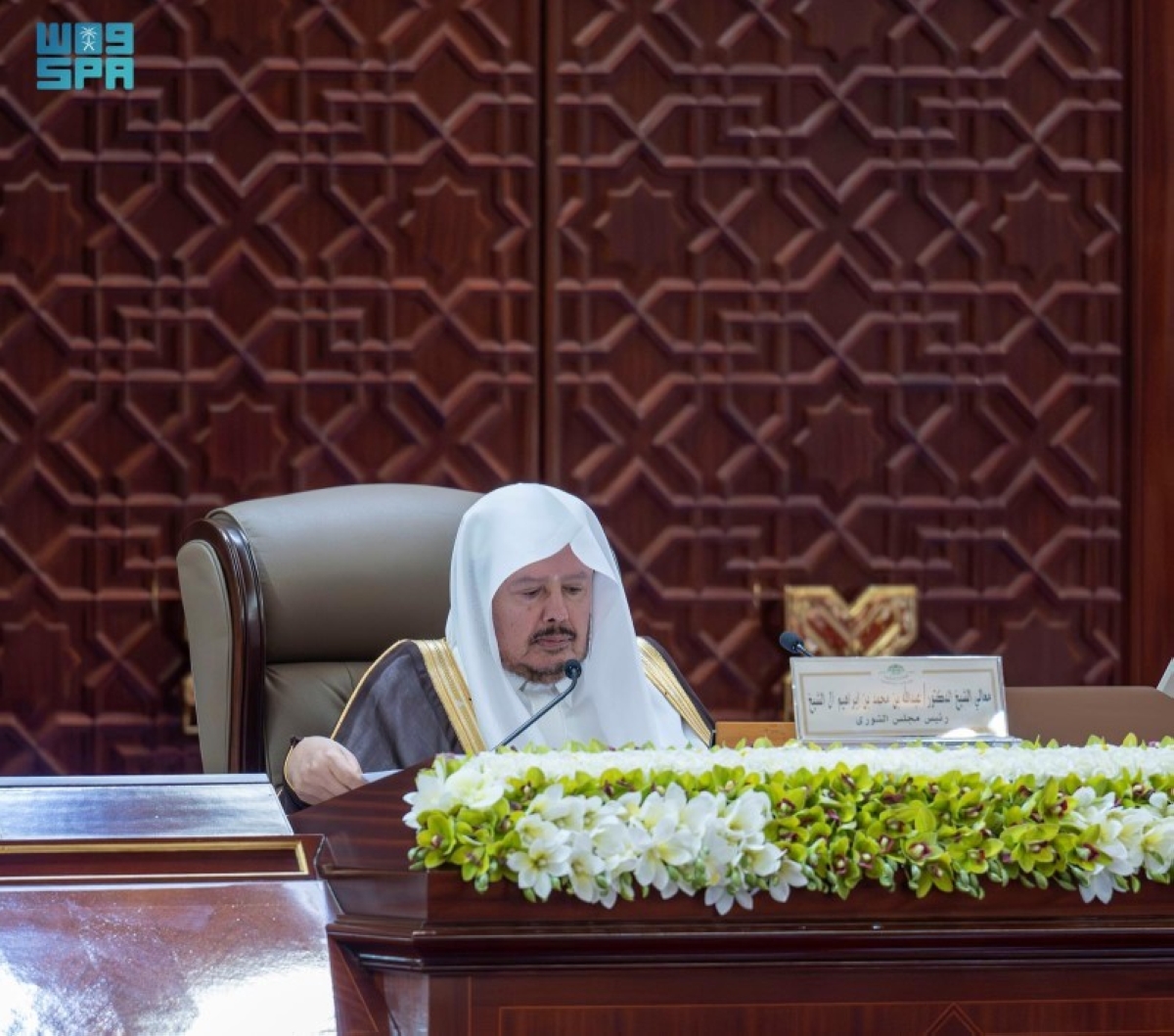
وطالب المجلس في جلسته العادية الخامسة من أعمال السنة الثانية للدورة التاسعة المنعقدة برئاسة رئيس المجلس الشيخ الدكتور عبدالله بن محمد بن إبراهيم آل الشيخ صندوق التنمية العقارية بتطوير مؤشرات الأداء؛ بما يتلاءم مع مستهدفات وأنشطة الصندوق، داعياً إلى مراجعة البرامج التمويلية التي يقل عليها الإقبال من قبل الفئات المستهدفة، مطالباً بالتنسيق مع الجهات ذات العلاقة؛ لتوسيع نطاق برامج الإسكان التنموي.
وناقش التقرير السنوي لصندوق تنمية الموارد البشرية، وأبدى أعضاء المجلس عدداً من الملحوظات والآراء. وطالب عضو المجلس الدكتور فهد التخيفي بتطوير برامج دعم توظيف السعوديين الحالية لتنسجم مع التغيرات في سوق العمل وتحدياته وتعدد المتطلبات التشغيلية على المنشآت الصغيرة والمتوسطة. ودعا عضو المجلس الدكتور تركي العنزي بدراسة إمكانية إطلاق برامج تعليمية منتهية بالتوظيف، لضمان تأهيل الشباب السعودي واستدامة الفرص الوظيفية. كما طالب عضو المجلس الدكتور عثمان حكمي بإطلاق مبادرة لتأهيل الخريجين للعمل في الشركات العالمية ذات المقرات الإقليمية بالمملكة، من خلال برامج تدريبية نوعية وربطهم باحتياجات هذه الشركات، بما يعزز تنافسية الكفاءات الوطنية في سوق العمل.
وناقش المجلس التقرير السنوي لبنك المنشآت الصغيرة والمتوسطة. وطالب عضو المجلس الدكتور راشد الشريف البنك بضرورة زيادة الدعم للمنشآت في المناطق، والعمل على تنميتها من خلال توفير الحلول والخدمات والمنتجات التمويلية المناسبة لها، لتحقيق تنمية متوازنة وشاملة.
وناقش المجلس التقرير السنوي لصندوق التنمية السياحي. ودعا عضو المجلس الدكتور حسن آل مصلوم صندوق التنمية السياحي إلى مراجعة محفظة مشاريعه التنموية، ووضع خطة لتعزيز مركزه المالي وتحسين كفاءته التمويلية. وفي سياق المداخلات على التقرير طالب عضو المجلس الدكتور صالح الشمراني بزيادة جهوده في توظيف التقنيات الحديثة وتقديم حملات دعائية إبداعية ونوعية، بما يواكب النهضة السياحية في المملكة.
=============
النجار لبنك المنشآت: كفاءة الإقراض رهن التحليل الائتماني
دعا عضو المجلس الدكتور عبدالله بن عمر النجار بنك المنشآت الصغيرة والمتوسطة، إلى تعزيز دقة وعمق التحليل الائتماني، في ظل محدودية البيانات المالية التقليدية المتاحة لدى العديد من المنشآت الصغيرة والمتوسطة. وتطلع إلى أن يعمل البنك وبطريقة ابتكارية إبداعية على تطوير نماذج تحليل ائتماني أكثر تقدماً تعتمد على الذكاء الاصطناعي وتحليل البيانات السلوكية وغير المالية، ما يعزز كفاءة الإقراض ويقلل مخاطر التعثر، ويدعم وصول المنشآت الصغيرة والمتوسطة إلى التمويل المستدام، مع مراعاة مؤشرات واقعية مثل انتظام التعاملات الرقمية، وسلوك السداد، ومستوى الحوكمة الداخلية، وطبيعة التفاعل مع سلاسل التوريد، مستفيدا في ذلك من ثورة المعلومات والتطور في استخدام الذكاء الاصطناعي (AI) في العمليات الإدارية والمالية، وإنشاء نظام وطني موحد لتقييم الجدارة الائتمانية للمنشآت الصغيرة والمتوسطة، بالتعاون مع البنك المركزي وهيئة «منشآت».
دعا صندوق التنمية العقارية لتوسيع الإسكان التنموي
«الشورى» يطالب الصندوق الثقافي باستحداث مؤشرات لقياس أداء التمويل
13 أكتوبر 2025 - 23:08
|
آخر تحديث 13 أكتوبر 2025 - 23:08


تابع قناة عكاظ على الواتساب
علي الرباعي (الباحة)
The Shura Council issued a decision regarding the annual report of the Cultural Development Fund, in which it called for the fund to establish indicators to measure the performance of the entities benefiting from the financing. It also urged the study of creating a strategic financing program to develop the cultural infrastructure in areas in need within an investment system that contributes to diversifying funding sources and achieving sustainable impact and balance.
The council demanded, in its fifth regular session of the second year of the ninth term, chaired by the council president Sheikh Dr. Abdullah bin Mohammed bin Ibrahim Al Sheikh, that the Real Estate Development Fund develop performance indicators that align with the fund's targets and activities. It called for a review of the financing programs that are less popular among the targeted groups, urging coordination with relevant entities to expand the scope of developmental housing programs.
The annual report of the Human Resources Development Fund was discussed, and council members expressed several observations and opinions. Council member Dr. Fahd Al-Takheefi called for the development of current support programs for the employment of Saudis to align with changes in the labor market and its challenges, as well as the diverse operational requirements for small and medium enterprises. Council member Dr. Turki Al-Anzi called for studying the possibility of launching educational programs that end with employment to ensure the qualification of Saudi youth and the sustainability of job opportunities. Council member Dr. Othman Hakami also called for launching an initiative to qualify graduates to work in global companies with regional headquarters in the Kingdom through specialized training programs and linking them to the needs of these companies, enhancing the competitiveness of national competencies in the labor market.
The council discussed the annual report of the Small and Medium Enterprises Bank. Council member Dr. Rashid Al-Sharif urged the bank to increase support for enterprises in the regions and work on their development by providing appropriate solutions, services, and financing products to achieve balanced and comprehensive development.
The council discussed the annual report of the Tourism Development Fund. Council member Dr. Hassan Al-Masloom called on the Tourism Development Fund to review its portfolio of developmental projects and to develop a plan to enhance its financial position and improve its financing efficiency. In the context of the discussions on the report, council member Dr. Saleh Al-Shamrani called for increasing efforts to employ modern technologies and to provide creative and qualitative advertising campaigns that keep pace with the tourism renaissance in the Kingdom.
=============
Al-Najjar to the Enterprises Bank: Lending efficiency depends on credit analysis
Council member Dr. Abdullah bin Omar Al-Najjar called on the Small and Medium Enterprises Bank to enhance the accuracy and depth of credit analysis, given the limited traditional financial data available to many small and medium enterprises. He expressed hope that the bank would work in an innovative and creative manner to develop more advanced credit analysis models based on artificial intelligence and the analysis of behavioral and non-financial data, which would enhance lending efficiency, reduce default risks, and support small and medium enterprises in accessing sustainable financing, taking into account realistic indicators such as the regularity of digital transactions, repayment behavior, the level of internal governance, and the nature of interaction with supply chains, benefiting from the information revolution and advancements in the use of artificial intelligence (AI) in administrative and financial operations, and establishing a unified national system for assessing the creditworthiness of small and medium enterprises, in cooperation with the central bank and the "Monsha'at" authority.
The council demanded, in its fifth regular session of the second year of the ninth term, chaired by the council president Sheikh Dr. Abdullah bin Mohammed bin Ibrahim Al Sheikh, that the Real Estate Development Fund develop performance indicators that align with the fund's targets and activities. It called for a review of the financing programs that are less popular among the targeted groups, urging coordination with relevant entities to expand the scope of developmental housing programs.
The annual report of the Human Resources Development Fund was discussed, and council members expressed several observations and opinions. Council member Dr. Fahd Al-Takheefi called for the development of current support programs for the employment of Saudis to align with changes in the labor market and its challenges, as well as the diverse operational requirements for small and medium enterprises. Council member Dr. Turki Al-Anzi called for studying the possibility of launching educational programs that end with employment to ensure the qualification of Saudi youth and the sustainability of job opportunities. Council member Dr. Othman Hakami also called for launching an initiative to qualify graduates to work in global companies with regional headquarters in the Kingdom through specialized training programs and linking them to the needs of these companies, enhancing the competitiveness of national competencies in the labor market.
The council discussed the annual report of the Small and Medium Enterprises Bank. Council member Dr. Rashid Al-Sharif urged the bank to increase support for enterprises in the regions and work on their development by providing appropriate solutions, services, and financing products to achieve balanced and comprehensive development.
The council discussed the annual report of the Tourism Development Fund. Council member Dr. Hassan Al-Masloom called on the Tourism Development Fund to review its portfolio of developmental projects and to develop a plan to enhance its financial position and improve its financing efficiency. In the context of the discussions on the report, council member Dr. Saleh Al-Shamrani called for increasing efforts to employ modern technologies and to provide creative and qualitative advertising campaigns that keep pace with the tourism renaissance in the Kingdom.
=============
Al-Najjar to the Enterprises Bank: Lending efficiency depends on credit analysis
Council member Dr. Abdullah bin Omar Al-Najjar called on the Small and Medium Enterprises Bank to enhance the accuracy and depth of credit analysis, given the limited traditional financial data available to many small and medium enterprises. He expressed hope that the bank would work in an innovative and creative manner to develop more advanced credit analysis models based on artificial intelligence and the analysis of behavioral and non-financial data, which would enhance lending efficiency, reduce default risks, and support small and medium enterprises in accessing sustainable financing, taking into account realistic indicators such as the regularity of digital transactions, repayment behavior, the level of internal governance, and the nature of interaction with supply chains, benefiting from the information revolution and advancements in the use of artificial intelligence (AI) in administrative and financial operations, and establishing a unified national system for assessing the creditworthiness of small and medium enterprises, in cooperation with the central bank and the "Monsha'at" authority.


