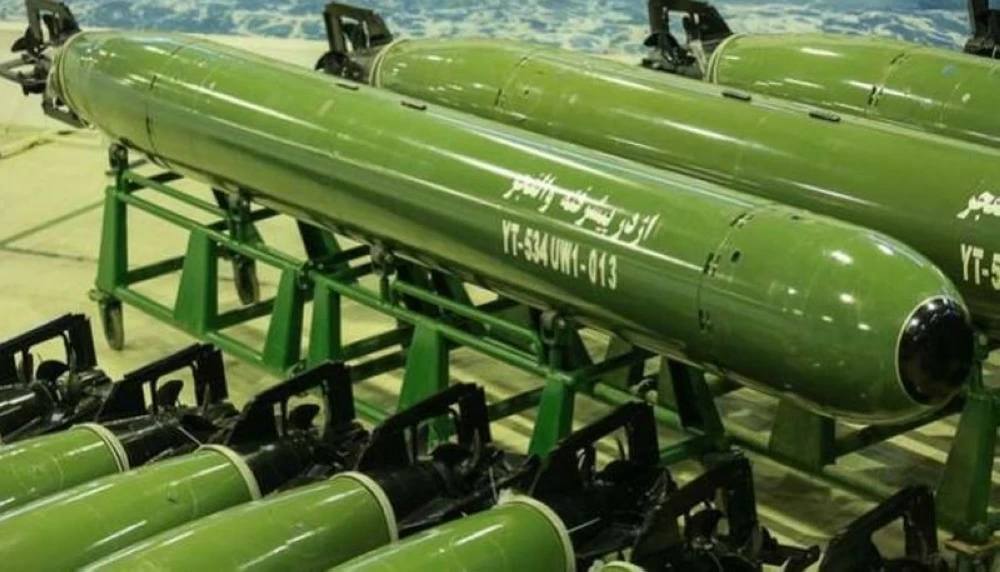
كشفت دوائر عسكرية في إسرائيل عن هوية السلاح الذي تعتقد أن طهران تراهن عليه لمواجهة حاملات الطائرات الأمريكية المنتشرة في المنطقة، في ظل تصاعد التوتر البحري بين واشنطن وطهران. وبحسب موقع «نتسيف» العبري، فإن التقديرات تشير إلى أن طوربيد «الحوت» فائق السرعة هو المقصود في تهديدات المرشد الإيراني علي خامنئي الأخيرة.
تهديد متزامن مع وصول حاملات الطائرات
جاء التحليل الإسرائيلي متزامناً مع وصول حاملتَي الطائرات الأمريكيتين USS Abraham Lincoln وUSS Gerald R. Ford إلى الشرق الأوسط. وكان خامنئي قد صرّح بأن «السلاح القادر على إغراق السفينة أخطر من السفينة نفسها»، معتبراً أن حاملة الطائرات «خطيرة بالفعل، لكن الأخطر منها هو السلاح الذي يستطيع إغراقها في قاع البحر».
ورأت مصادر إسرائيلية أن الإشارة تحمل دلالة واضحة على سلاح «غير متكافئ» يهدف إلى تحييد التفوق البحري الأمريكي.
«الحوت».. نسخة مطوّرة من «شكفال»
بحسب التقديرات العبرية، فإن طوربيد «الحوت» يُعد أحد أبرز عناصر استراتيجية البحرية الإيرانية، ويُعتقد أنه نسخة معدلة من الطوربيد الروسي VA-111 Shkval.
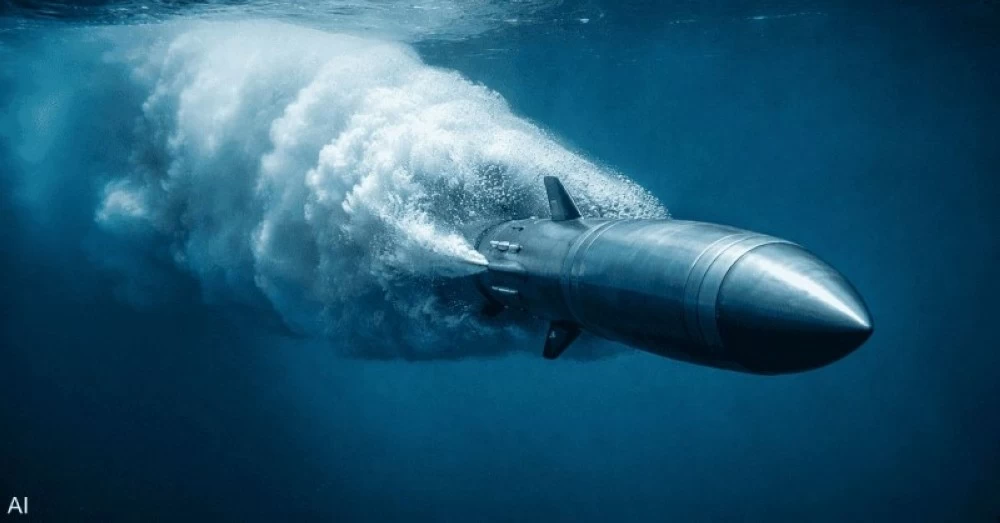
ويعمل الطوربيد بتقنية «التجويف الفائق»، إذ يتحرك داخل فقاعة غازية تقلل الاحتكاك بالماء إلى حد كبير، ما يمنحه سرعة تصل إلى نحو 360 كيلومتراً في الساعة، أي أكثر من أربعة أضعاف سرعة الطوربيدات التقليدية. ويعتمد على محرك صاروخي يعمل بالوقود الصلب، ويمكن إطلاقه من غواصات أو سفن سطحية، ويُزوّد برأس حربية تزن نحو 210 كيلوغرامات.
سرعة قاتلة.. ومدى محدود
ترى التقييمات الإسرائيلية أن سرعة «الحوت» الهائلة تقلص زمن رد الفعل لدى السفن المستهدفة، ما يصعّب اعتراضه أو التشويش عليه، خصوصاً في حال إطلاقه من مسافة قريبة. في المقابل، يشير التقرير إلى تحديات مرتبطة بمداه الذي يراوح بين 10 و50 كيلومتراً، إضافة إلى صعوبات التوجيه نتيجة الضوضاء العالية المصاحبة لحركته داخل الفقاعة الغازية.
ويأتي تسليط الضوء على هذا الطوربيد في سياق احتدام المواجهة غير المباشرة بين واشنطن وطهران، وسط تعزيز أمريكي للحضور البحري في المنطقة، ومخاوف من انزلاق التوتر إلى مواجهة مفتوحة في مياه الخليج.
Military circles in Israel have revealed the identity of the weapon that they believe Tehran is betting on to confront the American aircraft carriers deployed in the region, amid escalating maritime tensions between Washington and Tehran. According to the Hebrew site "Netsiv," estimates indicate that the high-speed "Hoot" torpedo is what was referred to in the recent threats made by Iranian Supreme Leader Ali Khamenei.
Threat Coinciding with the Arrival of Aircraft Carriers
The Israeli analysis coincided with the arrival of the two American aircraft carriers USS Abraham Lincoln and USS Gerald R. Ford in the Middle East. Khamenei had stated that "the weapon capable of sinking the ship is more dangerous than the ship itself," considering that the aircraft carrier "is indeed dangerous, but what is more dangerous is the weapon that can sink it to the bottom of the sea."
Israeli sources viewed this reference as a clear indication of an "asymmetrical" weapon aimed at neutralizing American naval superiority.
"Hoot"… An Upgraded Version of "Shkval"
According to Hebrew estimates, the "Hoot" torpedo is considered one of the most prominent elements of the Iranian naval strategy, and it is believed to be a modified version of the Russian VA-111 Shkval torpedo.
The torpedo operates using "supercavitation" technology, moving within a gas bubble that significantly reduces water friction, allowing it to reach speeds of about 360 kilometers per hour, which is more than four times the speed of conventional torpedoes. It relies on a solid-fuel rocket engine and can be launched from submarines or surface ships, equipped with a warhead weighing about 210 kilograms.
Deadly Speed… and Limited Range
Israeli assessments indicate that the immense speed of the "Hoot" reduces the reaction time for targeted ships, making it difficult to intercept or jam, especially if launched from a close distance. Conversely, the report points to challenges related to its range, which varies between 10 and 50 kilometers, in addition to guidance difficulties due to the high noise associated with its movement within the gas bubble.
The spotlight on this torpedo comes amid the intensifying indirect confrontation between Washington and Tehran, alongside an American reinforcement of naval presence in the region, and fears of escalating tensions into an open confrontation in the Gulf waters.