تواصل المملكة بناء نموذج إنساني متكامل في رعاية الأيتام مجهولي الأبوين، يعكس التزامها الراسخ بتحقيق العدالة الاجتماعية وصون الكرامة الإنسانية، ضمن منظومة حماية شاملة تستند إلى رؤية السعودية 2030 التي جعلت الإنسان محور التنمية وغايتها.
ووفق تقرير صادر عن وزارة الموارد البشرية والتنمية الاجتماعية (اطلعت عليه «عكاظ»)، تبنت الوزارة حزمة مبادرات وبرامج نوعية تستهدف تمكين الأيتام مجهولي الأبوين وتعزيز استقلاليتهم السكنية والأسرية والاجتماعية.
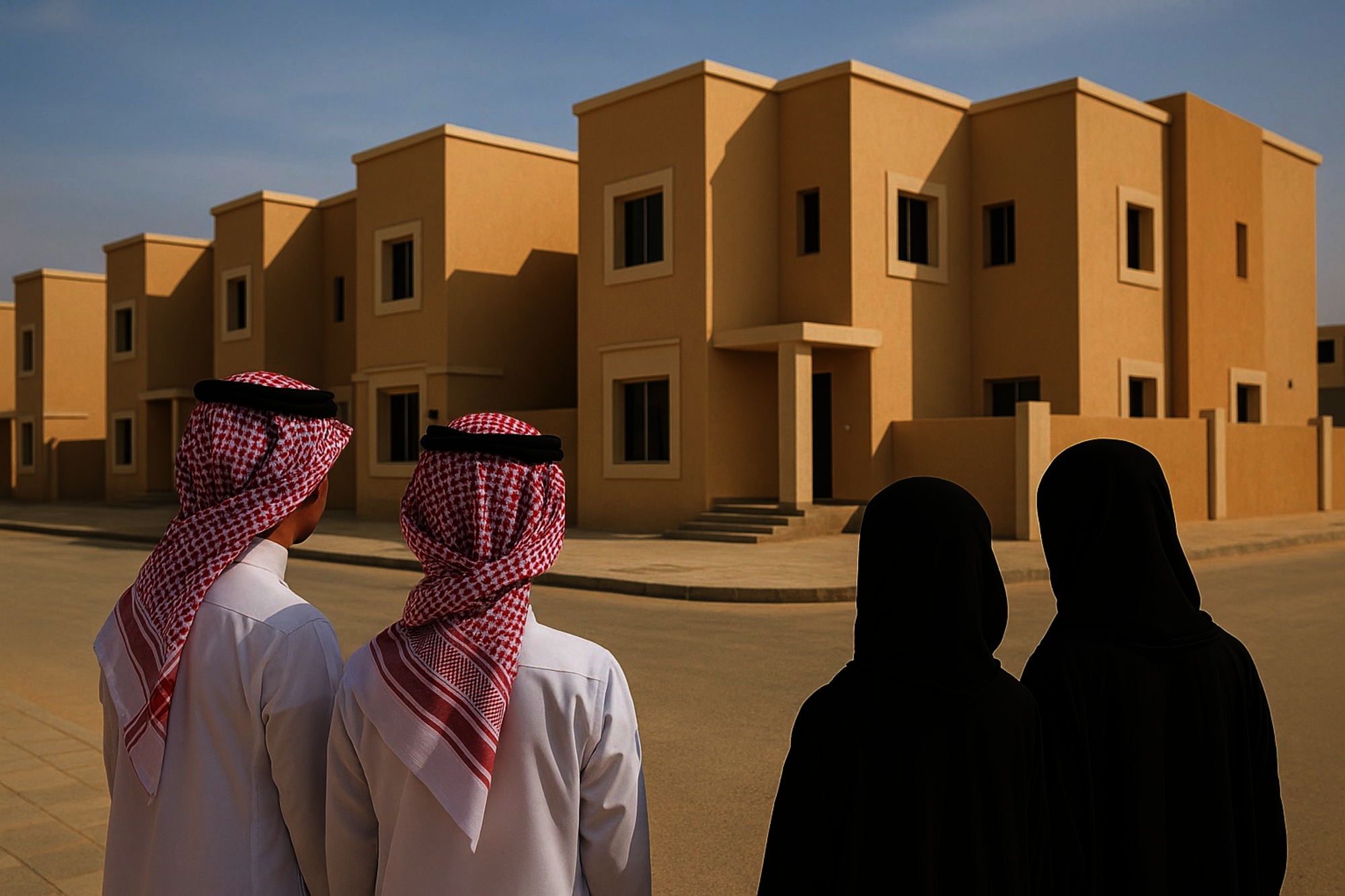
وأطلقت الوزارة مبادرة روافد، بالتعاون مع وزارة الإسكان، لتوفير وحدات سكنية مخصصة للأيتام مجهولي الأبوين، إذ جرى تمكين 144 مستفيدا من أصل 183 مستهدفا لعام 2024، بما يعزز الاستقرار المعيشي ويمنح المستفيدين بيئة سكنية تحفظ خصوصيتهم وتدعم اندماجهم في المجتمع.
وفعّلت الوزارة برنامج إسناد الرعاية إلى أسر مؤهلة بالشراكة مع القطاع غير الربحي، بعد تأهيل وتدريب الأسر الحاضنة لضمان تقديم رعاية متكاملة تراعي الجوانب النفسية والاجتماعية للأبناء، وتسهم في خفض تكاليف الرعاية وتحسين جودة الخدمات المقدمة.
واعتمدت الوزارة اللائحة التنفيذية لنظام حماية الطفل ونظام الحماية من الإيذاء بموجب المرسوم الملكي رقم (م/72)، لتعزيز البيئة القانونية الداعمة وضمان حماية الأيتام من أي ممارسات مسيئة أو انتهاك لحقوقهم، بما يكرّس العدالة والإنصاف في أنظمة الحماية الاجتماعية.
وشغّلت الوزارة 12 بيتا اجتماعيا لرعاية الأيتام مجهولي الأبوين وذوي الظروف الخاصة، بالتعاون مع القطاعين العام والخاص، مع تطبيق مؤشرات أداء لقياس جودة الخدمات وضمان كفاءة التشغيل وتحقيق رضا المستفيدين.
وحققت الوزارة مستهدف 100% في برامج الاحتضان، وربطت منظومة الرعاية إلكترونيا مع وزارات العدل والصحة والداخلية، لتأمين متابعة دقيقة وتنسيق مؤسسي شامل بين الجهات ذات العلاقة، ما يضمن استدامة الرعاية واستمرارية الدعم.
وأكد التقرير أن هذه الجهود تمثل تحولا نوعيا في مفهوم رعاية الأيتام مجهولي الأبوين، إذ تنقلهم من الرعاية التقليدية إلى التمكين الاجتماعي المستدام، وتُجسّد التزام الدولة برعاية الإنسان منذ طفولته الأولى وحتى استقلاله، ليكون فاعلا ومنتجا في مجتمعه.
The Kingdom continues to build a comprehensive humanitarian model for the care of orphans without parental identity, reflecting its steadfast commitment to achieving social justice and preserving human dignity, within a comprehensive protection system based on Saudi Vision 2030, which places the individual at the center of development and its goal.
According to a report issued by the Ministry of Human Resources and Social Development (which "Okaz" reviewed), the ministry has adopted a package of initiatives and qualitative programs aimed at empowering orphans without parental identity and enhancing their residential, familial, and social independence.
The ministry launched the "Rawafed" initiative, in collaboration with the Ministry of Housing, to provide housing units specifically for orphans without parental identity, with 144 beneficiaries enabled out of a targeted 183 for the year 2024, thereby enhancing living stability and providing beneficiaries with a residential environment that preserves their privacy and supports their integration into society.
The ministry activated the care support program for qualified families in partnership with the non-profit sector, after qualifying and training foster families to ensure the provision of comprehensive care that considers the psychological and social aspects of the children, contributing to reducing care costs and improving the quality of services provided.
The ministry approved the executive regulations for the Child Protection System and the Protection from Abuse System under Royal Decree No. (M/72), to enhance the supportive legal environment and ensure the protection of orphans from any abusive practices or violations of their rights, thereby establishing justice and fairness in social protection systems.
The ministry has operated 12 social homes for the care of orphans without parental identity and those with special circumstances, in collaboration with the public and private sectors, implementing performance indicators to measure service quality and ensure operational efficiency and beneficiary satisfaction.
The ministry achieved a target of 100% in foster care programs and electronically linked the care system with the Ministries of Justice, Health, and Interior, to ensure precise follow-up and comprehensive institutional coordination among relevant parties, guaranteeing the sustainability of care and continuity of support.
The report confirmed that these efforts represent a qualitative shift in the concept of caring for orphans without parental identity, moving them from traditional care to sustainable social empowerment, and embodying the state's commitment to caring for individuals from their earliest childhood until their independence, enabling them to be active and productive members of their community.