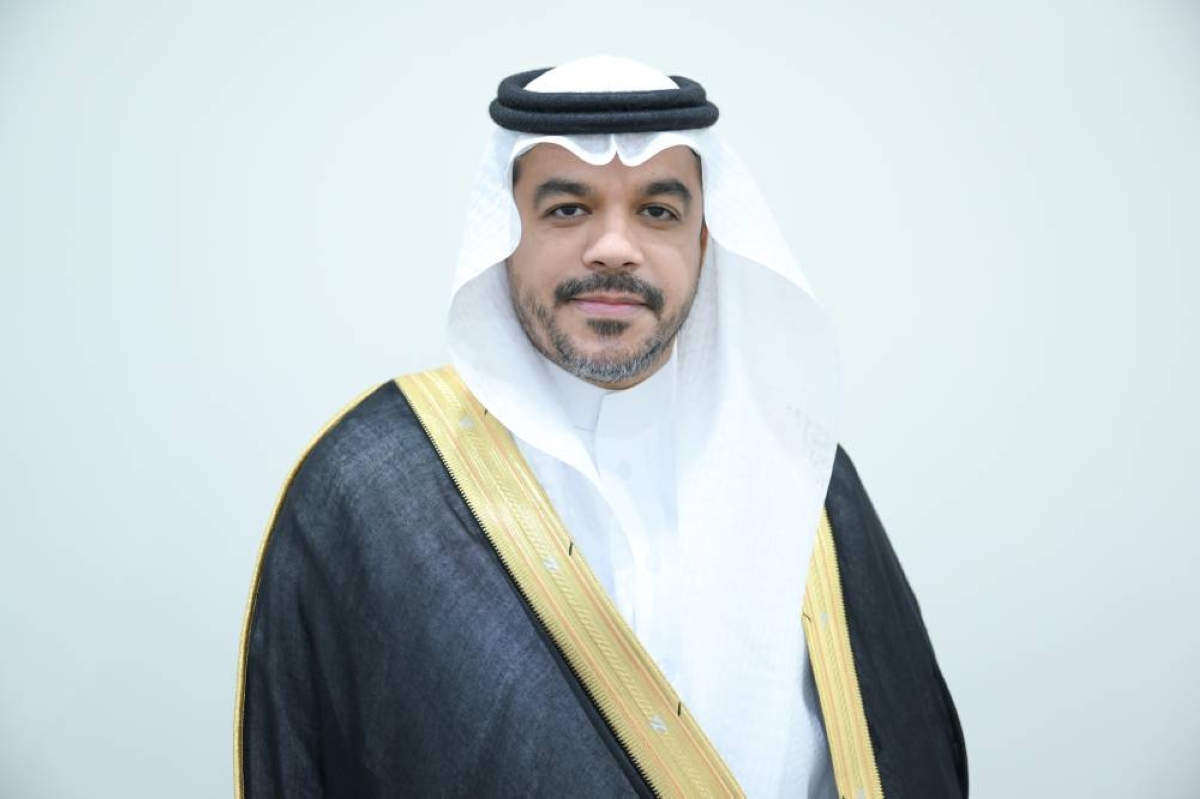
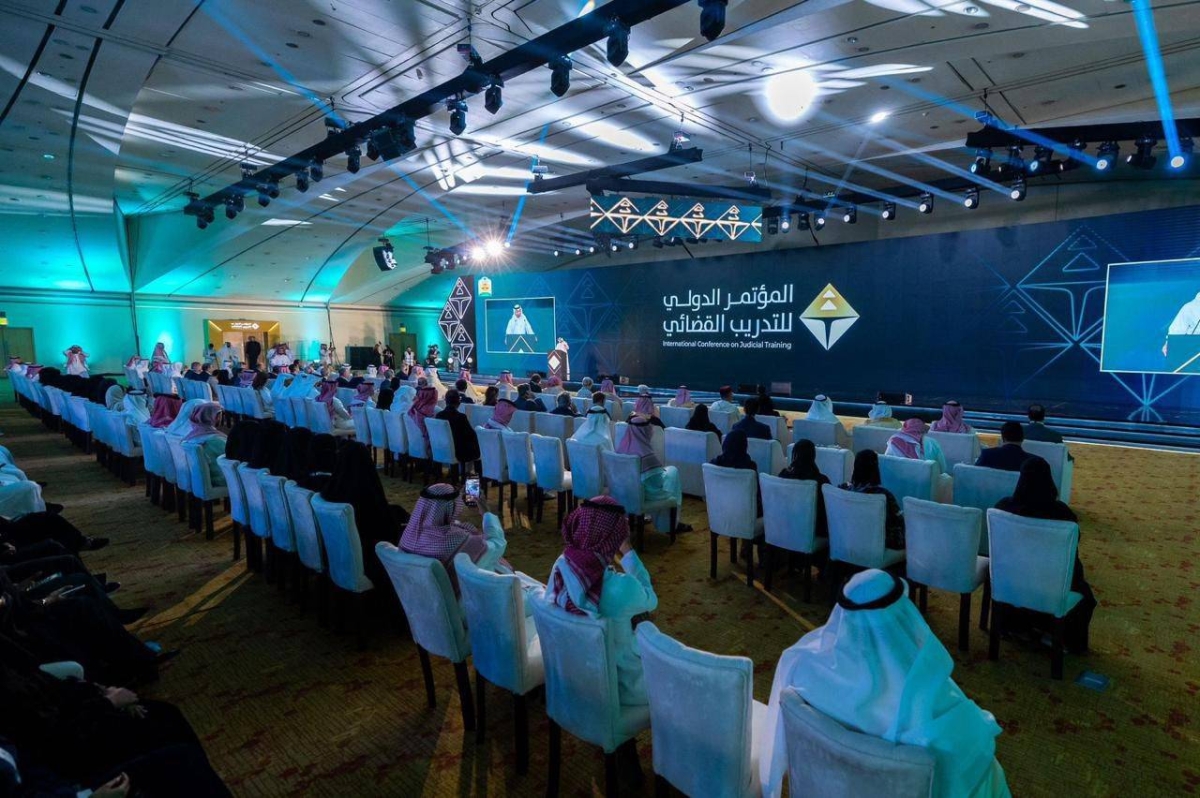
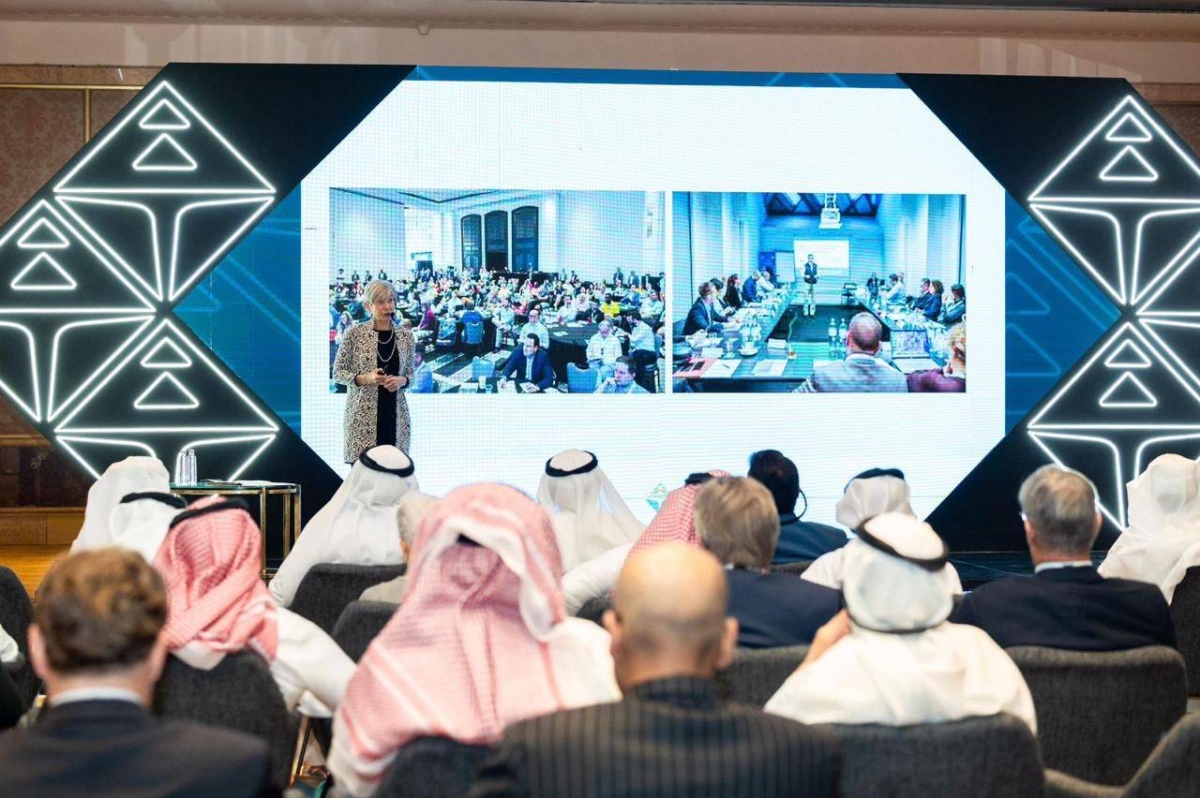
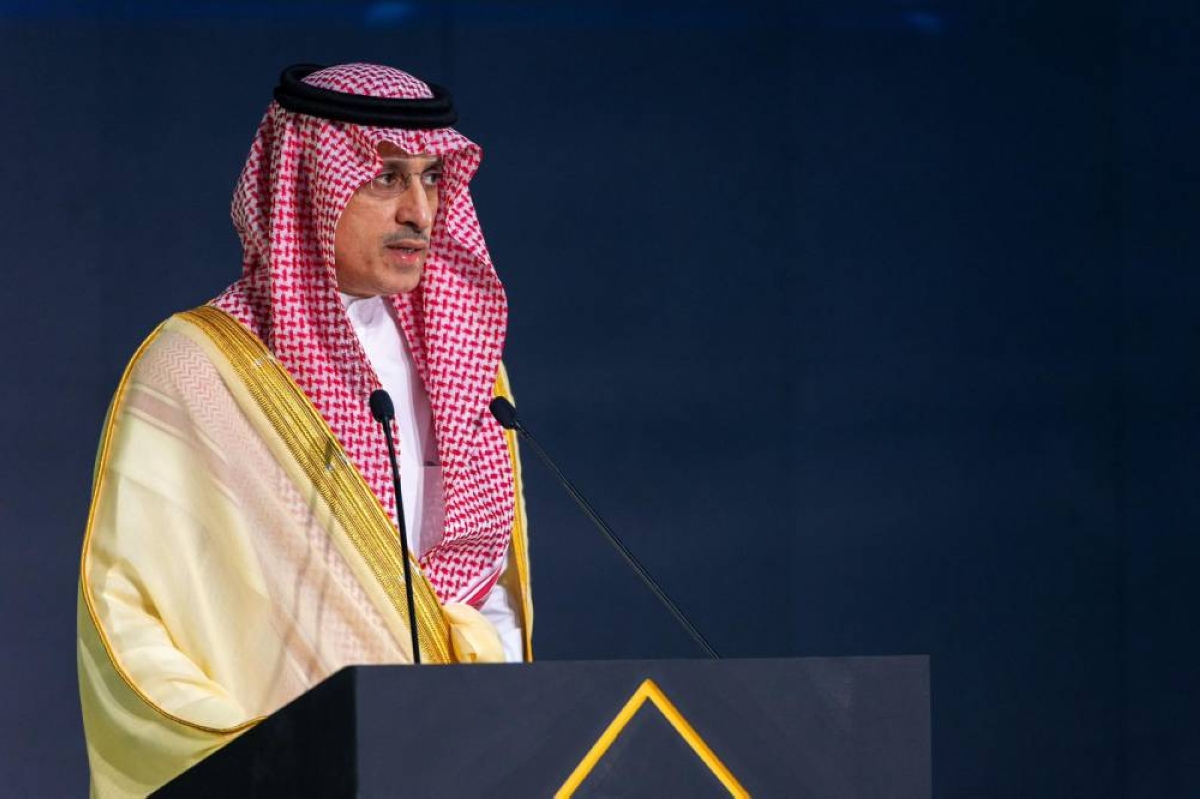
تحت رعاية وزير العدل الدكتور وليد الصمعاني، افتتح نائبه الدكتور نجم عبدالله الزيد، أمس (الأحد)، أعمال المؤتمر الدولي الثاني للتدريب القضائي الذي تنظمه وزارة العدل، ممثلة في مركز التدريب العدلي، تحت شعار «التميز في التدريب القضائي.. الابتكار في الأدوات والمنهجيات»، بحضور نخبة من المتخصصين والقانونيين من مختلف أنحاء العالم.
وأكد نائب وزير العدل في الكلمة الافتتاحية أن المملكة تعيش نهضة تشريعية رائدة يقودها ولي العهد رئيس مجلس الوزراء الأمير محمد بن سلمان بن عبدالعزيز لترسيخ استقرار المبادئ القانونية وضمان الحقوق وتعزيز الشفافية وزيادة اليقين القانوني، لافتاً إلى أنه في إطار هذه النهضة أُطلقت منظومة متكاملة من التشريعات المتخصصة المتوافقة مع تطلعات رؤية السعودية 2030.
وأضاف أن النجاح، الذي حققه المؤتمر الدولي الأول للتدريب القضائي العام الماضي وبشراكة دولية مميزة، كان دافعاً كبيراً للاستمرار في عقد المؤتمر الدولي؛ ليكون منصة عالمية لتبادل الخبرات واستعراض أحدث الممارسات ومناقشة التطورات المتسارعة في التدريب والتأهيل القضائي والقانوني بمشاركة نخبة من القضاة والخبراء والمتخصصين والباحثين من مختلف دول العالم.
وأفاد الدكتور الزيد أن وزارة العدل عملت على ترسيخ الجودة في العمل القانوني والقضائي، وتعزيز كفاءة المنظومة العدلية، و«جعلت التدريب والتأهيل وإدارة المعرفة القانونية أدوات رئيسة لتحقيق هذه الغاية، إذ لا تكتمل منظومة العدالة إلا بكوادر مؤهلة تجمع بين عمق المعرفة وخبرة الممارسة، وتلتزم بأعلى معايير المهنية والأخلاقية؛ لذا كان مركز التدريب العدلي متخصصاً في إعداد وتأهيل كوادر المنظومة العدلية والقانونية.
ونوه بأن مركز التدريب العدلي يواصل برامجه لتأهيل القضاة وتدريب جميع أفراد المنظومة العدلية من محامين ومساعدين قضائيين وموثقين ومصلحين ومقدمي خدمات التنفيذ، مؤكداً أنه يسعى من خلال هذا المؤتمر إلى الوصول إلى نموذج تدريب قضائي متكامل يواكب التطورات ويعمل بانسجام مع بقية الممكنات والأدوات الداعمة.
المؤتمر الدولي الثاني للتدريب القضائي
220,000 مقعد تدريبي
المدير العام لمركز التدريب العدلي الدكتور محمد الشلفان أكد أنه خلال عام 2024 نفّذَ المركزُ أكثرَ من 4,800 دورةٍ تدريبية، وفّر من خلالِها أكثرَ من 220 ألفَ مقعدٍ تدريبيٍّ بزيادةٍ قدرها 55% عن العامِ السابق، لافتاً إلى أنه استفادَ منها مختلفُ الممارسينَ العدليين من القضاةِ ومساعديهِم والمحامين، إضافةً إلى القطاعِ الخاص ذي العلاقة.
وأشار إلى الخطط السنوية لتدريب القضاة والتدريب المستمر والمكثف لمساعدي القضاةِ والعاملين في المراكزِ الفنية والمتخصصة التي تباشر أعمال المحاكمِ، موضحاً أن المركز أصبح يقدم ثلاثة دبلومات عالية في القانونِ، أولها مخصص للقضاة المعينينَ حديثاً باسمِ «الدبلومِ العالي في الدراساتِ القضائيةِ»، والثاني في القانون الجنائيّ، والثالث في المحاماةِ للخريجينَ حديثاً الراغبينَ في الدخولِ لمهنةِ المحاماةِ.
وأكد الشلفان أن عمل المركز يمتدُّ إلى شبكةٍ واسعة من الشراكات المحلية والدولية، تشمل وزارة العدل والمعاهد القضائية والجامعات؛ لتبادلِ الخبرات وتطويرِ برامجٍ عاليةِ الجودة في المهاراتِ القضائيةِ والقيادة وإدارةِ المحاكمِ ومختلفِ التخصصاتِ القانونيةِ، منوهاً بأن المؤتمر هو ثمرة من ثمارِ تلك الشراكات.
---
32 متحدثاً وخبيراً من 16 دولة
المؤتمر يهدف إلى تبادل الخبرات الدولية، وبحث سبل تطوير التدريب القضائي عبر استعراض أفضل الممارسات العالمية، والابتكار في الأدوات والمنهجيات التي تُسهم في رفع جودة الأداء القضائي.
ويتضمّن المؤتمر مشاركة دولية مميزة من المعاهد القضائية والجهات التدريبية حول العالم، مما يرسّخ مكانته منصةً عالميةً لتبادل الخبرات وبناء الشراكات في مجال التدريب القضائي.
ويتناول المؤتمر محاور رئيسة عدة، من أبرزها: أساليب وتقنيات جديدة للتميز في التدريب القضائي، والاستفادة من الذكاء الاصطناعي في التدريب القضائي، والتحديات والفرص والآفاق المستقبلية، وكذلك تطوير برامج تدريبية متخصصة للقضاة والمحامين الجدد، والاتجاهات الحديثة لقياس أثر البرامج التدريبية على المنظومة العدلية.
ويشارك في المؤتمر 32 متحدثاً وخبيراً من 16 دولة، ويشهد 9 ورش عمل، و3 جلسات حوارية تتناول موضوعات متقدمة، منها: دور البحوث العلمية والابتكار في تطوير استراتيجيات التدريب القضائي، والوسائل الحديثة لقياس أثر برامج التدريب، إضافة إلى استعراض تجارب دولية رائدة في هذا المجال.
مدير مركز التدريب لـ«عكاظ»: المشاركة الواسعة تعكس ريادة السعودية
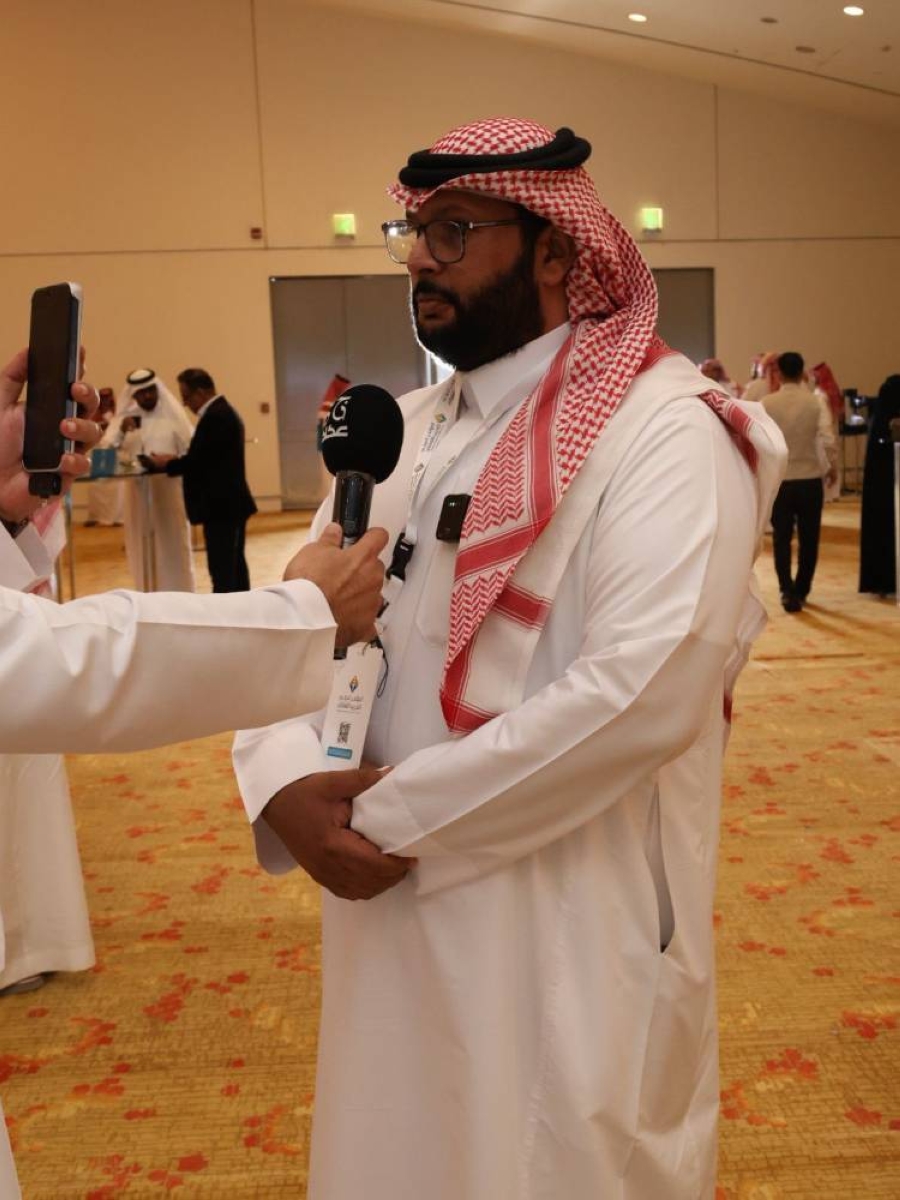
أكد مدير مركز التدريب العدلي الدكتور محمد الشلفان لـ«عكاظ»، أن المؤتمر يجمع أكثر من 60 خبيراً يمثلون معاهد قضائية وجهات تعليمية وأكاديمية وبحثية من مختلف أنحاء العالم، مشيراً إلى أن المشاركة الدولية تعكس مكانة السعودية ودورها الريادي في تطوير منظومة العدالة وتعزيز كفاءة التدريب القضائي.
وأوضح الشلفان أن المؤتمر يناقش حزمة من المحاور النوعية، في مقدمتها: الابتكار في الوسائل والمنهجيات، تطوير البرامج التدريبية للقضاة والمحامين، توظيف الذكاء الاصطناعي في التدريب القضائي والتحديات والآفاق المستقبلية، إضافة إلى دور البحوث العلمية وقياس أثر التدريب في تطوير الأداء القضائي.
--
المعولي لـ«عكاظ»: التدريب يثري معارف القضاة
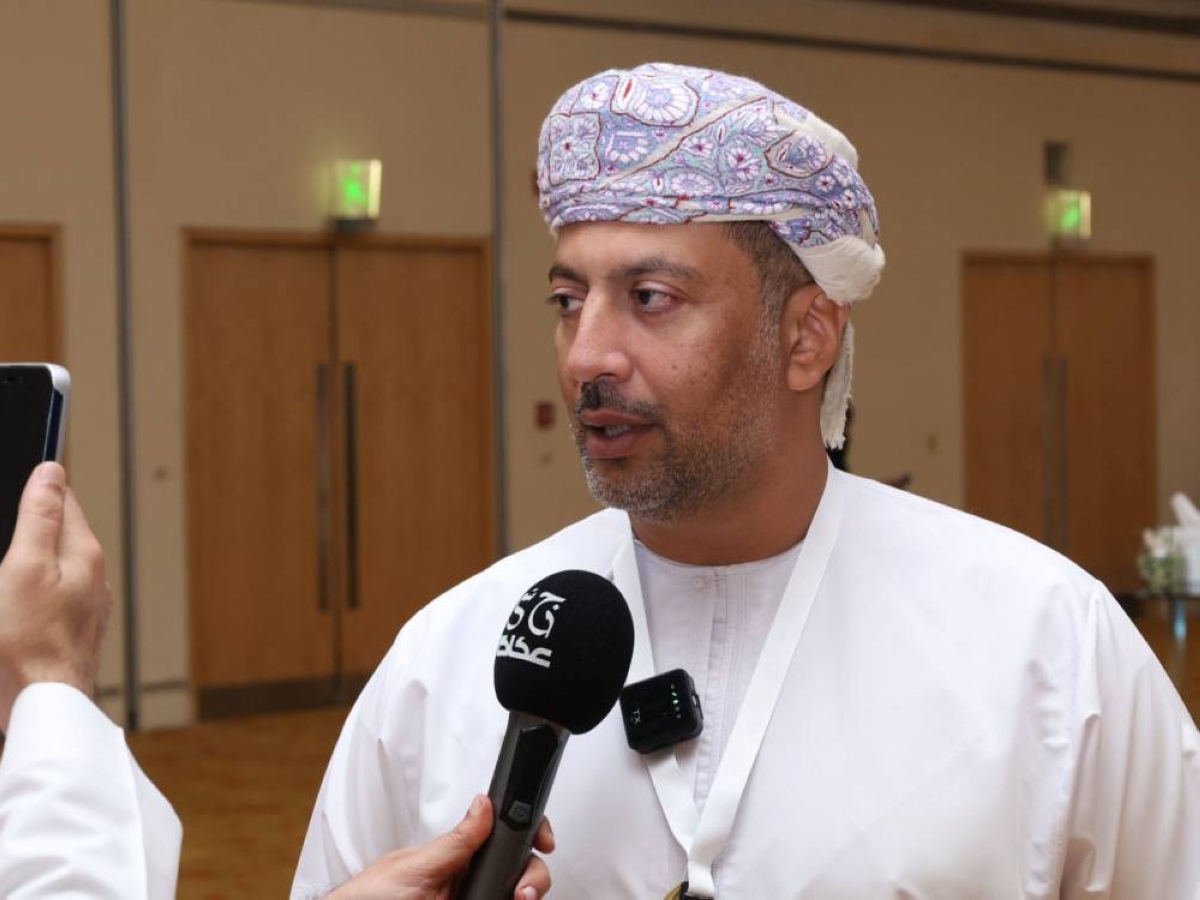
قال عميد المعهد العالي للقضاء بسلطنة عمان الدكتور نبهان بن راشد المعولي لـ«عكاظ»: إن التدريب القضائي يمثل استثماراً استراتيجياً في رأس المال البشري، إذ يثري معارف القضاة وأعضاء الادعاء العام، ويمكنهم من متابعة أحدث المستجدات التشريعية والتقنية. وأشار إلى أن ورشة العمل المصاحبة للمؤتمر تناولت المنهجيات الحديثة وقياس الأثر في التدريب، مؤكداً أن هذا الجانب يضمن تحقيق الأهداف المرسومة للتدريب، إضافة إلى استشراف إمكانات توظيف التقنية وأدوات الذكاء الاصطناعي في العمل القضائي.
---
البارقي لـ«عكاظ»: المؤتمر يرفع القيمة المعرفية
شدد المستشار القانوني محمد بن علي البارقي لـ«عكاظ» أن الجهود الكبيرة التي قادها وزير العدل أسهمت في إحداث نقلة نوعية في تطوير المنظومة العدلية، مبيناً أن المؤتمر الدولي للتدريب القضائي يُعد إحدى ثمار هذا التوجه. وأضاف أن المؤتمر عزّز التعاون بين الدول المشاركة، ورفع من القيمة المعرفية عبر تبادل الخبرات والتجارب، فضلاً عن إتاحة الاطلاع على التجارب العالمية المتقدمة في التدريب القضائي، بما يسهم في تطوير البرامج التدريبية ورفع كفاءة الكوادر القضائية.
وأوضح البارقي أن المملكة اليوم لا تكتفي بمجرد تنظيم مؤتمرات دولية، بل تسعى إلى أن تكون منصة لتبادل الرؤى والممارسات الفضلى التي تُحدث أثراً حقيقياً في بناء قدرات المنظومة القضائية عالمياً. وأشار إلى أن ما يميز التجربة السعودية أنها تنظر إلى التدريب القضائي بوصفه استثماراً طويل المدى في العنصر البشري، إذ ينعكس بشكل مباشر على جودة العدالة وسرعة إنجاز القضايا وكفاءة القرارات القضائية. كما شدّد على أن إدماج التقنيات الحديثة والذكاء الاصطناعي في التدريب سيشكل مستقبلاً دعامة أساسية لتطوير المنظومات العدلية، مؤكداً أن هذا النهج يعكس بوضوح ما تسعى إليه رؤية المملكة في إرساء بيئة عدلية متطورة، تحقق الثقة والشفافية وتواكب المتغيرات العالمية.
Under the patronage of the Minister of Justice, Dr. Walid Al-Samaani, his deputy, Dr. Najm Abdullah Al-Zaid, inaugurated yesterday (Sunday) the activities of the second international conference on judicial training organized by the Ministry of Justice, represented by the Judicial Training Center, under the slogan "Excellence in Judicial Training... Innovation in Tools and Methodologies," with the attendance of a select group of specialists and legal professionals from around the world.
The Deputy Minister of Justice emphasized in his opening speech that the Kingdom is experiencing a pioneering legislative renaissance led by Crown Prince and Prime Minister Mohammed bin Salman bin Abdulaziz to establish the stability of legal principles, guarantee rights, enhance transparency, and increase legal certainty. He pointed out that as part of this renaissance, a comprehensive system of specialized legislation has been launched in line with the aspirations of Saudi Vision 2030.
He added that the success achieved by the first international conference on judicial training last year, in partnership with distinguished international entities, was a significant motivation to continue holding the international conference; to serve as a global platform for exchanging experiences, showcasing the latest practices, and discussing the rapid developments in judicial and legal training and qualification with the participation of a select group of judges, experts, specialists, and researchers from various countries.
Dr. Al-Zaid stated that the Ministry of Justice has worked to establish quality in legal and judicial work, enhance the efficiency of the judicial system, and "made training, qualification, and legal knowledge management essential tools to achieve this goal, as the justice system cannot be complete without qualified personnel who combine deep knowledge with practical experience and adhere to the highest standards of professionalism and ethics; thus, the Judicial Training Center specializes in preparing and qualifying the personnel of the judicial and legal system.
He noted that the Judicial Training Center continues its programs to qualify judges and train all members of the judicial system, including lawyers, judicial assistants, notaries, mediators, and execution service providers, emphasizing that through this conference, it aims to reach a comprehensive judicial training model that keeps pace with developments and works in harmony with other supporting tools and capabilities.
المؤتمر الدولي الثاني للتدريب القضائي
220,000 Training Seats
The Director General of the Judicial Training Center, Dr. Mohammed Al-Shalafan, confirmed that during 2024, the center implemented more than 4,800 training courses, providing over 220,000 training seats, an increase of 55% from the previous year, noting that various judicial practitioners, including judges and their assistants, as well as the related private sector, benefited from them.
He pointed to the annual plans for training judges and the continuous and intensive training for judicial assistants and workers in technical and specialized centers that carry out the work of the courts, explaining that the center now offers three advanced diplomas in law, the first of which is dedicated to newly appointed judges under the name "Advanced Diploma in Judicial Studies," the second in criminal law, and the third in advocacy for recent graduates wishing to enter the legal profession.
Al-Shalafan confirmed that the center's work extends to a wide network of local and international partnerships, including the Ministry of Justice, judicial institutes, and universities, to exchange experiences and develop high-quality programs in judicial skills, leadership, court management, and various legal specializations, noting that the conference is a fruit of those partnerships.
---
32 Speakers and Experts from 16 Countries
The conference aims to exchange international experiences and explore ways to develop judicial training by showcasing the best global practices and innovating tools and methodologies that contribute to enhancing the quality of judicial performance.
The conference features distinguished international participation from judicial institutes and training entities worldwide, solidifying its position as a global platform for exchanging experiences and building partnerships in the field of judicial training.
The conference addresses several main themes, including: new methods and techniques for excellence in judicial training, leveraging artificial intelligence in judicial training, challenges, opportunities, and future prospects, as well as developing specialized training programs for new judges and lawyers, and modern trends in measuring the impact of training programs on the judicial system.
32 speakers and experts from 16 countries will participate in the conference, which will include 9 workshops and 3 panel discussions addressing advanced topics, including: the role of scientific research and innovation in developing judicial training strategies, modern methods for measuring the impact of training programs, in addition to showcasing leading international experiences in this field.
Training Director to "Okaz": Broad Participation Reflects Saudi Leadership
The Director of the Judicial Training Center, Dr. Mohammed Al-Shalafan, confirmed to "Okaz" that the conference brings together more than 60 experts representing judicial institutes and educational, academic, and research entities from around the world, indicating that international participation reflects Saudi Arabia's status and its pioneering role in developing the justice system and enhancing the efficiency of judicial training.
Al-Shalafan explained that the conference discusses a set of qualitative themes, primarily: innovation in methods and methodologies, developing training programs for judges and lawyers, utilizing artificial intelligence in judicial training, and the challenges and future prospects, in addition to the role of scientific research and measuring the impact of training on enhancing judicial performance.
--
Al-Maawali to "Okaz": Training Enriches Judges' Knowledge
The Dean of the High Institute of Justice in the Sultanate of Oman, Dr. Nabhan bin Rashid Al-Maawali, told "Okaz": Judicial training represents a strategic investment in human capital, enriching the knowledge of judges and public prosecutors, enabling them to keep up with the latest legislative and technical developments. He noted that the workshop accompanying the conference addressed modern methodologies and measuring impact in training, emphasizing that this aspect ensures achieving the set training goals, in addition to exploring the potential for utilizing technology and artificial intelligence tools in judicial work.
---
Al-Barqi to "Okaz": The Conference Enhances Knowledge Value
Legal advisor Mohammed bin Ali Al-Barqi emphasized to "Okaz" that the significant efforts led by the Minister of Justice have contributed to a qualitative leap in developing the judicial system, indicating that the international conference on judicial training is one of the fruits of this direction. He added that the conference has strengthened cooperation among participating countries and enhanced knowledge value through exchanging experiences and practices, as well as providing insights into advanced global experiences in judicial training, contributing to the development of training programs and raising the efficiency of judicial personnel.
Al-Barqi explained that the Kingdom today does not merely organize international conferences but seeks to be a platform for exchanging visions and best practices that create a real impact in building the capabilities of the judicial system globally. He pointed out that what distinguishes the Saudi experience is its view of judicial training as a long-term investment in human resources, which directly reflects on the quality of justice, the speed of case resolution, and the efficiency of judicial decisions. He also emphasized that integrating modern technologies and artificial intelligence into training will form a fundamental support for developing judicial systems in the future, affirming that this approach clearly reflects what the Kingdom's Vision aims for in establishing a developed judicial environment that achieves trust and transparency and keeps pace with global changes.