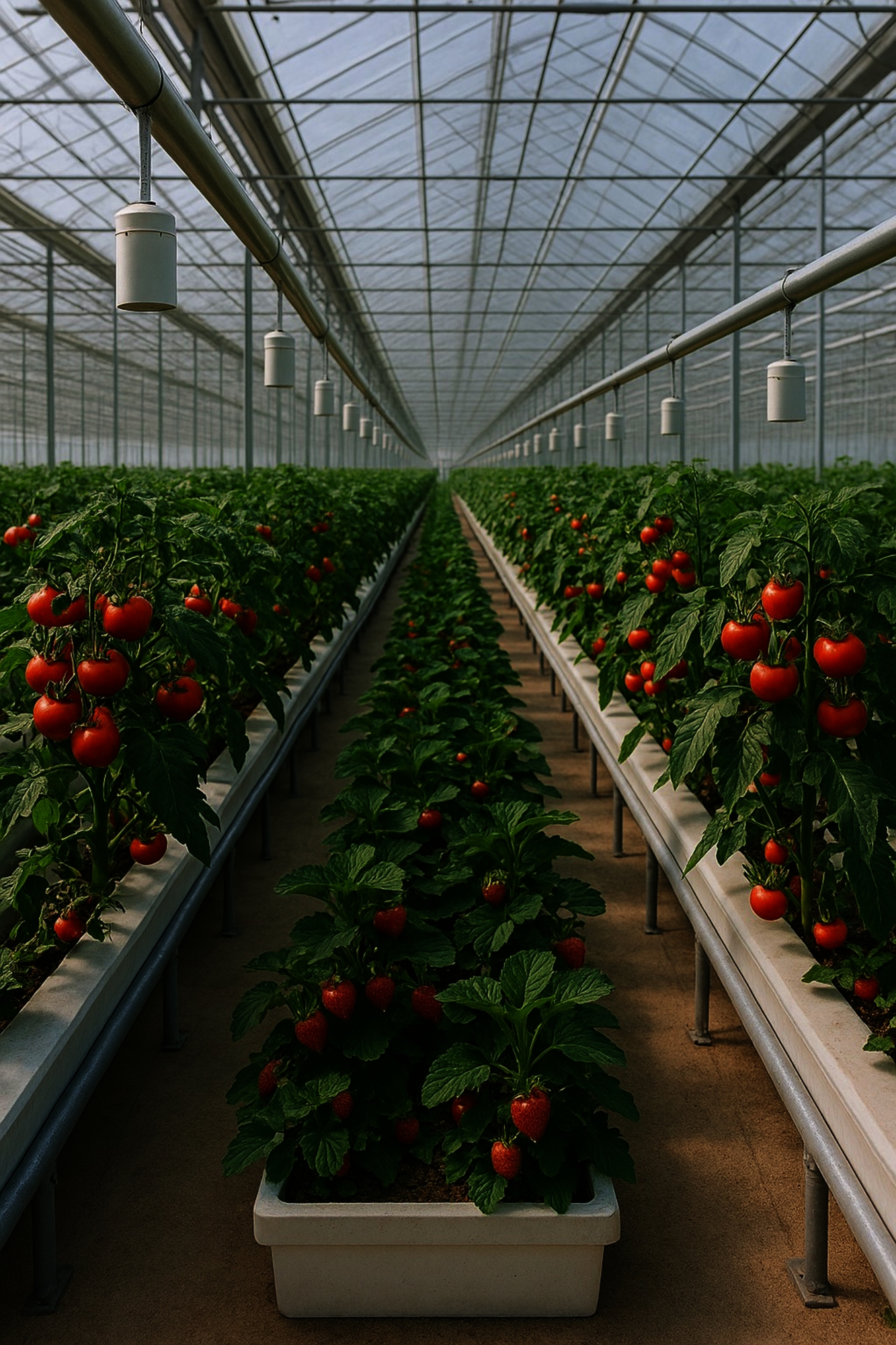
في خطوة رائدة نحو تحقيق الأمن الغذائي وتعزيز الاستدامة البيئية، كشف تقرير الاستدامة في قطاع الاتصالات والفضاء والتقنية 2025، عن مشروع بيت زراعي مدعوم بالذكاء الاصطناعي في شمال غرب المملكة ضمن نطاق مشروع نيوم. يهدف المشروع إلى مواجهة تحديات إنتاج الغذاء في البيئات الجافة وتقليل الاعتماد على الموارد الطبيعية، عبر تبني ممارسات زراعية متطورة تعتمد على البيانات والتقنيات الذكية.
ويمتد البيت الزراعي على مساحة 4 هكتارات، ويتوقع أن يصل إنتاجه السنوي عند اكتمال التشغيل إلى 4000 طن من الفواكه والخضروات، مع قدرة تشغيلية مرنة تحافظ على أعلى مستويات الكفاءة. ويستند المشروع إلى نماذج تنبؤية مدعومة بالذكاء الاصطناعي تشمل تقنيات التنظيف، والتبريد، والتحكم في الإشعاع، لضمان بيئة إنتاجية مثالية على مدار العام.
وتشير بيانات التقرير إلى أن المشروع حقق قفزة نوعية في ترشيد استهلاك المياه، إذ انخفض معدل الاستهلاك من 60 لتراً لكل كيلوغرام من الطماطم في الزراعة المكشوفة إلى 15 لتراً فقط، ما يعكس أثراً مباشراً على استدامة الموارد المائية في المنطقة. كما يسهم في إنتاج نحو 2000 طن متري سنوياً من الفواكه والخضروات، مما يعزز وفرة المنتجات الطازجة محلياً ويقلل الاعتماد على الواردات.
ويتماشى هذا المشروع مع مستهدفات رؤية السعودية 2030 وأهداف التنمية المستدامة للأمم المتحدة، لاسيما في محاور الاستهلاك والإنتاج المسؤول، والعمل المناخي، ليشكل نموذجاً يحتذى به في دمج الابتكار التكنولوجي مع الزراعة الحديثة، ويعكس التزام المملكة بتعزيز الأمن الغذائي عبر حلول مبتكرة ومستدامة.
In a pioneering step towards achieving food security and enhancing environmental sustainability, the 2025 Sustainability Report in the telecommunications, space, and technology sector revealed a farm house supported by artificial intelligence in the northwest of the Kingdom as part of the NEOM project. The project aims to address the challenges of food production in arid environments and reduce reliance on natural resources by adopting advanced agricultural practices based on data and smart technologies.
The farm house spans an area of 4 hectares, and its annual production is expected to reach 4,000 tons of fruits and vegetables upon full operation, with a flexible operational capacity that maintains the highest levels of efficiency. The project relies on AI-supported predictive models that include cleaning, cooling, and radiation control technologies to ensure an ideal productive environment throughout the year.
Data from the report indicates that the project has achieved a qualitative leap in water consumption efficiency, as the consumption rate dropped from 60 liters per kilogram of tomatoes in open-field agriculture to just 15 liters, reflecting a direct impact on the sustainability of water resources in the region. It also contributes to the production of about 2,000 metric tons of fruits and vegetables annually, enhancing the availability of fresh products locally and reducing reliance on imports.
This project aligns with the targets of Saudi Vision 2030 and the United Nations Sustainable Development Goals, particularly in the areas of responsible consumption and production and climate action, serving as a model for integrating technological innovation with modern agriculture, and reflecting the Kingdom's commitment to enhancing food security through innovative and sustainable solutions.