


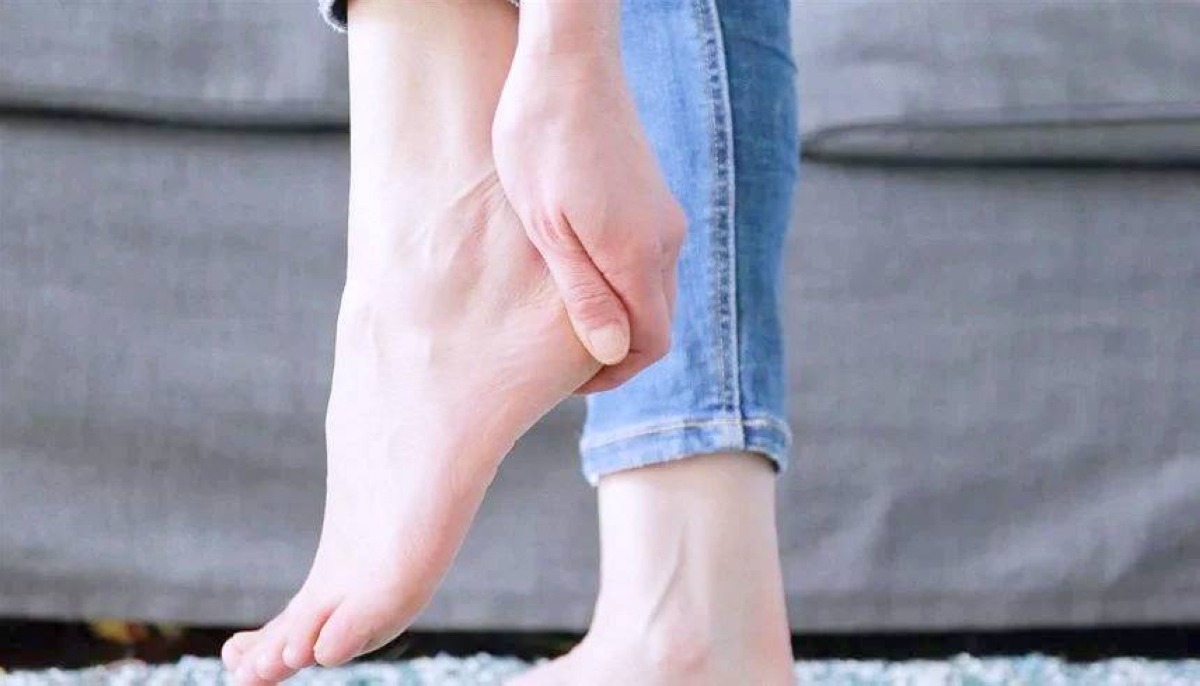
نبّه أطباء إلى أن ظهور ورم صغير أو كتل دهنية في كاحل القدم قد يكون مؤشراً على ارتفاع مستوى الكوليسترول في الدم، وهي حالة غالباً ما تمر دون أعراض واضحة حتى حدوث مضاعفات خطيرة.
وأوضح الخبراء أن هذه الكتل، المعروفة طبياً باسم "الورم الأصفر"، تظهر نتيجة لتراكم الدهون تحت الجلد، وقد تكون علامة مبكرة لفرط الكوليسترول الوراثي أو المكتسب، مما يستدعي تدخلاً طبياً عاجلاً.
وأضافوا أن تجاهل هذه العلامة قد يرفع من خطر الإصابة بأمراض القلب والشرايين، داعين إلى إجراء فحوصات دورية لمستويات الكوليسترول، خصوصاً عند وجود تاريخ عائلي للمرض أو نمط حياة غير صحي.
وتشمل الأعراض الأخرى، التي قد ترافق ارتفاع الكوليسترول، ألماً في الساقين عند المشي، أو ضيق تنفس عند بذل مجهود، ما يتطلب فحصاً شاملاً وتحليلاً للدهون الثلاثية والكوليسترول الضار والمفيد.
* ورم دهني تحت الجلد
* خطر صامت على الشرايين
* ينذر بأمراض قلبية
علامة بالكاحل قد تكشف ارتفاع الكوليسترول
5 أغسطس 2025 - 18:35
|
آخر تحديث 5 أغسطس 2025 - 18:35


تابع قناة عكاظ على الواتساب
«عكاظ» (جدة) OKAZ_online@
Doctors have warned that the appearance of a small tumor or fatty lumps in the ankle may be an indication of high cholesterol levels in the blood, a condition that often goes unnoticed until serious complications arise.
Experts explained that these lumps, medically known as "xanthomas," appear as a result of fat accumulation under the skin and may be an early sign of hereditary or acquired hypercholesterolemia, necessitating urgent medical intervention.
They added that ignoring this sign could increase the risk of heart and vascular diseases, urging regular cholesterol level checks, especially when there is a family history of the disease or an unhealthy lifestyle.
Other symptoms that may accompany high cholesterol include leg pain when walking or shortness of breath during exertion, which requires a comprehensive examination and analysis of triglycerides and harmful and beneficial cholesterol levels.
* Subcutaneous lipoma
* A silent threat to the arteries
* A warning of heart diseases
Experts explained that these lumps, medically known as "xanthomas," appear as a result of fat accumulation under the skin and may be an early sign of hereditary or acquired hypercholesterolemia, necessitating urgent medical intervention.
They added that ignoring this sign could increase the risk of heart and vascular diseases, urging regular cholesterol level checks, especially when there is a family history of the disease or an unhealthy lifestyle.
Other symptoms that may accompany high cholesterol include leg pain when walking or shortness of breath during exertion, which requires a comprehensive examination and analysis of triglycerides and harmful and beneficial cholesterol levels.
* Subcutaneous lipoma
* A silent threat to the arteries
* A warning of heart diseases


