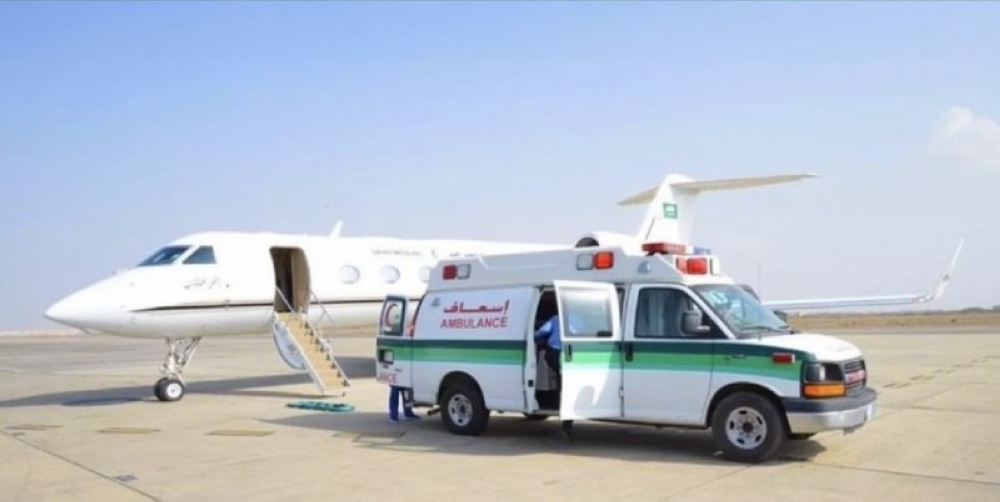
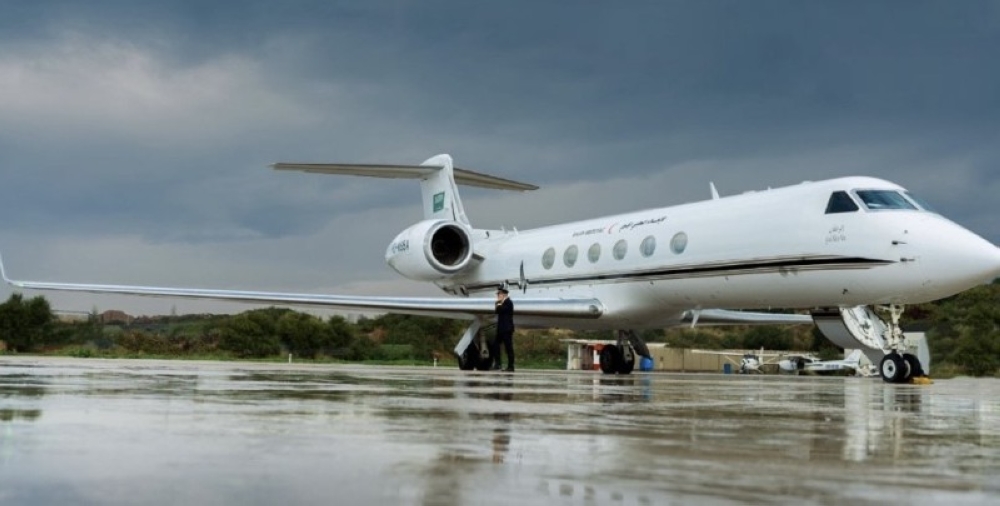
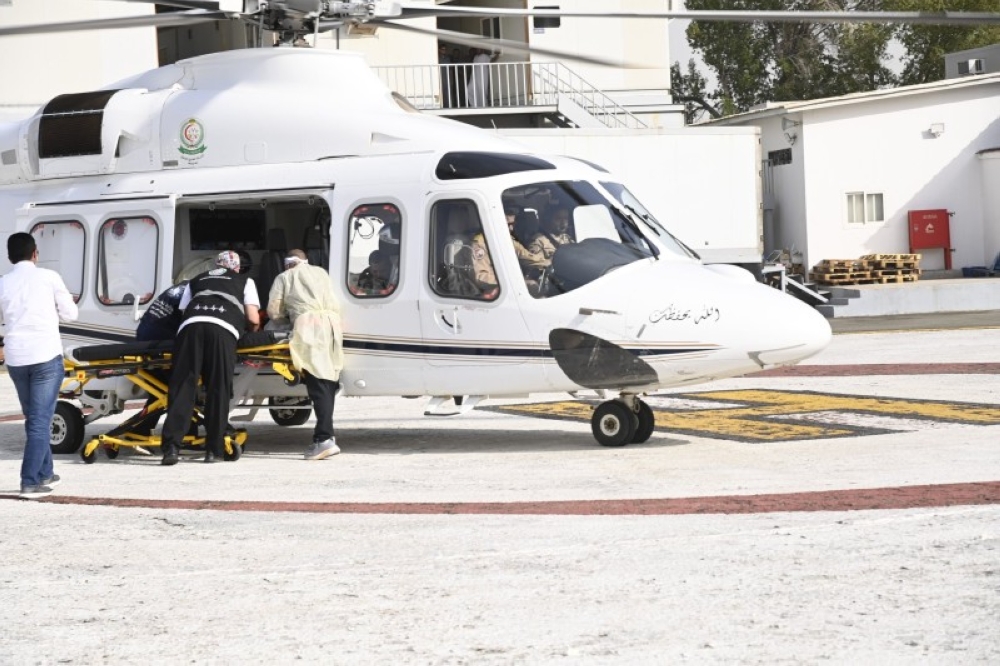
كشفت وزارة الدفاع أرقام الإخلاء الطبي الجوي التي تم تنفيذها خلال النصف الأول من عام 2025، مؤكدة تحقيق سرعة استجابة ودقة إنجاز في مختلف الحالات الطارئة، ضمن جهودها المتواصلة في دعم المنظومة الصحية والعسكرية.
وبحسب البيانات الصادرة، بلغ عدد الرحلات الطبية الجوية - الداخلية والخارجية - 507 رحلات، نقل خلالها 1404 مرضى، بينهم 1321 مريضا داخل المملكة، و83 مريضا دوليا، في حين سُجلت 5 حالات نقل أعضاء، وهو ما يعكس مستوى الجاهزية العالية والتكامل بين القطاعات المعنية.
وأكدت الوزارة أن هذه العمليات تأتي في إطار التوجيهات المستمرة بتوفير أفضل الخدمات الطبية العاجلة، وإنقاذ الأرواح، وتعزيز التكامل بين الخدمات الطبية العسكرية والمدنية، بما يتوافق مع مستهدفات الرؤية الوطنية في دعم جودة الحياة والرعاية الصحية.
ويُعد الإخلاء الطبي الجوي أحد أبرز الخدمات النوعية التي توفرها وزارة الدفاع، بفضل ما تمتلكه من كوادر طبية مؤهلة وطائرات مجهزة بأحدث التقنيات، ما يتيح سرعة التدخل في الحالات الحرجة، سواء للمواطنين أو منسوبي القوات المسلحة، داخل المملكة وخارجها.
النموذج السعودي
يقدّم النموذج السعودي في الإخلاء الطبي الجوي صورة متقدمة لخدمة إنسانية تنفذها الدولة بكفاءة عالية ودون أي مقابل مادي للمستفيدين. وتعتمد وزارة الدفاع في هذا الإطار على منظومة متكاملة، تشمل أسطول طائرات مجهزة طبياً، وأطقماً إسعافية متخصصة، مع تغطية جغرافية تمتد إلى جميع مناطق المملكة بل وتتجاوزها إلى الخارج عند الحاجة. ويُعد هذا النهج امتداداً عملياً لمستهدفات «جودة الحياة»، وضمان توفير الرعاية الطبية العاجلة لكل مواطن، مدنياً كان أو عسكرياً، دون تمييز أو عبء مالي.
نموذج عالمي
في المقابل، تعتمد معظم الدول المتقدمة على شركات خاصة تقدم خدمات الإخلاء الطبي الجوي بأسعار مرتفعة، تتجاوز في الولايات المتحدة مثلاً 70 ألف دولار للحالة الواحدة، وغالباً ما تخرج هذه التكاليف عن مظلة التأمين الصحي. وتشير تقديرات سوق الإخلاء الطبي عالمياً إلى بلوغه نحو 18.7 مليار دولار في عام 2023، مع توقعات بتجاوزه 39 مليار دولار بحلول 2033، ما يعكس طبيعته الربحية الخالصة. حتى في نماذج الإغاثة الدولية، مثل برنامج UNHAS التابع للأمم المتحدة، فإن أكثر من 3,000 عملية سنوية تتم في سياقات استثنائية، وغالباً ما تتطلب تمويلاً دولياً أو شراكات جزئية.
أمن صحي لا يُباع
تُشكل التجربة السعودية مفارقة إنسانية واقتصادية واضحة، إذ تتعامل الدولة مع الإخلاء الطبي كجزء من منظومة الأمن الوطني، لا كسوق خدمات. وبهذا تتمايز عن بقية النماذج التي تضع القدرة المالية قبل الاحتياج الإنساني. وبينما يواجه العالم معضلة التوازن بين جودة الخدمة وتكلفتها، تسير المملكة في اتجاه يجعل الرعاية الفورية حقاً سيادياً لا امتيازاً مشروطاً.
The Ministry of Defense revealed the numbers of air medical evacuations conducted during the first half of 2025, confirming the achievement of rapid response and accuracy in various emergency situations, as part of its ongoing efforts to support the health and military systems.
According to the issued data, the number of air medical evacuation flights—both domestic and international—reached 507 flights, during which 1,404 patients were transported, including 1,321 patients within the Kingdom and 83 international patients, while 5 organ transfer cases were recorded, reflecting a high level of readiness and integration among the concerned sectors.
The ministry emphasized that these operations come within the framework of continuous directives to provide the best urgent medical services, save lives, and enhance integration between military and civilian medical services, in line with the national vision objectives to support quality of life and healthcare.
Air medical evacuation is considered one of the most prominent quality services provided by the Ministry of Defense, thanks to its qualified medical personnel and aircraft equipped with the latest technologies, allowing for rapid intervention in critical cases, whether for citizens or members of the armed forces, both within the Kingdom and abroad.
The Saudi Model
The Saudi model for air medical evacuation presents an advanced image of a humanitarian service executed by the state with high efficiency and at no cost to the beneficiaries. In this context, the Ministry of Defense relies on a comprehensive system that includes a fleet of medically equipped aircraft and specialized ambulance crews, with geographical coverage extending to all regions of the Kingdom and even beyond when necessary. This approach is a practical extension of the "Quality of Life" objectives, ensuring the provision of urgent medical care to every citizen, whether civilian or military, without discrimination or financial burden.
A Global Model
In contrast, most developed countries rely on private companies that provide air medical evacuation services at high prices, exceeding $70,000 per case in the United States, and these costs often fall outside the umbrella of health insurance. Global estimates for the air medical evacuation market indicate it reached approximately $18.7 billion in 2023, with expectations to exceed $39 billion by 2033, reflecting its purely profitable nature. Even in international relief models, such as the UNHAS program of the United Nations, more than 3,000 operations annually occur in exceptional contexts, often requiring international funding or partial partnerships.
Health Security That Is Not For Sale
The Saudi experience represents a clear humanitarian and economic paradox, as the state treats medical evacuation as part of the national security system, not as a service market. This distinguishes it from other models that prioritize financial capability over humanitarian need. While the world faces the dilemma of balancing service quality and cost, the Kingdom is moving in a direction that makes immediate care a sovereign right, not a conditional privilege.