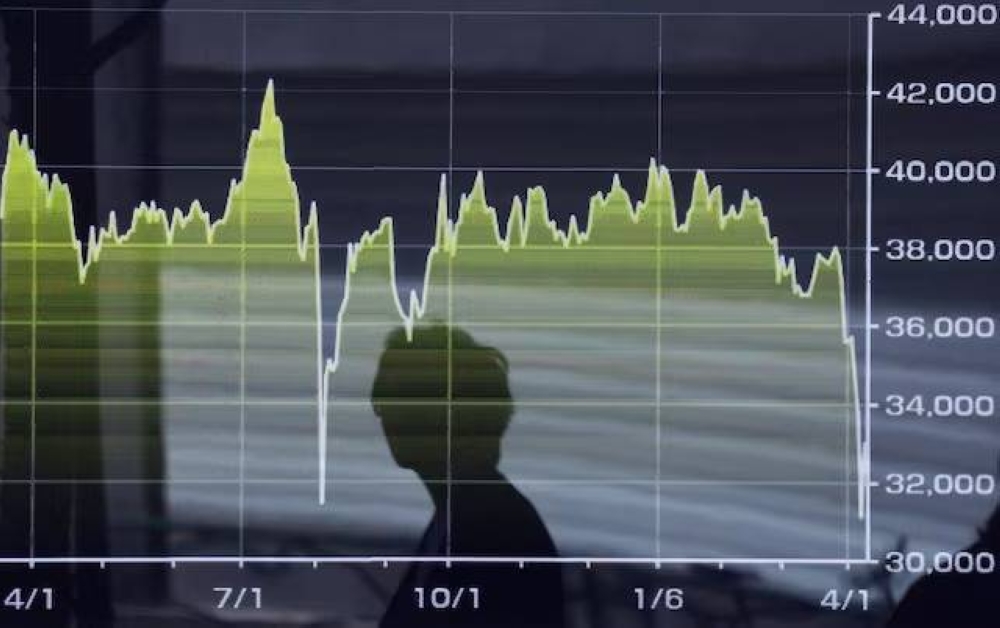
انخفضت أسعار النفط بنسبة 4%، وارتفعت الأسواق العالمية، وتراجع الدولار اليوم (الثلاثاء)، بعد إعلان الرئيس الأمريكي دونالد ترمب عن وقف إطلاق النار بين إسرائيل وإيران، في تطور مفاجئ عقب قصف الولايات المتحدة لمواقع نووية إيرانية خلال عطلة نهاية الأسبوع، وفق وكالة رويترز.
وكانت أسعار خام برنت قد تراجعت بنسبة 7% يوم الإثنين، فيما قفزت الأسهم الأمريكية بعد رد فعل إيراني رمزي على قاعدة أمريكية، مع إشارات إلى عدم تصعيد النزاع حالياً.
وبعد انحسار التهديد المباشر لمضيق هرمز، وهو ممر حيوي لشحن النفط، سجل خام برنت 67.68 دولار للبرميل، وهو أدنى مستوى له منذ 11 يونيو، كما هبطت العقود الآجلة للنفط الأمريكي بنسبة 3.6% إلى 66.02 دولار للبرميل.
وقال براشانت نيوناها، كبير إستراتيجيي أسعار الفائدة في آسيا والمحيط الهادئ لدى تي دي سيكيوريتيز: مع تراجع مخاطر التصعيد في الشرق الأوسط، يتحول تركيز الأسواق الآن نحو الموعد النهائي للتعريفات الجمركية خلال أسبوعين.
وأضاف أن التسوية السريعة للصراع عززت التفاؤل بشأن حل سريع لقضايا التعريفات والتجارة.
وعلى صعيد الأسواق، شهدت الأصول عالية المخاطر ارتفاعاً ملحوظاً. ارتفعت العقود الآجلة لمؤشر S&P 500 بنسبة 1%، وناسداك بنسبة 1.3%. في أوروبا، صعد مؤشر Stoxx 600 بنسبة 1.3% في التعاملات المبكرة، مع قفز أسهم شركات الطيران بنسبة 4%، بينما تراجعت أسهم النفط والغاز بنسبة 3%.
وفي آسيا، قفز مؤشر MSCI لأسهم آسيا والمحيط الهادئ خارج اليابان بنسبة 2.2%، وارتفع مؤشر نيكاي الياباني بنسبة 1.1%.
في سياق التجارة، كشفت مصادر لـ«رويترز» أن مفاوض التعريفات الياباني ريوسي أكازاوا يخطط لزيارة الولايات المتحدة في 26 يونيو، في محاولة لإنهاء التعريفات التي تضر باقتصاد اليابان.
أما سندات الحكومات، فقد تجاهلت الخبر إلى حد كبير، حيث يوازن تجار السندات بين تدفقات الملاذ الآمن وتأثير ارتفاع أسعار النفط على التضخم.
وعلى صعيد السياسة النقدية، أشارت نائبة رئيس مجلس الاحتياطي الفيدرالي ميشيل بومان إلى اقتراب موعد خفض أسعار الفائدة، مع تزايد المخاطر على سوق العمل.
وكان المحافظ كريستوفر والر قد ألمح يوم الجمعة إلى إمكانية الخفض في اجتماع 29 - 30 يوليو.
من جهته، سيعلق رئيس الاحتياطي الفيدرالي جيروم باول أمام الكونغرس لاحقًا اليوم، وسط توقعات بحذر بشأن التيسير النقدي القريب. وتشير الأسواق إلى احتمال 22% لخفض الفائدة في يوليو، لكن خفضاً في سبتمبر يبدو شبه مؤكد.
وتراجع الدولار بنسبة 0.7% إلى 145.43 ين ياباني، بعد أن سجل أعلى مستوى في ستة أسابيع عند 148 ين.
وارتفع اليورو بنسبة 0.2% إلى 1.1602 دولار، مستفيداً من انخفاض أسعار النفط، حيث تعتمد اليابان والاتحاد الأوروبي بشدة على استيراد النفط والغاز الطبيعي، وفي المقابل تراجعت أسعار الذهب بنسبة 1% إلى 3333 دولار للأونصة.
Oil prices fell by 4%, global markets rose, and the dollar declined today (Tuesday), following U.S. President Donald Trump's announcement of a ceasefire between Israel and Iran, in a surprising development after the United States bombed Iranian nuclear sites over the weekend, according to Reuters.
Brent crude prices had dropped by 7% on Monday, while U.S. stocks surged after a symbolic Iranian response to a U.S. base, with indications of no escalation of the conflict at present.
After the immediate threat to the Strait of Hormuz, a vital oil shipping route, Brent crude recorded $67.68 per barrel, the lowest level since June 11, while U.S. oil futures fell by 3.6% to $66.02 per barrel.
Prashant Neuhana, chief interest rate strategist for Asia-Pacific at TD Securities, said: "As the risks of escalation in the Middle East diminish, market focus is now shifting towards the tariff deadline in two weeks."
He added that a swift resolution to the conflict has boosted optimism regarding a quick resolution to tariff and trade issues.
In terms of markets, high-risk assets saw a notable rise. Futures for the S&P 500 index rose by 1%, and the Nasdaq by 1.3%. In Europe, the Stoxx 600 index climbed by 1.3% in early trading, with airline stocks jumping by 4%, while oil and gas stocks fell by 3%.
In Asia, the MSCI Asia-Pacific index excluding Japan surged by 2.2%, and the Japanese Nikkei index rose by 1.1%.
In the context of trade, sources told Reuters that Japanese tariff negotiator Ryoushi Akazawa plans to visit the United States on June 26, in an attempt to end tariffs that are harming Japan's economy.
As for government bonds, they largely ignored the news, as bond traders balanced safe-haven flows against the inflationary impact of rising oil prices.
On the monetary policy front, Federal Reserve Vice Chair Michelle Bowman indicated that a rate cut is approaching, with increasing risks to the labor market.
Governor Christopher Waller hinted on Friday at the possibility of a cut at the July 29-30 meeting.
For his part, Federal Reserve Chair Jerome Powell will testify before Congress later today, amid cautious expectations regarding near-term monetary easing. Markets indicate a 22% chance of a rate cut in July, but a cut in September seems almost certain.
The dollar fell by 0.7% to 145.43 Japanese yen, after hitting a six-week high of 148 yen.
The euro rose by 0.2% to $1.1602, benefiting from the drop in oil prices, as Japan and the European Union heavily rely on oil and natural gas imports, while gold prices fell by 1% to $3,333 per ounce.