




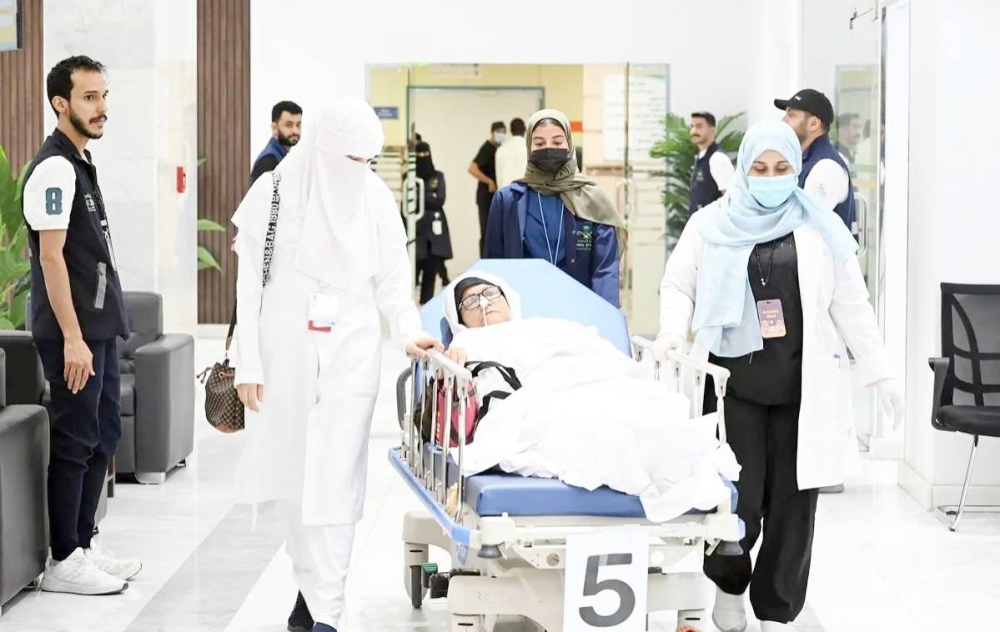
نصح أطباء الجهاز التنفسي الحجاج المصابين بمرض الربو؛ الذي يعد حالة مزمنة تصيب الجهاز التنفسي، في جميع الأعمار بأهمية مراجعة الطبيب والتثقيف عن الربو وأعراضه وعلاجاته قبل وصولهم إلى المشاعر المقدسة، وتجنب الأماكن المزدحمة، واستخدام البخاخات الإسعافية عند الحاجة؛ منعاً للإصابة بنوبات مرض الربو الحادة التي تعتبر من أكثر أسباب دخول الحجاج إلى المستشفى، وطلب الرعاية الطبية. وكشفت استشاري أمراض الصدرية وطب النوم الدكتورة عبير عوض الحربي، في حديثها لـ«عكاظ»، أن الرَّبْو هو مرض التهابي مُزمن شائِع، يُصيب الشُعب الهوائية في الرئتين، ويَتميز بحدوثِ أعراضٍ مُتغيرةٍ مُتكررة، مع حدوثِ تشنجٍ قصبي وانسدادٍ في المسلك الهوائي قابلٍ للانعكاس، كما تشمل الأعراض نوباتٍ من الأزيز، والسُعال، وضيق النفس والصدر، وقد تحدثُ هذه النوبات عدةَ مراتٍ في اليوم أو في الأسبوع، كما قد تَزدادُ سواءً في الليل أو مع ممارسةِ الرياضة.
وشدّد استشاري طب الأسرة الدكتور محمد فؤاد كابلي، على أن الوقاية تبدأ قبل السفر، وينصح الحاج المصاب بالحساسية بمراجعة طبيبه قبل الحج بشهر على الأقل وتجهيز خطة علاج تشمل البخاخ الوقائي والموسع للشعب الهوائية، كما يُفضل حمل مضادات الهيستامين وتجنب التعرض المباشر للعطور وارتداء الكمامة في الأماكن المغلقة أو شديدة الازدحام، وارتداء بطاقة طبية توضح حالة المريض؛ تسهّل على فرق الطوارئ التعامل السريع في حال حدوث نوبة مفاجئ.
ونصح استشاري أنف وأذن وحنجرة - مناظير الجيوب الأنفية وقاع الجمجمة الأمامية - الدكتور عدوان عطية الله السهلي، الحجاج بضرورة الاهتمام بالنظافة الشخصية، وعدم التعرض لأي نوع من أنواع التلوث ومثيرات الحساسية، ولبس الكمامات الطبية، والابتعاد عن الزحام، والابتعاد عن التدخين، وعدم التعرض لتيارات الهواء البارد ثم الهواء الحار بشكل مستمر، واستخدام الماء والصابون في تنظيف اليدين باستمرار لتجنب التعرض للالتهابات.
ويرى استشاري الباطنة العامة والعناية المركزة الدكتور خالد السناني، أهمية التثقيف حول الربو للحجاج، وتزويد المرضى بالتدريب الكافي لتعزيز معرفتهم ومهاراتهم، مما يمكنهم من تعديل العلاج وفقاً لخطة إدارة ذاتية موجهة، ولتعزيز مستوى المعرفة والمهارات لدى مرضى الربو، ويُنصح بتضمين المعلومات التالية: المعرفة الأساسية عن الربو، المهارات المتعلقة بأجهزة الاستنشاق الموصوفة - حيث قد تكون هناك مفاهيم خاطئة حول استخدام البخاخات وسلامة الكورتيكوستيرويدات المستنشقة.كيفية تقديم التثقيف
الدكتور السناني، أضاف: يُفضل أن يتم التثقيف حول الربو من قبل فريق طبي مدرب جيداً، يتمتع بمهارات تواصل فعالة، والقدرة على خلق حوار تفاعلي في بيئة ودية، وبالتالي يُعد التثقيف جزءاً أساسياً في إدارة الربو الفعالة.
وبين طبيب طب الأسرة الدكتور خالد الأحمدي، أن أكثر الفئات عرضة لخطر الإصابة بنوبات الربو أو تدهور الحالة، خصوصاً خلال موسم الحج، هم: كبار السن، الأطفال، مرضى الربو غير المنتظمين على العلاج، والحجاج القادمون من مناطق باردة أو ريفية، والذين يعانون من تحسس موسمي أو التهاب الجيوب الأنفية المزمن، وغير المحصنين ضد الإنفلونزا الموسمية أو كوفيد 19.
موسم الحج تحدٍ للمصابين
استشاري أمراض الصدر والعناية المركزة قائد مسار العناية المركزة بالمدينة المنورة الدكتور أيمن خرابة، قال: «موسم الحج يمثل تحدياً خاصاً للمصابين بالربو بسبب عوامل الازدحام، والتعرض للغبار، والمجهود البدني، حيث أظهرت الدراسات أن نسبة كبيرة من الحجاج المصابين بالربو يعانون من سوء السيطرة على الأعراض خلال الحج، مع زيادة معدلات النوبات والزيارات الطبية غير المخطط لها، وللتقليل من المخاطر خلال الحج، ينصح الدكتور خرابة، مرضى الربو بالاستشارة الطبية قبل الحج، وإدارة الأدوية، وتجنب التعرض للمثيرات، والمحافظة على الترطيب والراحة، وطلب الرعاية الطبية الفورية عند ظهور أعراض تزداد سوءاً، وأخذ التطعيمات اللازمة».
أطباء متخصصون: التثقيف عن الربو يمنع التعرض للنوبات في الحج
3 يونيو 2025 - 04:25
|
آخر تحديث 3 يونيو 2025 - 04:25


تابع قناة عكاظ على الواتساب
أحمد الزهراني (المدينة المنورة) azahrnaiz@
Respiratory doctors have advised pilgrims suffering from asthma, a chronic condition affecting the respiratory system at all ages, about the importance of consulting a doctor and educating themselves about asthma, its symptoms, and treatments before arriving at the holy sites. They should avoid crowded places and use rescue inhalers when necessary to prevent severe asthma attacks, which are among the leading causes of hospital admissions for pilgrims and requests for medical care. Dr. Abeer Awad Al-Harbi, a consultant in pulmonary diseases and sleep medicine, revealed in her talk to "Okaz" that asthma is a common chronic inflammatory disease that affects the airways in the lungs, characterized by recurrent variable symptoms, bronchospasm, and reversible airway obstruction. Symptoms include episodes of wheezing, coughing, shortness of breath, and chest tightness, which may occur several times a day or week and may worsen at night or during exercise.
Dr. Mohammed Fouad Kabbli, a family medicine consultant, emphasized that prevention starts before travel. He advises pilgrims with allergies to consult their doctor at least a month before Hajj and to prepare a treatment plan that includes a preventive inhaler and a bronchodilator. It is also preferable to carry antihistamines, avoid direct exposure to perfumes, wear masks in enclosed or crowded places, and wear a medical alert card that explains the patient's condition, facilitating quick response from emergency teams in case of a sudden attack.
Dr. Adwan Atiyah Allah Al-Suhaili, an ENT consultant specializing in sinus endoscopy and anterior skull base, advised pilgrims to pay attention to personal hygiene, avoid any type of pollution and allergens, wear medical masks, stay away from crowds, avoid smoking, and not be exposed to cold air currents followed by hot air continuously. He also recommended using soap and water to wash hands regularly to avoid infections.
Dr. Khalid Al-Sanani, a consultant in general internal medicine and intensive care, sees the importance of educating pilgrims about asthma and providing patients with adequate training to enhance their knowledge and skills, enabling them to adjust their treatment according to a directed self-management plan. To enhance the level of knowledge and skills among asthma patients, it is recommended to include the following information: basic knowledge about asthma, skills related to prescribed inhalers—where there may be misconceptions about the use of inhalers and the safety of inhaled corticosteroids. How to provide education
Dr. Al-Sanani added: It is preferable for asthma education to be conducted by a well-trained medical team with effective communication skills and the ability to create an interactive dialogue in a friendly environment. Thus, education is considered an essential part of effective asthma management.
Dr. Khalid Al-Ahmadi, a family medicine physician, indicated that the most vulnerable groups at risk of asthma attacks or deterioration of their condition, especially during the Hajj season, are: the elderly, children, asthma patients who are not regularly on treatment, pilgrims coming from cold or rural areas, those suffering from seasonal allergies or chronic sinusitis, and those who are not vaccinated against seasonal influenza or COVID-19.
The Hajj season is a challenge for patients
Dr. Ayman Kharabah, a consultant in pulmonary diseases and intensive care, and the head of the intensive care pathway in Medina, said: "The Hajj season poses a special challenge for asthma sufferers due to factors such as congestion, exposure to dust, and physical exertion. Studies have shown that a significant percentage of pilgrims with asthma experience poor control of symptoms during Hajj, with increased rates of attacks and unplanned medical visits. To reduce risks during Hajj, Dr. Kharabah advises asthma patients to seek medical consultation before Hajj, manage their medications, avoid exposure to triggers, maintain hydration and rest, and seek immediate medical care when symptoms worsen, as well as to receive necessary vaccinations."
Dr. Mohammed Fouad Kabbli, a family medicine consultant, emphasized that prevention starts before travel. He advises pilgrims with allergies to consult their doctor at least a month before Hajj and to prepare a treatment plan that includes a preventive inhaler and a bronchodilator. It is also preferable to carry antihistamines, avoid direct exposure to perfumes, wear masks in enclosed or crowded places, and wear a medical alert card that explains the patient's condition, facilitating quick response from emergency teams in case of a sudden attack.
Dr. Adwan Atiyah Allah Al-Suhaili, an ENT consultant specializing in sinus endoscopy and anterior skull base, advised pilgrims to pay attention to personal hygiene, avoid any type of pollution and allergens, wear medical masks, stay away from crowds, avoid smoking, and not be exposed to cold air currents followed by hot air continuously. He also recommended using soap and water to wash hands regularly to avoid infections.
Dr. Khalid Al-Sanani, a consultant in general internal medicine and intensive care, sees the importance of educating pilgrims about asthma and providing patients with adequate training to enhance their knowledge and skills, enabling them to adjust their treatment according to a directed self-management plan. To enhance the level of knowledge and skills among asthma patients, it is recommended to include the following information: basic knowledge about asthma, skills related to prescribed inhalers—where there may be misconceptions about the use of inhalers and the safety of inhaled corticosteroids. How to provide education
Dr. Al-Sanani added: It is preferable for asthma education to be conducted by a well-trained medical team with effective communication skills and the ability to create an interactive dialogue in a friendly environment. Thus, education is considered an essential part of effective asthma management.
Dr. Khalid Al-Ahmadi, a family medicine physician, indicated that the most vulnerable groups at risk of asthma attacks or deterioration of their condition, especially during the Hajj season, are: the elderly, children, asthma patients who are not regularly on treatment, pilgrims coming from cold or rural areas, those suffering from seasonal allergies or chronic sinusitis, and those who are not vaccinated against seasonal influenza or COVID-19.
The Hajj season is a challenge for patients
Dr. Ayman Kharabah, a consultant in pulmonary diseases and intensive care, and the head of the intensive care pathway in Medina, said: "The Hajj season poses a special challenge for asthma sufferers due to factors such as congestion, exposure to dust, and physical exertion. Studies have shown that a significant percentage of pilgrims with asthma experience poor control of symptoms during Hajj, with increased rates of attacks and unplanned medical visits. To reduce risks during Hajj, Dr. Kharabah advises asthma patients to seek medical consultation before Hajj, manage their medications, avoid exposure to triggers, maintain hydration and rest, and seek immediate medical care when symptoms worsen, as well as to receive necessary vaccinations."


