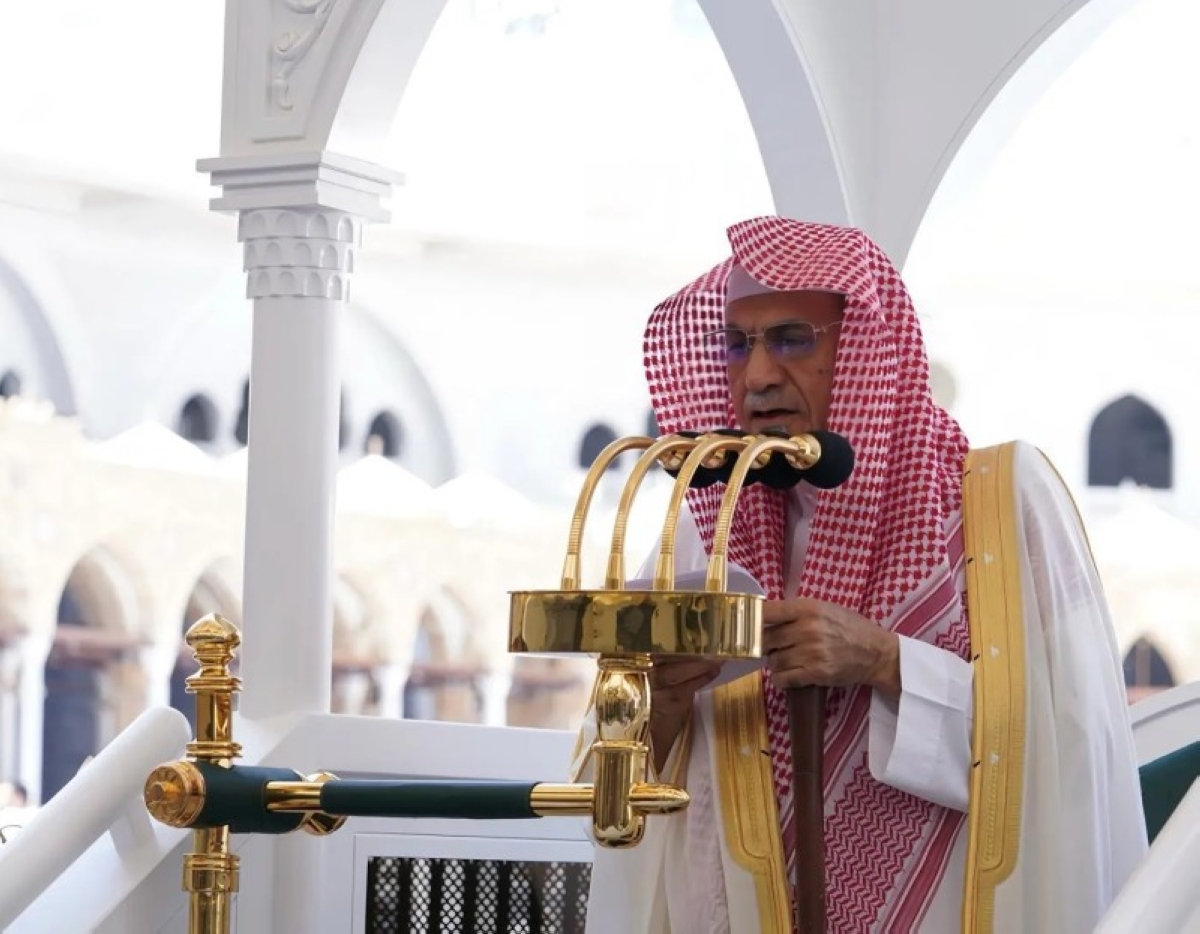
أوصى إمام وخطيب المسجد الحرام الشيخ الدكتور صالح بن عبدالله بن حميد في خطبته، اليوم، المسلمين بتقوى الله والتأمل في عبد من عباد الله موفق، يعيش في خير لم يسأله، وينجو من شر لم يتقه، وقد كُتب له ذلك -بعد توفيق الله- بسبب دعاء من عبد صالح لم يعرفه، وإغاثة ملهوف لم يذكره، وتفريج كرب لأخ لم يعلمه، يقترن بذلك خبيئة من عمل صالح لم يظهره، قال تعالى (مَنْ عَمِلَ صَالِحًا مِّن ذَكَرٍ أَوْ أُنثَى وَهُوَ مُؤْمِنٌ فَلَنُحْيِيَنَّهُ حَيَاةً طَيِّبَةً وَلَنَجْزِيَنَّهُمْ أَجْرَهُم بِأَحْسَنِ مَا كَانُوا يَعْمَلُونَ).
وقال: إن قصة عظيمة عجيبة مباركة في كتاب الله من قصص أهل الإيمان والتوحيد في زمن الغربة، أولو عزمٍ من الرجال، فروا بدينهم من الفتن، فأنجاهم الله، وهيأ لهم أسباب الحفظ والعزة والكرامة، أووا إلى ربهم فأواهم، وكتب لهم الرفعة، وحسن العاقبة، ولسان الذكر في الدنيا والآخرة، إنها قصة عجيبة تنتظم دروسًا وعبرًا تستدعي التوقف عندها وتأملها، إنها قصة أصحاب الكهف والرقيم، ولئن كانت قصة أصحاب الكهف والرقيم عجيبة فإن هناك ما هو أعجب منها، وهي آيات الله في الأفاق وفي الأنفس خلق السموات والأرض، واختلاف الليل والنهار، والآيات في القفار والبحار، وتتسبب بعالم الغيب وما فيه من الأسرار.
وأوضح أن من خلال هذه السورة الكريمة بقصصها وأحداثها عامة، وقصة أصحاب الكهف والرقيم خاصة ما يتجلى من العلاقة الكبرى بين الإيمان والتوكل، وبين الأخذ بالأسباب وبين الإيمان بالغيب، والأخذ بالظواهر والماديات.
وبين الشيخ صالح بن حميد أن من الدروس في هذه القصة المباركة ما تجلى فيه الفارق بين الإيمان الصحيح بالله فاطر الكون ومبدعه، والإيمان بالغيب والبعث والنشور، وبين الاعتماد على الماديات المجردة، والانصراف إلى اللذة العاجلة، والمنفعة المادية العابرة بعيدة عن حقائق الإيمان وأنوار النبوة وفقد التوازان بين العلم والعقل والأخلاق وضوابط الاستقامة.
وأشار إلى أن التركيز على التوحيد وإثباته وتثبيته وبيان ما يناقضه من الشرك، جلي في هذه القصة المباركة، فالثبات على الإيمان والاستقامة على الهدى منة من الله وتوفيق، كما في قوله تعالى (وَرَبَطْنَا عَلَى قُلُوبِهِمْ إِذْ قَامُوا فَقَالُوا رَبُّنَا رَبُّ السَّمَوَاتِ وَالْأَرْضِ لَن نَّدْعُوا مِن دُونِهِ إِلَيْهَا لَقَدْ قُلْنَا إِذًا شَطَطًا)، فمن التزم توحيد الله وأخلص في عبادته ونَبَذ الشرك والبدع والمعاصي حفظه الله وعصمه وثبته.
وأكد الشيخ صالح بن حميد أن من دروس هذه الفتية المباركة أنهم كانوا على قلب واحد في تعاون وتآلف، تلاشت فيه مظاهر الفردية وعوارض الخلاف والشقاق، جاءت الآيات تبين ذلك وتبرزه بأسلوب عجيب: ﴿فَأْوُوا إِلَى الْكَهْفِ)، ﴿إِذْ قَامُوا فَقَالُوا)، لم يختلفوا ولم يتنازعوا قلوبٌ تصافت ونفوسٌ تسامت، فالغاية واضحة والمنهج مستقيم والجهود موجهة لابتغاء الحق، ومَنْ صاحب الأخيار نال من خيرهم ومن رافق الأشرار ناله من شرهم ومن رافق المتذمرين واللوامين تأثر بهم، ومن عاش مع المتفائلين غمرته سعادتهم، كما جاء في قوله سبحانه وتعالى ﴿وَاصْبِرْ نَفْسَكَ مَعَ الَّذِينَ يَدْعُونَ رَبَّهُم بِالْغَدَاةِ وَالْعَشِيِّ يُرِيدُونَ وَجْهَةٌ، وَلَا تَعْدُ عَيْنَاكَ عَنْهُمْ)، فصاروا جماعة واحدة ويدًا واحدة وإخوان صدق وتوافقوا على كلمة سواء.
ونوّه على درس عجيب وتوجيه عظيم يتعلق بالاشتغال بما لا طائل تحته مما هو ليس من مهمات الدين، ولا من مصالح الدنيا، لقد قال هؤلاء الفتية الصالحون، حين تساءلوا عن مدة نومهم: (قَالُوا رَبُّكُمْ أَعْلَمُ بِمَا لَبِثْتُمْ).
واختتم الشيخ صالح الخطبة قائلًا: إن هذه القصة العظيمة تغرس في فؤاد المؤمن وخصوصا في أوقات الأزمات والمضايق أن العبد ضعيف بنفسه قوي بربه، وأن التوفيق هبة من الله ومنّه، وأن العبد في إيمانه وعمله الصالح له مقامان، مقام عمل وكسب ومقام هبة من الله وتوفيق، فمقام العمل والكسب ما يقوم به من أفعال وأحوال ففي قوله سبحانه (إِنَّهُمْ فِتْيَةٌ ءَامَنُوا بِرَبِّهِمْ﴾ هذا مقام العمل والكسب، وقوله ﴿وَزِدْنَهُمْ هُدَى) هذا حال الهبة والتوفيق، فمن آمن بالله وتوجه إليه هدى الله قلبه وأقبل عليه.
وفي المسجد النبوي أوصى الشيخ أحمد بن علي الحذيفي المسلمين بتقوى الله فهي تاج الكرامة والفضائل والسبيل إلى أسنى المراتب والمنازل قال تعالى «يَا أَيُّهَا الَّذِينَ آمَنُوا اتَّقُوا اللَّهَ وَكُونُوا مَعَ الصَّادِقِينَ».
وبين فضيلته أن الحياة الحقيقية هي الأرواح والقلوب وليست حياة الأجسام والماديات قال الله تعالى «أَوَمَن كَانَ مَيْتًا فَأَحْيَيْنَاهُ وَجَعَلْنَا لَهُ نُورًا يَمْشِي بِهِ فِي النَّاسِ كَمَن مَّثَلُهُ فِي الظُّلُمَاتِ لَيْسَ بِخَارِجٍ مِّنْهَا ۚ كَذَٰلِكَ زُيِّنَ لِلْكَافِرِينَ مَا كَانُوا يَعْمَلُونَ»، وأن انشغال الناس عن الغايات بالأسباب فينسون خالق الأسباب مع الأخذ بالأسباب في سنن الله الكونية وأدلة وحيه الشرعية وأثرها في الحياة الدنيا وأن المؤمن يجعلها في حيزها فلا يرفعها فوق مكانها الذي حده الشرع والنقل ولا يهملها إهمال المتواكلين وأهل الجهل.
وتابع أن الحقيقة حين تغيب أو تضعف في العقول فسبيل النجاة بإذكاء سراج الإيمان وتوثيق الصلة بالله، كما دلت على ذلك حقائق الوحي وتمثله سيرة النبي- صلى الله عليه وسلم.
وأوضح أن الدعاء من أعظم أسلحة المؤمن واللجوء إلى الله في كل حال ففي الحديث عن ابن عباس قال كنت رديف رسول الله- صلى الله عليه وسلم- فقال (يا غلام ألا أعلمك كلمات ينفعك الله بها قلت بلى فقال (احفظ الله تجده أمامك، تعرَّفْ إلى الله في الرخاء يعرفك فـي الشدة وإذا سألت فاسأل الله وإذا استعنت فاستعن بالله قد جف القلم بما هو كائن فلو أن الخلق كلهم جميعًا أرادوا أن ينفعوك بشيء لم يكتبه الله عليك لم يقدروا عليه وإن أرادوا أن يضروك بشيء لم يكتبه الله عليك لم يقدروا عليه).
وأشار إمام وخطيب المسجد النبوي إلى أن الدعاء هو من أجلى صور الإيمان وأبهى معاني العبودية لله، عن النعمان بن بشير رضي الله عنه قال سمعت النبي- صلى الله عليه وسلم- يقول:
(الدُّعاءُ هو العبادةُ ثمَّ قرأ {وَقال رَبُّكُمُ ادْعُونِي أَسْتَجِبْ لَكُمْ إِنَّ الَّذِينَ يَسْتَكْبِرُونَ عَنْ عِبادَتِي سَيَدْخُلُونَ جَهَنَّمَ داخِرِينَ})، ((وَإِذَا سَأَلَكَ عِبَادِي عَنِّي فَإِنِّي قَرِيبٌ ۖ أُجِيبُ دَعْوَةَ الدَّاعِ إِذَا دَعَانِ ۖ فَلْيَسْتَجِيبُوا لِي وَلْيُؤْمِنُوا بِي لَعَلَّهُمْ يَرْشُدُونَ)).
وبين إمام وخطيب المسجد النبوي أن المتابع لسيرة النبي- صلى الله عليه وسلم- يقف على حياة عامرة بدعاء الله وسؤاله طلبًا واستغفارًا وانكسارًا.
وختم الحذيفي القول إن القرآن يعلمنا اقتران الأخذ بالأسباب بالدعاء واللجوء لله في مواضع كثيرة قال الله تعالى ((وَلَمَّا بَرَزُوا لِجَالُوتَ وَجُنُودِهِ قَالُوا رَبَّنَا أَفْرِغْ عَلَيْنَا صَبْرًا وَثَبِّتْ أَقْدَامَنَا وَانصُرْنَا عَلَى الْقَوْمِ الْكَافِرِينَ)).
The Imam and preacher of the Grand Mosque, Sheikh Dr. Saleh bin Abdullah bin Humaid, in his sermon today, advised Muslims to fear Allah and reflect on a servant of Allah who is successful, living in goodness he did not ask for, and escaping from evil he did not avoid. This has been decreed for him—after Allah's guidance—because of the prayer of a righteous servant he did not know, the relief of someone in distress who did not mention him, and the alleviation of a hardship for a brother he was unaware of, coupled with a hidden deed of goodness he did not show. Allah, the Exalted, said: (Whoever does a righteous deed, whether male or female, while he is a believer, We will surely cause him to live a good life, and We will surely give them their reward according to the best of what they used to do).
He said: There is a great, wondrous, and blessed story in the Book of Allah from the stories of the people of faith and monotheism during times of estrangement, men of determination who fled with their religion from trials, and Allah saved them, preparing for them the means of preservation, honor, and dignity. They sought refuge with their Lord, and He sheltered them, decreeing for them elevation, a good ending, and a mention in this world and the Hereafter. It is a remarkable story that encompasses lessons and insights that call for reflection and contemplation. It is the story of the People of the Cave and the Inscription. And while the story of the People of the Cave and the Inscription is amazing, there is something even more astonishing than it, which are the signs of Allah in the horizons and in the souls, the creation of the heavens and the earth, the alternation of night and day, and the signs in the deserts and seas, and the causes of the unseen world and the secrets within it.
He clarified that through this noble surah, with its general stories and events, and the specific story of the People of the Cave and the Inscription, what becomes evident is the great relationship between faith and reliance, between taking the means and believing in the unseen, and between adhering to appearances and materialism.
Sheikh Saleh bin Humaid indicated that among the lessons in this blessed story is the distinction between true faith in Allah, the Creator of the universe and its originator, and faith in the unseen, resurrection, and the Day of Judgment, versus reliance on mere materialism, turning towards immediate pleasures, and transient material benefits that are far removed from the truths of faith and the lights of prophecy, and the loss of balance between knowledge, reason, morals, and the principles of uprightness.
He pointed out that the emphasis on monotheism, establishing it, affirming it, and clarifying what contradicts it from polytheism is evident in this blessed story. For steadfastness in faith and adherence to guidance is a grace from Allah and success, as in His saying: (And We strengthened their hearts when they stood up and said, "Our Lord is the Lord of the heavens and the earth. Never will we invoke besides Him any deity. We would have certainly spoken then an excessive transgression). So whoever adheres to the oneness of Allah, is sincere in His worship, and abandons polytheism, innovations, and sins, Allah will protect him, safeguard him, and keep him steadfast.
Sheikh Saleh bin Humaid affirmed that among the lessons of these blessed youths is that they were of one heart in cooperation and harmony, where the manifestations of individuality and the causes of disagreement and discord faded away. The verses came to clarify and highlight this in a remarkable manner: (So flee to the Cave), (When they stood up and said), they did not differ nor dispute; their hearts were united and their souls elevated. The goal was clear, the methodology was straight, and the efforts were directed towards seeking the truth. Whoever accompanies the righteous will attain from their goodness, and whoever accompanies the wicked will be affected by their evil. And whoever associates with the discontented and the blameworthy will be influenced by them, while whoever lives with the optimistic will be enveloped by their happiness, as stated in His saying: (And be patient with those who call upon their Lord morning and evening, seeking His face, and let not your eyes pass beyond them). They became one group, one hand, and brothers in truth, agreeing on a common word.
He noted a remarkable lesson and great guidance related to engaging in what is futile and not among the essential matters of religion or worldly interests. These righteous youths said when they questioned about the duration of their sleep: (Your Lord knows best how long you have remained).
Sheikh Saleh concluded the sermon by saying: This great story instills in the heart of the believer, especially in times of crises and hardships, that the servant is weak by himself but strong with his Lord, and that success is a gift and grace from Allah. The servant, in his faith and righteous deeds, has two stations: a station of action and earning, and a station of grace from Allah and success. The station of action and earning is what he does from deeds and states, as in His saying: (Indeed, they were youths who believed in their Lord). This is the station of action and earning, and His saying: (And We increased them in guidance) is the state of grace and success. So whoever believes in Allah and turns to Him, Allah will guide his heart and draw him closer.
In the Prophet's Mosque, Sheikh Ahmed bin Ali Al-Hudhayfi advised Muslims to fear Allah, for it is the crown of dignity and virtues and the path to the highest ranks and homes. Allah, the Exalted, said: "O you who have believed, fear Allah and be with the truthful."
He clarified that true life is the life of souls and hearts, not the life of bodies and materialism. Allah, the Exalted, said: "Or is one who was dead and We brought him to life and made for him a light by which to walk among the people like one who is in darkness from which he cannot emerge? Thus it has been made pleasing to the disbelievers that which they were doing." And that people's preoccupation with means leads them to forget the Creator of the means while taking the means in accordance with Allah's universal laws and the evidence of His divine revelation and its impact on worldly life. The believer places them in their proper context, not elevating them above the place set by the Shari'ah and the texts, nor neglecting them like the negligent and the ignorant.
He continued that when the truth is absent or weak in the minds, the way to salvation is by igniting the lamp of faith and strengthening the connection with Allah, as indicated by the truths of revelation and exemplified in the life of the Prophet—peace be upon him.
He explained that supplication is one of the greatest weapons of the believer and seeking refuge in Allah in every situation. In the hadith narrated by Ibn Abbas, he said: I was riding behind the Messenger of Allah—peace be upon him—when he said: (O boy, shall I not teach you words that will benefit you from Allah? I said: Yes. He said: (Preserve Allah, and He will preserve you. Recognize Allah in times of ease, and He will recognize you in times of hardship. And if you ask, ask Allah; and if you seek help, seek help from Allah. The pen has dried on what is destined, so if all of creation were to gather to benefit you with something that Allah has not written for you, they would not be able to do so. And if they were to gather to harm you with something that Allah has not written for you, they would not be able to do so).
The Imam and preacher of the Prophet's Mosque pointed out that the one who follows the life of the Prophet—peace be upon him—will find a life filled with supplication to Allah, seeking from Him, asking for forgiveness, and humbling oneself.
Al-Hudhayfi concluded by saying that the Quran teaches us to couple taking the means with supplication and turning to Allah in many instances. Allah, the Exalted, said: (And when they faced Goliath and his soldiers, they said: "Our Lord, pour upon us patience and make firm our feet and give us victory over the disbelieving people.").