


تنطلق اليوم (الإثنين)، الاختبارات المعيارية في مادة القراءة لطلاب وطالبات الصف الرابع الابتدائي في إدارات التعليم كافة، لتقييم قدرات الطلاب والطالبات في القراءة بلغتهم الأم، وتحديد جوانب القوة والضعف.
وبينت وزارة التعليم، أنه سيتم قياس مدى قدرة الطلاب والطالبات على فهم واستيعاب واستخدام النصوص المكتوبة والتفاعل معها، من أجل تحقيق أهدافه، وتنمية معارفه وإمكانياته، والمشاركة الفاعلة في المجتمع. ويتم ذلك من خلال استهداف مهارات القراءة المتمثلة في النقد، والتقييم، والاستدلال المباشر، والدمج، والتفسير، والفهم، والاسترجاع، مشيرة إلى أن الاختبارات تهدف إلى تعزيز مهارات القراءة والفهم القرائي، مع التركيز على مهارات التفكير الناقد، والتحليلي، والإبداعي، وحل المشكلات، وتهيئة الطلاب للتعامل مع النصوص الرقمية وغير الخطية، والتعامل مع المحتوى الرقمي وتنمية فهم النصوص التي تحتوي على قوائم، وروابط، وصور، وجداول وتهيئة الطلاب نفسياً وتجريبياً للاختبار الفعلي، وتدريبهم على إدارة الوقت أثناء الاختبار، ورفع ثقتهم بأنفسهم، وإثراء حصيلة الطلاب بعدد من النصوص (الأدبية - المعلوماتية)، وتقييم قدرة الطلاب على الفهم القرائي، وتحديد مدى تطور مهاراتهم اللغوية، ودعم طلاب الصف الرابع في الفترة الحرجة التي ينتقلون فيها من تعلم القراءة إلى القراءة للتعلم، وتحليل أداء الطلاب حسب المهارات القرائية المختلفة لرصد التقدم المحرز في محو الأمية القرائية، وتحسين مهارات القراءة من خلال الممارسات الدورية بين التدريب والقياس وفق الخطة المعتمدة، ودعم المعلمين في تحسين التدريس بنماذج تدريبية معينة ومماثلة للنماذج المطبقة في الاختبارات المعيارية، وتشخيص مستويات الطلبة الحالية، وتقديم التقارير لإدارات التعليم والمدارس والمعلمين لتحسين نواتج التعلم، وتزويد الجهات المعنية بتقارير نواتج التعلم لرسم وتنفيذ خطط لتغطية الفجوة بين المستويات الحالية، وتزويد متخذي القرار في وزارة التعليم بمعلومات حول جودة التعليم في المملكة، واتخاذ قرارات التطوير المناسبة.
الاختبارات المعيارية لطلبة الرابع الابتدائي في القراءة.. اليوم
13 أكتوبر 2025 - 05:14
|
آخر تحديث 13 أكتوبر 2025 - 05:14
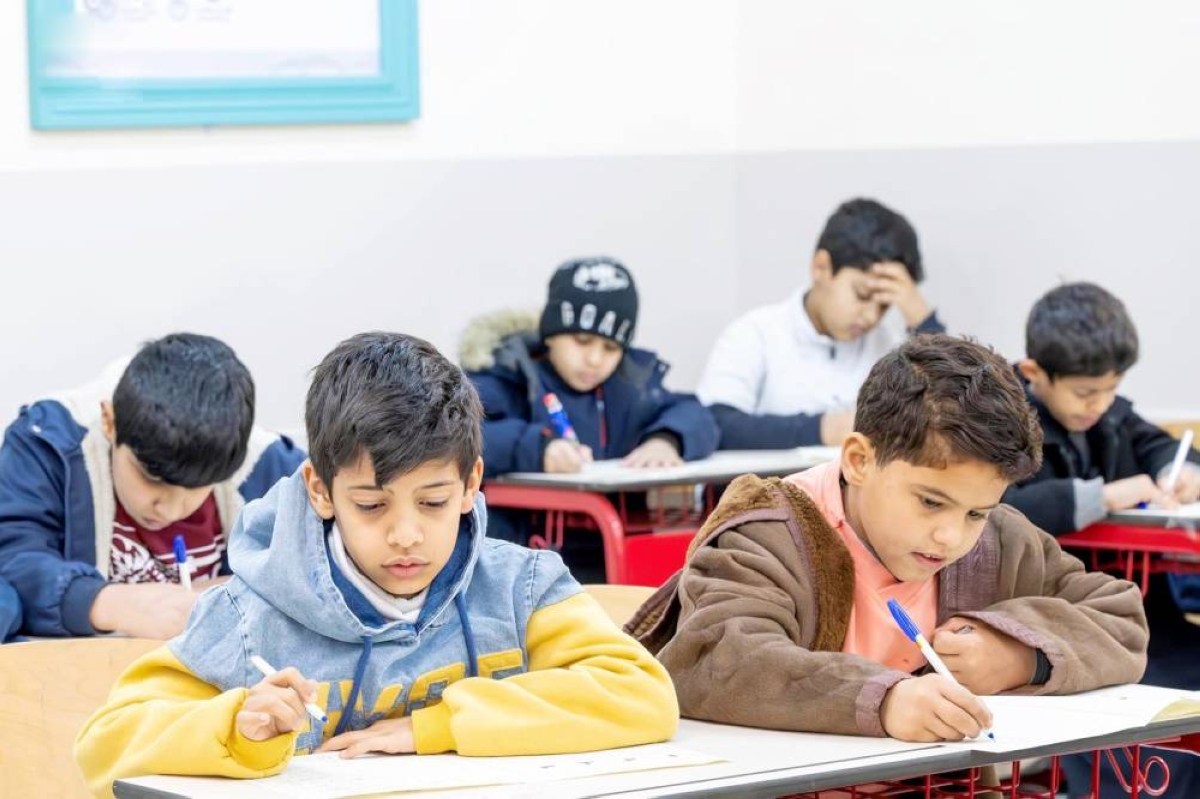
طلاب يتابعون دروسهم في مدارس بتبوك. (واس)


تابع قناة عكاظ على الواتساب
عبدالله الدهاس (مكة المكرمة) aldhass@
Today (Monday), standardized tests in reading for fourth-grade students in all educational administrations are starting, to assess the students' abilities in reading in their native language and to identify areas of strength and weakness.
The Ministry of Education indicated that it will measure the extent to which students can understand, comprehend, and use written texts and interact with them, in order to achieve their goals, develop their knowledge and capabilities, and participate effectively in society. This will be done by targeting reading skills represented in criticism, evaluation, direct inference, integration, interpretation, understanding, and retrieval. It pointed out that the tests aim to enhance reading skills and reading comprehension, with a focus on critical, analytical, and creative thinking skills, problem-solving, and preparing students to deal with digital and non-linear texts, as well as managing digital content and developing understanding of texts that contain lists, links, images, and tables. It also aims to prepare students psychologically and experientially for the actual test, train them on time management during the test, boost their self-confidence, enrich students' knowledge with a number of texts (literary - informational), assess students' reading comprehension abilities, and determine the extent of their language skills development. Additionally, it supports fourth-grade students during the critical period when they transition from learning to read to reading to learn, analyzes student performance based on different reading skills to monitor progress in reading literacy, and improves reading skills through periodic practices between training and assessment according to the approved plan. It also supports teachers in improving teaching with specific training models similar to those applied in standardized tests, diagnoses current student levels, provides reports to educational administrations, schools, and teachers to improve learning outcomes, supplies relevant parties with reports on learning outcomes to design and implement plans to bridge the gap between current levels, and provides decision-makers in the Ministry of Education with information about the quality of education in the Kingdom to make appropriate development decisions.
The Ministry of Education indicated that it will measure the extent to which students can understand, comprehend, and use written texts and interact with them, in order to achieve their goals, develop their knowledge and capabilities, and participate effectively in society. This will be done by targeting reading skills represented in criticism, evaluation, direct inference, integration, interpretation, understanding, and retrieval. It pointed out that the tests aim to enhance reading skills and reading comprehension, with a focus on critical, analytical, and creative thinking skills, problem-solving, and preparing students to deal with digital and non-linear texts, as well as managing digital content and developing understanding of texts that contain lists, links, images, and tables. It also aims to prepare students psychologically and experientially for the actual test, train them on time management during the test, boost their self-confidence, enrich students' knowledge with a number of texts (literary - informational), assess students' reading comprehension abilities, and determine the extent of their language skills development. Additionally, it supports fourth-grade students during the critical period when they transition from learning to read to reading to learn, analyzes student performance based on different reading skills to monitor progress in reading literacy, and improves reading skills through periodic practices between training and assessment according to the approved plan. It also supports teachers in improving teaching with specific training models similar to those applied in standardized tests, diagnoses current student levels, provides reports to educational administrations, schools, and teachers to improve learning outcomes, supplies relevant parties with reports on learning outcomes to design and implement plans to bridge the gap between current levels, and provides decision-makers in the Ministry of Education with information about the quality of education in the Kingdom to make appropriate development decisions.


