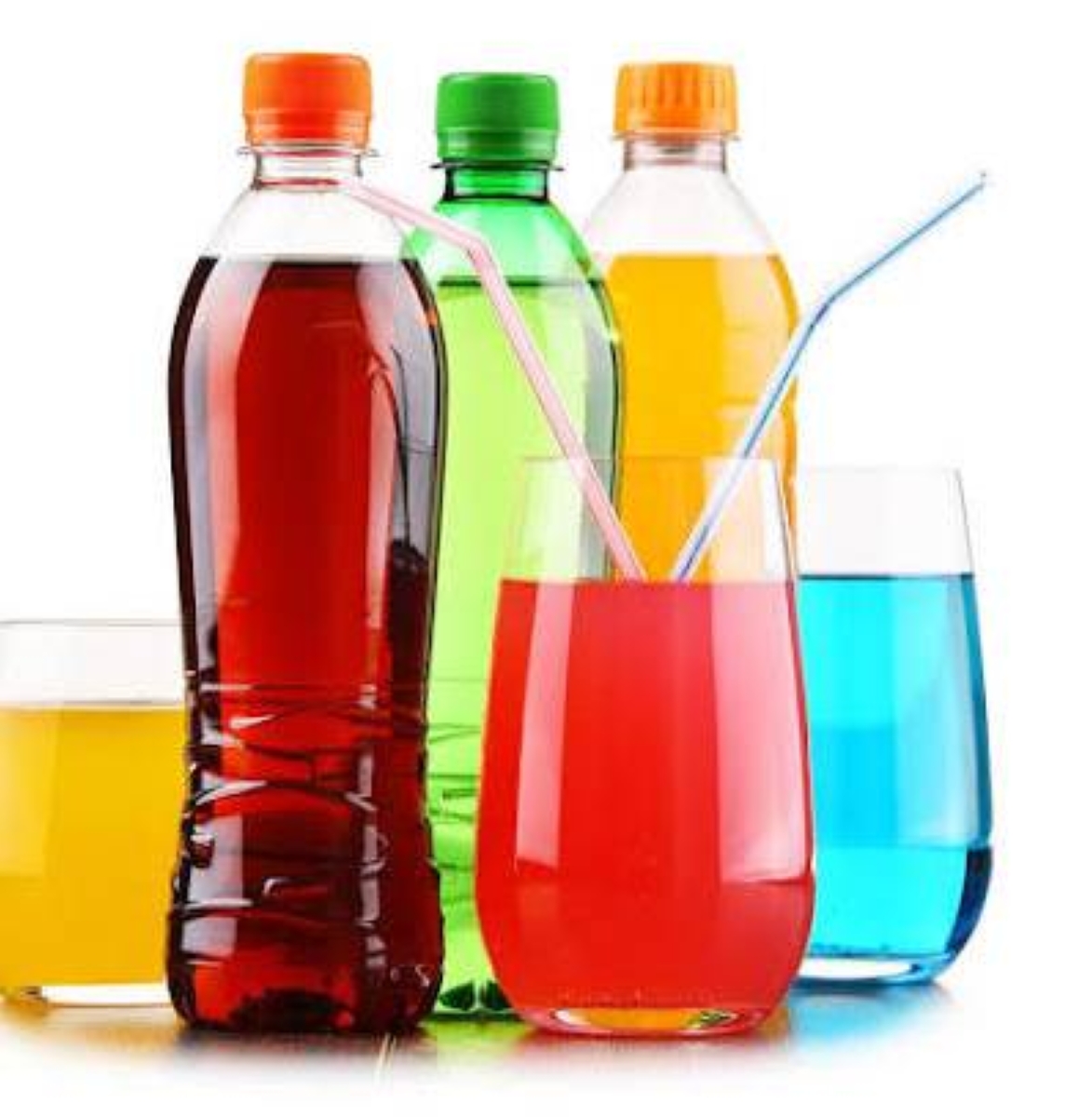
قدمت هيئة الزكاة والضريبة والجمارك، مقترحًا لتعديل لائحة نظام الضريبة الانتقائية، تضمن استحداث نظام متدرج من 4 شرائح ضريبية للمشروبات المحلاة؛ لخلق حافز اقتصادي مباشر للمنتجين لإعادة تركيبة منتجاتهم وتقليل محتوى السكر في المشروب.
ووفق الآلية الجديدة حال إقرارها، لا تفرض الضريبة الانتقائية على المشروبات المحلاة فقط بمحليات صناعية والتي لا تحتوي على سكر مضاف وكذلك لا تفرض الضريبة الانتقائية على المشروبات المحلاة التي تحتوي على كميات منخفضة من السكر (أقل من 5 جم من السكر لكل 100ملليتر)، وحُددت قيمة الضريبة عليها بـ«صفر ريال لكل لتر»، ويمثل ذلك رسالة واضحة للسوق والمستهلكين بأن الخيارات الصحية لن تتحمل أي عبء ضريبي إضافي، ويعكس التعديل تبني المملكة أفضل الممارسات العالمية في استخدام السياسات الضريبية لتشجيع المنتجين على ابتكار بدائل صحية، وتوجيه المستهلكين نحو خيارات أقل ضررا.
ويأتي ذلك في سياق أوسع يتماشى مع أهداف رؤية 2030، في بناء مجتمع حيوي ونظام صحي متكامل.
في المقابل، تتصاعد القيمة الضريبية مع زيادة محتوى السكر؛ وستخضع المشروبات متوسطة السكر «من 5 إلى 7.99 غرام» لضريبة قدرها 0.79 ريال لكل لتر، بينما ستواجه المشروبات عالية السكر «8 غرامات أو أكثر» أعلى شريحة ضريبية بقيمة 1.09 ريال لكل لتر، ما يعني المنتجات الأكثر ضررا على الصحة هي التي تتحمل العبء الضريبي الأكبر، مما قد ينعكس على سعر بيعها النهائي للمستهلك.
تأسيس أداة رقابية غير مسبوقة
وتضمنت التعديلات تأسيس أداة رقابية جديدة، والتي بموجبها يتم إلزام جميع المستوردين والمنتجين بتسجيل التفاصيل الخاصة بالسلعالانتقائية لدى الهيئة قبل طرحها للاستهلاك في المملكة.
ويمنح التعديل الهيئة صلاحيات واسعة لضمان دقة المعلومات المقدمة، إذ يمكنها تعليق أو إلغاء تسجيل أي سلعة، أو منعها من دخول السوق، في حال ثبوت عدم صحة البيانات المسجلة لدى الهيئة، خصوصًا تلك المتعلقة بالمكونات التي يُبنى عليها احتساب الضريبة، مثل محتوى السكر.
وتتيح التعديلات في حالات محددة للهيئة مطالبة الشركات بتقديم نتائج مخبرية معتمدة لتأكيد دقة بياناتها، مما يضع عبء الإثبات على عاتق المنتج والمستورد ويرفع من مستوى الشفافية في السوق.
من التعديلات المقترحة التأكيد على ضرورة الإفصاح الدقيق، إذ ألزمت المكلفين بالإبلاغ الذاتي عن أي خطأ في إقراراتهم الضريبية خلال 15 يوما من تاريخ اكتشافه مع صلاحيات أوسع لإجراء تقييم أو إعادة تقييم ضريبي، مع احتساب غرامة تأخير على النقص في الضريبة المستحقة غير المسددة.
وشملت التعديلات، توضيحات دقيقة لآلية احتساب الضريبة على المنتجات المركزة والمساحيق، والتي سيتم احتساب ضريبتها بناء على المشروب النهائي بعد التخفيف وفقا للإرشادات الموضحة على العبوة، مع منح محافظ الهيئة صلاحية تحديد المنهجية في حال عدم وضوح الإرشادات.
The Zakat, Tax and Customs Authority has proposed an amendment to the Excise Tax Regulation, which includes the introduction of a tiered system of 4 tax brackets for sweetened beverages; to create a direct economic incentive for producers to reformulate their products and reduce the sugar content in the beverage.
According to the new mechanism, if approved, the excise tax will not be imposed on sweetened beverages that contain only artificial sweeteners and do not contain added sugar. Additionally, the excise tax will not apply to sweetened beverages that contain low amounts of sugar (less than 5 grams of sugar per 100 milliliters), with the tax value set at "zero riyals per liter." This represents a clear message to the market and consumers that healthy options will not bear any additional tax burden, reflecting the Kingdom's adoption of best global practices in using tax policies to encourage producers to innovate healthy alternatives and guide consumers towards less harmful choices.
This comes in the broader context aligned with the goals of Vision 2030, in building a vibrant community and an integrated health system.
Conversely, the tax value increases with the sugar content; beverages with medium sugar content "from 5 to 7.99 grams" will be subject to a tax of 0.79 riyals per liter, while high-sugar beverages "8 grams or more" will face the highest tax bracket of 1.09 riyals per liter, meaning that the products most harmful to health will bear the largest tax burden, which may reflect on their final selling price to consumers.
Establishing an Unprecedented Regulatory Tool
The amendments included the establishment of a new regulatory tool, under which all importers and producers are required to register the details of the excise goods with the authority before they are released for consumption in the Kingdom.
The amendment grants the authority broad powers to ensure the accuracy of the information provided, as it can suspend or cancel the registration of any commodity or prevent it from entering the market if it is proven that the data registered with the authority is incorrect, especially those related to the components on which the tax calculation is based, such as sugar content.
The amendments allow the authority, in specific cases, to require companies to provide certified laboratory results to confirm the accuracy of their data, placing the burden of proof on the producer and importer and raising the level of transparency in the market.
Among the proposed amendments is the emphasis on the necessity of accurate disclosure, as it obliges taxpayers to self-report any errors in their tax declarations within 15 days of discovering them, with broader powers to conduct a tax assessment or reassessment, including a late penalty on the shortfall in unpaid tax due.
The amendments also included precise clarifications regarding the mechanism for calculating the tax on concentrated products and powders, which will be calculated based on the final beverage after dilution according to the guidelines specified on the packaging, granting the authority's governor the power to determine the methodology in cases where the guidelines are unclear.