في اليوم العربي لكبار السن، تؤكد السعودية حضورها الإنساني ببرامج نوعية تصنع الفارق بين الرعاية والاحترام.
قرابة مليون مواطن تجاوزوا الخامسة والستين يعيشون اليوم تجربة اجتماعية وصحية وتعليمية متكاملة، تجمع بين التشريع والتنفيذ ضمن رؤيةٍ تضع الإنسان في مركز التنمية وجودة الحياة.
في كل بيتٍ ودار رعاية ومستشفى ومدرسة تمتد يد الدولة نحو الكبار بإحساسٍ مؤسسي يجعل الوفاء جزءاً من بنية المجتمع لا سلوكاً فردياً.
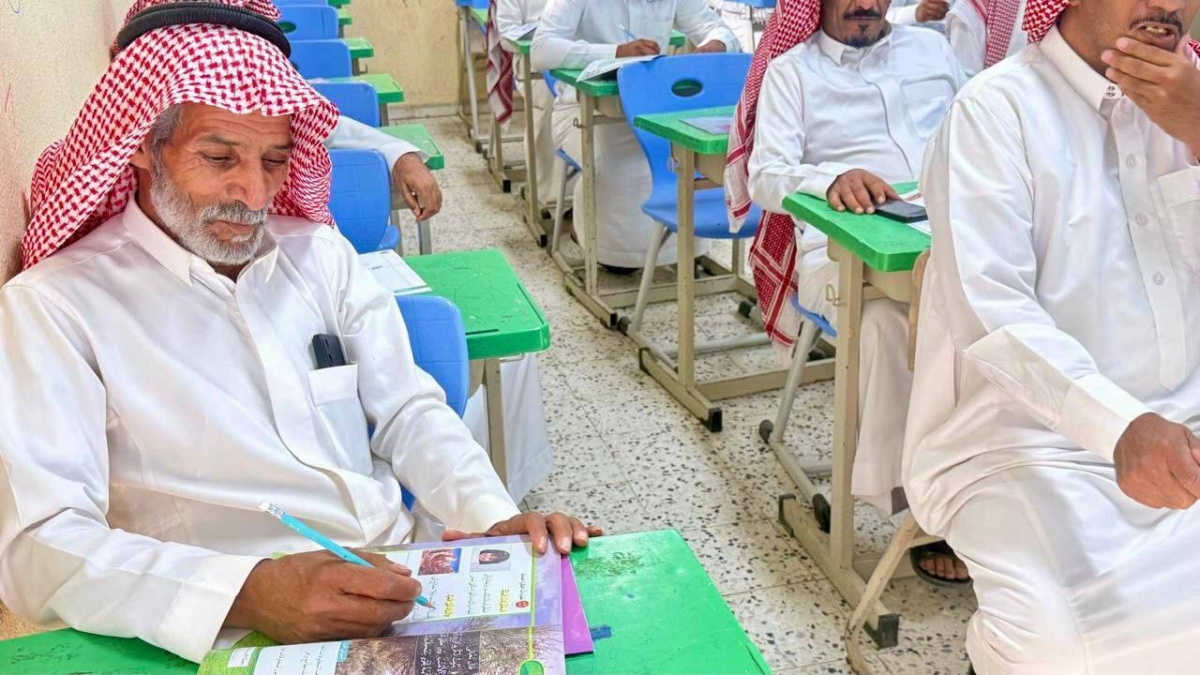
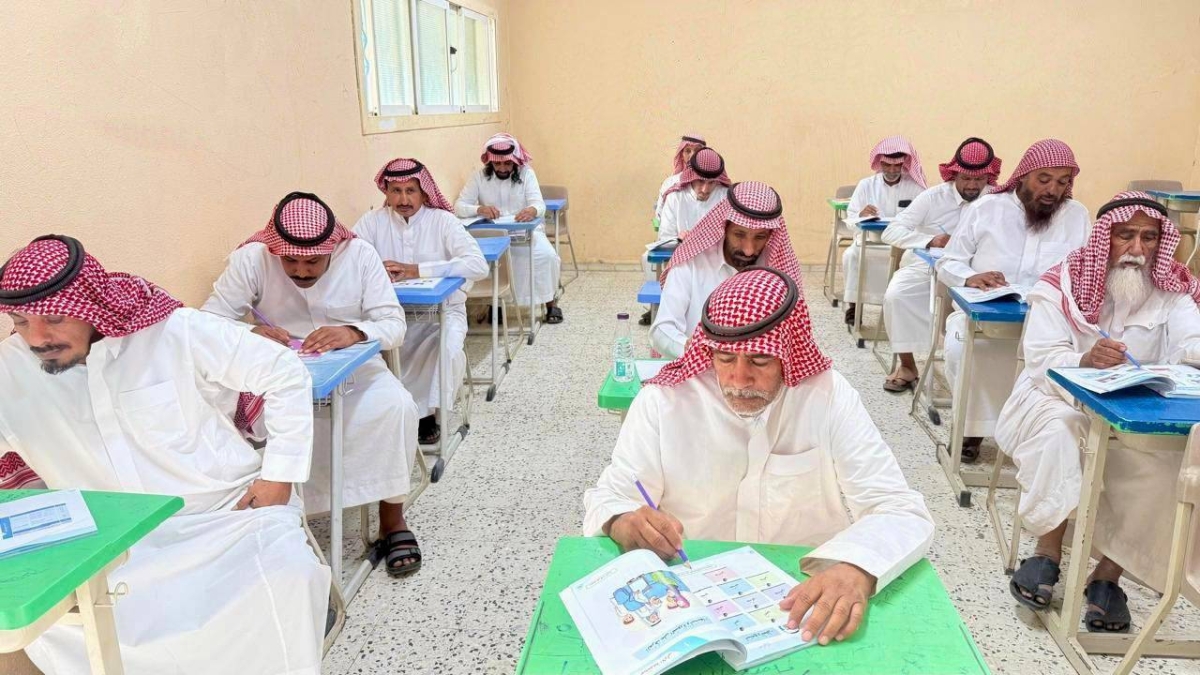
وزارة التعليم تقدم نموذجاً فريداً لتعليم الكبار عبر منظومة «التعليم المستمر» التي وصلت إلى 1,738 مدرسة.
القناة التعليمية عين تبث دروساً مخصصة للكبار، بينما تنفذ الوزارة 4 حملات صيفية لمحو الأمية في 75 مركزاً موزعة على 4 مناطق، استفاد منها أكثر من 2,100 من كبار السن خلال عام 2025.
التعليم هنا يفتح نوافذ جديدة للمعرفة ويمنح المسن فرصة تجديد مكانته في المجتمع بعقلٍ متجدد.
وزارة الموارد البشرية والتنمية الاجتماعية تدير شبكة من 12 دار رعاية اجتماعية تقدم خدمات الإيواء والعلاج والتأهيل.
برامج الرعاية المنزلية تصل إلى المسنين في بيوتهم، ومبادرة ديوانية الغالين تُعيد التواصل الإنساني والاجتماعي بين الأجيال.
الوزارة تعمل ضمن إطار نظام حقوق كبير السن ورعايته الذي أُقرّ عام 1443هـ ليضمن كرامة الشيخوخة ويوحّد جهود الرعاية عبر مؤسسات الدولة.
وزارة الصحة تتابع آلاف الحالات عبر برنامج الرعاية الصحية المنزلية، وتمنح بطاقة «أولوية» لكبار السن في المستشفيات والمراكز الطبية.
الوزارة ترفع الوعي بأمراض الشيخوخة وتدرّب الكوادر على تخصص طب كبار السن، وتربط الخدمات الصحية بمؤشرات جودة وأداء.
نظام حقوق كبير السن ورعايته يتكوّن من 23 مادة تُنظم بيئة العيش الكريم وتُعزز التكامل بين الجهات الحكومية والأهلية.
النظام يرسخ مفهوم المشاركة المجتمعية ويدعم الشراكات مع القطاع الخاص في مجالات الصحة والتعليم والرعاية الاجتماعية.
اليوم، تُثبت السعودية أن العمر لا يحدّ العطاء، وأن من وهب وطنه شبابه يجد وطنه في كِبره أكثر قرباً وإنصافاً.
رعاية الكبار في المملكة صورة من صور الإنسانية الحديثة التي تجعل الكرامة سياسة عامة، وتحوّل الوفاء إلى ممارسة يومية تُعبّر عن جوهر الدولة وقيمها الراسخة.
On the Arab Day for the Elderly, Saudi Arabia reaffirms its humanitarian presence with quality programs that make a difference between care and respect.
Nearly one million citizens over the age of sixty-five are today experiencing a comprehensive social, health, and educational experience, combining legislation and implementation within a vision that places the individual at the center of development and quality of life.
In every home, care facility, hospital, and school, the state extends its hand to the elderly with an institutional sense that makes loyalty a part of the community's structure, not an individual behavior.
The Ministry of Education presents a unique model for adult education through the "Continuing Education" system, which has reached 1,738 schools.
The educational channel "Ain" broadcasts lessons specifically for adults, while the ministry implements 4 summer campaigns for literacy in 75 centers distributed across 4 regions, benefiting more than 2,100 elderly individuals during the year 2025.
Education here opens new windows to knowledge and gives the elderly a chance to renew their status in society with a refreshed mind.
The Ministry of Human Resources and Social Development manages a network of 12 social care homes that provide shelter, treatment, and rehabilitation services.
Home care programs reach the elderly in their homes, and the "Diwaniyat Al-Ghalin" initiative restores human and social communication between generations.
The ministry operates within the framework of the Elderly Rights and Care System, which was approved in 1443 AH to ensure the dignity of aging and unify care efforts across state institutions.
The Ministry of Health follows up on thousands of cases through the home health care program and grants a "Priority" card to the elderly in hospitals and medical centers.
The ministry raises awareness about aging diseases and trains staff in the specialty of geriatric medicine, linking health services to quality and performance indicators.
The Elderly Rights and Care System consists of 23 articles that regulate the environment for dignified living and enhance integration between governmental and private entities.
The system solidifies the concept of community participation and supports partnerships with the private sector in the fields of health, education, and social care.
Today, Saudi Arabia proves that age does not limit giving, and that those who dedicate their youth to their homeland find it closer and fairer in their old age.
Caring for the elderly in the Kingdom is a reflection of modern humanity that makes dignity a public policy and transforms loyalty into a daily practice that expresses the essence of the state and its enduring values.