


تحظى صناعة العطور المحلية في السعودية بمكانة بارزة، فهي امتداد لإرث طويل يرتبط بالورد الطائفي والعود والمسك ودهن الورد. ورغم ما تحمله الصناعة من سمعة راسخة وجودة عالية، برزت في السنوات الأخيرة مخاوف متزايدة من انتشار عطور رخيصة مجهولة المصدر، أثارت شكاوى المستهلكين لارتباطها بأعراض مرضية، أبرزها التهابات الجيوب الأنفية والحساسية.وتعتمد المصانع المحلية المتخصصة في العطور على تقنيات تقليدية وحديثة لضمان نقاء المنتج، حيث تمر الزيوت العطرية بمراحل دقيقة من التبخير والتكثيف والتحكم في درجات الحرارة ما ينعكس على ثبات الرائحة وجودة المكونات، وهذه العمليات تكفل سلامة المستهلك وتحافظ على القيمة الاقتصادية للمنتج.في المقابل، يشكو كثير من المستهلكين من وجود عطور رخيصة تُباع في الأسواق الشعبية وبعض المتاجر الإلكترونية، وهذه المنتجات غالباً ما تحتوي على مواد كيميائية حادة أو مذيبات صناعية غير مطابقة للمواصفات، تؤدي إلى أعراض صحية مثل التهابات الجيوب الأنفية المتكررة، الحساسية الجلدية والتنفسية، الصداع المزمن نتيجة الروائح النفاذة ويعكس انتشار هذه المنتجات خللاً في الرقابة ووعي المستهلك، إذ يغري السعر المنخفض شريحة من المشترين، بينما يدفع آخرون ثمناً صحياً باهظاً.في المقابل، تضع الهيئة العامة للغذاء والدواء لوائح دقيقة لمراقبة جودة العطور ومنتجات التجميل، وتشترط تسجيل كل منتج في نظامها الإلكتروني الموحد قبل طرحه في الأسواق. كما تُلزم المستوردين والمصنّعين بتقديم ملف معلومات المنتج يتضمن بيانات السلامة والمكونات والاختبارات المخبرية. وتقوم الهيئة بجولات تفتيشية وسحب عينات من الأسواق للتأكد من خلو المنتجات من المواد الضارة، إضافة إلى إصدار شهادات مطابقة قبل دخول المنتجات عبر المنافذ الجمركية.لكن ضخامة السوق وتعدد منافذ البيع يظلان تحدياً، ما يستدعي تنسيق الجهود بين الهيئة ووزارة التجارة والبلديات، مع تعزيز وعي المستهلك بضرورة شراء المنتجات المسجّلة والمعروفة المصدر.السوق السعوديقُدِّر حجم سوق العطور في السعودية عام 2024 بنحو 1.9 مليار دولار أمريكي ومن المتوقع أن يصل إلى 2.7 مليار دولار بحلول 2033 بمعدل نمو سنوي مركب 3.9 ٪، بحسب «آي مارك».و تشير تقديرات أخرى إلى أن السوق قد يبلغ 3.09 مليار دولار بحلول 2033 بمعدل نمو يقارب 5 %، وفق (غلوب نيوز واير - Globe Newswire).وتستحوذ السعودية ت على 57.48% من سوق العطور في دول مجلس التعاون الخليجي عام 2024، حسب (موردور إنتلجنس - Mordor Intelligence).تحذيرات دوليةفي الولايات المتحدة حذرت الدكتورة جانيت غراف، طبيبة جلدية بارزة، من العطور المقلّدة والرخيصة وقالت: «تُسبب تهيج الجيوب الأنفية ونوبات ربو وحكة جلدية». وجاء التحذير في تقرير تلفزيوني سلط الضوء على مخاطر انتشار هذه المنتجات في الأسواق الأمريكية، وفي ماليزيا حذر صيادلة من العطور الرخيصة التي تباع في الأسواق الشعبية، مؤكدين أنها غالباً تحتوي على مواد كيميائية سامة مثل الفثالات والبارابين، وهي محفّزات ضارة للصحة، في إشارة إلى مواد مرتبطة باضطرابات هرمونية ومشكلات تنفسية. وفي هارفارد الطبية أشار تقرير علمي إلى أن ملصقات بعض العطور التي تحمل كلمة «Fragrance» قد تخفي وراءها مركّبات غير مصرح بها مثل الفثالات، مؤكداً أن هذه المواد ترتبط بـ «أمراض القلب، والسرطان، واضطرابات الغدد». وخلصت المكتبة الوطنية الأمريكية للطب (NCBI) عبر مراجع بحثية منشورة إلى أن العطور تحتوي على خليط معقّد من المواد الكيميائية، بعضها قد يؤدي إلى حساسية ملامسة وأعراض تنفسية، خاصة عند تكرار الاستخدام. وأكدت الجمعية الأمريكية للرئة (ALA)، أن الروائح الصناعية، سواءً في العطور أو البخور أو معطرات الجو، يمكن أن تطلق نوبات ربو أو تزيد أعراض مرض الانسداد الرئوي المزمن (COPD).
العطور المحلية بين جودة التقطير ومخاطر المقلّدات
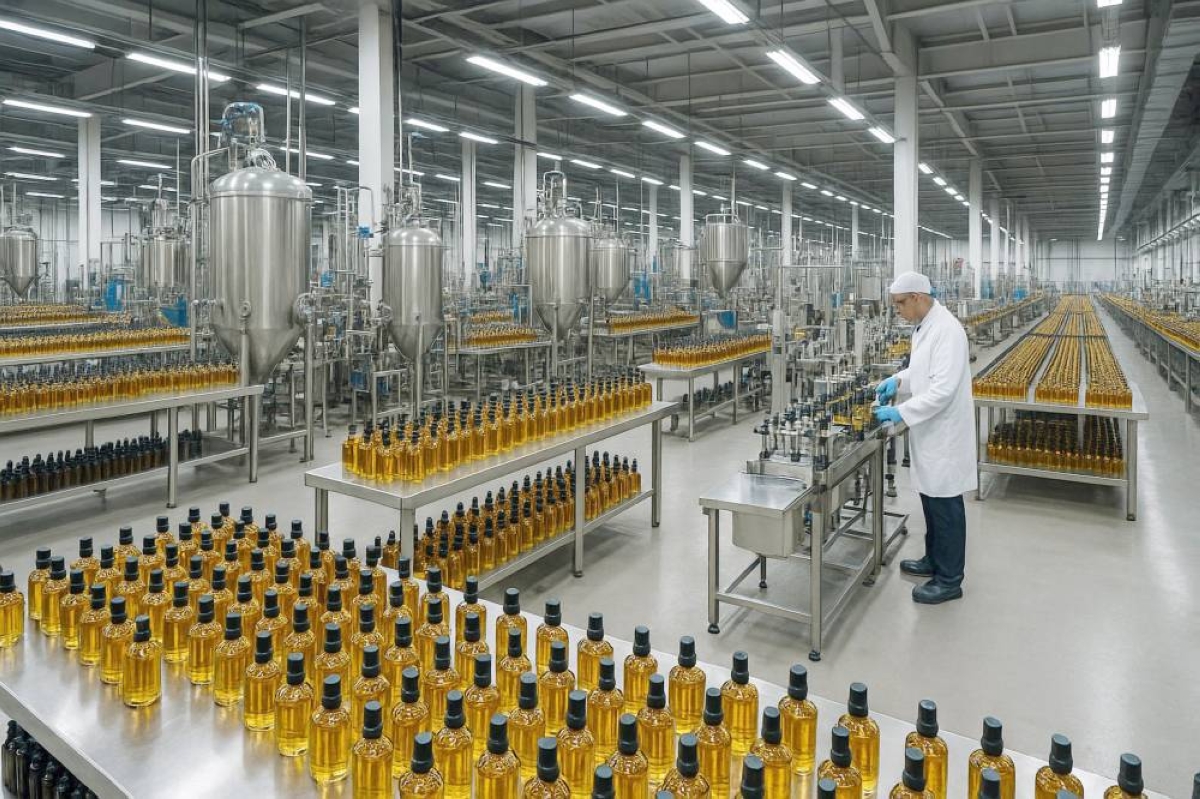


The local perfume industry in Saudi Arabia holds a prominent position, as it is an extension of a long heritage associated with Taif roses, oud, musk, and rose oil. Despite the industry’s established reputation and high quality, there have been increasing concerns in recent years about the spread of cheap, unknown-source perfumes, which have raised consumer complaints due to their association with health symptoms, most notably sinus infections and allergies. Local factories specializing in perfumes rely on both traditional and modern techniques to ensure product purity, where essential oils undergo precise stages of vaporization, condensation, and temperature control, reflecting on the stability of the scent and the quality of the ingredients. These processes ensure consumer safety and maintain the economic value of the product. Conversely, many consumers complain about the presence of cheap perfumes sold in popular markets and some online stores, which often contain harsh chemicals or industrial solvents that do not meet specifications, leading to health symptoms such as recurrent sinus infections, skin and respiratory allergies, and chronic headaches due to strong odors. The spread of these products reflects a failure in regulation and consumer awareness, as the low price entices a segment of buyers, while others pay a heavy health price. On the other hand, the Saudi Food and Drug Authority has established precise regulations to monitor the quality of perfumes and cosmetic products, requiring the registration of each product in its unified electronic system before it is launched in the markets. It also obliges importers and manufacturers to provide a product information file that includes safety data, ingredients, and laboratory tests. The authority conducts inspection tours and collects samples from the markets to ensure that products are free from harmful substances, in addition to issuing conformity certificates before products enter through customs. However, the vastness of the market and the multitude of sales outlets remain a challenge, necessitating coordination between the authority, the Ministry of Commerce, and municipalities, while enhancing consumer awareness of the necessity of purchasing registered products from known sources.
The Saudi market is estimated to have a perfume market size of approximately 1.9 billion US dollars in 2024 and is expected to reach 2.7 billion dollars by 2033, with a compound annual growth rate of 3.9%, according to "iMark." Other estimates suggest that the market could reach 3.09 billion dollars by 2033, with a growth rate of nearly 5%, according to Globe Newswire. Saudi Arabia holds 57.48% of the perfume market in the Gulf Cooperation Council countries in 2024, according to Mordor Intelligence.
International Warnings: In the United States, Dr. Janet Graff, a prominent dermatologist, warned against counterfeit and cheap perfumes, stating: "They cause irritation of the sinuses, asthma attacks, and skin itching." The warning came in a television report that highlighted the dangers of these products spreading in American markets. In Malaysia, pharmacists warned about cheap perfumes sold in popular markets, confirming that they often contain toxic chemicals such as phthalates and parabens, which are harmful health triggers, referring to substances linked to hormonal disorders and respiratory problems. A scientific report from Harvard Medical indicated that labels of some perfumes carrying the word "Fragrance" may conceal unauthorized compounds like phthalates, affirming that these substances are associated with "heart diseases, cancer, and gland disorders." The U.S. National Library of Medicine (NCBI) concluded through published research references that perfumes contain a complex mixture of chemicals, some of which may lead to contact allergies and respiratory symptoms, especially with repeated use. The American Lung Association (ALA) confirmed that synthetic fragrances, whether in perfumes, incense, or air fresheners, can trigger asthma attacks or exacerbate chronic obstructive pulmonary disease (COPD) symptoms.


