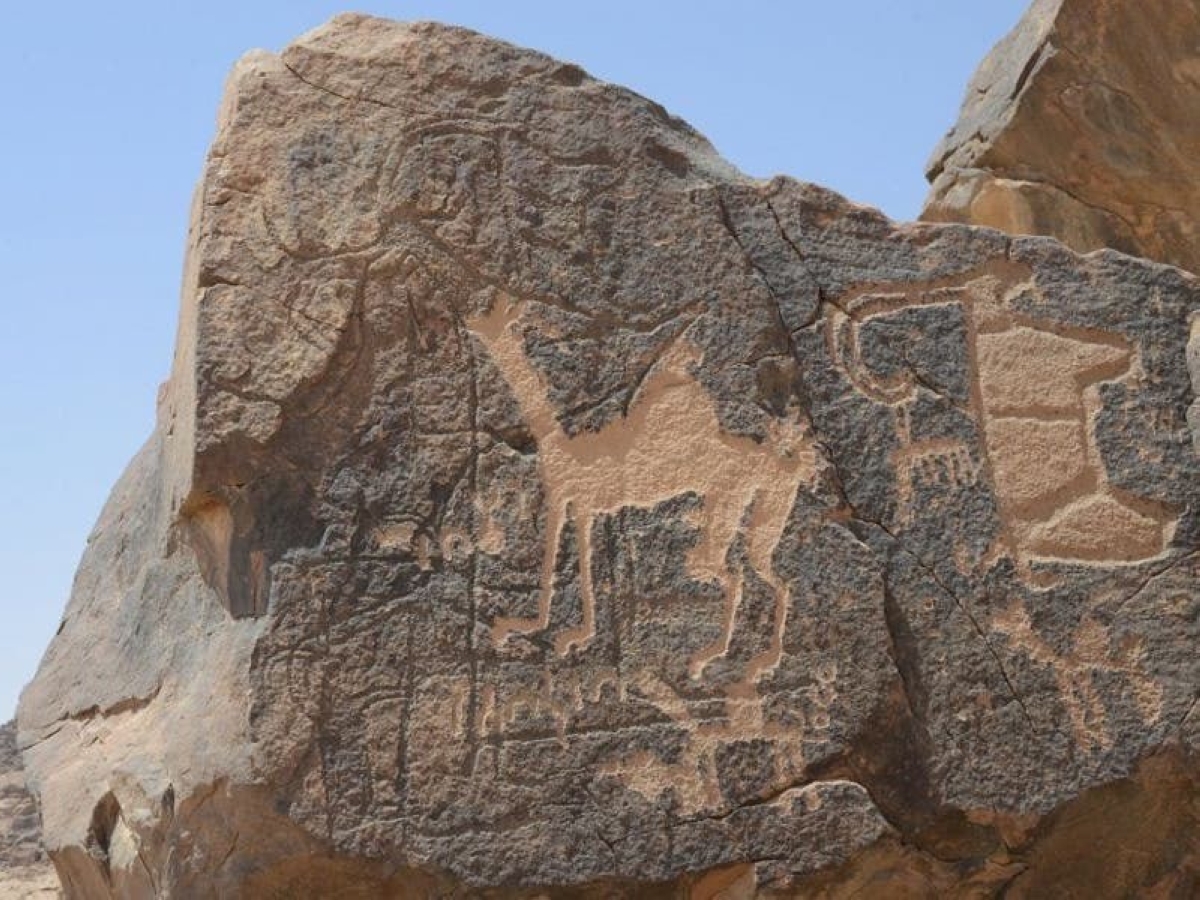
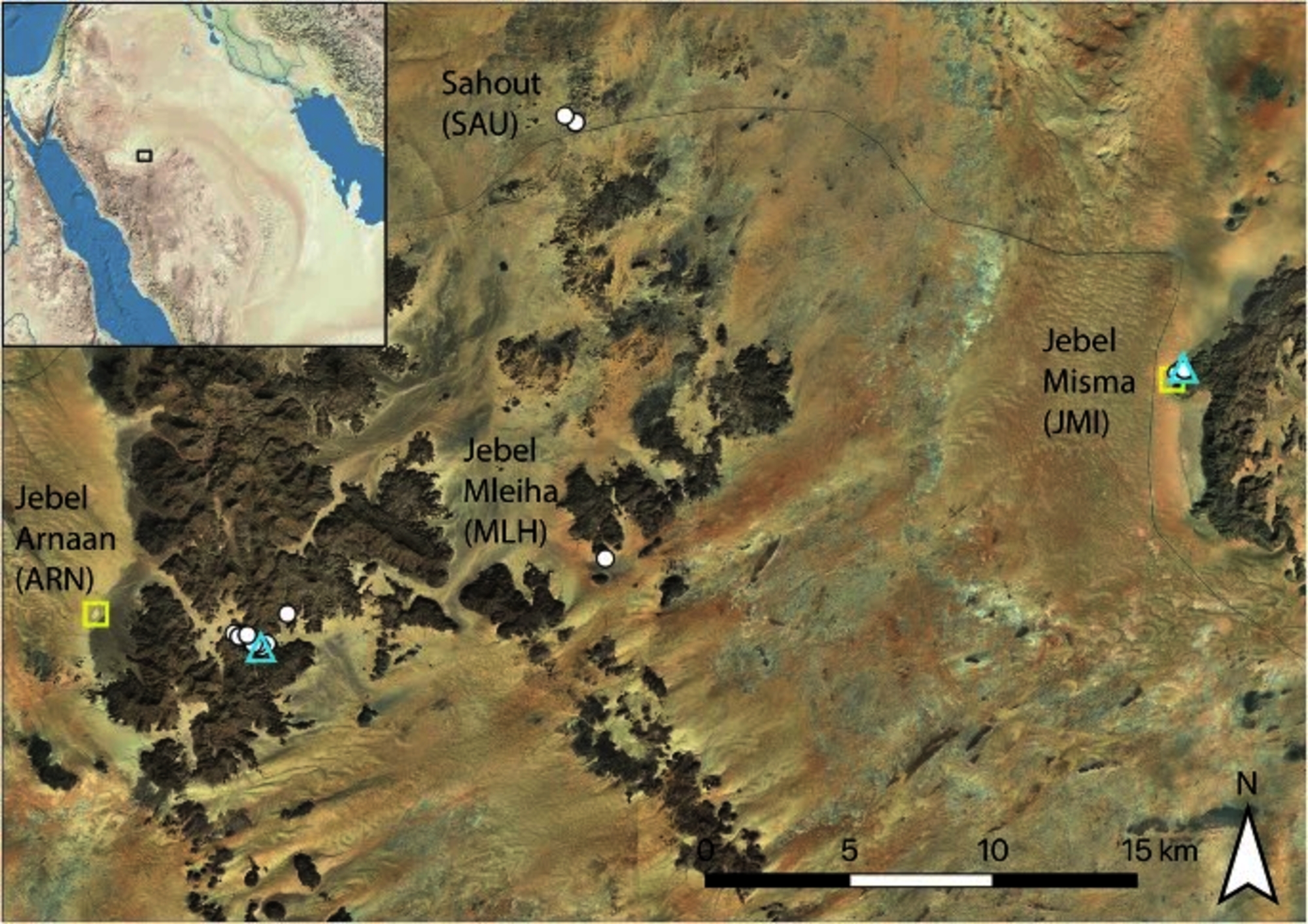
كشفت هيئة التراث عن نتائج علمية بارزة ضمن مشروع «الجزيرة العربية الخضراء»، تمثّلت في توثيق مجموعة من الفنون الصخرية الضخمة في منطقة حائل تعود إلى فترة زمنية تراوح ما بين 11,400 و12,800 سنة، ما يجعلها من أقدم الواجهات الصخرية الموثقة في المملكة والعالم. وجاء الإعلان بعد نشر الدراسة في مجلة Nature Communications العلمية المرموقة، بما يعكس الاعتراف الدولي بقيمة هذا الاكتشاف.
نقلة نوعية في فهم تاريخ الجزيرة
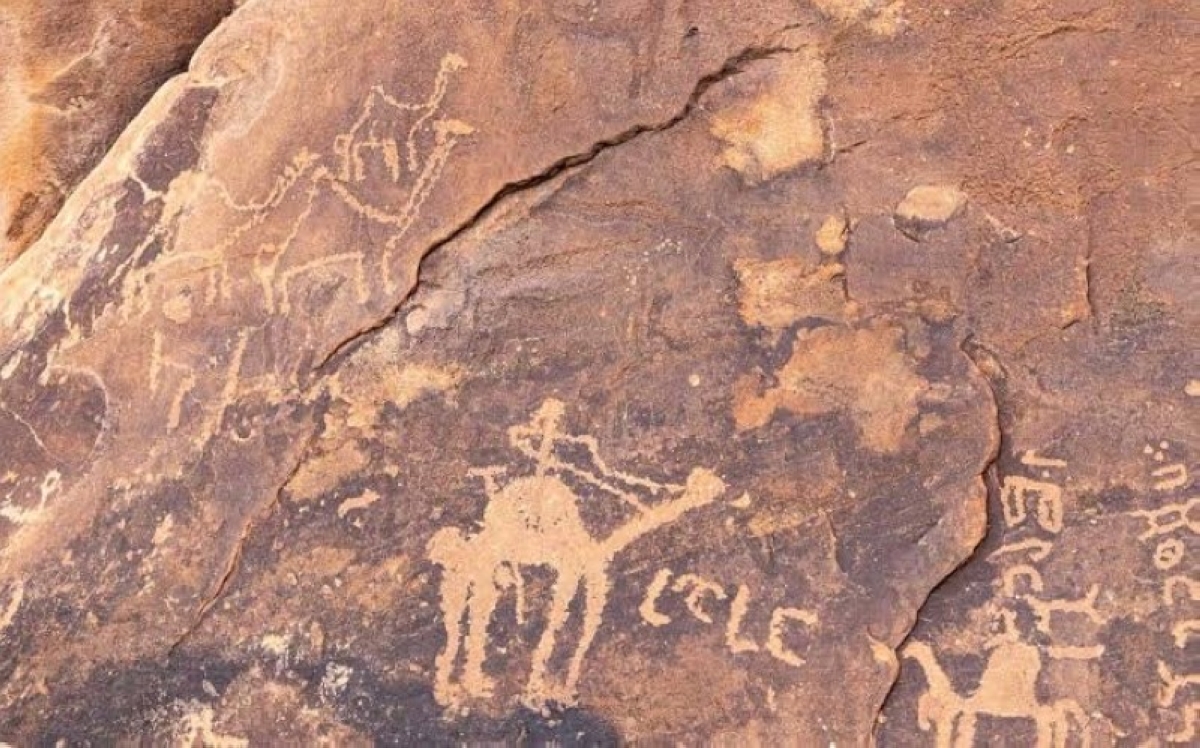
تشير التحليلات الأثرية والبيئية إلى أن تلك المواقع احتضنت مجتمعات بشرية عاشت على ضفاف بحيرات موسمية ظهرت عقب انتهاء العصر الجليدي الأخير. وقد ارتبطت هذه المجتمعات بأنشطة الاستيطان البشري المبكر، حيث عمدت إلى وسم طرقها ومصادر المياه بنقوش صخرية ضخمة، تضمنت أشكالاً لحيوانات مثل الجِمال والوعول والغزلان والماشية.
أقدم نحت للجمل في المملكة
أثبتت الدراسة أن بعض النقوش تمثّل أقدم نحت موثق للجمل في المملكة العربية السعودية، وهو ما يعكس القيمة الرمزية والاقتصادية لهذه الحيوانات في حياة المجتمعات القديمة. كما يُظهر الاكتشاف أن أشكال الفنون الصخرية ارتبطت بالأنشطة الاقتصادية وأنماط المعيشة، ما يفتح آفاقاً جديدة لفهم العلاقات الثقافية والتجارية التي ربطت شمال الجزيرة بمحيطها.
بُعد ثقافي وحضاري عالمي
يمثل هذا الاكتشاف خطوة مهمة في ترسيخ موقع المملكة على خريطة الدراسات الأثرية العالمية، ويعزز من قيمة الجزيرة العربية كإحدى البيئات الأولى التي احتضنت أنماطاً بشرية متقدمة. كما يسهم في إعادة صياغة السردية التاريخية للمنطقة بوصفها ملتقى للحضارات، ومركزاً للتفاعل الثقافي والاقتصادي منذ آلاف السنين.
The Heritage Authority has revealed significant scientific results within the "Green Arabian Peninsula" project, represented by the documentation of a collection of massive rock art in the Hail region dating back to a time range of 11,400 to 12,800 years, making it one of the oldest documented rock faces in the Kingdom and the world. The announcement came after the study was published in the prestigious scientific journal Nature Communications, reflecting international recognition of the value of this discovery.
A Qualitative Leap in Understanding the History of the Peninsula
Archaeological and environmental analyses indicate that these sites hosted human communities that lived along the shores of seasonal lakes that emerged after the end of the last Ice Age. These communities were associated with early human settlement activities, where they marked their paths and water sources with massive rock engravings, which included shapes of animals such as camels, ibex, deer, and livestock.
The Oldest Camel Carving in the Kingdom
The study confirmed that some of the engravings represent the oldest documented carving of a camel in the Kingdom of Saudi Arabia, reflecting the symbolic and economic value of these animals in the lives of ancient communities. The discovery also shows that the forms of rock art were linked to economic activities and lifestyles, opening new horizons for understanding the cultural and trade relationships that connected the north of the peninsula with its surroundings.
A Global Cultural and Civilizational Dimension
This discovery represents an important step in establishing the Kingdom's position on the map of global archaeological studies, enhancing the value of the Arabian Peninsula as one of the earliest environments that embraced advanced human patterns. It also contributes to reshaping the historical narrative of the region as a crossroads of civilizations and a center for cultural and economic interaction for thousands of years.