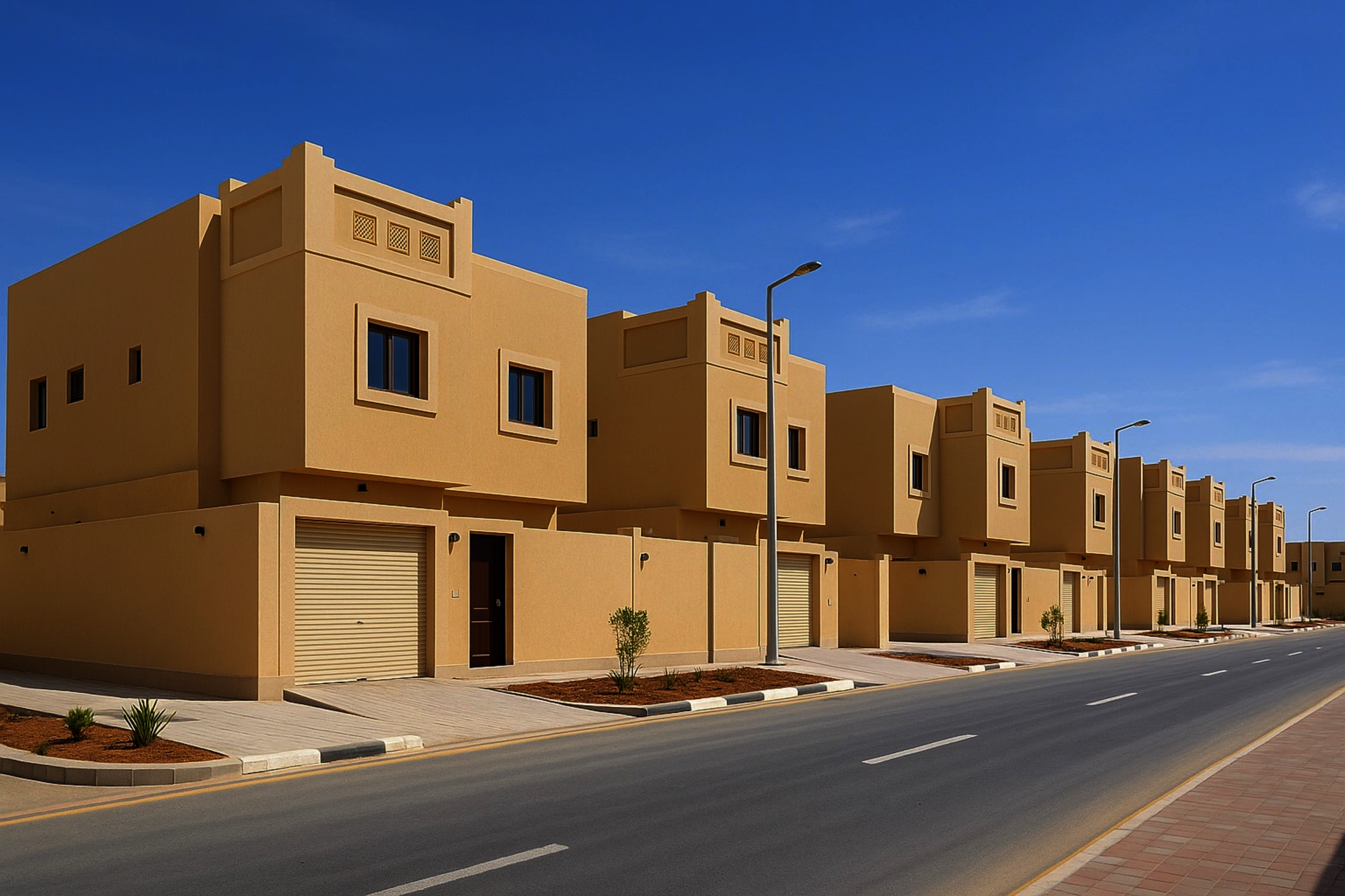
لا يعيش السوق العقاري في المملكة مرحلة عابرة، بل يمر بأكثر لحظاته حساسية، إذ تحوّل السكن من مجرد بند إنفاق إلى مؤشر يقيس استقرار الاقتصاد والأسرة معا. وفي هذا السياق، جاءت إيضاحات رئيس الهيئة العامة للعقار في المؤتمر الصحفي الحكومي يوم الاثنين 29 سبتمبر 2025 لتكشف بوضوح: سوق الإيجار واسع ومتنوّع، بعيد عن الاحتكار، لكنه مثقل بنقص المعروض الذي فجّر الأسعار إلى مستويات غير مقبولة.
فجوة العرض والطلب
حديث رئيس الهيئة لم يقتصر على توصيف السوق، بل وضع يده على الجرح: الفجوة بين العرض والطلب. فبحسب بيانات الهيئة العامة للإحصاء، تستنزف تكاليف السكن ما يقارب 22% من إنفاق الأسر الاستهلاكي، ومع ارتفاعات تجاوزت 20% في بعض المدن الرئيسية خلال العامين الماضيين، تحوّل السكن إلى عبء خانق يضغط على دخل الأسرة ويقلّص قدرتها على الادخار.
تجارب المقارنة
إعلان الهيئة عن «نموذج شامل ومتوازن» لا يمكن فهمه بعيدا عن تقرير الإسكان السنوي 2023، الذي أشار إلى مقارنة معيارية مع دول مثل الولايات المتحدة، كندا، فرنسا، وأستراليا.
الولايات المتحدة: أزمة الرهن العقاري 2008 أظهرت أن التمويل بلا ضوابط يقود إلى انهيار.
كندا: فرضت قيودا على شراء الأجانب بعد أن التهمت المضاربة قدرة الأسر على التملك.
فرنسا: اعتمدت دعما مباشرا للإيجار ليحمي الأسر محدودة الدخل.
أستراليا: رغم منحها للمشترين الجدد، تحولت الأسعار إلى تضخم مزمن بفعل الاستثمارات الخارجية.
النموذج السعودي، كما أوضح رئيس الهيئة، يستهدف تجاوز هذه السلبيات من خلال تحفيز التطوير، ضبط التمويل، وتنظيم الإيجارات إلكترونيا، بما يخلق سوقا أكثر توازنا وعدالة.
العدالة السكنية
هذه هي نظرة رؤية 2030: أن تصبح العدالة السكنية جزءا لا يتجزأ من العدالة الاجتماعية، وأن ينعكس استقرار السوق على استقرار بيت كل مواطن.
The real estate market in the Kingdom is not experiencing a transient phase; rather, it is going through one of its most sensitive moments, as housing has shifted from merely an expenditure item to an indicator measuring both economic and family stability. In this context, the clarifications made by the Chairman of the General Authority for Real Estate during the government press conference on Monday, September 29, 2025, clearly revealed: the rental market is vast and diverse, far from monopolization, but it is burdened by a lack of supply that has driven prices to unacceptable levels.
Supply and Demand Gap
The Chairman's remarks did not only describe the market but also pinpointed the wound: the gap between supply and demand. According to data from the General Authority for Statistics, housing costs consume approximately 22% of household consumption expenditure, and with increases exceeding 20% in some major cities over the past two years, housing has become a suffocating burden that pressures household income and reduces their ability to save.
Comparative Experiences
The Authority's announcement of a "comprehensive and balanced model" cannot be understood apart from the 2023 Annual Housing Report, which indicated a benchmark comparison with countries such as the United States, Canada, France, and Australia.
United States: The 2008 mortgage crisis showed that unregulated financing leads to collapse.
Canada: Restrictions were imposed on foreign purchases after speculation devoured families' ability to own homes.
France: Direct rental support was adopted to protect low-income families.
Australia: Despite offering incentives to new buyers, prices turned into chronic inflation due to foreign investments.
The Saudi model, as explained by the Chairman of the Authority, aims to overcome these negatives by stimulating development, regulating financing, and organizing rentals electronically, creating a more balanced and fair market.
Housing Justice
This is the vision of Vision 2030: to make housing justice an integral part of social justice, and for market stability to reflect on the stability of every citizen's home.