تستعد هيئة تقويم التعليم والتدريب لإطلاق الدورة الثانية من التصنيف السعودي العالمي لمؤسسات التعليم العالي صقر 2026، والذي يعد إحدى مبادرات برنامج تنمية القدرات البشرية ضمن برامج تحقيق رؤية المملكة.
ويهدف التصنيف إلى تعزيز جودة التعليم والتميز المؤسسي في المملكة، بما يتماشى مع أهداف رؤية السعودية 2030، ومستهدفات برنامج تنمية القدرات البشرية والمواءمة مع سوق العمل والإسهام في التنمية المستدامة وتعزيز الأبحاث والتطوير والابتكار والتنافس الإيجابي ودعم التميز المؤسسي، وتحسين الكفاءة والاستدامة، مشيرةً إلى أن فئات التصنيف تشمل فئتين رئيسيتين هما: الفئة التعليمية، وتضم مجالين رئيسيين و5 مجالات فرعية و14 مؤشراً، بينما تشمل الفئة الشاملة 4 مجالات رئيسية و10 مجالات فرعية و25 مؤشراً، لافتةً إلى أن المؤسسات المستهدفة هي: الجامعات والكليات الحكومية والمستقلة والجامعات والكليات الأهلية. الجدير بالذكر، أن الهيئة انتهت من مرحلة تقويم وتصنيف مدارس التعليم العام بقطاعيها للبنين والبنات خلال السنوات الثلاث الماضية عبر فرق متخصصة، حيث تم تصنيف المدارس إلى مستويات تشمل التميز، والتقدم، والانطلاق، والتهيئة، مشترطة للحصول على مستوى التميز، أن تحصل المدرسة على 75 % على الأقل في المجالات الرئيسية: وهي الإدارة المدرسية، والتعليم والتعلم، ونواتج التعلم، والبيئة المدرسية، بالإضافة إلى درجة إجمالية 90 % فأكثر.
بعد مدارس التعليم العام.. هيئة تقويم التعليم:
بدء المرحلة الثانية لتصنيف الجامعات الحكومية والأهلية بالمملكة
28 سبتمبر 2025 - 04:01
|
آخر تحديث 28 سبتمبر 2025 - 04:01
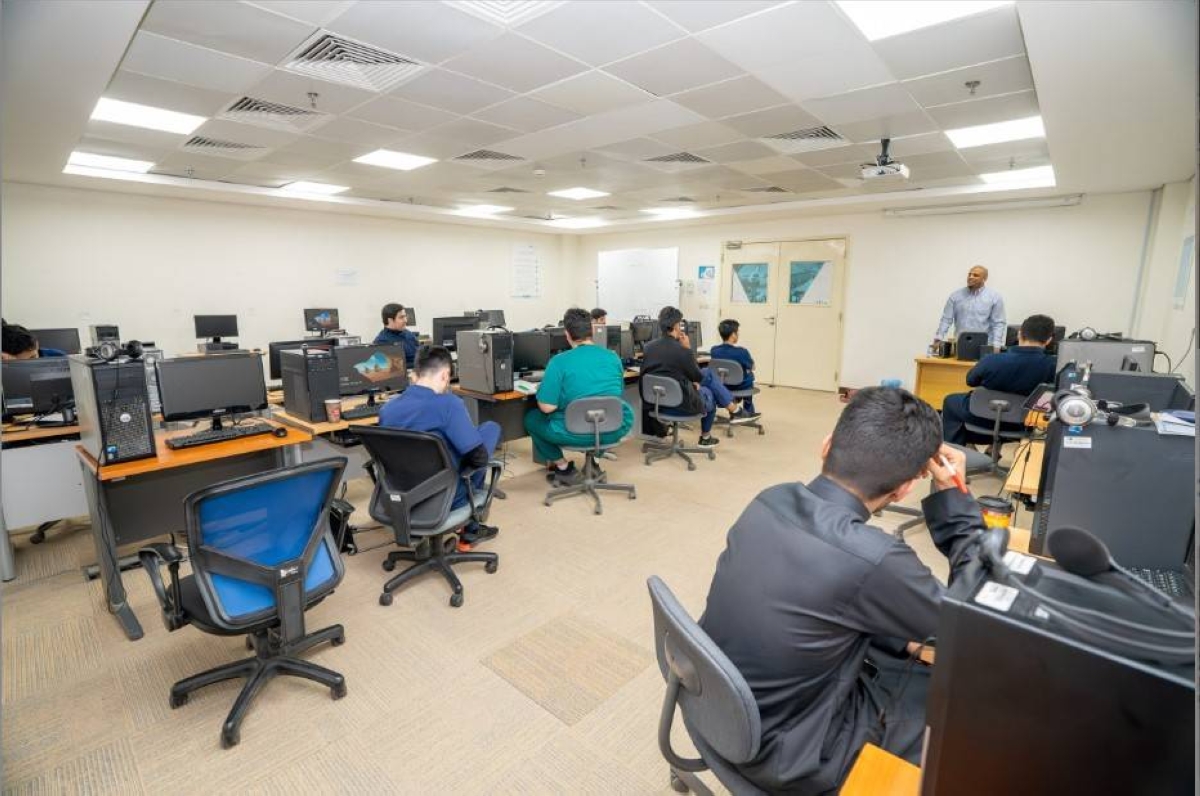
طلاب في جامعة أهلية. (متداولة)


تابع قناة عكاظ على الواتساب
عبدالله الدهاس (مكة المكرمة) aldhass@
The Education and Training Evaluation Commission is preparing to launch the second round of the Saudi Global Classification for Higher Education Institutions, Saqr 2026, which is one of the initiatives of the Human Capacity Development Program within the programs to achieve the Kingdom's Vision.
The classification aims to enhance the quality of education and institutional excellence in the Kingdom, in line with the goals of Saudi Vision 2030, the targets of the Human Capacity Development Program, alignment with the labor market, contribution to sustainable development, enhancement of research, development, and innovation, positive competition, and support for institutional excellence, as well as improving efficiency and sustainability. It is noted that the classification categories include two main categories: the educational category, which includes two main fields, five sub-fields, and 14 indicators, while the comprehensive category includes four main fields, ten sub-fields, and 25 indicators. It is highlighted that the targeted institutions are: public and independent universities and colleges, as well as private universities and colleges. It is worth mentioning that the Commission has completed the evaluation and classification phase of public education schools in both boys' and girls' sectors over the past three years through specialized teams, where schools were classified into levels including excellence, progress, launch, and preparation. To achieve the level of excellence, a school must obtain at least 75% in the main fields: school management, teaching and learning, learning outcomes, and the school environment, in addition to an overall score of 90% or more.
The classification aims to enhance the quality of education and institutional excellence in the Kingdom, in line with the goals of Saudi Vision 2030, the targets of the Human Capacity Development Program, alignment with the labor market, contribution to sustainable development, enhancement of research, development, and innovation, positive competition, and support for institutional excellence, as well as improving efficiency and sustainability. It is noted that the classification categories include two main categories: the educational category, which includes two main fields, five sub-fields, and 14 indicators, while the comprehensive category includes four main fields, ten sub-fields, and 25 indicators. It is highlighted that the targeted institutions are: public and independent universities and colleges, as well as private universities and colleges. It is worth mentioning that the Commission has completed the evaluation and classification phase of public education schools in both boys' and girls' sectors over the past three years through specialized teams, where schools were classified into levels including excellence, progress, launch, and preparation. To achieve the level of excellence, a school must obtain at least 75% in the main fields: school management, teaching and learning, learning outcomes, and the school environment, in addition to an overall score of 90% or more.