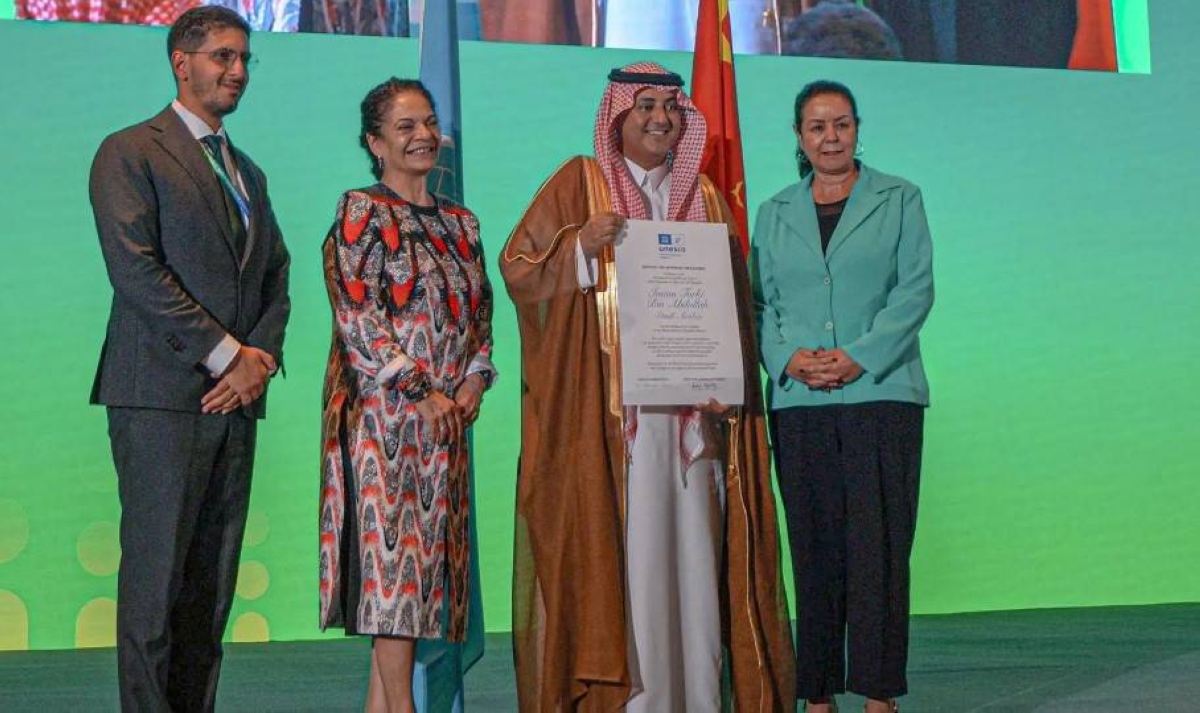
أعلنت هيئة تطوير محمية الإمام تركي بن عبدالله الملكية انضمامها رسمياً إلى برنامج الإنسان والمحيط الحيوي (MAB) التابع لمنظمة الأمم المتحدة للتربية والعلوم والثقافة (اليونسكو)، لتكون بذلك أول محمية ملكية سعودية تحظى بهذا الاعتراف الدولي الرفيع.
محطة بارزة تعكس التزام المملكة الراسخ بحماية بيئاتها الطبيعية
ويعد هذا الإنجاز محطة بارزة تعكس التزام المملكة الراسخ بحماية بيئاتها الطبيعية، وتعزيز حضورها العالمي في مجالات صون التنوع الأحيائي وتحقيق التنمية المستدامة، انسجاماً مع مستهدفات رؤية المملكة 2030.
وقال وزير الدولة عضو مجلس الوزراء رئيس مجلس إدارة هيئة تطوير محمية الإمام تركي بن عبدالله الملكية الأمير تركي بن محمد بن فهد بن عبدالعزيز: «إن هذا الاعتراف الدولي لا يمثل مجرد إنجاز بيئي فحسب، بل هو شهادة عالمية على ريادة المملكة بقيادة خادم الحرمين الشريفين الملك سلمان بن عبدالعزيز آل سعود، وولي العهد رئيس مجلس الوزراء الأمير محمد بن سلمان بن عبدالعزيز آل سعود، في تقديم نموذج وطني استثنائي لإدارة المحميات الملكية، يجمع بين عراقة المكان وابتكار أساليب الحماية، ويرسخ مفهوم التنمية المستدامة».
حصاد سنوات من العمل والتخطيط
وأضاف الأمير تركي بن محمد أن هذا الإنجاز يأتي ليُجسد حصاد سنوات من العمل المؤسسي، والتخطيط الإستراتيجي المتكامل الذي راعى الأبعاد البيئية والمجتمعية والاقتصادية على حد سواء.
وأكد الأمير تركي بن محمد أن التوجيهات والدعم من ولي العهد كان لهما الأثر الأكبر لما وصل له قطاع المحميات في المملكة من تقدم وازدهار.
ماهو برنامج الإنسان والمحيط الحيوي (MAB) ؟
يذكر أن برنامج الإنسان والمحيط الحيوي (MAB)، الذي تأسس عام 1971، يعنى بتحقيق الاستدامة في التنوع الأحيائي النباتي والحيواني، والتنوع البيئي، من خلال وضع معايير واشتراطات علمية صارمة تطبق على المحميات الطبيعية حول العالم، كما يهدف البرنامج إلى تعزيز جودة التفاعل بين الإنسان وبيئته، ومتابعة التغيرات في المحيط الحيوي الناتجة عن الأنشطة البشرية، والحد من آثارها السلبية.
وجاء هذا الاعتراف الدولي تتويجاً لاستيفاء المحمية لمجموعة من المعايير العالمية التي تشمل الإدارة المستدامة للمناطق ذات القيمة البيئية العالية، ودعم برامج التعليم البيئي، وتمكين المجتمع المحلي من الإسهام في الحماية والتوعية، وابتكار فرص اقتصادية قائمة على موارد المكان، بما يجسد نجاح الجهود الوطنية في المواءمة بين صون النظم البيئية وتحفيز التنمية المجتمعية والاقتصاد المحلي.
The Imam Turki bin Abdullah Royal Reserve Development Authority has officially announced its joining the Man and the Biosphere (MAB) program, which is affiliated with the United Nations Educational, Scientific and Cultural Organization (UNESCO), thus becoming the first Saudi royal reserve to receive this prestigious international recognition.
A Milestone Reflecting the Kingdom's Firm Commitment to Protecting Its Natural Environments
This achievement is a significant milestone that reflects the Kingdom's steadfast commitment to protecting its natural environments and enhancing its global presence in biodiversity conservation and sustainable development, in line with the goals of Saudi Vision 2030.
The Minister of State, Member of the Council of Ministers, and Chairman of the Board of Directors of the Imam Turki bin Abdullah Royal Reserve Development Authority, Prince Turki bin Mohammed bin Fahd bin Abdulaziz, stated: “This international recognition is not just an environmental achievement; it is a global testament to the Kingdom's leadership under the Custodian of the Two Holy Mosques, King Salman bin Abdulaziz Al Saud, and the Crown Prince and Prime Minister, Prince Mohammed bin Salman bin Abdulaziz Al Saud, in providing an exceptional national model for managing royal reserves that combines the heritage of the place with innovative protection methods, reinforcing the concept of sustainable development.”
The Harvest of Years of Work and Planning
Prince Turki bin Mohammed added that this achievement embodies the harvest of years of institutional work and comprehensive strategic planning that considered environmental, social, and economic dimensions alike.
He emphasized that the guidance and support from the Crown Prince have had the greatest impact on the progress and prosperity of the reserves sector in the Kingdom.
What is the Man and the Biosphere (MAB) Program?
It is worth noting that the Man and the Biosphere (MAB) program, established in 1971, is concerned with achieving sustainability in plant and animal biodiversity and environmental diversity by setting strict scientific standards and requirements applied to natural reserves worldwide. The program also aims to enhance the quality of interaction between humans and their environment, monitor changes in the biosphere resulting from human activities, and mitigate their negative impacts.
This international recognition came as a culmination of the reserve meeting a set of global standards that include sustainable management of areas with high environmental value, supporting environmental education programs, empowering the local community to contribute to protection and awareness, and innovating economic opportunities based on local resources, embodying the success of national efforts in reconciling ecosystem conservation with stimulating community development and the local economy.