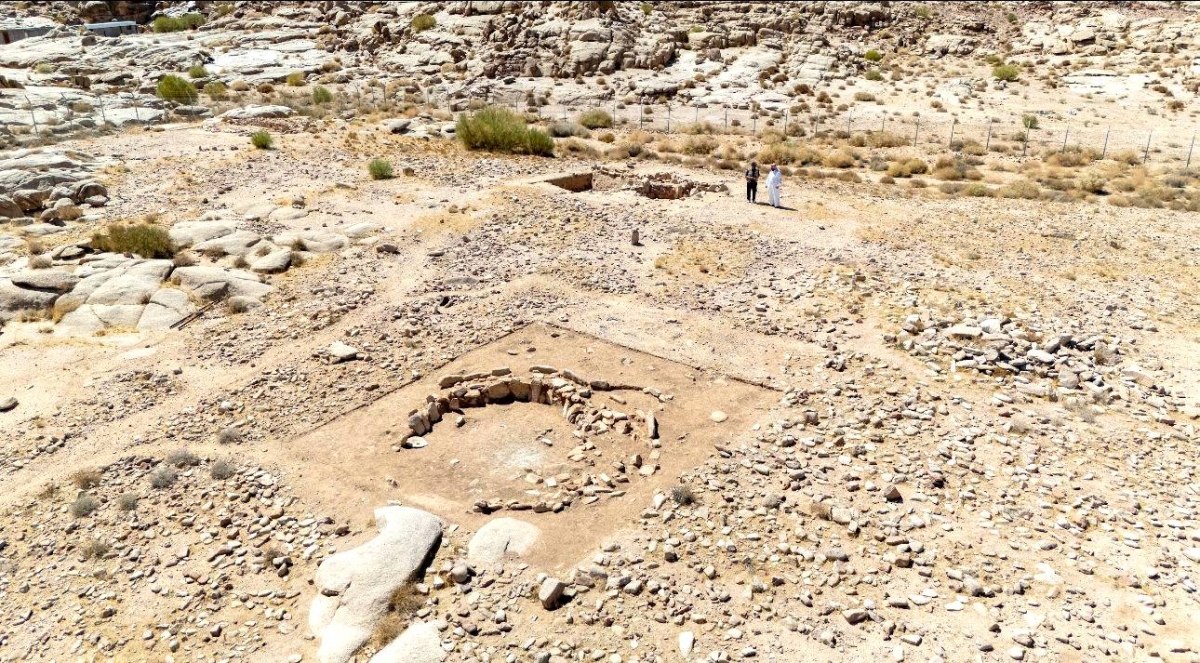
أعلن وزير الثقافة رئيس مجلس إدارة هيئة التراث الأمير بدر بن عبدالله بن فرحان اكتشاف أقدم مستوطنة معمارية في الجزيرة العربية، وذلك ضمن أعمال التنقيب الأثري التي تنفذها الهيئة بالشراكة مع جامعة «كانازاوا» اليابانية، وبالتعاون مع نيوم في موقع «مصيون» شمال غرب مدينة تبوك، ويعود تاريخ المستوطنة إلى العصر الحجري الحديث ما قبل الفخار، وتحديداً إلى الفترة بين 11000 و10300 سنة من الوقت الحاضر.
وأدرج موقع «مصيون» ضمن سجل الآثار الوطني منذ 1978م، إلا أن الدراسات الميدانية الحديثة، التي انطلقت في ديسمبر 2022م، أعادت الكشف عن أهميته التاريخية بوصفه أقدم نموذج معروف للاستقرار البشري في الجزيرة العربية.
ونفّذت هيئة التراث عبر فريقها العلمي المشترك مع الجامعة اليابانية أربعة مواسم ميدانية مكثفة حتى مايو 2024م، شملت أعمال تنقيب منظمة باستخدام منهجية علمية دقيقة، تضمّنت توثيق الطبقات الأثرية، وفرز وتصنيف المعثورات، وتحليل العينات العضوية لتحديد العمر الزمني بشكل مطلق.
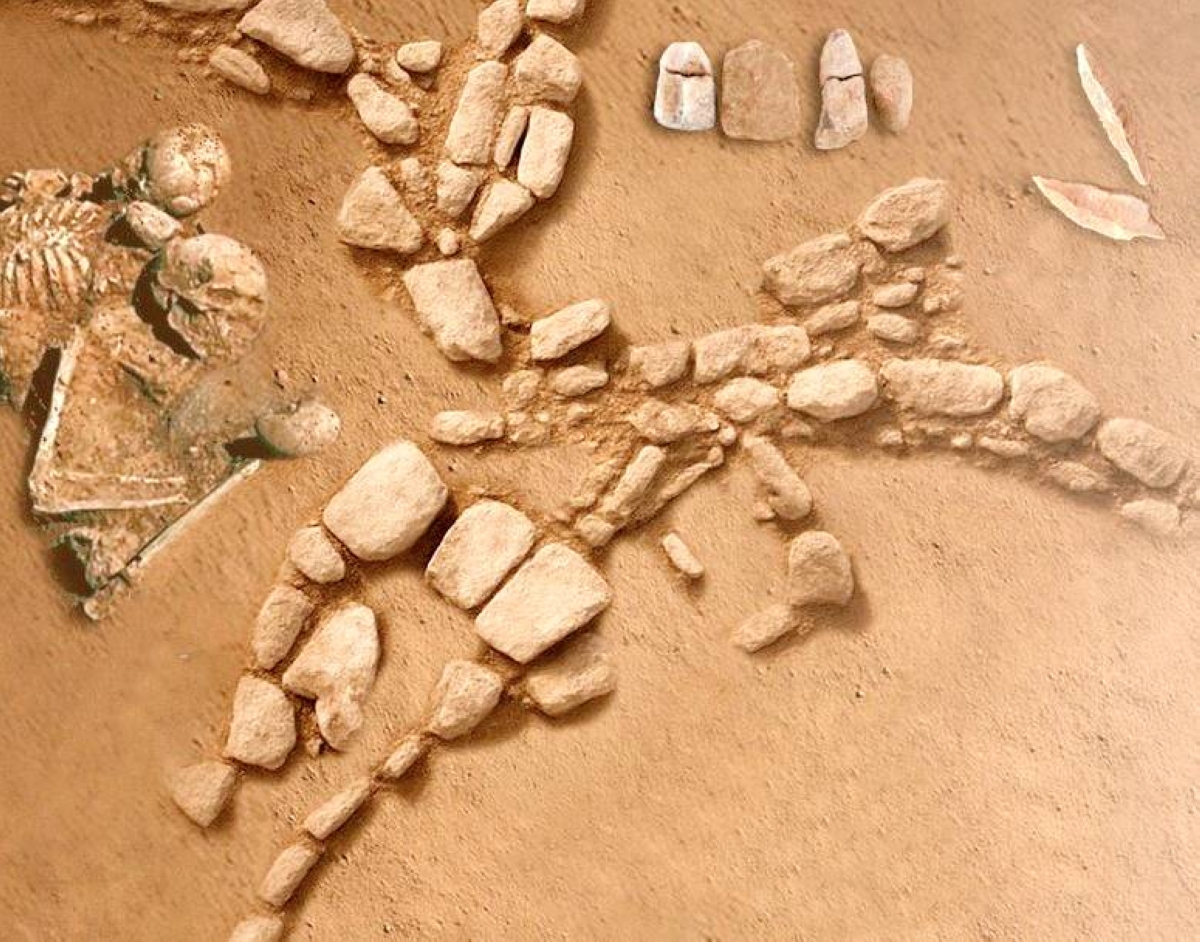
وأسفرت أعمال التنقيب عن اكتشاف وحدات معمارية شبه دائرية، مشيّدة بأحجار جرانيتية محلية تضم مباني سكنية، ومخازن، وممرات، ومواقد نار عكست تخطيطاً وظيفياً متقدماً يتناسب مع طبيعة العيش القائم على الصيد وزراعة الحبوب في تلك الفترة، وعثر على مجموعة كبيرة من الأدوات الحجرية تشمل رؤوس سهام، وسكاكين، ومطاحن يرجّح أنها استخدمت في درس الحبوب، إلى جانب أدوات زينة مصنوعة من أحجار الأمازونيت، والكوارترز، والأصداف، ومواد خام تدل على نشاط إنتاجي داخل المستوطنة.
وشملت المعثورات أيضاً بقايا نادرة لهياكل بشرية وحيوانية، وقطعاً حجرية مزخرفة بخطوط هندسية، ما يشير إلى دلالات رمزية، ويمنح الباحثين بعداً أعمق لفهم نمط الحياة الاجتماعية والاقتصادية والثقافية في المنطقة خلال العصر الحجري الحديث المبكر.
وأكّدت هيئة التراث أن هذا الاكتشاف يمثل منعطفاً علمياً مهماً في فهم بدايات الاستيطان البشري المستقر في شمال غرب المملكة، ويعزز فرضية أنها منطقة شكّلت امتداداً طبيعياً لـ«لهلال الخصيب» (بلاد الرافدين، وبلاد الشام، وجنوب الأناضول)، وموطناً مبكراً لتحولات الإنسان من الترحال إلى الاستقرار.
الأسمري لـ«عكاظ»: الاكتشاف محطة رئيسية لعلماء الآثار
أكد مدير قسم الآثار بجامعة الملك سعود الدكتور خالد الأسمري، لـ«عكاظ»، أن موقع مصيون يُعد من أهم الاكتشافات الأثرية في الجزيرة العربية، موضحاً أنه كشف هياكل عظمية وأدوات حجرية تؤكد ممارسة الزراعة قبل 11 ألف عام، مشيراً إلى أن الموقع مصدر اعتزاز لكل أبناء الوطن، وله أهمية عالمية لارتباطه بمفهوم الهلال الخصيب، ما يجعله محطة رئيسة لعلماء الآثار حول العالم للتوثيق والبحث العلمي المستقبلي.
وزير الثقافة يعلن من غرب تبوك:
اكتشفنا أقدم مستوطنة بشرية معمارية في الجزيرة العربية
26 سبتمبر 2025 - 01:22
|
آخر تحديث 26 سبتمبر 2025 - 01:22


تابع قناة عكاظ على الواتساب
عبدالرحمن الأسمري (الرياض) alasmari_m1@
The Minister of Culture and Chairman of the Board of the Heritage Authority, Prince Badr bin Abdullah bin Farhan, announced the discovery of the oldest architectural settlement in the Arabian Peninsula, as part of the archaeological excavation work carried out by the authority in partnership with Kanazawa University in Japan, and in collaboration with NEOM at the site of "Masyoun" northwest of the city of Tabuk. The settlement dates back to the Neolithic period, specifically to the time between 11,000 and 10,300 years ago.
The site of "Masyoun" has been listed in the National Heritage Register since 1978, but recent field studies, which began in December 2022, have revealed its historical significance as the oldest known model of human settlement in the Arabian Peninsula.
The Heritage Authority, through its scientific team in collaboration with the Japanese university, has conducted four intensive field seasons until May 2024, which included organized excavation work using precise scientific methodology, encompassing the documentation of archaeological layers, sorting and classifying artifacts, and analyzing organic samples to determine absolute dating.
The excavation work resulted in the discovery of semi-circular architectural units constructed with local granite stones, including residential buildings, storage facilities, corridors, and fire pits, reflecting an advanced functional layout suitable for a lifestyle based on hunting and grain cultivation during that period. A large collection of stone tools was found, including arrowheads, knives, and grinders, which are believed to have been used for grinding grains, along with decorative items made from amazonite stones, quartzes, shells, and raw materials indicating productive activity within the settlement.
The finds also included rare remains of human and animal skeletons, and stone pieces decorated with geometric patterns, indicating symbolic meanings and providing researchers with a deeper understanding of the social, economic, and cultural lifestyle in the region during the early Neolithic period.
The Heritage Authority confirmed that this discovery represents an important scientific turning point in understanding the beginnings of settled human habitation in northwestern Saudi Arabia, reinforcing the hypothesis that it is an area that formed a natural extension of the "Fertile Crescent" (Mesopotamia, the Levant, and southern Anatolia), and an early home for the transformation of humans from nomadism to settlement.
Al-Asmari to "Okaz": The discovery is a key station for archaeologists
Dr. Khalid Al-Asmari, Director of the Archaeology Department at King Saud University, confirmed to "Okaz" that the site of Masyoun is one of the most important archaeological discoveries in the Arabian Peninsula, explaining that it uncovered skeletal remains and stone tools that confirm agricultural practices dating back 11,000 years. He pointed out that the site is a source of pride for all citizens of the nation and has global significance due to its connection to the concept of the Fertile Crescent, making it a main station for archaeologists around the world for documentation and future scientific research.
The site of "Masyoun" has been listed in the National Heritage Register since 1978, but recent field studies, which began in December 2022, have revealed its historical significance as the oldest known model of human settlement in the Arabian Peninsula.
The Heritage Authority, through its scientific team in collaboration with the Japanese university, has conducted four intensive field seasons until May 2024, which included organized excavation work using precise scientific methodology, encompassing the documentation of archaeological layers, sorting and classifying artifacts, and analyzing organic samples to determine absolute dating.
The excavation work resulted in the discovery of semi-circular architectural units constructed with local granite stones, including residential buildings, storage facilities, corridors, and fire pits, reflecting an advanced functional layout suitable for a lifestyle based on hunting and grain cultivation during that period. A large collection of stone tools was found, including arrowheads, knives, and grinders, which are believed to have been used for grinding grains, along with decorative items made from amazonite stones, quartzes, shells, and raw materials indicating productive activity within the settlement.
The finds also included rare remains of human and animal skeletons, and stone pieces decorated with geometric patterns, indicating symbolic meanings and providing researchers with a deeper understanding of the social, economic, and cultural lifestyle in the region during the early Neolithic period.
The Heritage Authority confirmed that this discovery represents an important scientific turning point in understanding the beginnings of settled human habitation in northwestern Saudi Arabia, reinforcing the hypothesis that it is an area that formed a natural extension of the "Fertile Crescent" (Mesopotamia, the Levant, and southern Anatolia), and an early home for the transformation of humans from nomadism to settlement.
Al-Asmari to "Okaz": The discovery is a key station for archaeologists
Dr. Khalid Al-Asmari, Director of the Archaeology Department at King Saud University, confirmed to "Okaz" that the site of Masyoun is one of the most important archaeological discoveries in the Arabian Peninsula, explaining that it uncovered skeletal remains and stone tools that confirm agricultural practices dating back 11,000 years. He pointed out that the site is a source of pride for all citizens of the nation and has global significance due to its connection to the concept of the Fertile Crescent, making it a main station for archaeologists around the world for documentation and future scientific research.