


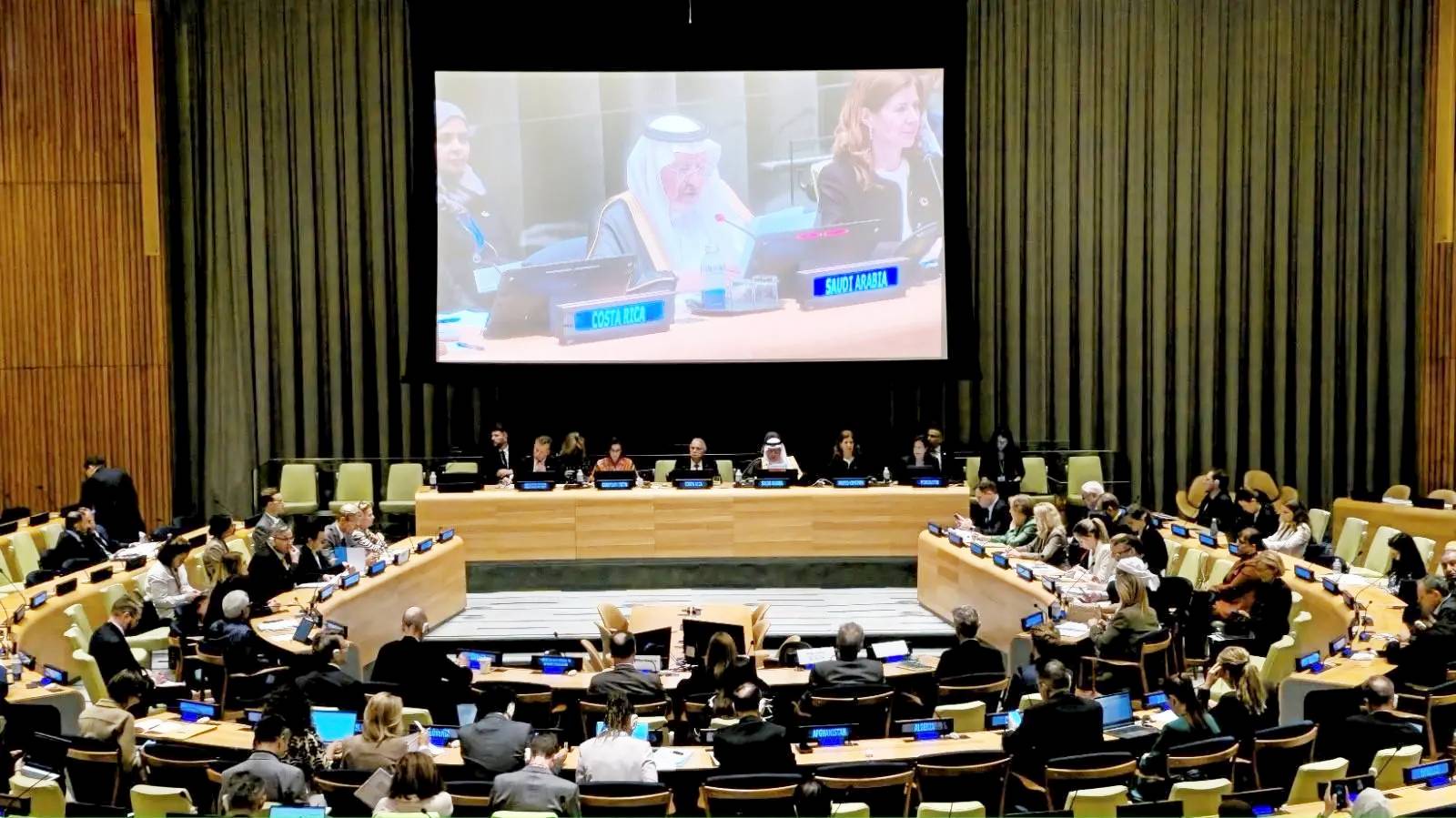
شارك المستشار بالديوان الملكي المشرف العام على مركز الملك سلمان للإغاثة والأعمال الإنسانية الدكتور عبدالله الربيعة في جلسة حوارية بعنوان «الإصلاح من أجل تحقيق الأثر»، وذلك على هامش أعمال الجمعية العامة للأمم المتحدة المنعقدة بمدينة نيويورك.
وأكد، خلال الجلسة، أن المملكة من خلال مركز الملك سلمان للإغاثة ستواصل دورها الريادي في بناء منظومة عالمية للمساعدات الإنسانية تضمن للجميع فرصا متساوية للعيش بسلام وأمن وكرامة. وأضاف، أن إغلاق العديد من المشاريع الإنسانية أمر محبط للمجتمع الإنساني؛ ذلك أنه ترك ملايين المحتاجين دون دعم، فضلا عما تسبب فيه من اضطرار عدد كبير من العاملين في المجال الإنساني إلى ترك مناصبهم نتيجة التحديات المتزايدة والهشاشة التي باتت تُعانيها المنظومة الإنسانية.
وقال: «في مقابل هذه التحديات تبرز فرص فريدة لإعادة تصوّر رؤيتنا وتشكيلها لصالح الإنسان، ونأمل من خلال مبادرة الأمم المتحدة 80 أن نتمكن من إصلاح النظام الإنساني بما يُسهم في استعادة الثقة والدافعية والكرامة، سواء لدى من هم في أمسّ الحاجة إلى الدعم، أو أولئك الذين يكرّسون جهودهم بلا كلل لخدمتهم».
وأكّد الربيعة، أنه من المهم أن يتجاوز هذا الإصلاح المستوى التنفيذي ليشمل المساءلة والشفافية والشمول، لا سيما أن السعودية ممثلة في مركز الملك سلمان للإغاثة تعدّ الذكرى الثمانين للأمم المتحدة فرصة لتجديد الالتزام الجماعي وتعزيز الإصلاح المستدام، لكن الأهم هو العمل معا على ضمان كفاءة عمل النظام ومواءمته مع أولويات التنمية والاستفادة من الخبرات المؤسسية، وضمان التمثيل الجغرافي العادل على كافة المستويات.
وأفاد، أن تعزيز أثر هذه الإصلاحات أمر بالغ الأهمية لتحسين نتائج العمل من خلال سياسات تنفيذ أكثر فاعلية تضمن وجود نظام قادر على تلبية المتطلبات وملاءمة الحاجات، وقال: «لأننا نؤمن بأهمية إشراك القيادات المحلية وغيرها في الأعمال الإغاثية فسنواصل تعزيز هذه الشراكات لتلبي جهودنا الإنسانية حاجات المجتمعات المتضررة».
وبين الربيعة، أن أعمال مركز الملك سلمان للإغاثة شملت 108 دول من خلال أكثر من 3,600 مشروع نُفذت بالتعاون مع أكثر من 328 شريكاً.
وفي ختام كلمته، قال: «نؤمن أن التنسيق مسؤولية جماعية وأن العمل المشترك يسهم في تقليص الازدواجية وتحسين أثر المساعدات الإنسانية»، داعياً إلى التعلم من الماضي لبناء مستقبل أفضل للجميع.
الربيعة في جلسة الأمم المتحدة:
السعودية ستواصل بناء منظومة عالمية للمساعدات تضمن للجميع العيش بسلام وأمن وكرامة
25 سبتمبر 2025 - 01:29
|
آخر تحديث 25 سبتمبر 2025 - 01:29


تابع قناة عكاظ على الواتساب
«عكاظ» (نيويورك) OKAZ_online@
The advisor at the Royal Court and General Supervisor of the King Salman Humanitarian Aid and Relief Center, Dr. Abdullah Al-Rabeeah, participated in a panel discussion titled "Reform for Impact," held on the sidelines of the United Nations General Assembly in New York City.
During the session, he affirmed that the Kingdom, through the King Salman Humanitarian Aid and Relief Center, will continue its pioneering role in building a global humanitarian assistance system that ensures equal opportunities for everyone to live in peace, security, and dignity. He added that the closure of many humanitarian projects is frustrating for the humanitarian community, as it has left millions in need without support, in addition to forcing many humanitarian workers to leave their positions due to the increasing challenges and fragility that the humanitarian system is experiencing.
He stated, "In the face of these challenges, unique opportunities arise to reimagine and shape our vision for the benefit of humanity. We hope that through the United Nations Initiative 80, we can reform the humanitarian system in a way that helps restore trust, motivation, and dignity, both for those in dire need of support and for those who tirelessly dedicate their efforts to serve them."
Al-Rabeeah emphasized that it is important for this reform to go beyond the executive level to include accountability, transparency, and inclusivity, especially since Saudi Arabia, represented by the King Salman Humanitarian Aid and Relief Center, considers the 80th anniversary of the United Nations an opportunity to renew collective commitment and enhance sustainable reform. However, the most important thing is to work together to ensure the efficiency of the system and its alignment with development priorities, benefiting from institutional experiences, and ensuring fair geographical representation at all levels.
He noted that enhancing the impact of these reforms is crucial for improving work outcomes through more effective implementation policies that ensure the existence of a system capable of meeting requirements and addressing needs. He said, "Because we believe in the importance of involving local leaders and others in humanitarian efforts, we will continue to strengthen these partnerships to meet the needs of affected communities."
Al-Rabeeah explained that the work of the King Salman Humanitarian Aid and Relief Center has included 108 countries through more than 3,600 projects implemented in cooperation with over 328 partners.
In conclusion, he said, "We believe that coordination is a collective responsibility and that joint work contributes to reducing duplication and improving the impact of humanitarian assistance," calling for learning from the past to build a better future for all.
During the session, he affirmed that the Kingdom, through the King Salman Humanitarian Aid and Relief Center, will continue its pioneering role in building a global humanitarian assistance system that ensures equal opportunities for everyone to live in peace, security, and dignity. He added that the closure of many humanitarian projects is frustrating for the humanitarian community, as it has left millions in need without support, in addition to forcing many humanitarian workers to leave their positions due to the increasing challenges and fragility that the humanitarian system is experiencing.
He stated, "In the face of these challenges, unique opportunities arise to reimagine and shape our vision for the benefit of humanity. We hope that through the United Nations Initiative 80, we can reform the humanitarian system in a way that helps restore trust, motivation, and dignity, both for those in dire need of support and for those who tirelessly dedicate their efforts to serve them."
Al-Rabeeah emphasized that it is important for this reform to go beyond the executive level to include accountability, transparency, and inclusivity, especially since Saudi Arabia, represented by the King Salman Humanitarian Aid and Relief Center, considers the 80th anniversary of the United Nations an opportunity to renew collective commitment and enhance sustainable reform. However, the most important thing is to work together to ensure the efficiency of the system and its alignment with development priorities, benefiting from institutional experiences, and ensuring fair geographical representation at all levels.
He noted that enhancing the impact of these reforms is crucial for improving work outcomes through more effective implementation policies that ensure the existence of a system capable of meeting requirements and addressing needs. He said, "Because we believe in the importance of involving local leaders and others in humanitarian efforts, we will continue to strengthen these partnerships to meet the needs of affected communities."
Al-Rabeeah explained that the work of the King Salman Humanitarian Aid and Relief Center has included 108 countries through more than 3,600 projects implemented in cooperation with over 328 partners.
In conclusion, he said, "We believe that coordination is a collective responsibility and that joint work contributes to reducing duplication and improving the impact of humanitarian assistance," calling for learning from the past to build a better future for all.


