


يُعد قصر الملك عبدالعزيز التاريخي المعروف بـ«قصر مشرف» بمحافظة الخرج، شاهداً حيّاً على اهتمام المؤسس بالمحافظة، ومعلماً وطنياً بارزاً يعكس المكانة الإستراتيجية والحضارية للخرج في بدايات عهد توحيد السعودية.
وأمر الملك عبدالعزيز ببناء القصر عام 1359هـ (1940م)، ليكون مقراً لمتابعة شؤون الدولة ومركزاً لاستقبال الوفود الرسمية، وتم بناؤه على مرحلتين: القسم الغربي الذي خُصص للضيافة والاجتماعات، والقسم الشرقي الذي أُعد ليكون سكناً ومصيفاً للملك، ويربط بينهما ممر يعرف بـ«مطلع السيارة» بطول يقارب 160 متراً.
وتبلغ مساحة القصر نحو 1725 متراً مربعاً، ويتألف من دور أرضي وطابق علوي إضافة إلى سطح، وشُيّد باستخدام الطوب اللبن وخشب الأثل وجريد النخل، وزُيّنت جدرانه بالجص والنقوش التراثية، ليعكس فنون العمارة المحلية في ذلك الزمن، ويضم القصر عدداً من الأجنحة والغرف المخصصة للضيوف، وكان مقصداً لعدد من الوفود والأمراء الذين استقبلهم الملك عبدالعزيز خلال زياراته للخرج.
ويجسّد القصر بما يحمله من قيمة تاريخية رمزية اهتمام الملك المؤسس بمحافظة الخرج وأهميتها الزراعية والاقتصادية وموقعها الإستراتيجي للعاصمة، وتعزيز التنمية المبكرة، ليبقى معلماً شاهداً على مرحلة تأسيسية مهمة في مسيرة الوطن.
وفي مناسبة اليوم الوطني الـ95 للمملكة، يبرز قصر الملك عبدالعزيز بالخرج بصفته أحد رموز الوحدة والبناء، ورافداً من روافد الذاكرة الوطنية التي تروي للأجيال الحاضرة عظمة ما شُيّد في عهد التوحيد، وتمضي المملكة اليوم برؤية طموحة نحو مستقبل أكثر ازدهاراً.
«قصر مشرف».. ذاكرة تروي للأجيال عظمة البناء في عهد التوحيد
24 سبتمبر 2025 - 00:36
|
آخر تحديث 24 سبتمبر 2025 - 00:36
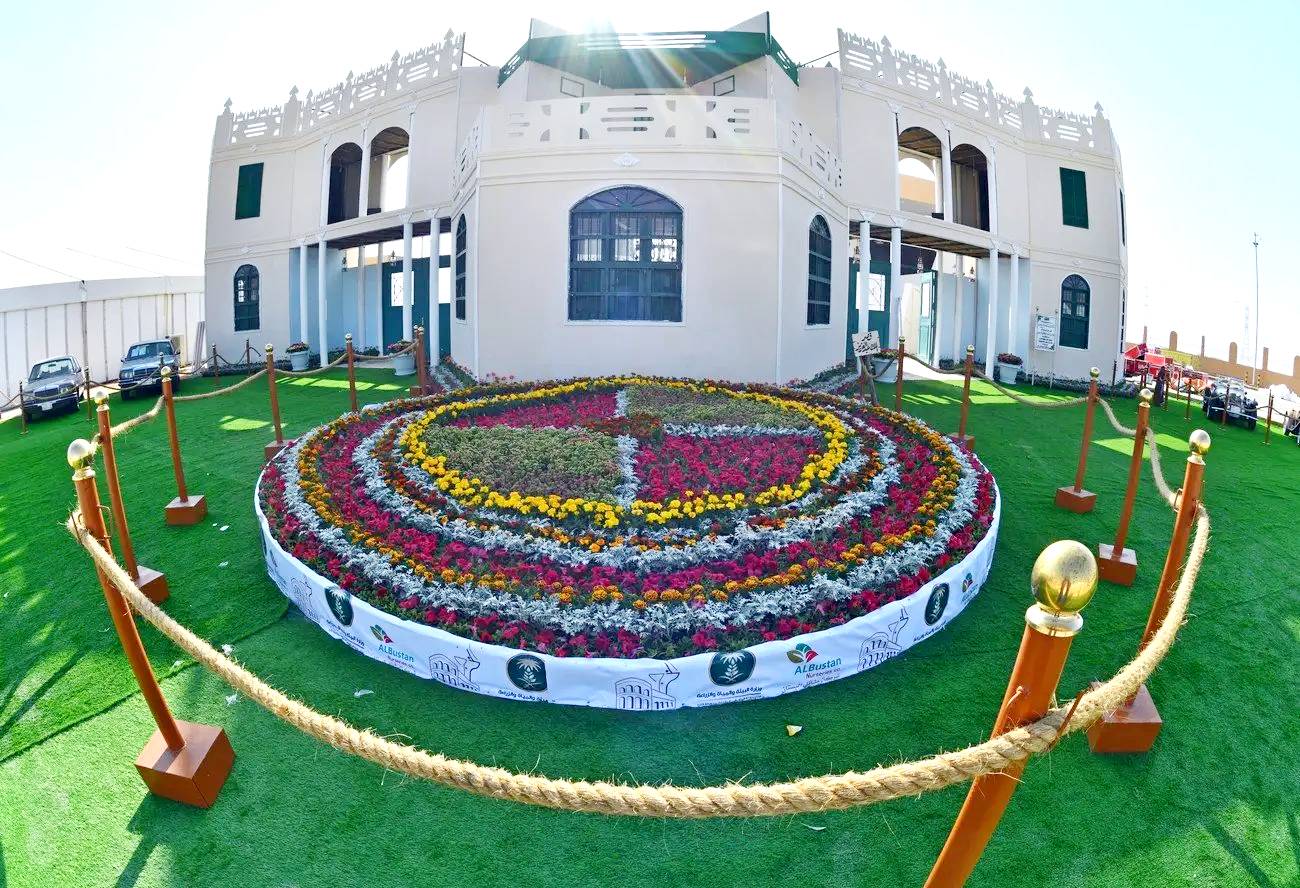
قصر مشرف.


تابع قناة عكاظ على الواتساب
«عكاظ» (الخرج) OKAZ_online@
The historic King Abdulaziz Palace, known as "Musharraf Palace," in Al-Kharj Governorate, stands as a living testament to the founder's interest in the region and is a prominent national landmark that reflects Al-Kharj's strategic and cultural significance at the beginning of the unification of Saudi Arabia.
King Abdulaziz ordered the construction of the palace in 1359 AH (1940 AD) to serve as a headquarters for managing state affairs and a center for receiving official delegations. It was built in two phases: the western section designated for hospitality and meetings, and the eastern section prepared to be a residence and summer retreat for the king, connected by a corridor known as "the car entrance," which is approximately 160 meters long.
The palace covers an area of about 1,725 square meters and consists of a ground floor and an upper floor in addition to a roof. It was constructed using mud bricks, acacia wood, and palm fronds, with its walls adorned with plaster and traditional carvings, reflecting the architectural arts of that time. The palace includes several wings and rooms designated for guests and was a destination for numerous delegations and princes received by King Abdulaziz during his visits to Al-Kharj.
The palace embodies, with its symbolic historical value, the founder king's interest in Al-Kharj and its agricultural and economic importance, as well as its strategic location to the capital, enhancing early development and remaining a landmark that testifies to an important foundational phase in the nation's journey.
On the occasion of the 95th National Day of the Kingdom, King Abdulaziz Palace in Al-Kharj stands out as one of the symbols of unity and construction, and a source of national memory that narrates to present generations the greatness of what was built during the unification era. Today, the Kingdom moves forward with an ambitious vision towards a more prosperous future.
King Abdulaziz ordered the construction of the palace in 1359 AH (1940 AD) to serve as a headquarters for managing state affairs and a center for receiving official delegations. It was built in two phases: the western section designated for hospitality and meetings, and the eastern section prepared to be a residence and summer retreat for the king, connected by a corridor known as "the car entrance," which is approximately 160 meters long.
The palace covers an area of about 1,725 square meters and consists of a ground floor and an upper floor in addition to a roof. It was constructed using mud bricks, acacia wood, and palm fronds, with its walls adorned with plaster and traditional carvings, reflecting the architectural arts of that time. The palace includes several wings and rooms designated for guests and was a destination for numerous delegations and princes received by King Abdulaziz during his visits to Al-Kharj.
The palace embodies, with its symbolic historical value, the founder king's interest in Al-Kharj and its agricultural and economic importance, as well as its strategic location to the capital, enhancing early development and remaining a landmark that testifies to an important foundational phase in the nation's journey.
On the occasion of the 95th National Day of the Kingdom, King Abdulaziz Palace in Al-Kharj stands out as one of the symbols of unity and construction, and a source of national memory that narrates to present generations the greatness of what was built during the unification era. Today, the Kingdom moves forward with an ambitious vision towards a more prosperous future.


