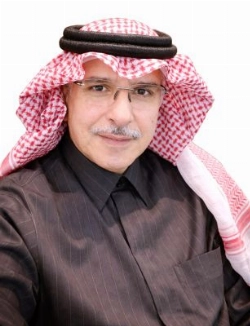
يُجمِع علماء ودعاة ومفكرو العالم الإسلامي على تمثّل مفتي عام المملكة الشيخ عبدالعزيز بن عبدالله آل الشيخ، رحمه الله، أخلاق الأنبياء والصالحين بما عُرف عنه من الرفق والسماحة ولين الجانب، طيلة عمله أستاذاً جامعياً، وإماماً وخطيباً لجامع الإمام تركي بن عبدالله في الرياض، ثم مُفتياً عاماً للمملكة طيلة 27 عاماً؛ عزّز فيها شخصية المفتي المدرك فقه واقعه وعصره، فحرص على درء الفتن والمفاسد والإشكالات، بفقه التيسير، واستوعب نحو ملياري مسلم بسعة مداركه واطلاعه على أحوال المسلمين في بلدانهم والأقليات المسلمة في العالم، وأحبه الناس للطف قوله، وإيثار الاستصلاح والاحتواء على ما سواهما، وأعلى مقام الفتوى بحكم ثروة فقهية توارثها من الدروس على أيدي العلماء، ثم في مؤسسات التعليم. وخيم الحزن على الأوساط الدينية والرسمية والشعبية في العالم الإسلامي منذ أن تناقلت وسائل الإعلام نبأ رحيله، فيما نعت فقيد المسلمين شخصيات اعتبارية، من بينها فقهاء ودعاة وكُتّاب على مواقع التواصل الاجتماعي.
وكتب وزير الشؤون الإسلامية والدعوة والإرشاد الشيخ الدكتور عبداللطيف آل الشيخ: «بقلوب مفعمة بالحزن والأسى، تلقيت خبر وفاة مفتي عام المملكة الشيخ عبدالعزيز بن عبدالله آل الشيخ -رحمه الله تعالى- صباح هذا اليوم. خبرٌ أثر في النفوس، وأحزن القلوب، وعدّه منارة علم ودعوة، وسراجًا يهتدي به السائلون عن الحق، وما مَرّ زمن إلا وكان حاضرًا في المواقف التي تحتاج إلى بيان، ومرجعًا في الفتوى، وأثرًا في القلوب بكلمته التي تحمل الحق والشفقة والرحمة والنصح للأمة».
ورثاه رئيس هيئة الترفيه المستشار تركي آل الشيخ، بتغريدة قال فيها: «اللهم أجرنا في مصيبتنا وأخلف لنا خيرا منها.. انتقل إلى رحمة الله صباح هذا اليوم شيخنا ووالدنا الشيخ عبدالعزيز بن عبدالله آل الشيخ، غفر الله له ورحمه، وجزاه عنا وعن المسلمين خير الجزاء وأخلف علينا خيرا».
ونعت وزارة الإعلام المفتي العام للمملكة، ورئيس هيئة كبار العلماء الشيخ عبدالعزيز بن عبدالله آل الشيخ، الذي انتقل إلى جوار ربه حاملا مسيرة علمية ودينية عظيمة أثرى بها الوطن والأمة الإسلامية، رحمه الله وغفر له.
وقال الكاتب منصور النقيدان: «كان طيب النفس، لا يحمل الكره». وأضاف: «أخبرني بعض طلابه أن المفتي كان كثير العبادة والصلاة، وممن يتهجدون في السحر ساعات راكعاً وساجداً».
نشأته
وُلد المفتي في العاشر من فبراير عام 1943، وحفظ القرآن صغيرًا، وقرأ على عدد من العلماء الكبار في زمنه، منهم مفتي الديار السعودية محمد بن إبراهيم آل الشيخ من عام 1374هـ إلى عام 1380هـ، ومفتي عام المملكة ورئيس هيئة كبار العلماء الشيخ عبدالعزيز بن باز الفرائض في عام 1377هـ إلى 1380هـ، وقرأ على الشيخ عبدالعزيز بن صالح المرشد الفرائض والنحو والتوحيد عام 1379هـ، كما قرأ على الشيخ عبدالعزيز الشثري عمدة الأحكام وزاد المستقنع. التحق بمعهد إمام الدعوة العلمي بالرياض، ثم تخرج منه والتحق بكلية الشريعة بالرياض عام 1380هـ وحصل على شهادة الليسانس في العلوم الشرعية واللغة العربية عام 1384 هـ، ثم عين مدرسا في معهد إمام الدعوة العلمي بالرياض من عام 1384هـ حتى عام 1392هـ، وانتقل إلى كلية الشريعة التابعة لجامعة الإمام محمد بن سعود الإسلامية وعمل بها أستاذاً مشاركا، إضافة إلى الإشراف والمناقشة لرسائل الماجستير والدكتوراه في كل من كلية الشريعة، وأصول الدين، والمعهد العالي للقضاء التابع لجامعة الإمام محمد بن سعود الإسلامية، وكلية الشريعة التابعة لجامعة أم القرى بمكة المكرمة، والتدريس في المعهد العالي للقضاء بالرياض، وتم اختياره عضواً بالمجالس العلمية بالجامعة.
من أعماله
مدرس بمعهد إمام الدعوة العلمي 1384هـ، ثم أستاذ مساعد بكلية الشريعة في 1399هـ، ثم أستاذ مشارك بكلية الشريعة في 1400هـ، وأشرف وناقش عددًا من رسائل الماجستير والدكتوراه، وعضوًا في هيئة كبار العلماء في شهر شوال عام 1407هـ.
وصدر الأمر الملكي عام 1416هـ بتعيينه نائبًا للمفتي العام، وعقب وفاة الشيخ عبدالعزيز بن باز، رحمه الله، صدر أمر ملكي 1420هـ بتعيينه مفتيًا عامًا للمملكة ورئيسًا لهيئة كبار العلماء والبحوث العلمية والإفتاء.
ومن آثاره العلمية: شروح كثيرة؛ القواعد الأربع، وثلاثة الأصول، ولمعة الاعتقاد، وكتاب التوحيد، والكثير من الخطب والمحاضرات.
Scholars, preachers, and thinkers of the Islamic world agree on the embodiment of the late Grand Mufti of the Kingdom, Sheikh Abdulaziz bin Abdullah Al Sheikh, may Allah have mercy on him, of the morals of the prophets and the righteous, as evidenced by his known gentleness, tolerance, and kindness throughout his work as a university professor, an imam, and a preacher at the Imam Turki bin Abdullah Mosque in Riyadh, and then as the Grand Mufti of the Kingdom for 27 years; during which he enhanced the character of the mufti who understands the jurisprudence of his reality and era, striving to avert seditions, evils, and issues, with the jurisprudence of facilitation. He embraced nearly two billion Muslims with his vast understanding and awareness of the conditions of Muslims in their countries and the Muslim minorities around the world. People loved him for his gentle words, his preference for reform and inclusion over other approaches, and he elevated the status of fatwa with a wealth of jurisprudence inherited from lessons taught by scholars and then in educational institutions. Sadness enveloped religious, official, and popular circles in the Islamic world since the news of his passing was reported by the media, while notable figures, including scholars, preachers, and writers, mourned the loss of the Muslim community on social media.
The Minister of Islamic Affairs, Call and Guidance, Sheikh Dr. Abdulatif Al Sheikh, wrote: “With hearts filled with sorrow and grief, I received the news of the death of the Grand Mufti of the Kingdom, Sheikh Abdulaziz bin Abdullah Al Sheikh - may Allah have mercy on him - this morning. This news has affected souls and saddened hearts, and he is regarded as a beacon of knowledge and call, a lamp for those seeking the truth. There has not been a time when he was not present in situations that needed clarification, a reference for fatwa, and an influence on hearts with his words that carry truth, compassion, mercy, and advice for the nation.”
The Chairman of the Entertainment Authority, Advisor Turki Al Sheikh, mourned him in a tweet saying: “O Allah, reward us in our calamity and replace it with something better... Our Sheikh and father, Sheikh Abdulaziz bin Abdullah Al Sheikh, passed away to the mercy of Allah this morning. May Allah forgive him and have mercy on him, and reward him for us and for the Muslims with the best reward and replace us with something better.”
The Ministry of Media mourned the Grand Mufti of the Kingdom and Chairman of the Council of Senior Scholars, Sheikh Abdulaziz bin Abdullah Al Sheikh, who passed away carrying a great scientific and religious legacy that enriched the homeland and the Islamic nation. May Allah have mercy on him and forgive him.
Writer Mansour Al-Nuqidan said: “He was kind-hearted and did not harbor hatred.” He added: “Some of his students informed me that the mufti was very devoted to worship and prayer, and among those who would pray during the last third of the night, spending hours in bowing and prostration.”
His Upbringing
The mufti was born on February 10, 1943, and memorized the Quran at a young age. He studied under several prominent scholars of his time, including the Grand Mufti of Saudi Arabia, Muhammad bin Ibrahim Al Sheikh, from 1374 AH to 1380 AH, and the Grand Mufti of the Kingdom and Chairman of the Council of Senior Scholars, Sheikh Abdulaziz bin Baz, from 1377 AH to 1380 AH. He studied under Sheikh Abdulaziz bin Saleh Al-Murshid in the subjects of inheritance, grammar, and monotheism in 1379 AH, and also studied under Sheikh Abdulaziz Al-Shathri in "Umdat Al-Ahkam" and "Zad Al-Mustaqni." He joined the Imam Muhammad bin Saud Islamic University in Riyadh, graduated, and enrolled in the College of Sharia in Riyadh in 1380 AH, obtaining a bachelor's degree in Islamic sciences and Arabic language in 1384 AH. He was then appointed as a teacher at the Imam Muhammad bin Saud Islamic University from 1384 AH to 1392 AH, and later moved to the College of Sharia at the same university, where he worked as an associate professor, in addition to supervising and discussing master's and doctoral theses in the College of Sharia, the College of Fundamentals of Religion, and the Higher Judicial Institute at Imam Muhammad bin Saud Islamic University, as well as teaching at the Higher Judicial Institute in Riyadh, and he was selected as a member of the scientific councils at the university.
His Contributions
He served as a teacher at the Imam Muhammad bin Saud Islamic University in 1384 AH, then as an assistant professor in the College of Sharia in 1399 AH, and then as an associate professor in the College of Sharia in 1400 AH. He supervised and discussed several master's and doctoral theses and was a member of the Council of Senior Scholars in the month of Shawwal in 1407 AH.
A royal decree was issued in 1416 AH appointing him as the Deputy Grand Mufti, and following the death of Sheikh Abdulaziz bin Baz, may Allah have mercy on him, a royal decree in 1420 AH appointed him as the Grand Mufti of the Kingdom and Chairman of the Council of Senior Scholars and Scientific Research and Fatwa.
Among his scientific contributions are many explanations; the Four Principles, the Three Foundations, "Lum'at Al-I'tiqad," the Book of Monotheism, and numerous sermons and lectures.