


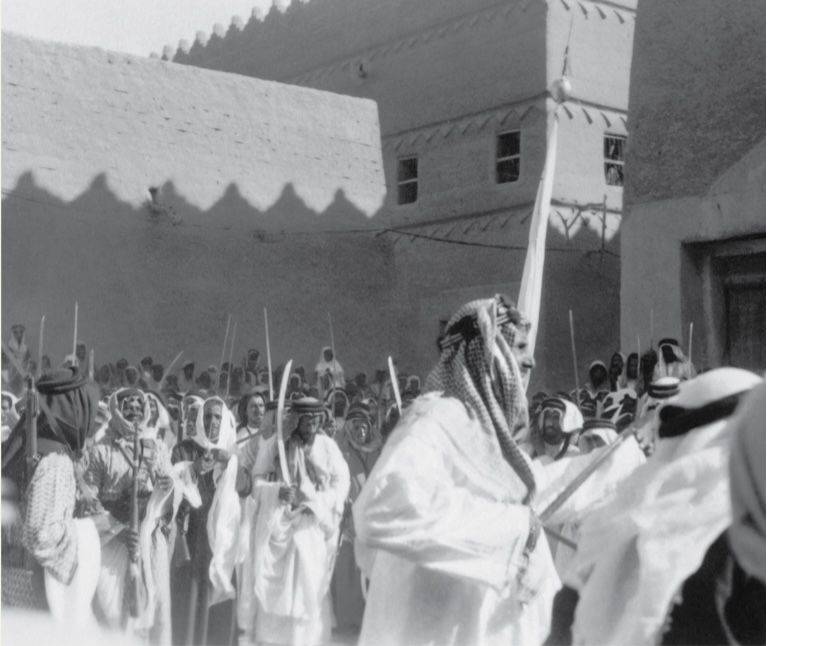
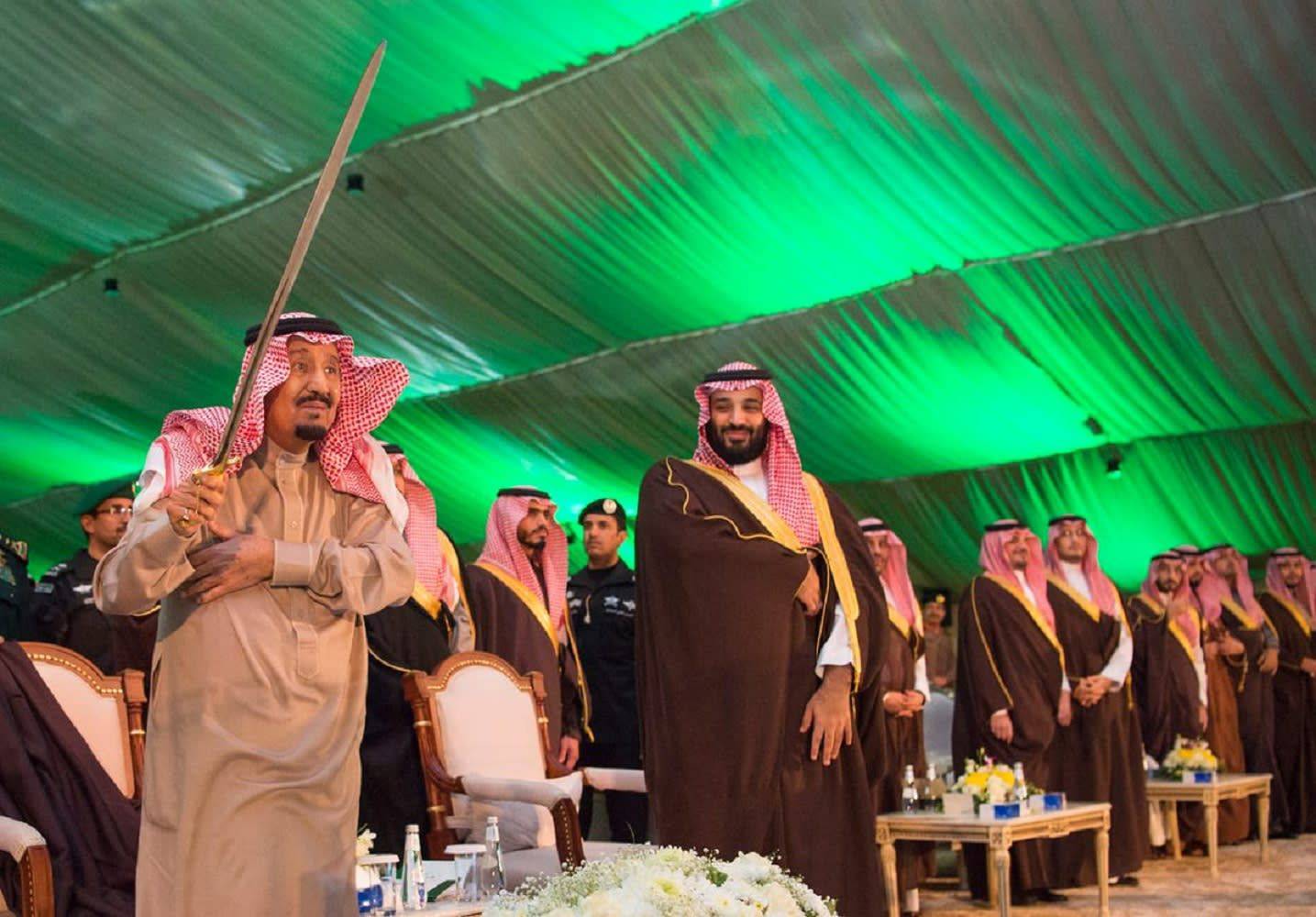
أكدت دارة الملك عبدالعزيز أن العرضة السعودية شكّلت رمزاً وطنياً جامعاً منذ عهد «الموحّد»، ولم تكن مجرد أداء تقليدي بل وسيلة لاستحضار قيم الفروسية والشجاعة وتعزيز الروح الوطنية.
مشاركة «الموحّد» وأبنائه
وأوضحت الدارة لـ«عكاظ»، أن العرضة كانت تُقام في مختلف المناسبات، الرسمية والشعبية، وكان الملك عبدالعزيز يشارك بنفسه مع أبنائه وأفراد الشعب، في مشهد يجسّد وحدة القيادة والشعب. ففي فبراير 1931م (شوال 1349هـ)، أقيمت عرضة أمام قصره بمكة المكرمة، شارك فيها الأهالي مرددين الأبيات الحماسية على وقع الطبول والسيوف، بينما جلس الملك يتابع الحدث التاريخي.
المناسبات الرسمية
العرضة كثيراً ما ارتبطت بالحفلات الرسمية واستعراضات الجيش، مثلما جرى في 6 مارس 1931م، حين تقدّم الأمراء بالسيوف مرددين القصائد الحماسية أمام الملك في مكة. وكان ذلك دلالة على ارتباط العرضة بالقوة العسكرية والروح الوطنية.
تلاحم اجتماعي
لم تقتصر العرضة على المناسبات الرسمية، بل أُقيمت في الأعياد والمواسم الشعبية للترويح. وذكرت الدارة أن مناسبة بارزة جرت في 9 أغسطس 1937م عقب سباق للفروسية خارج الرياض، حيث خرج الأهالي جميعاً رجالاً ونساءً وأطفالاً ليؤدوا العرضة، حتى أغلقت الأسواق واحتشدت الجموع، وحضر الملك وأبناؤه لمتابعتها حتى ساعات النهار المتأخرة.
هوية متجددة
العرضة السعودية ظلّت تعبيراً حياً عن هوية المملكة وروحها، ووسيلة لربط الماضي بالحاضر، مؤكدة أن حضور الملك عبدالعزيز وأبنائه في هذه المناسبات منح العرضة مكانة راسخة كرمز وطني خالد يجسّد وحدة القيادة والشعب.
العرضة السعودية.. مشهد الوطنية الجامع
23 سبتمبر 2025 - 02:57
|
آخر تحديث 23 سبتمبر 2025 - 02:57


تابع قناة عكاظ على الواتساب
متعب العواد (حائل) Motabalawwd@
The King Abdulaziz Foundation confirmed that the Saudi Ardha has been a unifying national symbol since the era of the "Unifier." It was not merely a traditional performance but a means to evoke values of chivalry and bravery and to enhance national spirit.
Participation of the "Unifier" and his sons
The foundation explained to "Okaz" that the Ardha was held on various occasions, both official and popular, with King Abdulaziz personally participating alongside his sons and the people, in a scene that embodies the unity of leadership and the people. In February 1931 (Shawwal 1349 AH), an Ardha was held in front of his palace in Mecca, where the locals participated, chanting enthusiastic verses to the rhythm of drums and swords, while the king watched the historic event.
Official occasions
The Ardha was often associated with official celebrations and military parades, as was the case on March 6, 1931, when princes advanced with swords, reciting enthusiastic poems before the king in Mecca. This indicated the connection of the Ardha with military strength and national spirit.
Social cohesion
The Ardha was not limited to official occasions; it was also held during festivals and popular seasons for recreation. The foundation mentioned a notable event that took place on August 9, 1937, following a horse racing event outside Riyadh, where all the locals—men, women, and children—came out to perform the Ardha, to the extent that markets closed and crowds gathered, with the king and his sons attending until late into the day.
Renewed identity
The Saudi Ardha has remained a living expression of the Kingdom's identity and spirit, serving as a means to connect the past with the present. It emphasized that the presence of King Abdulaziz and his sons at these occasions granted the Ardha a solid status as an enduring national symbol that embodies the unity of leadership and the people.
Participation of the "Unifier" and his sons
The foundation explained to "Okaz" that the Ardha was held on various occasions, both official and popular, with King Abdulaziz personally participating alongside his sons and the people, in a scene that embodies the unity of leadership and the people. In February 1931 (Shawwal 1349 AH), an Ardha was held in front of his palace in Mecca, where the locals participated, chanting enthusiastic verses to the rhythm of drums and swords, while the king watched the historic event.
Official occasions
The Ardha was often associated with official celebrations and military parades, as was the case on March 6, 1931, when princes advanced with swords, reciting enthusiastic poems before the king in Mecca. This indicated the connection of the Ardha with military strength and national spirit.
Social cohesion
The Ardha was not limited to official occasions; it was also held during festivals and popular seasons for recreation. The foundation mentioned a notable event that took place on August 9, 1937, following a horse racing event outside Riyadh, where all the locals—men, women, and children—came out to perform the Ardha, to the extent that markets closed and crowds gathered, with the king and his sons attending until late into the day.
Renewed identity
The Saudi Ardha has remained a living expression of the Kingdom's identity and spirit, serving as a means to connect the past with the present. It emphasized that the presence of King Abdulaziz and his sons at these occasions granted the Ardha a solid status as an enduring national symbol that embodies the unity of leadership and the people.


