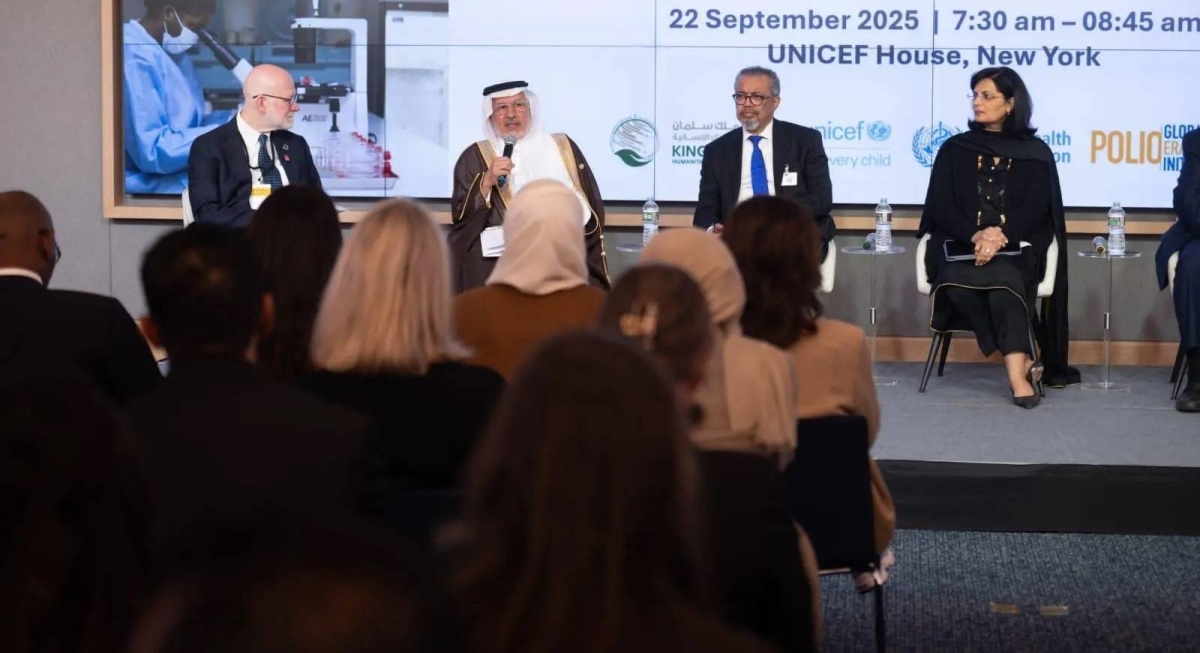
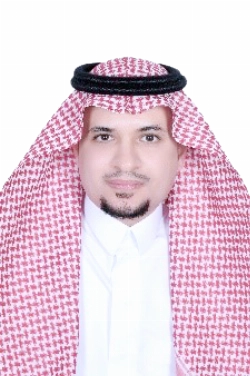
أوضح الدكتور عبدالله الربيعة أن المملكة العربية السعودية ظلت ولله الحمد خالية من شلل الأطفال منذ 30 عاما، منوها بمساهمة المملكة من خلال مركز الملك سلمان للإغاثة بمبلغ 500 مليون دولار أمريكي للمبادرة العالمية لاستئصال شلل الأطفال؛ تجسيدا للاهتمام بهذه المهمة الأساسية.
جاء ذلك خلال مشاركته، اليوم، في جلسة حوارية حول المبادرة العالمية لاستئصال مرض شلل الأطفال، وذلك على هامش أعمال الجمعية العامة للأمم المتحدة المنعقدة في دورتها الـ80 بمدينة نيويورك.
وأبان أن مركز الملك سلمان للإغاثة نفذ أكثر من 3000 مشروع صحي حول العالم، وكانت النتائج إيجابية للاستثمار في النظم الصحية المحلية، وتمكين القيادات النسائية في القطاع الصحي، وتعزيز ثقة المجتمعات، مؤكدا أهمية العمل الميداني سواء بتوصيل اللقاحات إلى المناطق النائية، أو دعم العيادات في مناطق النزاع، أو تدريب العاملين في المجال الصحي.
وقدم شكره للشركاء في المبادرة العالمية لاستئصال شلل الأطفال (GPEI) والتحالفات الأخرى التي تجتمع حول العالم في محافل كهذه، إيمانا منها بأهمية العمل الجماعي الذي يعد من أعظم قيمنا، مشيرا إلى أنه تعظيما لأثر هذه القيم يجب أن نواصل إزالة العوائق التي تحول دون التواصل الفعال بين الجهات المعنية، وبناء جسور جديدة مع المجتمع المدني، والقطاع الخاص، والشباب، والناجين من شلل الأطفال.
وأردف أن مركز الملك سلمان للإغاثة يلتزم بتحقيق أقصى أثر من خلال عدد من المسارات المهمة، منها دمج البنية التحتية لمكافحة شلل الأطفال ضمن برامج أوسع للتحصين والترصد الوبائي، ودعم البرامج التشغيلية التجريبية التي تختبر تقنيات التتبع الرقمي، وابتكارات سلسلة التبريد، ونماذج الاستجابة السريعة وتعزيز التنسيق الواضح بين الجهات المانحة لضمان مرونة أكبر، لا سيّما عندما تؤدي الأزمات الطارئة إلى تعطيل الخطط الموضوعة.
وفي ختام كلمته، أكد الدكتور عبدالله الربيعة أن المملكة، ممثلة بمركز الملك سلمان للإغاثة، تتعهد بأن تمتد الشراكة إلى ما هو أبعد من الدعم المالي، بل المشاركة التقنية والفنية بما يضمن التخلص من هذا الوباء وأن يصبح كل طفل بأمان.
Dr. Abdullah Al-Rabeeah clarified that the Kingdom of Saudi Arabia has, thank God, been free of polio for 30 years, noting the Kingdom's contribution through the King Salman Humanitarian Aid and Relief Center of 500 million US dollars to the Global Polio Eradication Initiative; embodying the commitment to this essential mission.
This came during his participation today in a panel discussion on the Global Polio Eradication Initiative, held on the sidelines of the 80th session of the United Nations General Assembly in New York City.
He indicated that the King Salman Humanitarian Aid and Relief Center has implemented more than 3,000 health projects around the world, with positive results for investing in local health systems, empowering women leaders in the health sector, and enhancing community trust. He emphasized the importance of fieldwork, whether delivering vaccines to remote areas, supporting clinics in conflict zones, or training health workers.
He expressed his gratitude to the partners in the Global Polio Eradication Initiative (GPEI) and other alliances that gather worldwide in such forums, believing in the importance of collective action, which is one of our greatest values. He pointed out that to amplify the impact of these values, we must continue to remove barriers that hinder effective communication between stakeholders and build new bridges with civil society, the private sector, youth, and polio survivors.
He added that the King Salman Humanitarian Aid and Relief Center is committed to achieving maximum impact through several important pathways, including integrating polio infrastructure into broader immunization and epidemiological surveillance programs, supporting pilot operational programs that test digital tracking technologies, cold chain innovations, rapid response models, and enhancing clear coordination among donors to ensure greater flexibility, especially when emergencies disrupt planned initiatives.
In conclusion, Dr. Abdullah Al-Rabeeah affirmed that the Kingdom, represented by the King Salman Humanitarian Aid and Relief Center, pledges that the partnership will extend beyond financial support to include technical and professional participation to ensure the eradication of this epidemic and that every child is safe.