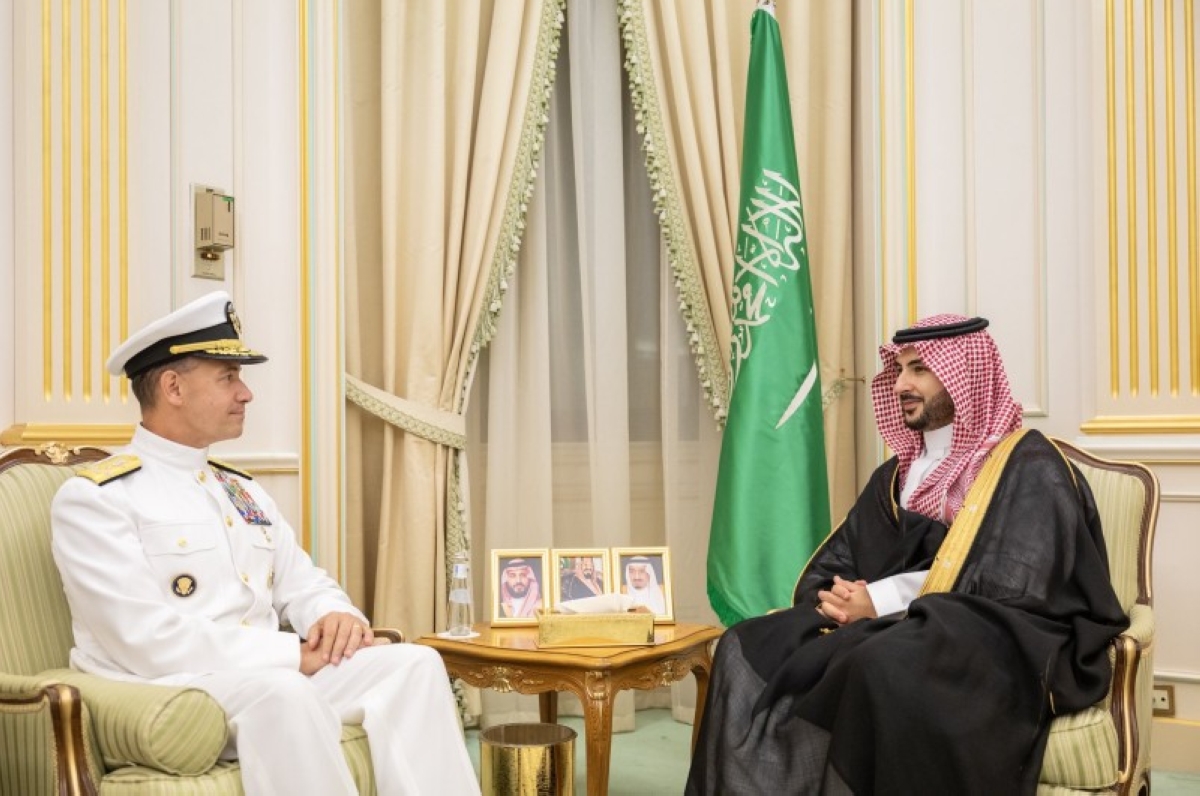
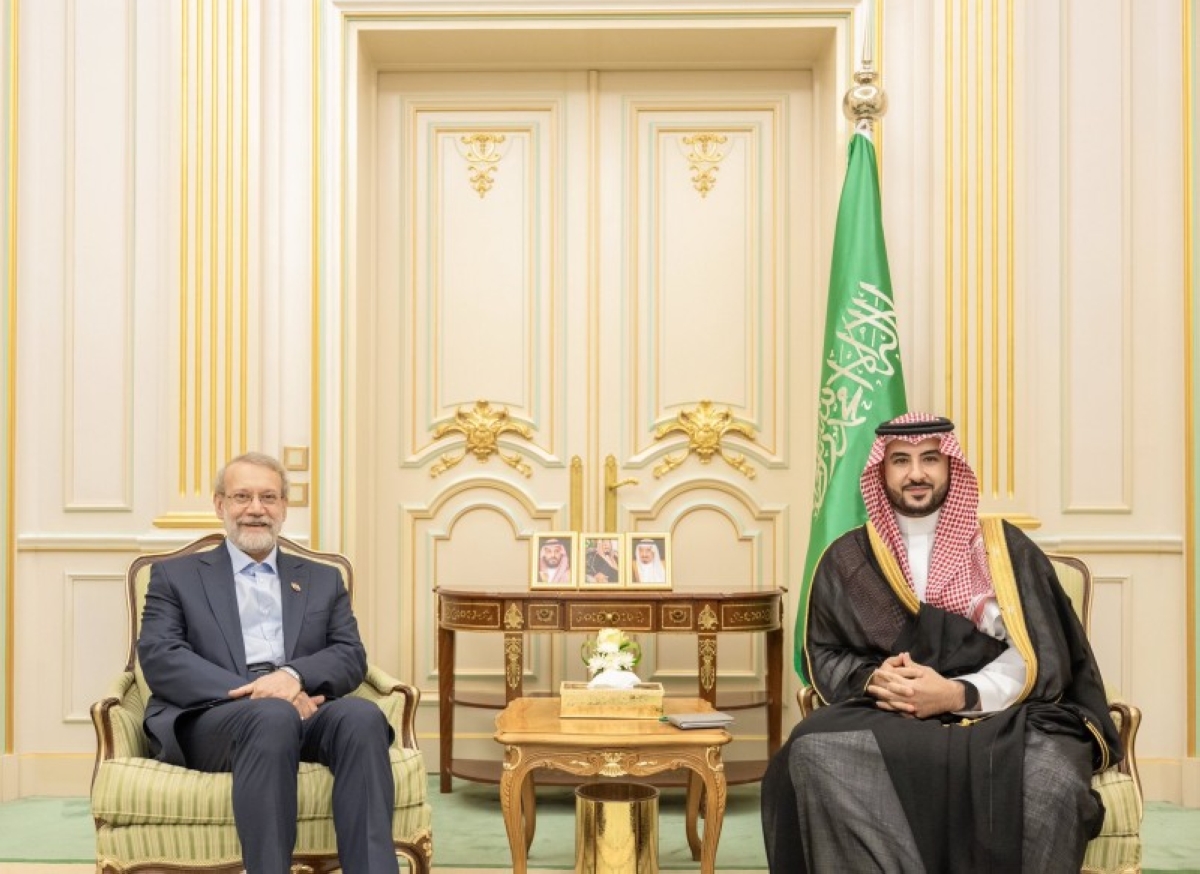
يظهر وزير الدفاع السعودي الأمير خالد بن سلمان بن عبدالعزيز، كأحد أبرز مهندسي الدبلوماسية الدفاعية في المنطقة. لقاءاته الأخيرة - مع قائد القيادة المركزية الأمريكية الفريق الأول براد كوبر، ومع الأمين العام للمجلس الأعلى للأمن القومي الإيراني علي لاريجاني - تؤكد أن وزارة الدفاع السعودية باتت منصة مركزية لإدارة التوازنات الإقليمية وبناء شراكات عسكرية وإستراتيجية تعزز من مكانة المملكة كقوة دفاعية محورية في الشرق الأوسط.
الدبلوماسية الدفاعية
الدبلوماسية الدفاعية التي يقودها وزير الدفاع لا تقتصر على التبادل العسكري أو التمارين المشتركة، بل تمتد إلى استخدام لغة المؤسسة العسكرية في بناء قنوات سياسية. فعبر استعراض محاور التعاون الدفاعي مع الولايات المتحدة من جهة، ومناقشة ملفات الأمن الإقليمي مع إيران من جهة أخرى، يتضح أن وزارة الدفاع أصبحت فاعلاً دبلوماسياً موازياً لوزارة الخارجية في ملفات الأمن والاستقرار.
القوة الدفاعية السعودية
المملكة اليوم لا تقدم نفسها كحليف تابع، بل كقوة دفاعية مكتملة الأركان. إصلاحات وزارة الدفاع، ورفع جاهزية القوات المسلحة، وتوطين الصناعات العسكرية، كلها تشكّل قدرات ردع إستراتيجية تضع السعودية في مرتبة متقدمة إقليمياً. وهذه القوة لا تُعرض في الميدان فقط، بل تُستخدم كأداة ضغط ورسالة طمأنة في آن واحد، وهو جوهر مفهوم «الدبلوماسية الدفاعية».
لقاءات مزدوجة
مع واشنطن: تأكيد على أن التعاون الدفاعي ليس دعماً من طرف واحد، بل شراكة قائمة على المصالح المشتركة، مع بحث مستجدات الساحة الإقليمية في إطار عسكري-إستراتيجي.
مع طهران: فتح قنوات اتصال مباشرة عبر بوابة الأمن القومي، بما يعكس ثقة المملكة في قدرتها على إدارة الملفات المعقدة من موقع قوة، وبمنهجية إدارة المخاطر لا الانفعال السياسي.
صناعة التوازنات
الأمير خالد بن سلمان يرسّخ معادلة جديدة؛ قوة دفاعية سعودية قادرة على الردع الذاتي، انفتاح دبلوماسي يضع الرياض كجسر توازن بين قوى الشرق والغرب، توظيف لغة الدفاع كأداة سياسية تحافظ على الاستقرار وتؤكد مكانة المملكة كـ«ضامن أمني» في الشرق الأوسط.
الأمير خالد بن سلمان يقود وزارة الدفاع في مسار مزدوج؛ تعزيز القدرات العسكرية داخلياً، وتفعيل الدبلوماسية الدفاعية خارجياً.. هذه المقاربة جعلت من السعودية قوة عسكرية وسياسية-دفاعية يُحسب حسابها في الشرق الأوسط، وقادرة على فرض التوازن وإدارة الملفات الشائكة من موقع متقدم.
The Saudi Minister of Defense, Prince Khalid bin Salman bin Abdulaziz, emerges as one of the prominent architects of defensive diplomacy in the region. His recent meetings - with U.S. Central Command Commander General Eric Kurilla, and with the Secretary General of Iran's Supreme National Security Council, Ali Larijani - confirm that the Saudi Ministry of Defense has become a central platform for managing regional balances and building military and strategic partnerships that enhance the Kingdom's position as a pivotal defensive power in the Middle East.
Defensive Diplomacy
The defensive diplomacy led by the Minister of Defense is not limited to military exchanges or joint exercises; it extends to using the language of the military institution to build political channels. By showcasing defense cooperation with the United States on one hand, and discussing regional security issues with Iran on the other, it becomes clear that the Ministry of Defense has become a diplomatic actor parallel to the Ministry of Foreign Affairs in matters of security and stability.
Saudi Defensive Power
Today, the Kingdom does not present itself as a subordinate ally, but as a complete defensive power. Reforms in the Ministry of Defense, enhancing the readiness of the armed forces, and localizing military industries all form strategic deterrent capabilities that place Saudi Arabia in an advanced regional position. This power is not only displayed in the field but is also used as a tool of pressure and a message of reassurance simultaneously, which is the essence of the concept of "defensive diplomacy."
Dual Meetings
With Washington: A confirmation that defense cooperation is not a one-sided support, but a partnership based on mutual interests, while discussing developments in the regional arena within a military-strategic framework.
With Tehran: Opening direct communication channels through the national security gateway, reflecting the Kingdom's confidence in its ability to manage complex issues from a position of strength, and with a risk management methodology rather than political impulsiveness.
Creating Balances
Prince Khalid bin Salman establishes a new equation; a Saudi defensive power capable of self-deterrence, a diplomatic openness that positions Riyadh as a balancing bridge between the East and the West, employing the language of defense as a political tool that maintains stability and affirms the Kingdom's status as a "security guarantor" in the Middle East.
Prince Khalid bin Salman leads the Ministry of Defense on a dual path; enhancing military capabilities domestically, and activating defensive diplomacy externally.. This approach has made Saudi Arabia a military and political-defensive power that is taken into account in the Middle East, capable of imposing balance and managing complex issues from an advanced position.