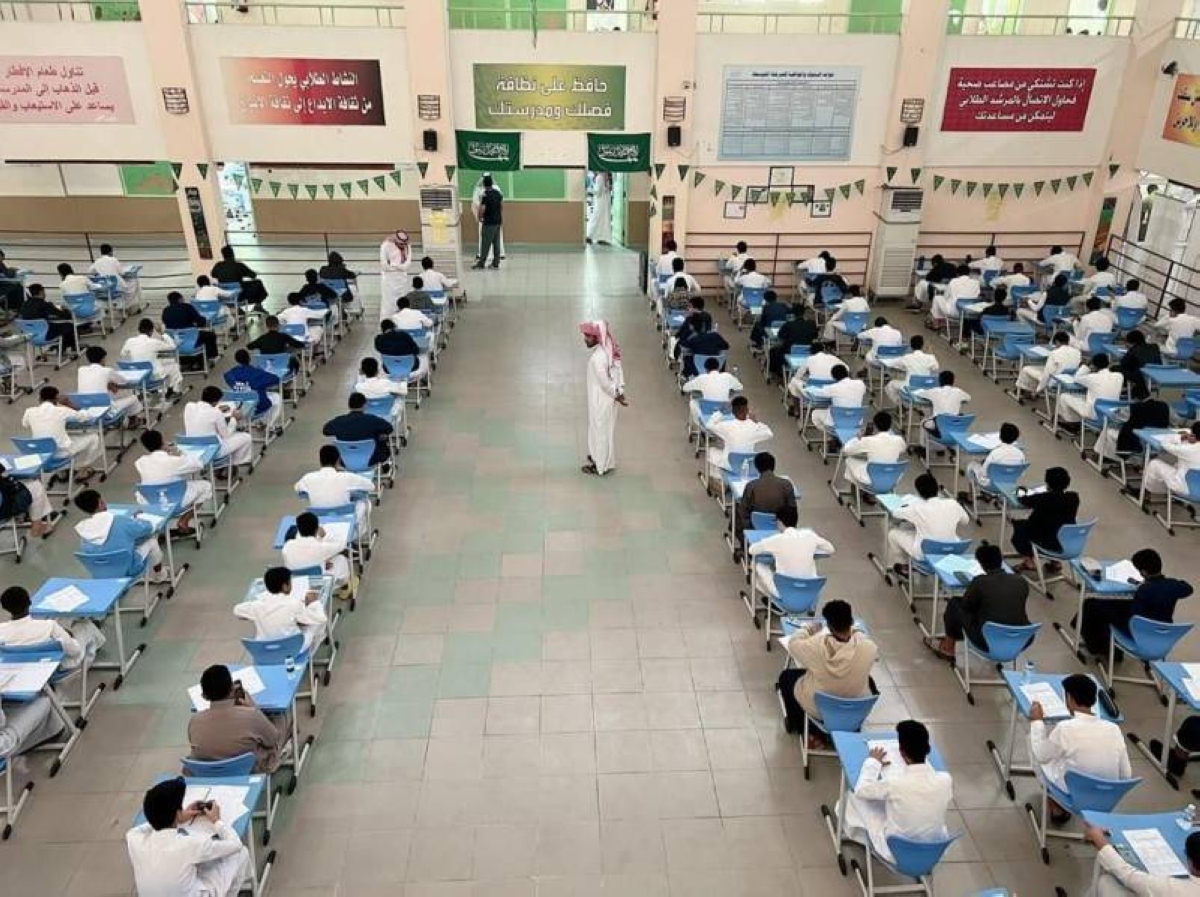
أتاحت وزارة التعليم إمكانية تأجيل اختبارات الدور الثاني لبعض الطلبة، وحدّدت بداية العام الدراسي الجديد لعقدها، وذلك حلٌّ للطلاب الذين قد لا تسعفهم الفترة الزمنية المحددة بعد نهاية اختبارات الدور الأول لاستكمال اختباراتهم التعويضية، إذ سيُمنحون فرصة لأدائها في موعد اختبار الطلاب الغائبين بعذر.
جاء ذلك ضمن الإطار التنظيمي المحدث لدليل الاختبارات للعام 2025، ويهدف الإجراء إلى تخفيف الضغط على الطلبة، ومنحهم الوقت الكافي للاستعداد، ما يضمن تحقيق العدالة وتكافؤ الفرص للجميع.
ومنح الدليل مديري إدارات التعليم صلاحياتٍ واسعةً لاستثناء الحالات الخاصة، والتعامل مع الظروف القاهرة، التي قد تواجه الطلاب، بما يضمن عدم تأثر مسيرتهم الدراسية.
وقدّم الدليل حزمةً من التسهيلات لمراعاة المصلحة التعليمية للطالب، تشمل ضوابط تنظم سير الاختبارات اليومية، إذ يُمنع اختبار الطالب في أكثر من مادتين خلال اليوم الواحد، مع إتاحة إمكانية إضافة مادة ثالثة في حالات الضرورة القصوى، شريطة الحصول على موافقة خطيّة من ولي أمر الطالب، ومن تلك التسهيلات ما يخص الطلاب ذوي الظروف الاستثنائية كالمرضى والمرابطين على الحدود، التي تؤكد أن الظروف القاهرة يجب ألا تكون عائقاً أمام حق الطالب في التعليم والتقييم العادل.
ومنع الدليل تحويل اختبارات الدور الثاني للطلاب بين إدارات التعليم المختلفة، وكذلك بين المدارس التابعة لكل إدارة؛ بهدف ضبط العملية وضمان استقرارها.
التعليم: تأجيل مشروط لاختبارات الدور الثاني إلى بداية العام الدراسي الجديد
9 سبتمبر 2025 - 17:56
|
آخر تحديث 9 سبتمبر 2025 - 17:56


تابع قناة عكاظ على الواتساب
إبراهيم العلوي (جدة) @i_waleeed22
The Ministry of Education has allowed the postponement of second-round exams for some students and has set the beginning of the new academic year for holding them. This is a solution for students who may not have enough time after the end of the first-round exams to complete their compensatory tests, as they will be given the opportunity to take them on the date designated for absent students with valid excuses.
This came as part of the updated regulatory framework for the exam guide for the year 2025, and the procedure aims to alleviate pressure on students and provide them with enough time to prepare, ensuring fairness and equal opportunities for all.
The guide grants education department directors broad powers to exempt special cases and deal with extraordinary circumstances that students may face, ensuring that their academic journey is not affected.
The guide provides a package of facilities to consider the educational interest of the student, including regulations that organize the conduct of daily exams, as students are prohibited from being tested in more than two subjects in one day, with the possibility of adding a third subject in cases of extreme necessity, provided that written approval is obtained from the student's guardian. Among these facilities are those concerning students with exceptional circumstances, such as the sick and those stationed at the borders, which affirm that extraordinary circumstances should not be an obstacle to a student's right to education and fair assessment.
The guide prohibits the transfer of second-round exams for students between different education departments, as well as between schools affiliated with each department, with the aim of regulating the process and ensuring its stability.
This came as part of the updated regulatory framework for the exam guide for the year 2025, and the procedure aims to alleviate pressure on students and provide them with enough time to prepare, ensuring fairness and equal opportunities for all.
The guide grants education department directors broad powers to exempt special cases and deal with extraordinary circumstances that students may face, ensuring that their academic journey is not affected.
The guide provides a package of facilities to consider the educational interest of the student, including regulations that organize the conduct of daily exams, as students are prohibited from being tested in more than two subjects in one day, with the possibility of adding a third subject in cases of extreme necessity, provided that written approval is obtained from the student's guardian. Among these facilities are those concerning students with exceptional circumstances, such as the sick and those stationed at the borders, which affirm that extraordinary circumstances should not be an obstacle to a student's right to education and fair assessment.
The guide prohibits the transfer of second-round exams for students between different education departments, as well as between schools affiliated with each department, with the aim of regulating the process and ensuring its stability.