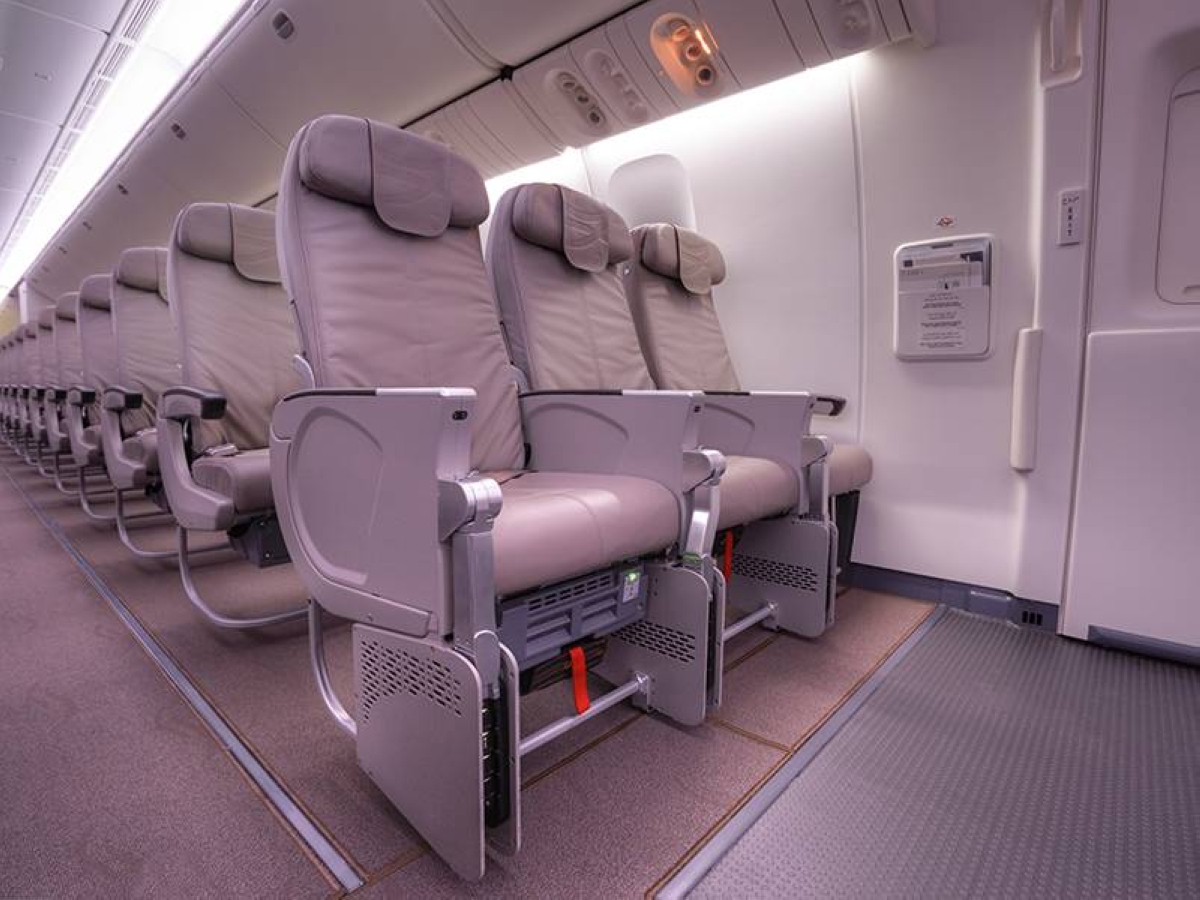
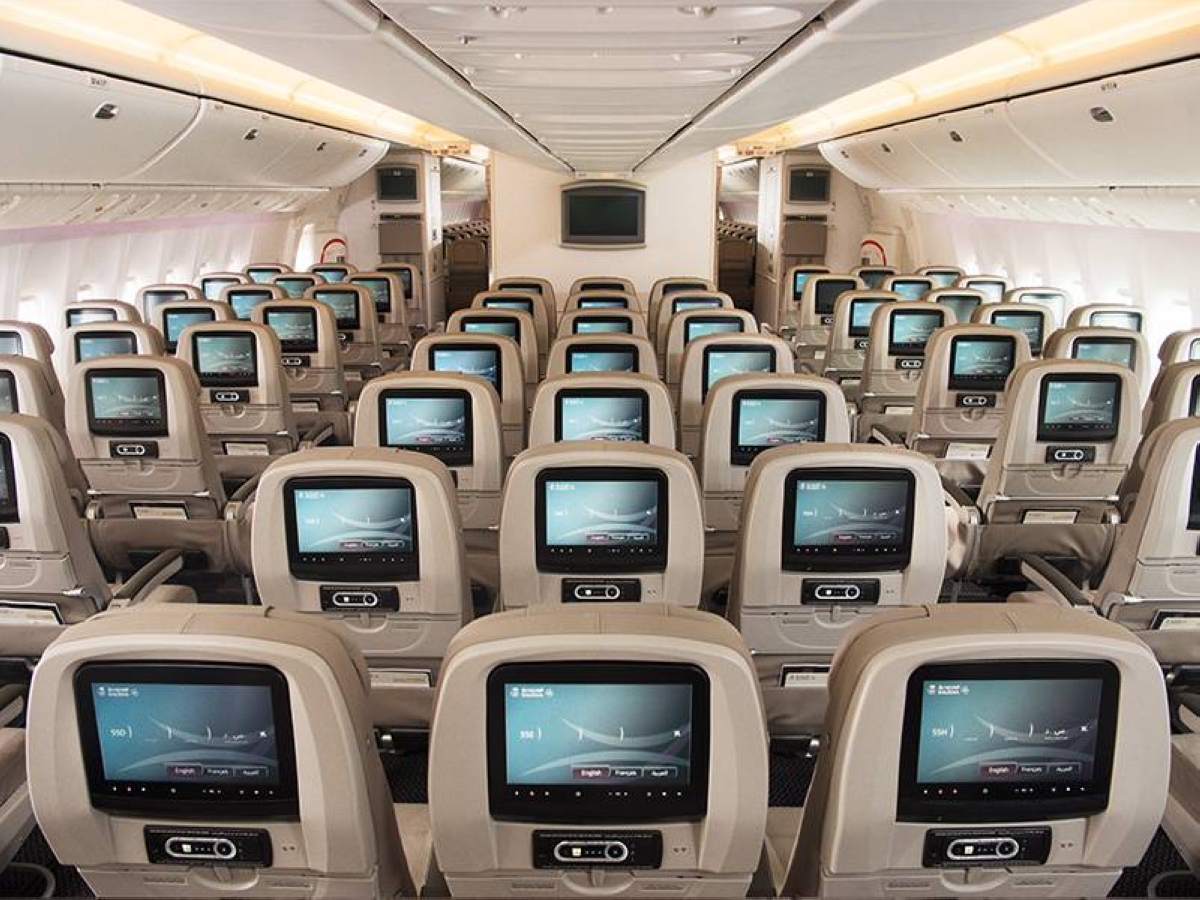
تضمنت قواعد درجات إركاب الموظفين والعاملين في الأجهزة العامة من مدنيين وعسكريين، على الطائرات، ضوابط وآليات تفصيلية للإركاب ومعالجة أي حالة أو إشكال ينشأ من تطبيق القواعد.
ونصت القواعد التي وافق عليها مجلس الوزراء على أن القرار يشمل كل جهاز أنشأته الدولة ممثلة بأي من سلطاتها الثلاث وما ينشأ عنه مستقبلاً، كما يشمل الأجهزة الحكومية والأجهزة ذات الشخصية المعنوية العامة سواء كانت ميزانيتها ضمن ميزانية الدولة أو خارجها، ولا يشمل ذلك الأجهزة المشمولة بالقطاعين الخاص وغير الربحي، باعتبارها أجهزة غير عامة، كما يشمل الموظف والعامل وكل من يعمل من مدنيين أو عسكريين لدى الجهاز العام، سواء كان خاضعاً لنظام الخدمة المدنية، أو لأنظمة الخدمة العسكرية، أو لنظامي العمل والتأمينات الاجتماعية.
وطبقاً للقرار، تكون درجات الإركاب للموظفين والعاملين في الأجهزة العامة وفقاً لما يلي: درجة سياحية أو ما يعادلها لموظفي المرتبة الحادية عشرة فما دون على سلم الموظفين العام، وما يعادل ذلك لغيرهم من الموظفين والعاملين على السلالم الوظيفية الأخرى، درجة الأعمال أو ما يعادلها لموظفي المراتب الرابعة عشرة والثالثة عشرة والثانية عشرة على سلم الموظفين العام، وما يعادل ذلك لغيرهم من الموظفين والعاملين على السلالم الوظيفية الأخرى، درجة أولى أو ما يعادلها لموظفي المرتبة الخامسة عشرة وما فوق على سلم الموظفين العام، وما يعادل ذلك لغيرهم من الموظفين والعاملين على السلالم الوظيفية الأخرى.
ويجوز للمسؤول الأول في الجهاز العام إركاب الموظف أو العامل الذي يمثل المملكة في وفد رسمي أو يرافق وفداً رسمياً؛ على درجة إركاب أعلى من الدرجة المقررة له.
وأكد القرار أن تشكل لجنة من وزارة المالية، ووزارة الموارد، والهيئة العامة للطيران المدني، والهيئة العامة للنقل، والمركز الوطني لنظم الموارد الحكومية، والأمانة العامة لمجلس الخدمة العسكرية؛ تتولى إصدار ما يلزم من ضوابط وآليات تفصيلية لإركاب الموظفين والعاملين في الأجهزة العامة، على أن يشمل ذلك معادلة درجات الإركاب وما يتصل بتحديد وسيلة النقل ذات الأولوية في الحالات التي تتوفر فيها أكثر من وسيلة نقل للإركاب.
The rules for the boarding grades of employees and workers in public agencies, both civilian and military, on aircraft included detailed controls and mechanisms for boarding and addressing any case or issue arising from the application of the rules.
The rules approved by the Council of Ministers stated that the decision includes every agency established by the state represented by any of its three authorities and any that may be established in the future. It also includes government agencies and those with public legal personality, whether their budget is part of the state budget or outside it. However, it does not include agencies covered by the private and non-profit sectors, as they are considered non-public agencies. The rules apply to employees and workers, including civilians and military personnel, at public agencies, whether they are subject to the civil service system, military service regulations, or the labor and social insurance systems.
According to the decision, the boarding grades for employees and workers in public agencies are as follows: Economy class or its equivalent for employees at the eleventh rank and below on the public employee scale, and the equivalent for others on different job scales; Business class or its equivalent for employees at the fourteenth, thirteenth, and twelfth ranks on the public employee scale, and the equivalent for others on different job scales; First class or its equivalent for employees at the fifteenth rank and above on the public employee scale, and the equivalent for others on different job scales.
The head of the public agency may allow the boarding of an employee or worker representing the Kingdom in an official delegation or accompanying an official delegation to a higher boarding grade than the one assigned to them.
The decision confirmed the formation of a committee from the Ministry of Finance, the Ministry of Resources, the General Authority of Civil Aviation, the General Transport Authority, the National Center for Government Resource Systems, and the General Secretariat of the Military Service Council. This committee will be responsible for issuing the necessary detailed controls and mechanisms for boarding employees and workers in public agencies, including the equation of boarding grades and what relates to determining the priority mode of transport in cases where more than one means of transport is available for boarding.