تمكّنت فرق مختصة في المركز الوطني لتنمية الغطاء النباتي ومكافحة التصحر، خلال 2025م، من جمع أكثر من 80 طناً من بذور النباتات البرية المحلية؛ شملت 45 نوعاً نباتيّاً، من بينها الغضا، والأرطى، والطلح النجدي، والسلم، والسدر البري، والعرفج، والسمر، والرمث، والضمران. ويأتي هذا النشاط في إطار الجهود العلمية والبيئية، الرامية إلى الحفاظ على التنوع النباتي المحلي ومكافحة التصحر، إذ تُستخدم هذه البذور في برامج إعادة الاستزراع، سواء عبر إنباتها في المشاتل، أو نثرها مباشرة في المناطق المتدهورة.
ويسهم إعادة إنبات هذه الأنواع في تحسين المراعي الطبيعية، وتوفير مصادر غذاء مستدامة للثروة الحيوانية، وتقليل الضغط على الأراضي المتصحرة، إلى جانب الحفاظ على التوازن البيئي في مختلف مناطق المملكة. ويشير خبراء البيئة إلى أن جمع وتخزين بذور النباتات البرية، يمثّل خطوة أساسية لإكثار الأنواع المحلية النادرة، وضمان استمراريتها في مواجهة التحديات المناخية والتوسع العمراني. وتُعد هذه الجهود جزءاً من التوجهات العالمية لتعزيز الاستدامة البيئية والتكيّف مع التغيّر المناخي.
جمع 80 طناً من البذور المحلية لإحياء النباتات المهددة بالاندثار
7 سبتمبر 2025 - 00:49
|
آخر تحديث 7 سبتمبر 2025 - 00:49
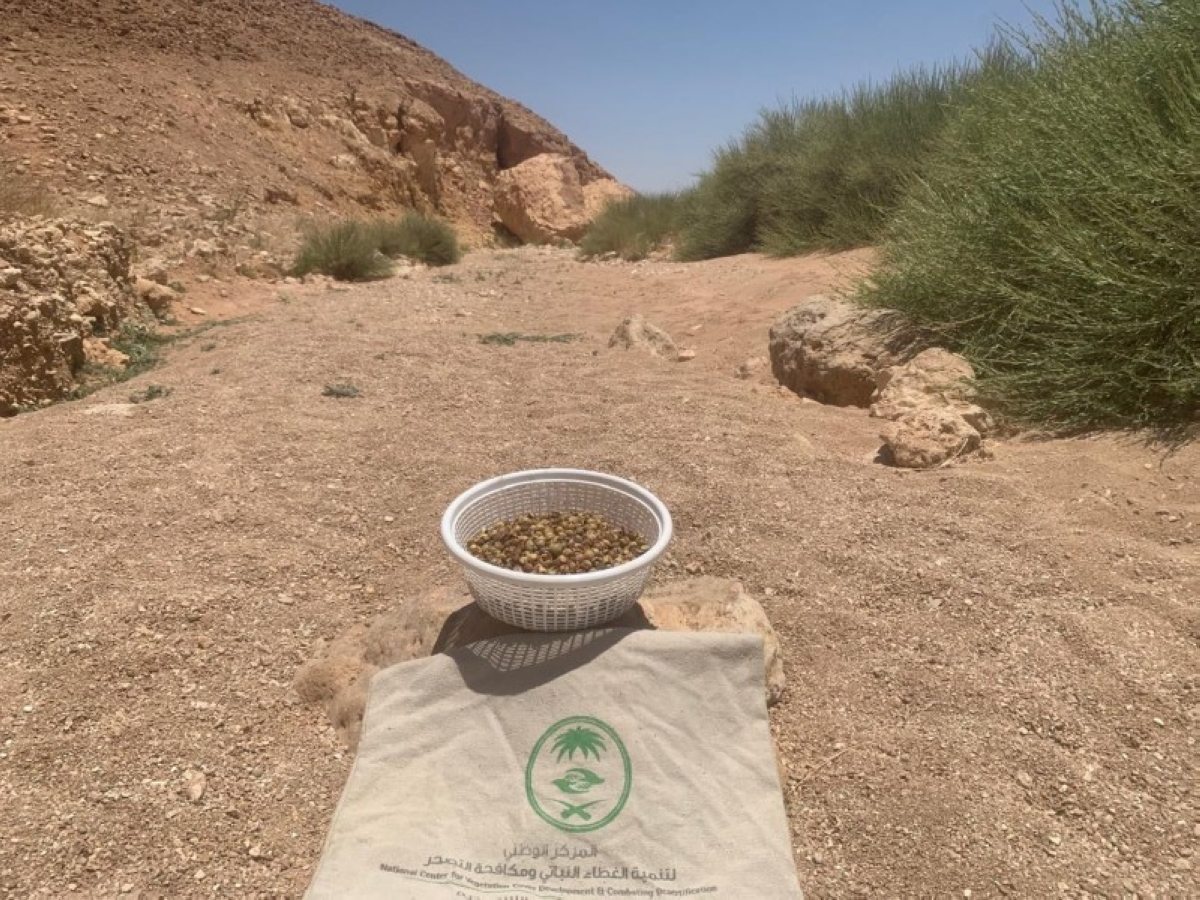
تُسهم البذور في تحسين المراعي الطبيعية. (عكاظ)


تابع قناة عكاظ على الواتساب
عبدالعزيز الشهري (الرياض) abdalaziz_12345@
Specialized teams at the National Center for Vegetation Cover Development and Combating Desertification managed to collect over 80 tons of seeds from local wild plants in 2025, including 45 plant species such as ghada, arta, Najdi acacia, slim, wild sidr, arufaj, samr, rmath, and dhomran. This activity is part of scientific and environmental efforts aimed at preserving local plant diversity and combating desertification, as these seeds are used in replanting programs, either by germinating them in nurseries or by directly sowing them in degraded areas.
The re-germination of these species contributes to improving natural pastures, providing sustainable food sources for livestock, and reducing pressure on desertified lands, in addition to maintaining ecological balance in various regions of the Kingdom. Environmental experts indicate that collecting and storing seeds from wild plants is a fundamental step in propagating rare local species and ensuring their continuity in the face of climate challenges and urban expansion. These efforts are part of global trends to enhance environmental sustainability and adapt to climate change.
The re-germination of these species contributes to improving natural pastures, providing sustainable food sources for livestock, and reducing pressure on desertified lands, in addition to maintaining ecological balance in various regions of the Kingdom. Environmental experts indicate that collecting and storing seeds from wild plants is a fundamental step in propagating rare local species and ensuring their continuity in the face of climate challenges and urban expansion. These efforts are part of global trends to enhance environmental sustainability and adapt to climate change.