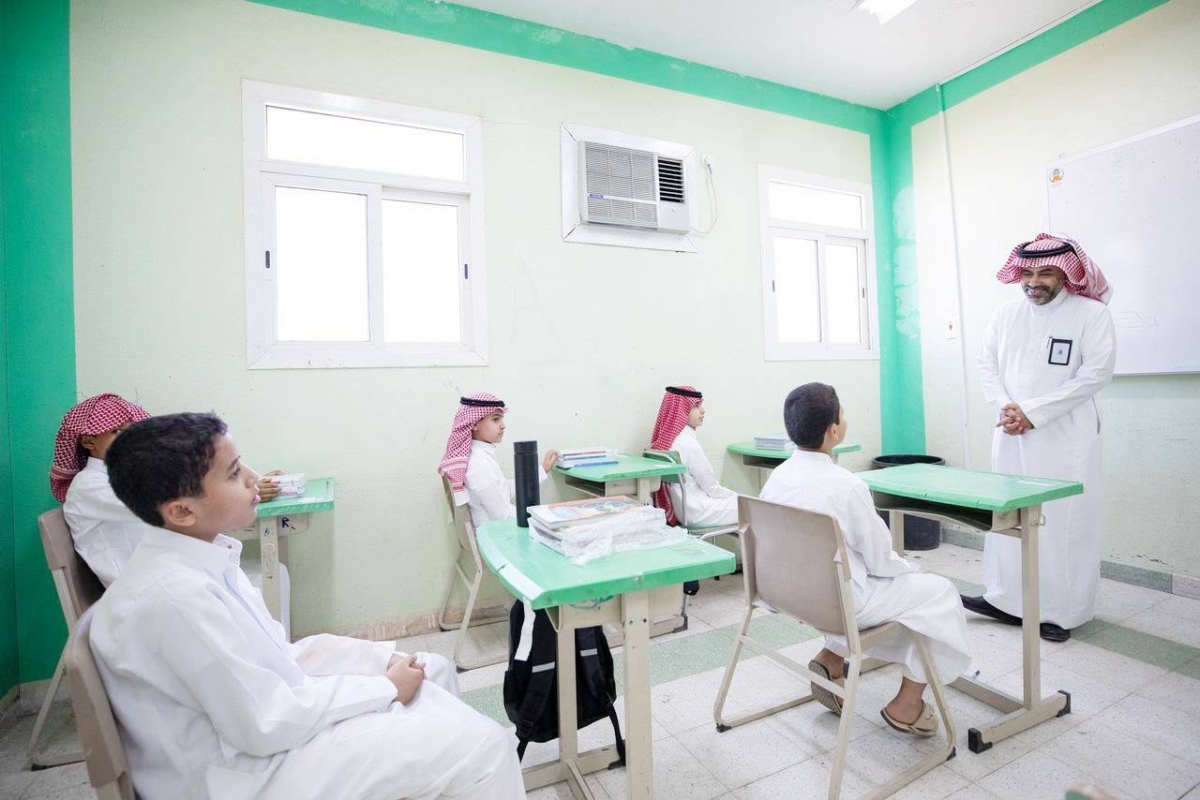
لوّحت النيابة العامة مع بداية العام الدراسي بالعقوبات الجزائية لكل من يتسبب في انقطاع الطفل عن التعليم، مؤكدة أن حرمان الطفل من حقه في الدراسة يُعد صورة من صور الإيذاء، التي تستوجب المساءلة.
وشدّدت، في رسالتها التوعوية، على أن التعليم أساس مستقبل كل طفل، وأن أي إهمال أو تقصير يؤدي إلى تعطيله يعرّض مرتكبه للمحاسبة.
ومع انطلاقة العام الدراسي الحالي، استقبلت المدارس السعودية أكثر من 412 ألف طالب وطالبة مستجدين في الصف الأول الابتدائي، فيما بلغ عدد الأطفال في مرحلة رياض الأطفال أكثر من 300 ألف طفل موزعين على نحو 16 ألف فصل دراسي.
وتعكس الأرقام حجم الجهود المبذولة في استيعاب الأعداد المتزايدة من الطلبة، وتبرز أهمية الرسالة التوعوية للنيابة العامة التي تضع مسؤولية حماية هذا الحق على الأسرة والمجتمع.
وأكد المحامي سلمان الرمالي أن توجيه النيابة يتوافق مع نظام حماية الطفل والأنظمة العدلية في المملكة التي تعتبر التعليم حقّاً إلزاميّاً. وقال إن حرمان الطفل من التعليم أو التسبب في تعطيله يدخل ضمن صور الإيذاء المجرّم، والمساءلة تهدف إلى حماية حق أساسي يحدّد مستقبل الأجيال.
The Public Prosecution has warned at the beginning of the school year about the penal sanctions for anyone who causes a child to drop out of education, emphasizing that depriving a child of their right to education is a form of abuse that warrants accountability.
In its awareness message, it stressed that education is the foundation of every child's future, and any neglect or failure that leads to disruption exposes the perpetrator to accountability.
With the start of the current school year, Saudi schools welcomed more than 412,000 new students in the first grade, while the number of children in kindergarten exceeded 300,000, distributed across approximately 16,000 classrooms.
The figures reflect the extent of efforts made to accommodate the increasing number of students and highlight the importance of the Public Prosecution's awareness message, which places the responsibility of protecting this right on families and the community.
Lawyer Salman Al-Ramali confirmed that the Public Prosecution's directive aligns with the Child Protection System and the judicial regulations in the Kingdom, which consider education a mandatory right. He stated that depriving a child of education or causing their disruption falls under forms of criminalized abuse, and accountability aims to protect a fundamental right that determines the future of generations.