

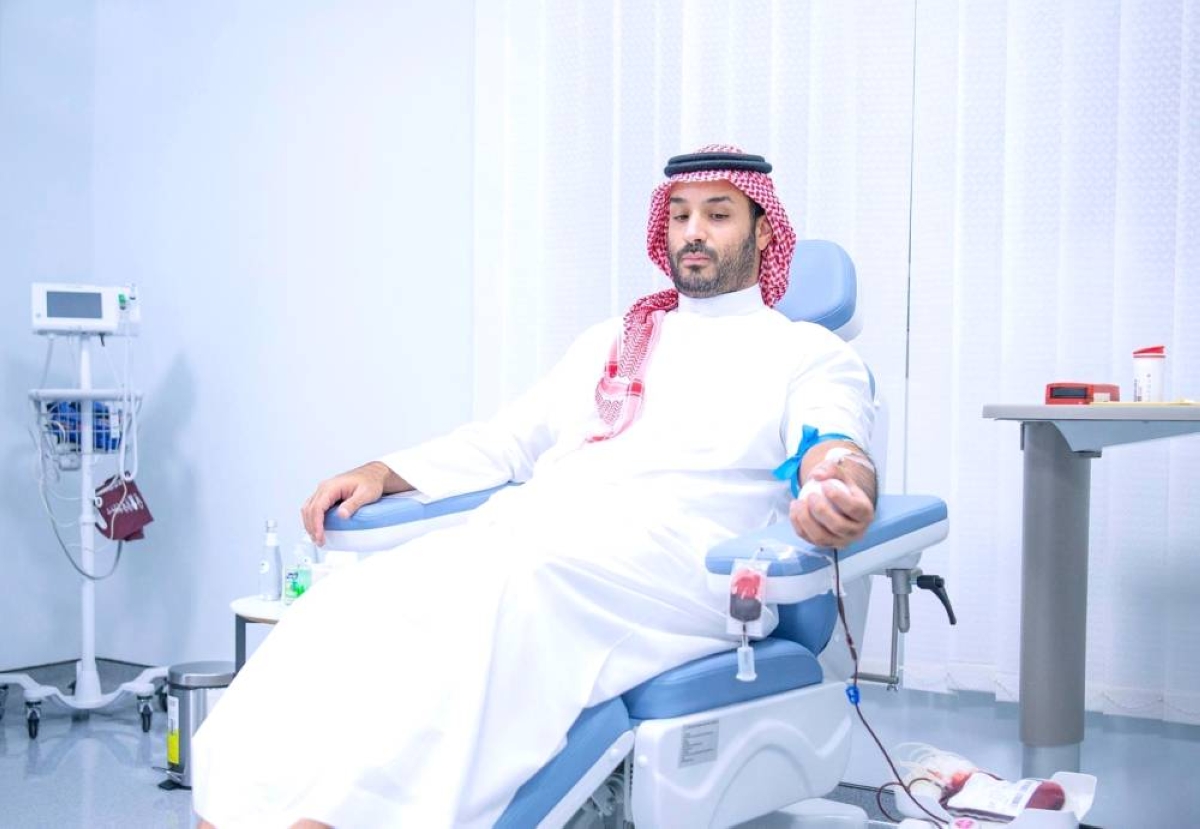

امتداداً لرعايته للعمل الإنساني، وفي بادرة إنسانية، وتجسيداً لحرصه على تعزيز المشاركة المجتمعية، وترسيخاً لثقافة التبرع الطوعي، ودعماً للجهود الوطنية في القطاع الصحي، وصولاً إلى رفع نسبة التبرع الطوعي إلى 100% من إجمالي المتبرعين، وتحقيقاً لمستهدفات رؤية المملكة 2030 نحو مجتمع حيوي يتمتع بحياة صحية متكاملة، وتشجيعاً لجميع فئات المجتمع على المبادرة بالتبرع، وتجسيداً للقدوة الملهمة في العمل الإنساني، وتحفيزاً لأفراد المجتمع على تبني ثقافة العطاء، ودعوتهم للمشاركة في هذا العمل النبيل والإسهام في إنقاذ الأرواح؛ تبرع ولي العهد رئيس مجلس الوزراء الأمير محمد بن سلمان بالدم، ضمن حملة سنوية للتبرع بالدم أطلقها الخميس الماضي، لتحقيق الاكتفاء الذاتي من الدم ومكوناته، ولضمان توفير إمدادات آمنة ومستدامة تلبي احتياجات المستفيدين في مختلف مناطق المملكة، إذ يسهم التبرع الواحد في إنقاذ الأرواح من خلال توفير وحدة دم أو بلازما أو صفائح دموية، وبلغ عدد المتبرعين بالدم في عام 2024 أكثر من 800 ألف متبرع.
وتأتي المبادرة امتداداً للمواقف الإنسانية السخيّة للقيادة في مختلف المجالات، ومنها تلقي لقاح فايروس كورونا (كوفيد-19)، وتسجيل خادم الحرمين الشريفين وولي العهد في برنامج التبرع بالأعضاء.
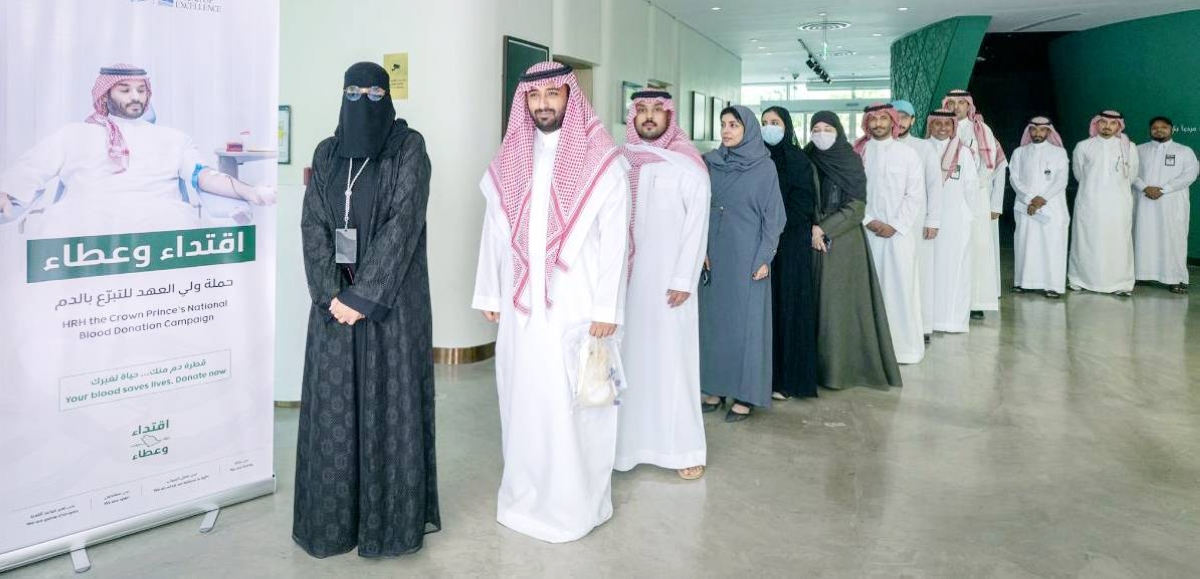
وشهدت مناطق المملكة (الجمعة) مشاركة أمراء المناطق والوزراء، في الحملة الوطنية السنوية للتبرع بالدم، التي أطلقها ولي العهد، داعين الأهالي والمقيمين إلى المشاركة الفاعلة في هذه الحملة الوطنية، والإسهام في إنقاذ الأرواح، وترسيخ ثقافة التبرع بالدم واجباً إنسانياً ونبيلاً. فيما حثّت وزارة الصحة المواطنين والمقيمين على المشاركة في حملة «ولي العهد للتبرع بالدم» التي تُقام سنوياً، مؤكدةً أن التبرع متاح عبر خيارين؛ إما بالتوجه مباشرة إلى مراكز التبرع بالدم حول المملكة، أو بالحجز إلكترونياً عبر تطبيق «صحتي»، إذ تم تخصيص 185 مركزاً معتمداً للتبرع بالدم تعمل بكامل جاهزيتها لتقديم خدمات صحية آمنة تراعي أعلى معايير الجودة، في مختلف المدن والمناطق حول المملكة.
وأعلنت الصحة القابضة والتجمعات الصحية التابعة لها، استعدادها لاستقبال جميع المواطنين والمقيمين بالمملكة العربية السعودية في جميع المناطق والمدن، الراغبين في التبرع بالدم.
خطوة إنسانية وفاعلة ومشجعة
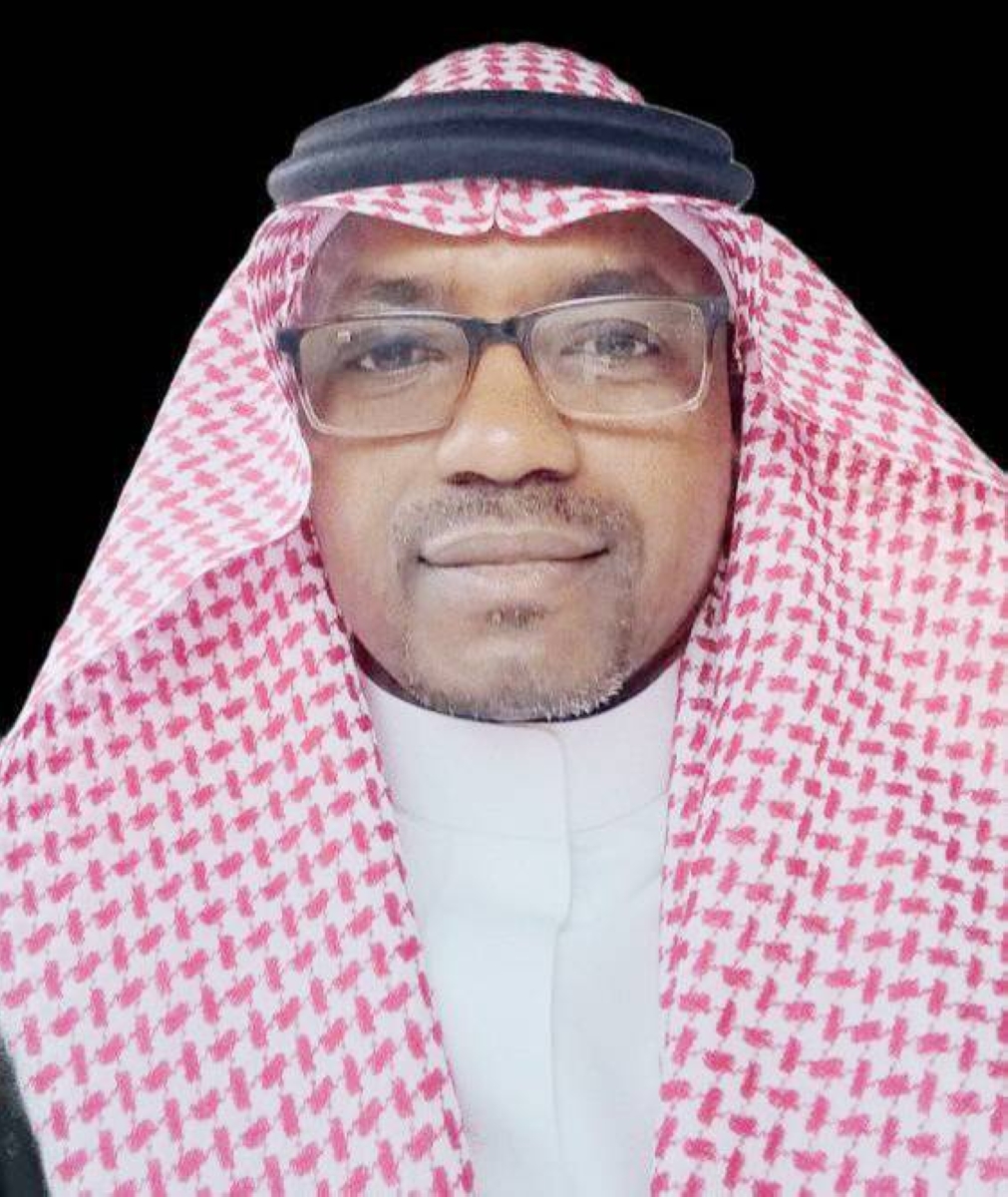
«عكاظ» تابعت حملة ولي العهد للتبرع بالدم، وكانت البداية مع أشرف محمد عمر؛ الذي وصف التبرع بالدم بأنه من أسمى صور العطاء الإنساني، وله أهمية بالغة على عدة مستويات، سواء للفرد المتبرع أو للمجتمع ككل، ومن خلاله تنقذ الأرواح، خصوصاً في حالات الطوارئ والحوادث، فالتبرع بالدم دعم للمستشفيات وتعزيز للمجتمعات وتنشيط للدورة الدموية، ومن فضل الله الدولة لم تطلب من المتبرع أي تكاليف مادية، على العكس أوجدت الحوافز والمشجعات للمتبرعين من خلال منحهم أوسمه الدولة، وإطلاق ولي العهد، حملة التبرع بالدم سيكون له دور فاعل في تشجيع الآخرين بالتوجه إلى بنوك الدم من أجل التبرع بالدم.
وفي السياق ذاته، يقول إبراهيم الناصر: التبرع بالدم فيه إنقاذ للأرواح وتنشيط للجسم وإسعاد للآخرين المحتاجين والتأكيد على التعاون المجتمعي، وتبرع ولي العهد بدمه وإطلاق حملة التبرع خطوة إنسانية وفاعلة ومشجعة ستجني بنوك الدم ثمارها عن قريب.
حافز لتجديد نشاط الجسم
للمختصين من أطباء وفنيي المختبرات رأي، إذ يقول رئيس قسم المختبر بمركز الأمير عبدالمجيد النموذجي التابع لمستشفى الثغر بجدة حسين الشيخي: إن التبرع بالدم له أهمية كبيرة على العديد من الأصعدة؛ سواء على مستوى الفرد أو المجتمع بشكل عام، ففيه إنقاذ للأرواح، خصوصاً للمرضى الذين يخضعون للعمليات الجراحية أو الذين يعانون من أمراض مثل السرطان، أو الذين يتعرضون لحوادث خطيرة، فدعم نظام الرعاية الصحية في بنوك الدم هو القضاء على أي نقص لأي نوع قد يحتاج إليه في أي وقت وزمان، وبالتالي التبرع بالدم مصدر رئيسي وضروري ومهم لتوفير هذه الإمدادات الحيوية، وفي الوقت نفسه هو حافز لتجديد نشاط الجسم، إذ يساعد الجسم على تجديد خلايا الدم بشكل أسرع، ويعزز من صحة الشخص المتبرع، ويعزز التضامن الاجتماعي بمساهمة أفراد المجتمع في العمل التطوعي الذي يعكس قيم التعاون والمساعدة، ناهيك أنه عامل صحي للمتبرع، فبعض الدراسات أظهرت أن التبرع بالدم يمكن أن يساعد في تقليل مستويات الحديد الزائدة في الدم، مما قد يساهم في تقليل مخاطر الإصابة ببعض الأمراض المرتبطة بزيادة الحديد.
قطرة تعني الحياة
فني المختبرات بمركز صحي الفضيلة التابع لمستشفى الملك عبدالعزيز محمد سليم الجيزاني، قال: إن التبرع بالدم عمل إنساني نبيل، يجسد أسمى معاني العطاء والتكافل بين أفراد المجتمع، وهو شريان الحياة الذي يُسهم في إنقاذ أرواح لا تُعد ولا تُحصى يومياً، من المرضى والمصابين في الحوادث، ومرضى السرطان، وأولئك الذين يحتاجون إلى عمليات جراحية، وإن قطرة دم واحدة قد تعني الحياة لشخص ما، والتبرع بالدم لا يُكلف المتبرع شيئاً، بل يمنحه شعوراً عظيماً بالرضا، وقد أثبتت الدراسات الطبية أن له فوائد صحية، كتحفيز الجسم على إنتاج خلايا دم جديدة، والمساعدة في تقليل خطر الإصابة ببعض الأمراض، وأبلغ حثّ على هذا العمل تبرع ولي العهد رئيس مجلس الوزراء الأمير محمد بن سلمان بدمه، ومد يده لفني مختبر الدم معلناً انطلاق حملة التبرع بالدم، ولحق به أمراء المناطق والوزراء والمواطنين والمقيمين، فهذا العمل دلالة أن قادتنا هم قدوتنا، فانطلاق حملة ولي العهد، للتبرع بالدم تأكيد على أهمية الدور الإنساني لكل فرد في المجتمع وتشجيع لأفراده على تبنّي هذه الثقافة النبيلة، مما عزز من انتشارها ورفع من الوعي المجتمعي بأهمية هذا العمل، فمن خلال التبرع بالدم نُسهم في إنقاذ الأرواح، ونعزز روح التضامن والمسؤولية الاجتماعية، فهذه الحملة جاءت لتُعزز الوعي المجتمعي بأهمية التبرع بالدم، وتُبرز فوائده الصحية، والنفسية، والمجتمعية، مؤكداً أن كل فرد قادر على أن يكون سبباً في إنقاذ حياة إنسان.
تكامل المجتمع السعودي
أخصائي المختبر وبنك الدم بمستشفى الملك عبدالعزيز بجدة ياسر مبروك المولد، أوضح أن التبرع بالدم له أهمية كبرى في إنقاذ الأرواح، ويساعد في تحفيز تجديد الدم وذلك بتنشيط نخاع العظم لإنتاج خلايا دم جديدة في التبرع المنتظم، فالتبرع بالدم عمل إنساني نبيل، ومن أفضل أنواع الصدقات التي يثاب عليها المتبرع، إذ يساهم في إنقاذ حياة الآخرين. ويساعد على تقليل نسبة الحديد في الدم لأنه يعتبر أحد أسباب الإصابة بأمراض القلب وانسداد الشرايين، لذلك تُنظم حملات التبرع بالدم من أجل إنقاذ حياة الآخرين، وفي الوقت نفسه التأكيد على تكامل المجتمع السعودي وترابطه وتعاونه والوقوف مع بعضه عند الشدائد. فالتبرع بالدم بغض النظر عن عمله التطوعي فيه فوائد صحية للمتبرع نفسه من خلال تنشيط الدورة الدموية وتحسين صحته وفحص جسمه من الأمراض واكتشافها مبكراً لعلاجها ودعم بنوك الدم في المنشأة الصحية.
فرصة لكشف الأمراض
أخصائي طب أسرة نائب أول بمركز صحي الفضيلة التابع لمستشفى الملك عبدالعزيز بجدة الدكتور عاصم عدنان كابلي، أكد الأهمية الطبية للتبرع بالدم، وقال: التبرع بالدم ليس مجرد عمل إنساني، بل له أهمية طبية كبيرة لكل من المتبرع والمريض، ويُعد جزءاً أساسياً من النظام الصحي في أي مجتمع. وهو ضروري للحالات الطارئة ولبعض الأمراض وينشط نخاع العظم من خلال تحفيز الجسم على إنتاج خلايا دم جديدة، مما يُجدد الدم وينشّط الجسم، ويخفض مستوى الحديد، فالتبرع المنتظم يُساعد في تقليل نسبة الحديد الزائد في الدم ويقلل خطر الإصابة بأمراض القلب وتلف الكبد، وفرصة للكشف المبكر عن الأمراض التي قد يحملها الإنسان وذلك من خلال الفحوصات الأولية التي تجرى للمتبرع قبل تبرعه والتي تشمل ضغط الدم، ونسبة الهيموغلوبين، وفحوصات للكشف عن أمراض فيروسية مثل التهاب الكبد B وC، والإيدز، ويسهم في تحسين الدورة الدموية، ويُخفف من لزوجة الدم، مما يساعد في تحسين تدفقه وتقليل الضغط على الأوعية الدموية، وهو ضرورة طبية وفعل إنساني وعمل وطني نبيل.
أمراء المناطق والوزراء يتصدرون.. والمتبرعون يتدفقون على 185 مركزاً صحياً لأداء واجب إنساني
استجابة شعبية كبيرة لنداء ولي العهد للتبرع بالدم في أنحاء المملكة
24 أغسطس 2025 - 01:12
|
آخر تحديث 24 أغسطس 2025 - 02:55


تابع قناة عكاظ على الواتساب
محمد الهتار (جدة) alhattar@
Continuing his support for humanitarian work, and as a humanitarian gesture, and embodying his commitment to enhancing community participation, and establishing a culture of voluntary donation, and supporting national efforts in the health sector, aiming to raise the percentage of voluntary donations to 100% of the total donors, and achieving the targets of Saudi Vision 2030 towards a vibrant community that enjoys a comprehensive healthy life, and encouraging all segments of society to take the initiative to donate, and embodying an inspiring role model in humanitarian work, and motivating community members to adopt a culture of giving, and inviting them to participate in this noble work and contribute to saving lives; Crown Prince and Prime Minister Mohammed bin Salman donated blood, as part of an annual blood donation campaign launched last Thursday, to achieve self-sufficiency in blood and its components, and to ensure the provision of safe and sustainable supplies that meet the needs of beneficiaries in various regions of the Kingdom. Each donation contributes to saving lives by providing a unit of blood, plasma, or platelets, and the number of blood donors in 2024 exceeded 800,000 donors.
The initiative extends the generous humanitarian stances of the leadership in various fields, including receiving the COVID-19 vaccine, and the registration of the Custodian of the Two Holy Mosques and the Crown Prince in the organ donation program.
On Friday, the regions of the Kingdom witnessed the participation of regional princes and ministers in the annual national blood donation campaign launched by the Crown Prince, calling on citizens and residents to actively participate in this national campaign and contribute to saving lives, and establishing a culture of blood donation as a humanitarian and noble duty. Meanwhile, the Ministry of Health urged citizens and residents to participate in the “Crown Prince Blood Donation Campaign” held annually, confirming that donation is available through two options: either by going directly to blood donation centers across the Kingdom, or by booking electronically via the “Sehhaty” app, with 185 accredited blood donation centers fully prepared to provide safe health services that meet the highest quality standards in various cities and regions across the Kingdom.
The Holding Health and its affiliated health clusters announced their readiness to welcome all citizens and residents in the Kingdom of Saudi Arabia in all regions and cities who wish to donate blood.
A Humanitarian, Effective, and Encouraging Step
“Okaz” followed the Crown Prince's blood donation campaign, starting with Ashraf Mohammed Omar, who described blood donation as one of the noblest forms of humanitarian giving, and it holds great importance on several levels, whether for the individual donor or for society as a whole, through which lives are saved, especially in emergencies and accidents. Blood donation supports hospitals, enhances communities, and revitalizes the circulatory system. By the grace of God, the state does not ask the donor for any financial costs; on the contrary, it has created incentives and rewards for donors through granting them state medals. The Crown Prince's launch of the blood donation campaign will play an effective role in encouraging others to go to blood banks to donate blood.
In the same context, Ibrahim Al-Nasser says: Blood donation saves lives, revitalizes the body, brings happiness to those in need, and emphasizes community cooperation. The Crown Prince's donation of his blood and the launch of the donation campaign is a humanitarian, effective, and encouraging step that will soon yield results for blood banks.
A Stimulus for Renewing Body Activity
Specialists, including doctors and laboratory technicians, have their opinions. Hussein Al-Sheikhi, head of the laboratory department at the Prince Abdul Majid Model Center affiliated with Al-Thagr Hospital in Jeddah, states that blood donation is of great importance on many levels, whether at the individual level or for society in general. It saves lives, especially for patients undergoing surgeries or those suffering from diseases like cancer, or those involved in serious accidents. Supporting the healthcare system in blood banks is crucial to eliminate any shortages of any type that may be needed at any time, and thus blood donation is a primary, essential, and important source for providing these vital supplies. At the same time, it serves as a stimulus for renewing body activity, as it helps the body regenerate blood cells more quickly, enhances the health of the donor, and promotes social solidarity through the contribution of community members to voluntary work that reflects values of cooperation and assistance. Moreover, it is a health factor for the donor; some studies have shown that blood donation can help reduce excess iron levels in the blood, which may contribute to lowering the risk of certain iron-related diseases.
A Drop Means Life
Mohammed Saleem Al-Jizani, a laboratory technician at the Al-Fadila Health Center affiliated with King Abdulaziz Hospital, stated that blood donation is a noble humanitarian act that embodies the highest meanings of giving and solidarity among community members. It is the lifeblood that contributes to saving countless lives daily, including patients and accident victims, cancer patients, and those who need surgeries. A single drop of blood may mean life for someone, and blood donation costs the donor nothing; rather, it gives them a tremendous sense of satisfaction. Medical studies have proven its health benefits, such as stimulating the body to produce new blood cells and helping reduce the risk of certain diseases. The most significant encouragement for this work was the Crown Prince and Prime Minister Mohammed bin Salman's donation of his blood, extending his hand to the blood laboratory technician, announcing the launch of the blood donation campaign, followed by regional princes, ministers, citizens, and residents. This act signifies that our leaders are our role models. The launch of the Crown Prince's blood donation campaign reaffirms the importance of the humanitarian role of every individual in society and encourages its members to adopt this noble culture, thus enhancing its spread and raising community awareness of the importance of this work. Through blood donation, we contribute to saving lives and enhance the spirit of solidarity and social responsibility. This campaign came to raise community awareness of the importance of blood donation and highlight its health, psychological, and social benefits, confirming that every individual can be a reason for saving a human life.
The Integration of Saudi Society
Yasser Mabrouk Al-Mawlid, a blood bank specialist at King Abdulaziz Hospital in Jeddah, clarified that blood donation is of great importance in saving lives and helps stimulate blood renewal by activating the bone marrow to produce new blood cells through regular donation. Blood donation is a noble humanitarian act and one of the best types of charity for which the donor is rewarded, as it contributes to saving the lives of others. It helps reduce iron levels in the blood, which is considered one of the causes of heart diseases and arterial blockages. Therefore, blood donation campaigns are organized to save the lives of others while emphasizing the integration, cohesion, and cooperation of Saudi society, standing together in times of adversity. Blood donation, regardless of its voluntary nature, has health benefits for the donor himself by activating the circulatory system, improving his health, examining his body for diseases, and discovering them early for treatment, as well as supporting blood banks in health facilities.
An Opportunity to Detect Diseases
Dr. Asim Adnan Kabli, a first deputy family medicine specialist at the Al-Fadila Health Center affiliated with King Abdulaziz Hospital in Jeddah, confirmed the medical importance of blood donation. He said: Blood donation is not just a humanitarian act; it has significant medical importance for both the donor and the patient. It is an essential part of the health system in any community. It is necessary for emergencies and some diseases and stimulates the bone marrow by encouraging the body to produce new blood cells, thus renewing the blood and energizing the body, and lowering iron levels. Regular donation helps reduce excess iron levels in the blood and decreases the risk of heart disease and liver damage. It also provides an opportunity for early detection of diseases that a person may carry through the preliminary tests conducted for the donor before their donation, which include blood pressure, hemoglobin levels, and tests for viral diseases such as hepatitis B and C, and HIV. It contributes to improving blood circulation and reduces blood viscosity, which helps improve its flow and reduce pressure on blood vessels. It is a medical necessity, a humanitarian act, and a noble national endeavor.
The initiative extends the generous humanitarian stances of the leadership in various fields, including receiving the COVID-19 vaccine, and the registration of the Custodian of the Two Holy Mosques and the Crown Prince in the organ donation program.
On Friday, the regions of the Kingdom witnessed the participation of regional princes and ministers in the annual national blood donation campaign launched by the Crown Prince, calling on citizens and residents to actively participate in this national campaign and contribute to saving lives, and establishing a culture of blood donation as a humanitarian and noble duty. Meanwhile, the Ministry of Health urged citizens and residents to participate in the “Crown Prince Blood Donation Campaign” held annually, confirming that donation is available through two options: either by going directly to blood donation centers across the Kingdom, or by booking electronically via the “Sehhaty” app, with 185 accredited blood donation centers fully prepared to provide safe health services that meet the highest quality standards in various cities and regions across the Kingdom.
The Holding Health and its affiliated health clusters announced their readiness to welcome all citizens and residents in the Kingdom of Saudi Arabia in all regions and cities who wish to donate blood.
A Humanitarian, Effective, and Encouraging Step
“Okaz” followed the Crown Prince's blood donation campaign, starting with Ashraf Mohammed Omar, who described blood donation as one of the noblest forms of humanitarian giving, and it holds great importance on several levels, whether for the individual donor or for society as a whole, through which lives are saved, especially in emergencies and accidents. Blood donation supports hospitals, enhances communities, and revitalizes the circulatory system. By the grace of God, the state does not ask the donor for any financial costs; on the contrary, it has created incentives and rewards for donors through granting them state medals. The Crown Prince's launch of the blood donation campaign will play an effective role in encouraging others to go to blood banks to donate blood.
In the same context, Ibrahim Al-Nasser says: Blood donation saves lives, revitalizes the body, brings happiness to those in need, and emphasizes community cooperation. The Crown Prince's donation of his blood and the launch of the donation campaign is a humanitarian, effective, and encouraging step that will soon yield results for blood banks.
A Stimulus for Renewing Body Activity
Specialists, including doctors and laboratory technicians, have their opinions. Hussein Al-Sheikhi, head of the laboratory department at the Prince Abdul Majid Model Center affiliated with Al-Thagr Hospital in Jeddah, states that blood donation is of great importance on many levels, whether at the individual level or for society in general. It saves lives, especially for patients undergoing surgeries or those suffering from diseases like cancer, or those involved in serious accidents. Supporting the healthcare system in blood banks is crucial to eliminate any shortages of any type that may be needed at any time, and thus blood donation is a primary, essential, and important source for providing these vital supplies. At the same time, it serves as a stimulus for renewing body activity, as it helps the body regenerate blood cells more quickly, enhances the health of the donor, and promotes social solidarity through the contribution of community members to voluntary work that reflects values of cooperation and assistance. Moreover, it is a health factor for the donor; some studies have shown that blood donation can help reduce excess iron levels in the blood, which may contribute to lowering the risk of certain iron-related diseases.
A Drop Means Life
Mohammed Saleem Al-Jizani, a laboratory technician at the Al-Fadila Health Center affiliated with King Abdulaziz Hospital, stated that blood donation is a noble humanitarian act that embodies the highest meanings of giving and solidarity among community members. It is the lifeblood that contributes to saving countless lives daily, including patients and accident victims, cancer patients, and those who need surgeries. A single drop of blood may mean life for someone, and blood donation costs the donor nothing; rather, it gives them a tremendous sense of satisfaction. Medical studies have proven its health benefits, such as stimulating the body to produce new blood cells and helping reduce the risk of certain diseases. The most significant encouragement for this work was the Crown Prince and Prime Minister Mohammed bin Salman's donation of his blood, extending his hand to the blood laboratory technician, announcing the launch of the blood donation campaign, followed by regional princes, ministers, citizens, and residents. This act signifies that our leaders are our role models. The launch of the Crown Prince's blood donation campaign reaffirms the importance of the humanitarian role of every individual in society and encourages its members to adopt this noble culture, thus enhancing its spread and raising community awareness of the importance of this work. Through blood donation, we contribute to saving lives and enhance the spirit of solidarity and social responsibility. This campaign came to raise community awareness of the importance of blood donation and highlight its health, psychological, and social benefits, confirming that every individual can be a reason for saving a human life.
The Integration of Saudi Society
Yasser Mabrouk Al-Mawlid, a blood bank specialist at King Abdulaziz Hospital in Jeddah, clarified that blood donation is of great importance in saving lives and helps stimulate blood renewal by activating the bone marrow to produce new blood cells through regular donation. Blood donation is a noble humanitarian act and one of the best types of charity for which the donor is rewarded, as it contributes to saving the lives of others. It helps reduce iron levels in the blood, which is considered one of the causes of heart diseases and arterial blockages. Therefore, blood donation campaigns are organized to save the lives of others while emphasizing the integration, cohesion, and cooperation of Saudi society, standing together in times of adversity. Blood donation, regardless of its voluntary nature, has health benefits for the donor himself by activating the circulatory system, improving his health, examining his body for diseases, and discovering them early for treatment, as well as supporting blood banks in health facilities.
An Opportunity to Detect Diseases
Dr. Asim Adnan Kabli, a first deputy family medicine specialist at the Al-Fadila Health Center affiliated with King Abdulaziz Hospital in Jeddah, confirmed the medical importance of blood donation. He said: Blood donation is not just a humanitarian act; it has significant medical importance for both the donor and the patient. It is an essential part of the health system in any community. It is necessary for emergencies and some diseases and stimulates the bone marrow by encouraging the body to produce new blood cells, thus renewing the blood and energizing the body, and lowering iron levels. Regular donation helps reduce excess iron levels in the blood and decreases the risk of heart disease and liver damage. It also provides an opportunity for early detection of diseases that a person may carry through the preliminary tests conducted for the donor before their donation, which include blood pressure, hemoglobin levels, and tests for viral diseases such as hepatitis B and C, and HIV. It contributes to improving blood circulation and reduces blood viscosity, which helps improve its flow and reduce pressure on blood vessels. It is a medical necessity, a humanitarian act, and a noble national endeavor.