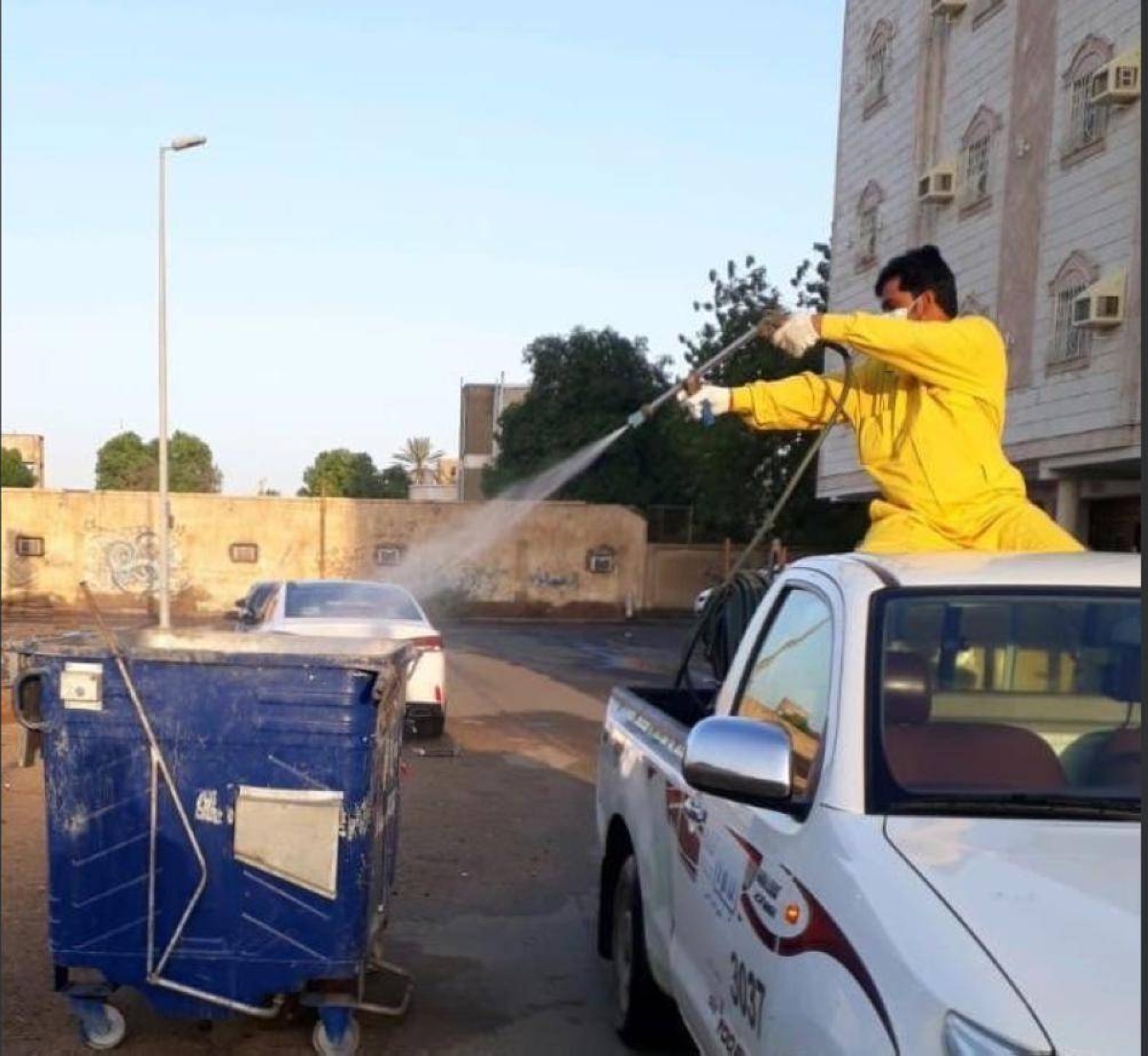
يعدّ 20 أغسطس من كل عام، يوماً عالمياً للبعوض، والذي يشكل مناسبة مهمة للتوعية بالمخاطر الصحية لنواقل الأمراض، وفي مقدمتها البعوض، كما يعد هذا اليوم فرصة لتعزيز الوعي حول أهمية مكافحة نواقل الأمراض وتوحيد الجهود العالمية للحد من انتشارها؛ حفاظاً على الصحة العامة.
ويعمل المركز الوطني للوقاية من الآفات النباتية والأمراض الحيوانية ومكافحتها «وقاء» على تنفيذ برامج توعوية وأنشطة تثقيفية تركز على مكافحة نواقل الأمراض، وهي كائنات حية تتبع مفصليات الأرجل مثل: «البعوض، والذباب، والقراد، والبراغيث» التي تلعب دوراً رئيسياً في نقل مسببات الأمراض، ومنها: «الطفيليات، والفايروسات، والبكتيريا» من الحيوانات أو الأشخاص المصابين، وتعد الحشرات من أبرز أسباب انتشار الأمراض الحيوانية الوبائية.
كما يعمل المركز على رفع مستوى الوعي لدى المجتمع حول طرق الحد من تكاثر نواقل الأمراض وتعزيز الاعتراف بالجهود المبذولة لمكافحة هذه الأمراض، والعمل وفق خطط تنفيذية وتشغيلية للسيطرة على نواقل الأمراض، وتطوير نماذج العمل التشغيلية لتنفيذ أساليب حديثة بتقنيات ناجحة ومطبقة للإسهام في السيطرة عليها، باستخدام التقصي عن طريق المصائد الذكية، إذ تستخدم هذه المصائد تقنيات متطورة لرصد الكثافة الحشرية وتحليل بياناتها، واستخدام طائرات الدرون في مكافحة نواقل الأمراض، وهو أسلوب حديث يساعد في رش المبيدات المخصصة والآمنة بدقة وسرعة عالية، تتيح هذه الطائرات الوصول إلى مناطق يصعب الوصول إليها، مما يسهم في الحد من انتشار الحشرات التي تنقل الأمراض وحماية صحة المجتمع.
وتتنوع أنواع نواقل الأمراض التي تم رصدها خلال الاستكشاف، إذ شملت: «البعوض، ذباب الخيل، الهاموش وذباب الرمل»، مما يعكس أهمية تعزيز أنشطة المكافحة الشاملة المبنية على بيانات دقيقة.
وفي هذا السياق، نفّذ مركز وقاء أكثر من 47000 زيارة استكشافية ميدانية لرصد نواقل الأمراض في مختلف مناطق المملكة خلال النصف الأول من عام 2025. وتأتي هذه الجهود ضمن سعي المركز لحماية الصحة العامة والصحة الحيوانية، وتعزيز أنظمة الإنذار المبكر والاستجابة السريعة، إذ بلغ عدد مواقع الاستكشاف المنفذة 47515 موقعاً، بمعدل إنجاز بلغ 132% من المستهدف البالغ 36000 موقع، وقد حققت منطقة الرياض نسبة تغطية للمستهدف بلغت 584%، تلتها منطقة المدينة المنورة بنسبة 429%، بينما تجاوزت منطقة الحدود الشمالية النسبة المستهدفة بـ332%.
August 20 of each year is recognized as World Mosquito Day, which serves as an important occasion to raise awareness about the health risks posed by disease vectors, primarily mosquitoes. This day also presents an opportunity to enhance awareness about the importance of combating disease vectors and to unify global efforts to reduce their spread, in order to protect public health.
The National Center for the Prevention and Control of Plant Pests and Animal Diseases, "Wiqaya," is working on implementing awareness programs and educational activities focused on combating disease vectors, which are living organisms belonging to the arthropod family such as: "mosquitoes, flies, ticks, and fleas" that play a crucial role in transmitting pathogens, including: "parasites, viruses, and bacteria" from infected animals or individuals. Insects are among the main causes of the spread of zoonotic diseases.
The center also works to raise community awareness about ways to limit the reproduction of disease vectors and to enhance recognition of the efforts made to combat these diseases. It operates according to executive and operational plans to control disease vectors and develop operational work models to implement modern methods with successful and applied techniques to contribute to their control, using surveillance through smart traps. These traps utilize advanced technologies to monitor insect density and analyze their data, and the use of drones in combating disease vectors is a modern approach that helps in accurately and quickly spraying designated and safe pesticides. These drones can access hard-to-reach areas, contributing to reducing the spread of disease-carrying insects and protecting community health.
The types of disease vectors identified during the exploration varied, including: "mosquitoes, horse flies, midges, and sand flies," reflecting the importance of enhancing comprehensive control activities based on accurate data.
In this context, the Wiqaya Center conducted more than 47,000 field exploratory visits to monitor disease vectors in various regions of the Kingdom during the first half of 2025. These efforts are part of the center's pursuit to protect public and animal health and to enhance early warning systems and rapid response. The number of exploration sites executed reached 47,515, achieving a completion rate of 132% of the target of 36,000 sites. The Riyadh region achieved a coverage rate of 584% of the target, followed by the Medina region at 429%, while the Northern Borders region exceeded the target rate by 332%.