


حذر المركز الوطني لتنمية الحياة الفطرية من صيد سمكة «نابليون»، المعروفة محلياً باسم «الطرباني»، مؤكداً أن المخالفين يعرضون أنفسهم لغرامة مالية تصل إلى 25 ألف ريال. ونبه المركز إلى أن السمكة مصنفة ضمن الكائنات البحرية المهددة بالانقراض، والمدرجة في القائمة الحمراء للاتحاد الدولي لصون الطبيعة، وأن صيد هذه السمكة يُعد محظوراً تماماً بموجب الأنظمة البيئية السعودية.
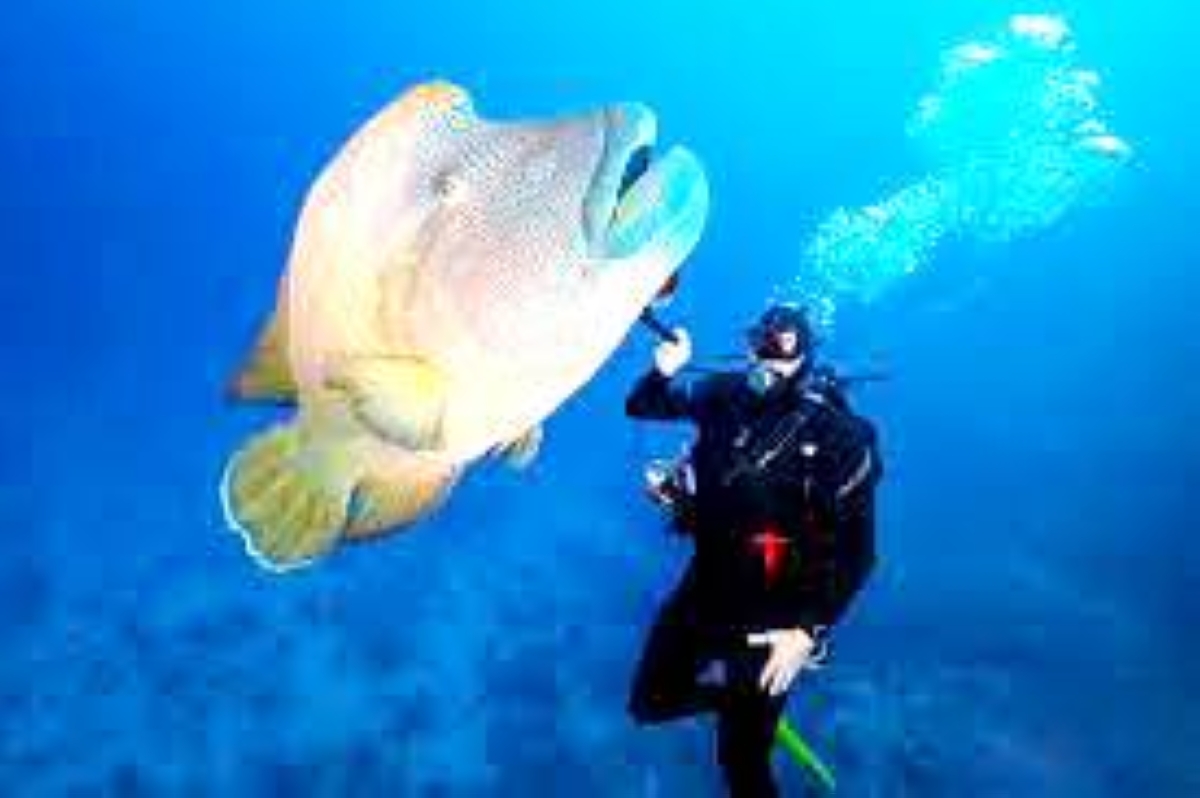
وبيَّن المركز أن هذه السمكة، التي تنتمي لعائلة «اللبراداي» وتُعد من أضخم أسماك الشعاب المرجانية بطول قد يتجاوز المترين، تواجه خطراً متزايداً بسبب خصائصها البيولوجية الفريدة. ويعود اسم «نابليون» إلى السنام الذي يظهر أعلى رأس السمكة، الذي يشبه قبعة الجنرال الفرنسي نابليون بونابرت، ويزداد حجم السنام كلما تقدم عمر السمكة. ويظهر جمال هذه السمكة في شكلها وطبيعتها المسالمة، فهي لا تُشكل أي تهديد للإنسان، وتجذب محبي التصوير والتفاعل معها. ورغم حركتها البطيئة إلا أنها تقدم فرصة ذهبية لعشاق الغوص للاستمتاع بمشاهدتها عن كثب.
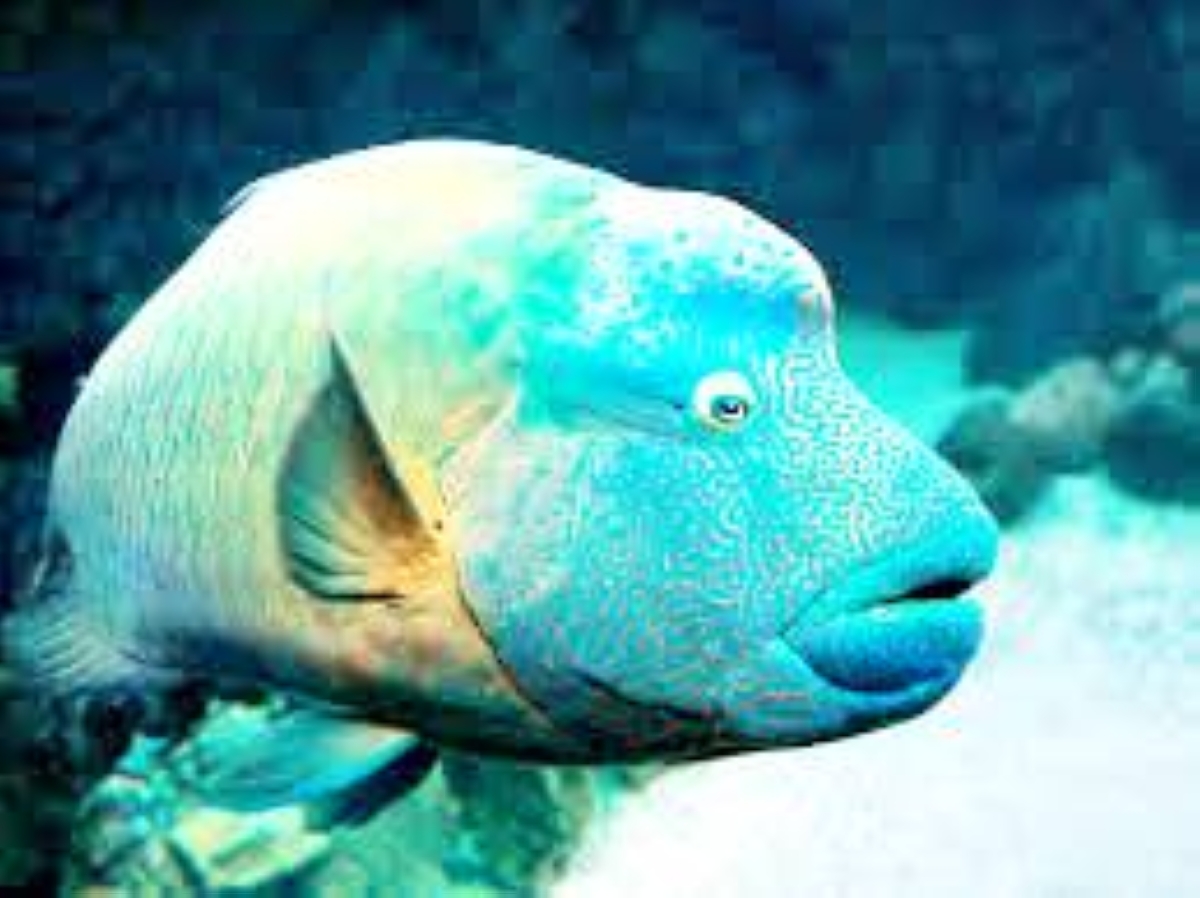
كما تتميّز سمكة نابليون بشكل رأسها وفمها الكبير وشفاهها المنتفخة، وهي من الأسماك الإقليميّة المُنعزلة، وتعيش في النهار في الشعاب المرجانية، وفي الليل تختبئ في الكهوف. وأُطلق على هذا النوع من الأسماك لقب زعيم الشعاب المرجانيّة، إذ قد يصل عمرها إلى 30 سنة.
وكانت أول نوع من أنواع الأسماك المرجانيّة التي تُؤكل وتُدرج في اتفاقية التجارة الدولية ضمن الأنواع المهددة بالانقراض.
وأعلنت السعودية منع صيدها رسمياً، وشرعت منظومة من التشريعات البيئية، والآليات الرقابية والتنفيذية، تتضمن عقوبات رادعة ورقابة دائمة.
وتنتمي سمكة نابليون (الطربَاني) إلى الفصيلة نفسها التي ينتمي إليها سمك «الحريد» المعروف في البحر الأحمر. ويقتسمان البيئة نفسها، ويتشابهان في التصنيف ضمن «أسماك الرأس». ويمكن لهذه السمكة أن تغير جنسها. والذكور أكبر من الإناث، ويُراوح وزنها بين 200 و300 كيلوغرام. وقد يصل طولها إلى مترين. وحين تبلغ هذا المدى تكون قد ناهزت الـ50 سنة،
ويتركز وجودها في المياه الإقليمية السعودية المطلة على البحر الأحمر، خصوصاً في حقل، وضباء، وينبع، والمناطق المجاورة. ورصدت آخر الدراسات أعداداً غير قليلة في القنفذة، وجزر فرسان.
وبينت الدراسات البيئية أن الخطر على سمك «الطرَباني» يتفاقم بسبب دورة حياته، فهو بطيء التكاثر، إذ لا يصل إلى سن البلوغ إلا بعد 5 سنوات من العمر، ويكون وزنه كيلوغرامين فقط. وحين يبلغ تضع الأنثى في مرحلة التكاثر 100 ألف بيضة، ولكن هنالك ما لا يتم تلقيحه من قبل الذكور، وهنالك ما يُفترس، أو أن يكون بيضاً فاسداً؛ ما يعني أن الفاقد كثير، وقد ينجو من الفقد ما نسبته 1% من هذا البيض.
«الحياة الفطرية»: 25 ألف ريال غرامة صيد سمكة "نابليون"
10 أغسطس 2025 - 17:35
|
آخر تحديث 10 أغسطس 2025 - 17:35


تابع قناة عكاظ على الواتساب
إبراهيم العلوي (جدة) i_waleeed22@
The National Center for Wildlife Development has warned against the fishing of the "Napoleon" fish, locally known as "Tarabani," emphasizing that violators expose themselves to a financial fine of up to 25,000 riyals. The center noted that the fish is classified among marine species threatened with extinction and is listed on the Red List of the International Union for Conservation of Nature, and that fishing for this fish is completely prohibited under Saudi environmental regulations.
The center explained that this fish, which belongs to the "Labridae" family and is considered one of the largest reef fish with a length that can exceed two meters, faces increasing danger due to its unique biological characteristics. The name "Napoleon" comes from the hump that appears on top of the fish's head, resembling the hat of French General Napoleon Bonaparte, and the size of the hump increases as the fish ages. The beauty of this fish is evident in its shape and peaceful nature, as it poses no threat to humans and attracts photography enthusiasts and those wanting to interact with it. Despite its slow movement, it provides a golden opportunity for diving lovers to enjoy watching it up close.
The Napoleon fish is also distinguished by its head shape, large mouth, and puffed lips. It is a solitary regional fish that lives during the day in coral reefs and hides in caves at night. This type of fish has been dubbed the "leader of the coral reefs," as it can live up to 30 years.
It was the first type of coral fish to be eaten and included in the international trade agreement among species threatened with extinction.
Saudi Arabia has officially announced a ban on its fishing and has initiated a system of environmental legislation, regulatory, and executive mechanisms that include deterrent penalties and ongoing monitoring.
The Napoleon fish (Tarabani) belongs to the same family as the "Hareed" fish known in the Red Sea. They share the same environment and are similar in classification as "head fish." This fish can change its gender, with males being larger than females, weighing between 200 and 300 kilograms, and can reach a length of two meters. When it reaches this size, it is nearly 50 years old.
Its presence is concentrated in Saudi territorial waters overlooking the Red Sea, especially in fields like Al-Wajh, Dhuba, Yanbu, and the surrounding areas. Recent studies have recorded a significant number in Al-Qunfudhah and Farasan Islands.
Environmental studies have shown that the danger to the "Tarabani" fish is exacerbated by its life cycle, as it has a slow reproduction rate, not reaching maturity until it is 5 years old, weighing only two kilograms. When it reaches maturity, the female lays 100,000 eggs during the breeding season, but many of these are not fertilized by males, some are preyed upon, or some may be rotten; this means that the loss is significant, with only about 1% of these eggs surviving.
The center explained that this fish, which belongs to the "Labridae" family and is considered one of the largest reef fish with a length that can exceed two meters, faces increasing danger due to its unique biological characteristics. The name "Napoleon" comes from the hump that appears on top of the fish's head, resembling the hat of French General Napoleon Bonaparte, and the size of the hump increases as the fish ages. The beauty of this fish is evident in its shape and peaceful nature, as it poses no threat to humans and attracts photography enthusiasts and those wanting to interact with it. Despite its slow movement, it provides a golden opportunity for diving lovers to enjoy watching it up close.
The Napoleon fish is also distinguished by its head shape, large mouth, and puffed lips. It is a solitary regional fish that lives during the day in coral reefs and hides in caves at night. This type of fish has been dubbed the "leader of the coral reefs," as it can live up to 30 years.
It was the first type of coral fish to be eaten and included in the international trade agreement among species threatened with extinction.
Saudi Arabia has officially announced a ban on its fishing and has initiated a system of environmental legislation, regulatory, and executive mechanisms that include deterrent penalties and ongoing monitoring.
The Napoleon fish (Tarabani) belongs to the same family as the "Hareed" fish known in the Red Sea. They share the same environment and are similar in classification as "head fish." This fish can change its gender, with males being larger than females, weighing between 200 and 300 kilograms, and can reach a length of two meters. When it reaches this size, it is nearly 50 years old.
Its presence is concentrated in Saudi territorial waters overlooking the Red Sea, especially in fields like Al-Wajh, Dhuba, Yanbu, and the surrounding areas. Recent studies have recorded a significant number in Al-Qunfudhah and Farasan Islands.
Environmental studies have shown that the danger to the "Tarabani" fish is exacerbated by its life cycle, as it has a slow reproduction rate, not reaching maturity until it is 5 years old, weighing only two kilograms. When it reaches maturity, the female lays 100,000 eggs during the breeding season, but many of these are not fertilized by males, some are preyed upon, or some may be rotten; this means that the loss is significant, with only about 1% of these eggs surviving.


