



في إطار رؤية المملكة 2030، يبرز تمكين المرأة كأحد أهم التحولات الاجتماعية والاقتصادية، ومع انخفاض معدل بطالة السعوديات إلى 10.5%، تُسلّط الأضواء على البرامج والمبادرات التي صنعت هذا التقدم النوعي، وعلى المؤسسات التي ترصده وتوجهه.
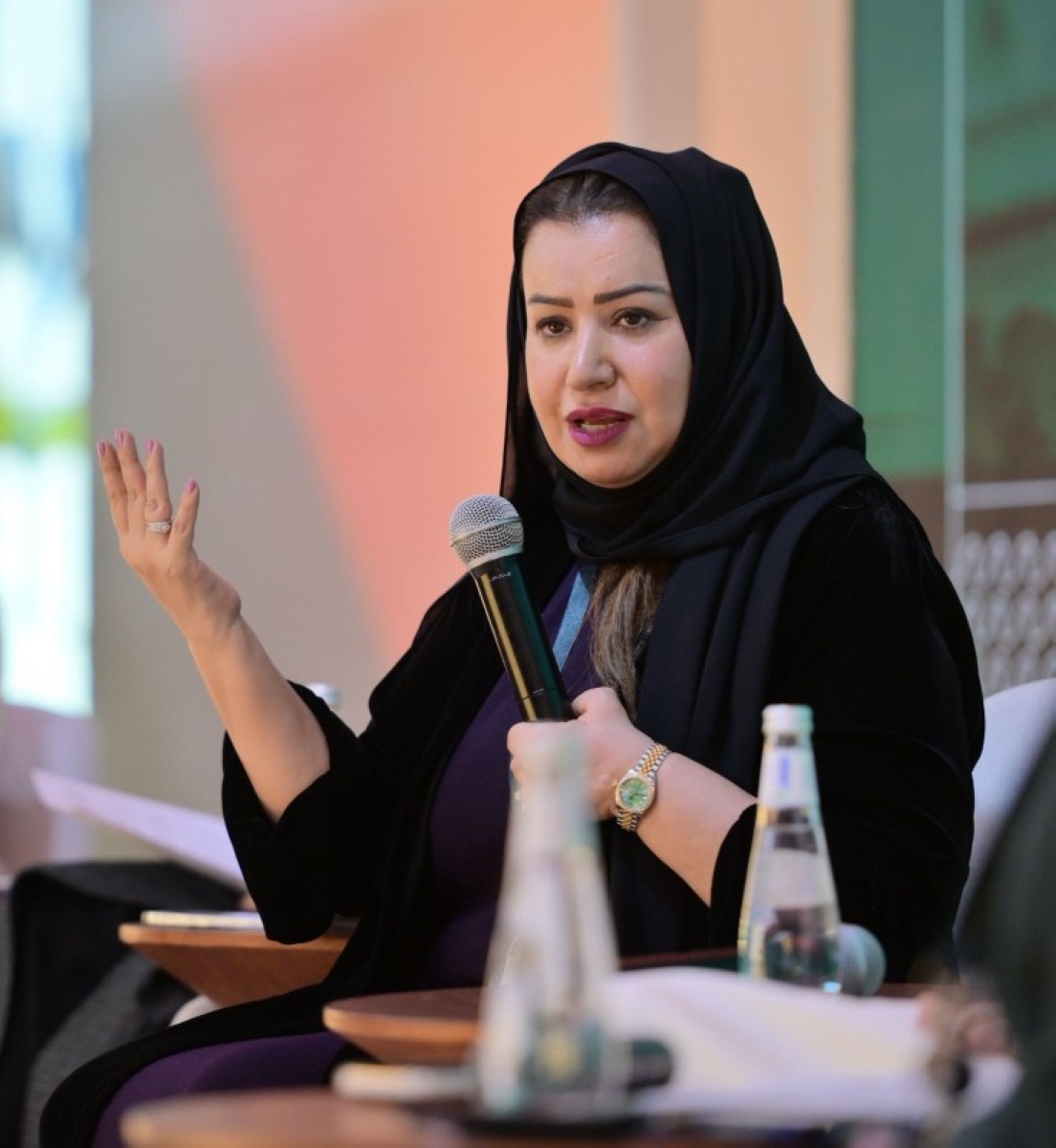
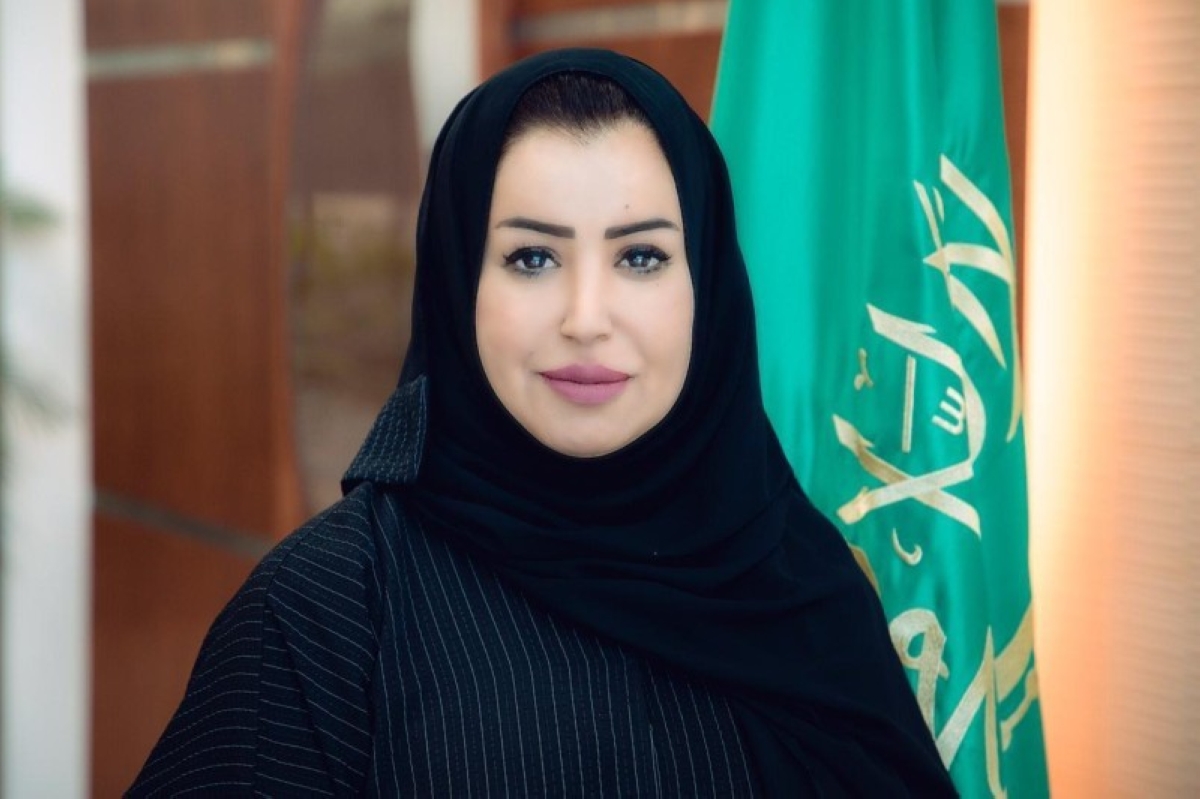
واستعرضت مديرة المرصد الوطني للمرأة الدكتورة سناء محسن العتيبي، في حوار مع «عكاظ»، الخلفيات والأرقام والرؤية المستقبلية لتمكين المرأة في السعودية، مؤكدة أن الانخفاض في بطالة المرأة يعود إلى الدعم الكبير الذي توليه القيادة لتمكين المرأة، واستثمار طاقاتها في مسيرة التنمية الوطنية، وتحقيق جودة الحياة وتكافؤ الفرص والعدالة النوعية، وذلك في إطار مستهدفات رؤية 2030. وأوضحت أن المستقبل يحمل مزيداً من الفرص الواعدة، والتوسع في التنوع القطاعي، وتعزيز الاستدامة الوظيفية في بيئات عمل جاذبة وآمنة، إذ شهدت قطاعات التعليم الأهلي، والتقنية، والخدمات اللوجستية، والتجزئة، والطاقة، والأنشطة التجارية، والترفيه، والسياحة، والمسارات الجديدة، نمواً ملحوظاً في توظيف السعوديات. وقالت إن القطاع الخاص أظهر تجاوباً ملحوظاً مع التوجهات الوطنية نحو تمكين المرأة، مدعوماً بالحوافز الحكومية والتحديثات التنظيمية التي وفّرتها برامج التوطين، وقد انعكس ذلك في تنامي معدلات التوظيف النسائي، وتوسّع مشاركة المرأة في قطاعات حيوية ومتنوعة. ورغم هذا التقدم، يظل هناك مجال رحب لتعزيز ممارسات داعمة داخل بيئات العمل، مثل العمل المرن، وخيارات الرعاية، والترقيات المهنية، بما يُسهم في رفع معدلات الاستبقاء الوظيفي، وتمكين المرأة من تحقيق توازن فعّال بين مسؤولياتها المهنية والأسرية. كما حددت في الحوار الأهداف التي يضعها المرصد الوطني للمرأة للسنوات الخمس القادمة فيما يتعلق بتقليص الفجوة بين الجنسين في سوق العمل.
• ما العوامل الرئيسية التي أسهمت في انخفاض معدل بطالة السعوديات إلى 10.5%، وهل يعكس الرقم تحسناً نوعياً في جودة فرص العمل؟
•• يعكس الانخفاض الدعم الكبير الذي توليه القيادة لتمكين المرأة، واستثمار طاقاتها في مسيرة التنمية الوطنية، وتحقيق جودة الحياة وتكافؤ الفرص والعدالة النوعية، وذلك في إطار مستهدفات رؤية 2030. وجاء التحسن نتيجة إصلاحات هيكلية وتشريعية متكاملة، وتوسع في برامج التوطين، والعمل المرن، والدعم التدريبي والتأهيلي. ويُعد الرقم مؤشراً على تطور نوعي في الفرص المتاحة للمرأة السعودية، بما يتوافق مع مؤهلاتها وتطلعاتها، ويعكس تحسناً ملموساً في جودة بيئات العمل.
=========
بيئات عمل جاذبة وآمنة
=========
• هل ترون أن الانخفاض مستدام، وما التحديات التي قد تعيق استمرار هذا التوجه الإيجابي؟
•• ما تحقق من إنجازات في تمكين المرأة السعودية ثمرة رؤية طموحة وإرادة قيادية واعية آمنت بدور المرأة شريكاً فاعلاً في التنمية. ويبرهن انخفاض مؤشرات البطالة، واتساع رقعة الفرص النوعية، على نجاح الإصلاحات الهيكلية والتشريعية التي أُطلقت ضمن رؤية السعودية 2030، ومع استمرار المتابعة الدقيقة لمؤشرات سوق العمل، والمضي قدماً بخطط طموحة وتكامل مؤسسي فاعل، فإن المستقبل يحمل مزيداً من الفرص الواعدة، والتوسع في التنوع القطاعي، وتعزيز الاستدامة الوظيفية في بيئات عمل جاذبة وآمنة. إن التقدم المُحرز اليوم هو بداية مسار تنموي أكثر إشراقاً، يُجسّد طموحات الوطن ويترجم تطلعات المرأة السعودية إلى واقع ملموس.
• ما أبرز القطاعات التي شهدت زيادة في توظيف السعوديات خلال العامين الماضيين، وهل هناك تحول في نوعية الوظائف التي تقبل عليها النساء؟
•• شهدت قطاعات التعليم الأهلي، والتقنية، والخدمات اللوجستية، والتجزئة، وقطاعات الطاقة، والأنشطة التجارية، والترفيه، والسياحة، والمسارات الجديدة، نمواً ملحوظاً في توظيف السعوديات، في ظل السياسات الحكومية الداعمة لتمكين المرأة وتعزيز مشاركتها الاقتصادية. ويُبرز هذا التوسع تنوع الفرص المهنية المتاحة، وشمولها لمجالات نوعية ومتعددة، بما يعكس تحولاً إيجابياً في مخرجات سوق العمل، وتطوراً في طموحات المرأة السعودية. كما يؤكد هذا التحول تزايد الإقبال على الوظائف التخصصية والإشرافية، بفضل اتساع برامج التأهيل والتدريب، وحرص الجهات على بناء بيئات عمل أكثر تنوعاً، وشمولاً، وجاذبية للكوادر النسائية.
=========
تعزيز التقييم المؤسسي
=========
• كيف يقيس المرصد الوطني للمرأة أثر السياسات الحكومية على مشاركة المرأة في سوق العمل؟
•• يضطلع المرصد الوطني للمرأة بدور علمي واستشاري فاعل في دعم جهود تمكين المرأة، من خلال رصد وقياس أثر السياسات الحكومية ذات الصلة، باستخدام منظومة مؤشرات كمية ونوعية تُغطي معدلات المشاركة الاقتصادية، وجودة الفرص، وتوزيعها القطاعي والجغرافي، إلى جانب تحليل الأثر التنظيمي والتشريعي للممارسات والسياسات القائمة، كما يُصدر المرصد تقارير تحليلية دورية بالشراكة مع الجهات ذات العلاقة، تُسهم في تعزيز المتابعة والتقييم المؤسسي، ومواءمة السياسات مع مستهدفات رؤية السعودية 2030، بما يضمن اتخاذ قرارات مبنية على البيانات والمعرفة، ويُعزز استدامة الأثر التنموي لمشاركة المرأة في سوق العمل.
=========
خيار العمل المرن
=========
• ما المبادرات الجديدة التي يعمل عليها المرصد بالتعاون مع الجهات الحكومية لتمكين المرأة في سوق العمل؟
•• في إطار دوره الوطني، يعمل المرصد الوطني للمرأة بالشراكة مع الجهات الحكومية على دعم مبادرات التمكين، من خلال تقديم دراسات استشارية وتحليل البيانات المصنفة حسب النوع الاجتماعي، وإعداد تقارير مشتركة تُسهم في تحفيز وتفعيل البرامج والمبادرات ذات الصلة، بما يعزز من تطوير السياسات والتشريعات الداعمة لمشاركة المرأة في مختلف القطاعات، وتحقيق مستهدفات رؤية السعودية 2030.
• ما مدى تجاوب القطاع الخاص مع برامج تمكين المرأة مقارنة بالقطاع الحكومي؟
•• أظهر القطاع الخاص تجاوباً ملحوظاً مع التوجهات الوطنية نحو تمكين المرأة، مدعوماً بالحوافز الحكومية والتحديثات التنظيمية التي وفّرتها برامج التوطين. وقد انعكس ذلك في تنامي معدلات التوظيف النسائي، وتوسّع مشاركة المرأة في قطاعات حيوية ومتنوعة. ورغم هذا التقدم، يظل هناك مجال رحب لتعزيز ممارسات داعمة داخل بيئات العمل، مثل العمل المرن، وخيارات الرعاية، والترقيات المهنية، بما يُسهم في رفع معدلات الاستبقاء الوظيفي، وتمكين المرأة من تحقيق توازن فعّال بين مسؤولياتها المهنية والأسرية.
=========
التوازن بين الحياة الأسرية والعملية
=========
• ما التحديات التي تواجه المرأة في الاستمرار والترقي الوظيفي، وهل هناك برامج لمعالجة ما يُعرف بـ«تسرّب الكفاءات النسائية»؟
•• تشير البيانات إلى تحسّن ملحوظ في فرص الترقية الوظيفية للمرأة في كل من القطاعين الحكومي والخاص، بما يعكس تقدماً في مؤشرات العدالة الوظيفية وتعزيز مبدأ تكافؤ الفرص. وفي الوقت ذاته، تبرز بعض الجوانب التطويرية المرتبطة بتوازن الأدوار الأسرية، وتفاوت مستوى الدعم المؤسسي بين القطاعات، مما يستدعي مواصلة العمل نحو تعزيز بيئات أكثر دعماً واستدامة.
ويُعد رصد هذه الجوانب وتحليلها خطوة محورية في تصميم برامج استبقاء الكفاءات النسائية، وتوفير مسارات مهنية مرنة تُمكّن المرأة من تحقيق التوازن بين الحياة الأسرية والعملية على المدى الطويل.
• كيف يُقاس تأثير برامج التمكين مثل التدريب، والتأهيل المهني، والعمل المرن على واقع البطالة النسائية؟
•• يُقاس تأثير برامج التمكين من خلال ربط الأثر الفعلي بعمليات التقييم والمتابعة المستمرة، إذ يُعنى المرصد الوطني للمرأة برصد نتائج هذه البرامج عبر مؤشرات كمية ونوعية تشمل معدلات التوظيف، ونسبة مشاركة النساء في القطاعات المستهدفة، ونوعية الفرص المتاحة لهن وتُسهم هذه المتابعة المنهجية في تقييم فاعلية البرامج بشكل دقيق، ورصد مدى مواءمتها لحاجات سوق العمل، مع تقديم توصيات تطويرية مبنية على تحليل الأدلة والبيانات. ومن خلال هذا النهج، يضمن المرصد أن تكون السياسات والمبادرات مبنية على تقييم مستمر، وقادرة على إحداث أثر ملموس ومستدام في خفض البطالة النسائية وتعزيز مشاركة المرأة الاقتصادية.
=========
تقليص الفجوة بين الجنسين
=========
• ما الأهداف التي يضعها المرصد الوطني للمرأة للسنوات الخمس القادمة فيما يتعلق بتقليص الفجوة بين الجنسين في سوق العمل؟
•• ينسجم عمل المرصد الوطني للمرأة مع مستهدفات رؤية السعودية 2030 وأهداف التنمية المستدامة، لا سيما الهدف المتعلق بتقليص الفجوة بين الجنسين في سوق العمل. وانطلاقاً من توجيهات القيادة ودعمها المتواصل لتمكين المرأة، يعمل المرصد ضمن خطط طموحة تهدف إلى تعزيز عدالة الفرص بين الجنسين من خلال رصد ومتابعة المؤشرات ذات الصلة وتقديم توصيات مبنية على الأدلة وتوسيع وتحسين قاعدة البيانات المصنفة بحسب النوع الاجتماعي، لتكون أداة دقيقة تدعم صانع القرار في تصميم السياسات والمبادرات وإعداد تقارير ومؤشرات دورية تقيس التقدّم المحرز وتساعد في رصد الأثر الفعلي للبرامج الحكومية والخاصة وتشجيع بيئات العمل المحفزة والمستدامة التي تدعم التنوع، وتتبنى ممارسات مرنة تُراعي التوازن بين الحياة العملية والأسرية ودعم التكامل المؤسسي بين الجهات الحكومية والخاصة لتعزيز مواءمة الجهود وتحقيق استمرارية الأثر.
وتشير المؤشرات الوطنية إلى تحسّن ملموس في هذا المسار، مع تحقيق تكافؤ نوعي في عدد من القطاعات، مما يعكس فاعلية السياسات الحالية ويعزز التطلع نحو سد الفجوة بشكل أوسع في الأعوام القادمة.
• هل تتجه المملكة نحو تعزيز مشاركة المرأة في قطاعات نوعية مثل التقنية، والصناعة، والطاقة، وكيف تتم تهيئة الكوادر النسائية لذلك؟
•• لا شك، يُعد تعزيز مشاركة المرأة في القطاعات النوعية - مثل التقنية، والطاقة، والصناعة والخدمات اللوجستية، والسياحة، والاقتصاد الرقمي، والأمن السيبراني، والتقنيات الحيوية - أحد المسارات الإستراتيجية التي تتبناها المملكة ضمن مستهدفات رؤية السعودية 2030، بدعم مباشر من القيادة، وإيمان راسخ بقدرة المرأة على الإسهام الفاعل في التحول الوطني. وقد أُطلقت العديد من المبادرات النوعية لتهيئة الكوادر النسائية للعمل في هذه المجالات، من خلال برامج الابتعاث والتدريب في التخصصات ذات الأولوية وتمكين المرأة في مجالات STEM، والتأهيل الفني والمهني، والتوسع في فرص التدريب التطبيقي في بيئات عمل متقدمة ومواكبة للتقنيات الحديثة. ويُسهم المرصد الوطني للمرأة بدور معرفي واستشاري داعم في هذا التوجه، من خلال رصد وتحليل مؤشرات مشاركة المرأة في القطاعات الجديدة، وتقديم التوصيات والسياسات المستندة إلى الأدلة، وبناء شراكات مؤسسية فاعلة مع الجهات المعنية، بما يعزز مواءمة المخرجات مع حاجات سوق العمل، ويدعم بناء مستقبل اقتصادي أكثر شمولاً، وتنوعاً واستدامة.
=========
كادر
=========
رائدات في مسارات الاقتصاد الجديد
تقول مديرة المرصد الوطني للمرأة الدكتورة سناء محسن العتيبي إن ريادة الأعمال النسائية ركيزة محورية في تنويع الاقتصاد الوطني وتعزيز النمو المستدام، ويُعد ما تحقق في هذا المجال أحد أبرز إنجازات مسيرة التمكين التي ترعاها القيادة الرشيدة. فقد شهدت السنوات الأخيرة توسعاً ملحوظاً في مشاريع رائدات الأعمال، مدعوماً بحزمة من البرامج والمبادرات التمويلية والتأهيلية التي تهدف إلى تحفيز الابتكار وتمكين المرأة من قيادة مشاريع ذات قيمة مضافة.
ويعمل المرصد الوطني للمرأة على رصد تطور مشاركة المرأة في هذا القطاع، وتحليل العوامل المؤثرة على نجاح المشاريع، وقياس الأثر الفعلي للمبادرات الحكومية، بما يتيح دعماً معرفياً واستشارياً لصنّاع القرار، ويُسهم في صياغة سياسات تضمن نمو المشاريع النسائية واستدامتها وتكاملها ضمن سلاسل القيمة في الاقتصاد الوطني.
وتضيف أن ما نشهده اليوم من توسّع وتميّز في مشاريع رائدات الأعمال يعكس طموح المرأة السعودية، ويُعد مصدر فخر واحتفاء وطني، يؤكد أن المستقبل يحمل فرصاً أوسع لتمكين المرأة كرائدة في مسارات الاقتصاد الجديد.
ويعكس هذا الحوار حجم التقدم الذي تحققه المملكة في ملف تمكين المرأة، ودور المؤسسات البحثية مثل المرصد الوطني للمرأة في تحويل البيانات إلى سياسات واقعية، وتوصيات مؤثرة، وبرامج مستدامة.
وبين الانخفاض في البطالة والارتفاع في جودة الفرص والتوسع في القطاعات النوعية، تتجه المملكة بخطى واثقة نحو مستقبل أكثر شمولاً وتنوعاً وعدالةً اقتصادية.
10.5 % نسبة انخفاض البطالة.. وخيارات داعمة لمزيد من التمكين
مديرة مرصد المرأة لـ عكاظ: مبادرات تمكين السعوديات مرجعيتها «رؤية 2030»
10 أغسطس 2025 - 17:21
|
آخر تحديث 10 أغسطس 2025 - 17:21


تابع قناة عكاظ على الواتساب
مريم الصغير (الرياض) Maryam9902
In the context of Saudi Arabia's Vision 2030, empowering women stands out as one of the most significant social and economic transformations. With the unemployment rate among Saudi women dropping to 10.5%, attention is drawn to the programs and initiatives that have made this qualitative progress possible, as well as the institutions that monitor and guide it.
Dr. Sana Mohsen Al-Otaibi, the director of the National Observatory for Women, discussed the background, statistics, and future vision for women's empowerment in Saudi Arabia in an interview with "Okaz." She emphasized that the decrease in women's unemployment is due to the substantial support provided by the leadership for empowering women, investing their energies in the national development journey, achieving quality of life, equal opportunities, and gender justice, all within the framework of the targets of Vision 2030. She explained that the future holds more promising opportunities, expansion in sectoral diversity, and enhanced job sustainability in attractive and safe work environments. The education, technology, logistics, retail, energy, commercial activities, entertainment, tourism, and new pathways sectors have witnessed significant growth in the employment of Saudi women. She noted that the private sector has shown a remarkable response to national trends toward women's empowerment, supported by government incentives and regulatory updates provided by localization programs. This has reflected in the increasing rates of female employment and the expanded participation of women in vital and diverse sectors. Despite this progress, there remains ample room to enhance supportive practices within workplaces, such as flexible work, care options, and professional promotions, which contribute to increasing job retention rates and enabling women to achieve an effective balance between their professional and family responsibilities. She also outlined the goals set by the National Observatory for Women for the next five years regarding reducing the gender gap in the labor market.
• What are the main factors that contributed to the decrease in the unemployment rate among Saudi women to 10.5%, and does this figure reflect a qualitative improvement in the quality of job opportunities?
•• The decrease reflects the substantial support provided by the leadership for empowering women, investing their energies in the national development journey, and achieving quality of life, equal opportunities, and gender justice, all within the framework of the targets of Vision 2030. The improvement resulted from comprehensive structural and legislative reforms, expansion of localization programs, flexible work, and training and qualification support. The figure is an indicator of a qualitative development in the opportunities available to Saudi women, aligning with their qualifications and aspirations, and reflects a tangible improvement in the quality of work environments.
=========
Attractive and Safe Work Environments
=========
• Do you see the decrease as sustainable, and what challenges might hinder the continuation of this positive trend?
•• The achievements made in empowering Saudi women are the result of an ambitious vision and a conscious leadership will that believes in the role of women as active partners in development. The decline in unemployment indicators and the expansion of qualitative opportunities demonstrate the success of the structural and legislative reforms launched under Saudi Vision 2030. With continued careful monitoring of labor market indicators and advancing ambitious plans and effective institutional integration, the future holds more promising opportunities, expansion in sectoral diversity, and enhanced job sustainability in attractive and safe work environments. The progress made today is the beginning of a brighter developmental path that embodies the aspirations of the nation and translates the aspirations of Saudi women into tangible reality.
• What are the main sectors that have seen an increase in the employment of Saudi women over the past two years, and is there a shift in the types of jobs that women are pursuing?
•• The education, technology, logistics, retail, energy, commercial activities, entertainment, tourism, and new pathways sectors have witnessed significant growth in the employment of Saudi women, supported by government policies aimed at empowering women and enhancing their economic participation. This expansion highlights the diversity of available professional opportunities, encompassing various qualitative fields, reflecting a positive shift in labor market outcomes and the development of Saudi women's aspirations. This shift also confirms the increasing interest in specialized and supervisory jobs, thanks to the expansion of qualification and training programs and the commitment of entities to build more diverse, inclusive, and attractive work environments for female talent.
=========
Enhancing Institutional Evaluation
=========
• How does the National Observatory for Women measure the impact of government policies on women's participation in the labor market?
•• The National Observatory for Women plays an active scientific and advisory role in supporting efforts to empower women by monitoring and measuring the impact of relevant government policies using a system of quantitative and qualitative indicators that cover economic participation rates, the quality of opportunities, and their sectoral and geographical distribution, in addition to analyzing the regulatory and legislative impact of existing practices and policies. The observatory also issues periodic analytical reports in partnership with relevant entities, contributing to enhancing institutional monitoring and evaluation, aligning policies with the targets of Saudi Vision 2030, ensuring that decisions are based on data and knowledge, and enhancing the sustainability of the developmental impact of women's participation in the labor market.
=========
Flexible Work Option
=========
• What new initiatives is the observatory working on in collaboration with government entities to empower women in the labor market?
•• In its national role, the National Observatory for Women collaborates with government entities to support empowerment initiatives by providing consultancy studies and analyzing data classified by gender, preparing joint reports that contribute to stimulating and activating relevant programs and initiatives, thereby enhancing the development of policies and legislation supporting women's participation across various sectors and achieving the targets of Saudi Vision 2030.
• How responsive is the private sector to women's empowerment programs compared to the public sector?
•• The private sector has shown a remarkable response to national trends toward empowering women, supported by government incentives and regulatory updates provided by localization programs. This has reflected in the increasing rates of female employment and the expanded participation of women in vital and diverse sectors. Despite this progress, there remains ample room to enhance supportive practices within workplaces, such as flexible work, care options, and professional promotions, which contribute to increasing job retention rates and enabling women to achieve an effective balance between their professional and family responsibilities.
=========
Balancing Family and Work Life
=========
• What challenges do women face in continuing and advancing in their careers, and are there programs to address what is known as "female talent leakage"?
•• Data indicates a notable improvement in women's promotional opportunities in both the public and private sectors, reflecting progress in indicators of job fairness and enhancing the principle of equal opportunities. At the same time, some developmental aspects related to balancing family roles and the varying levels of institutional support between sectors emerge, necessitating continued efforts to enhance more supportive and sustainable environments.
Monitoring and analyzing these aspects is a pivotal step in designing programs to retain female talent and provide flexible career pathways that enable women to achieve a long-term balance between family and work life.
• How is the impact of empowerment programs such as training, professional qualification, and flexible work measured on the reality of women's unemployment?
•• The impact of empowerment programs is measured by linking the actual effect to continuous evaluation and monitoring processes. The National Observatory for Women focuses on monitoring the results of these programs through quantitative and qualitative indicators that include employment rates, the percentage of women participating in targeted sectors, and the quality of opportunities available to them. This systematic follow-up contributes to accurately assessing the effectiveness of the programs and monitoring their alignment with labor market needs, providing developmental recommendations based on evidence and data analysis. Through this approach, the observatory ensures that policies and initiatives are based on continuous evaluation and capable of making a tangible and sustainable impact on reducing women's unemployment and enhancing women's economic participation.
=========
Reducing the Gender Gap
=========
• What goals does the National Observatory for Women set for the next five years regarding reducing the gender gap in the labor market?
•• The work of the National Observatory for Women aligns with the targets of Saudi Vision 2030 and the Sustainable Development Goals, particularly the goal related to reducing the gender gap in the labor market. Based on the leadership's directives and its ongoing support for women's empowerment, the observatory works within ambitious plans aimed at enhancing fairness of opportunities between genders by monitoring and tracking relevant indicators, providing evidence-based recommendations, and expanding and improving the database classified by gender to be an accurate tool that supports decision-makers in designing policies and initiatives, preparing periodic reports and indicators that measure progress made and help monitor the actual impact of government and private programs, and encouraging stimulating and sustainable work environments that support diversity, adopting flexible practices that consider the balance between work and family life, and supporting institutional integration between government and private entities to enhance the alignment of efforts and ensure the sustainability of impact. National indicators indicate a significant improvement in this regard, with achieving qualitative parity in several sectors, reflecting the effectiveness of current policies and enhancing the aspiration to close the gap more broadly in the coming years.
• Is the Kingdom moving towards enhancing women's participation in qualitative sectors such as technology, industry, and energy, and how are female talents being prepared for this?
•• Undoubtedly, enhancing women's participation in qualitative sectors—such as technology, energy, industry, logistics services, tourism, the digital economy, cybersecurity, and biotechnology—is one of the strategic pathways adopted by the Kingdom within the targets of Saudi Vision 2030, with direct support from the leadership and a firm belief in women's ability to contribute effectively to national transformation. Numerous qualitative initiatives have been launched to prepare female talents to work in these fields through scholarship and training programs in priority specialties, empowering women in STEM fields, technical and vocational qualification, and expanding opportunities for applied training in advanced work environments that keep pace with modern technologies. The National Observatory for Women plays a supportive knowledge and advisory role in this direction by monitoring and analyzing women's participation indicators in new sectors, providing evidence-based recommendations and policies, and building effective institutional partnerships with relevant entities, thereby enhancing the alignment of outcomes with labor market needs and supporting the building of a more inclusive, diverse, and sustainable economic future.
=========
Cadre
=========
Women Leaders in New Economy Pathways
Dr. Sana Mohsen Al-Otaibi, the director of the National Observatory for Women, states that women's entrepreneurship is a pivotal pillar in diversifying the national economy and enhancing sustainable growth. What has been achieved in this field is one of the most prominent accomplishments of the empowerment journey sponsored by the wise leadership. In recent years, there has been a notable expansion in women entrepreneurs' projects, supported by a package of funding and qualification programs aimed at stimulating innovation and empowering women to lead value-added projects.
The National Observatory for Women monitors the development of women's participation in this sector, analyzes the factors influencing project success, and measures the actual impact of government initiatives, providing knowledge and advisory support to decision-makers and contributing to formulating policies that ensure the growth and sustainability of women's projects and their integration within value chains in the national economy.
She adds that what we witness today in the expansion and excellence of women entrepreneurs' projects reflects the aspirations of Saudi women and is a source of national pride and celebration, confirming that the future holds broader opportunities for empowering women as leaders in new economy pathways.
This dialogue reflects the extent of progress that the Kingdom is achieving in the field of women's empowerment and the role of research institutions such as the National Observatory for Women in transforming data into realistic policies, impactful recommendations, and sustainable programs.
Between the decrease in unemployment, the increase in the quality of opportunities, and the expansion in qualitative sectors, the Kingdom is confidently moving toward a more inclusive, diverse, and economically just future.
Dr. Sana Mohsen Al-Otaibi, the director of the National Observatory for Women, discussed the background, statistics, and future vision for women's empowerment in Saudi Arabia in an interview with "Okaz." She emphasized that the decrease in women's unemployment is due to the substantial support provided by the leadership for empowering women, investing their energies in the national development journey, achieving quality of life, equal opportunities, and gender justice, all within the framework of the targets of Vision 2030. She explained that the future holds more promising opportunities, expansion in sectoral diversity, and enhanced job sustainability in attractive and safe work environments. The education, technology, logistics, retail, energy, commercial activities, entertainment, tourism, and new pathways sectors have witnessed significant growth in the employment of Saudi women. She noted that the private sector has shown a remarkable response to national trends toward women's empowerment, supported by government incentives and regulatory updates provided by localization programs. This has reflected in the increasing rates of female employment and the expanded participation of women in vital and diverse sectors. Despite this progress, there remains ample room to enhance supportive practices within workplaces, such as flexible work, care options, and professional promotions, which contribute to increasing job retention rates and enabling women to achieve an effective balance between their professional and family responsibilities. She also outlined the goals set by the National Observatory for Women for the next five years regarding reducing the gender gap in the labor market.
• What are the main factors that contributed to the decrease in the unemployment rate among Saudi women to 10.5%, and does this figure reflect a qualitative improvement in the quality of job opportunities?
•• The decrease reflects the substantial support provided by the leadership for empowering women, investing their energies in the national development journey, and achieving quality of life, equal opportunities, and gender justice, all within the framework of the targets of Vision 2030. The improvement resulted from comprehensive structural and legislative reforms, expansion of localization programs, flexible work, and training and qualification support. The figure is an indicator of a qualitative development in the opportunities available to Saudi women, aligning with their qualifications and aspirations, and reflects a tangible improvement in the quality of work environments.
=========
Attractive and Safe Work Environments
=========
• Do you see the decrease as sustainable, and what challenges might hinder the continuation of this positive trend?
•• The achievements made in empowering Saudi women are the result of an ambitious vision and a conscious leadership will that believes in the role of women as active partners in development. The decline in unemployment indicators and the expansion of qualitative opportunities demonstrate the success of the structural and legislative reforms launched under Saudi Vision 2030. With continued careful monitoring of labor market indicators and advancing ambitious plans and effective institutional integration, the future holds more promising opportunities, expansion in sectoral diversity, and enhanced job sustainability in attractive and safe work environments. The progress made today is the beginning of a brighter developmental path that embodies the aspirations of the nation and translates the aspirations of Saudi women into tangible reality.
• What are the main sectors that have seen an increase in the employment of Saudi women over the past two years, and is there a shift in the types of jobs that women are pursuing?
•• The education, technology, logistics, retail, energy, commercial activities, entertainment, tourism, and new pathways sectors have witnessed significant growth in the employment of Saudi women, supported by government policies aimed at empowering women and enhancing their economic participation. This expansion highlights the diversity of available professional opportunities, encompassing various qualitative fields, reflecting a positive shift in labor market outcomes and the development of Saudi women's aspirations. This shift also confirms the increasing interest in specialized and supervisory jobs, thanks to the expansion of qualification and training programs and the commitment of entities to build more diverse, inclusive, and attractive work environments for female talent.
=========
Enhancing Institutional Evaluation
=========
• How does the National Observatory for Women measure the impact of government policies on women's participation in the labor market?
•• The National Observatory for Women plays an active scientific and advisory role in supporting efforts to empower women by monitoring and measuring the impact of relevant government policies using a system of quantitative and qualitative indicators that cover economic participation rates, the quality of opportunities, and their sectoral and geographical distribution, in addition to analyzing the regulatory and legislative impact of existing practices and policies. The observatory also issues periodic analytical reports in partnership with relevant entities, contributing to enhancing institutional monitoring and evaluation, aligning policies with the targets of Saudi Vision 2030, ensuring that decisions are based on data and knowledge, and enhancing the sustainability of the developmental impact of women's participation in the labor market.
=========
Flexible Work Option
=========
• What new initiatives is the observatory working on in collaboration with government entities to empower women in the labor market?
•• In its national role, the National Observatory for Women collaborates with government entities to support empowerment initiatives by providing consultancy studies and analyzing data classified by gender, preparing joint reports that contribute to stimulating and activating relevant programs and initiatives, thereby enhancing the development of policies and legislation supporting women's participation across various sectors and achieving the targets of Saudi Vision 2030.
• How responsive is the private sector to women's empowerment programs compared to the public sector?
•• The private sector has shown a remarkable response to national trends toward empowering women, supported by government incentives and regulatory updates provided by localization programs. This has reflected in the increasing rates of female employment and the expanded participation of women in vital and diverse sectors. Despite this progress, there remains ample room to enhance supportive practices within workplaces, such as flexible work, care options, and professional promotions, which contribute to increasing job retention rates and enabling women to achieve an effective balance between their professional and family responsibilities.
=========
Balancing Family and Work Life
=========
• What challenges do women face in continuing and advancing in their careers, and are there programs to address what is known as "female talent leakage"?
•• Data indicates a notable improvement in women's promotional opportunities in both the public and private sectors, reflecting progress in indicators of job fairness and enhancing the principle of equal opportunities. At the same time, some developmental aspects related to balancing family roles and the varying levels of institutional support between sectors emerge, necessitating continued efforts to enhance more supportive and sustainable environments.
Monitoring and analyzing these aspects is a pivotal step in designing programs to retain female talent and provide flexible career pathways that enable women to achieve a long-term balance between family and work life.
• How is the impact of empowerment programs such as training, professional qualification, and flexible work measured on the reality of women's unemployment?
•• The impact of empowerment programs is measured by linking the actual effect to continuous evaluation and monitoring processes. The National Observatory for Women focuses on monitoring the results of these programs through quantitative and qualitative indicators that include employment rates, the percentage of women participating in targeted sectors, and the quality of opportunities available to them. This systematic follow-up contributes to accurately assessing the effectiveness of the programs and monitoring their alignment with labor market needs, providing developmental recommendations based on evidence and data analysis. Through this approach, the observatory ensures that policies and initiatives are based on continuous evaluation and capable of making a tangible and sustainable impact on reducing women's unemployment and enhancing women's economic participation.
=========
Reducing the Gender Gap
=========
• What goals does the National Observatory for Women set for the next five years regarding reducing the gender gap in the labor market?
•• The work of the National Observatory for Women aligns with the targets of Saudi Vision 2030 and the Sustainable Development Goals, particularly the goal related to reducing the gender gap in the labor market. Based on the leadership's directives and its ongoing support for women's empowerment, the observatory works within ambitious plans aimed at enhancing fairness of opportunities between genders by monitoring and tracking relevant indicators, providing evidence-based recommendations, and expanding and improving the database classified by gender to be an accurate tool that supports decision-makers in designing policies and initiatives, preparing periodic reports and indicators that measure progress made and help monitor the actual impact of government and private programs, and encouraging stimulating and sustainable work environments that support diversity, adopting flexible practices that consider the balance between work and family life, and supporting institutional integration between government and private entities to enhance the alignment of efforts and ensure the sustainability of impact. National indicators indicate a significant improvement in this regard, with achieving qualitative parity in several sectors, reflecting the effectiveness of current policies and enhancing the aspiration to close the gap more broadly in the coming years.
• Is the Kingdom moving towards enhancing women's participation in qualitative sectors such as technology, industry, and energy, and how are female talents being prepared for this?
•• Undoubtedly, enhancing women's participation in qualitative sectors—such as technology, energy, industry, logistics services, tourism, the digital economy, cybersecurity, and biotechnology—is one of the strategic pathways adopted by the Kingdom within the targets of Saudi Vision 2030, with direct support from the leadership and a firm belief in women's ability to contribute effectively to national transformation. Numerous qualitative initiatives have been launched to prepare female talents to work in these fields through scholarship and training programs in priority specialties, empowering women in STEM fields, technical and vocational qualification, and expanding opportunities for applied training in advanced work environments that keep pace with modern technologies. The National Observatory for Women plays a supportive knowledge and advisory role in this direction by monitoring and analyzing women's participation indicators in new sectors, providing evidence-based recommendations and policies, and building effective institutional partnerships with relevant entities, thereby enhancing the alignment of outcomes with labor market needs and supporting the building of a more inclusive, diverse, and sustainable economic future.
=========
Cadre
=========
Women Leaders in New Economy Pathways
Dr. Sana Mohsen Al-Otaibi, the director of the National Observatory for Women, states that women's entrepreneurship is a pivotal pillar in diversifying the national economy and enhancing sustainable growth. What has been achieved in this field is one of the most prominent accomplishments of the empowerment journey sponsored by the wise leadership. In recent years, there has been a notable expansion in women entrepreneurs' projects, supported by a package of funding and qualification programs aimed at stimulating innovation and empowering women to lead value-added projects.
The National Observatory for Women monitors the development of women's participation in this sector, analyzes the factors influencing project success, and measures the actual impact of government initiatives, providing knowledge and advisory support to decision-makers and contributing to formulating policies that ensure the growth and sustainability of women's projects and their integration within value chains in the national economy.
She adds that what we witness today in the expansion and excellence of women entrepreneurs' projects reflects the aspirations of Saudi women and is a source of national pride and celebration, confirming that the future holds broader opportunities for empowering women as leaders in new economy pathways.
This dialogue reflects the extent of progress that the Kingdom is achieving in the field of women's empowerment and the role of research institutions such as the National Observatory for Women in transforming data into realistic policies, impactful recommendations, and sustainable programs.
Between the decrease in unemployment, the increase in the quality of opportunities, and the expansion in qualitative sectors, the Kingdom is confidently moving toward a more inclusive, diverse, and economically just future.




