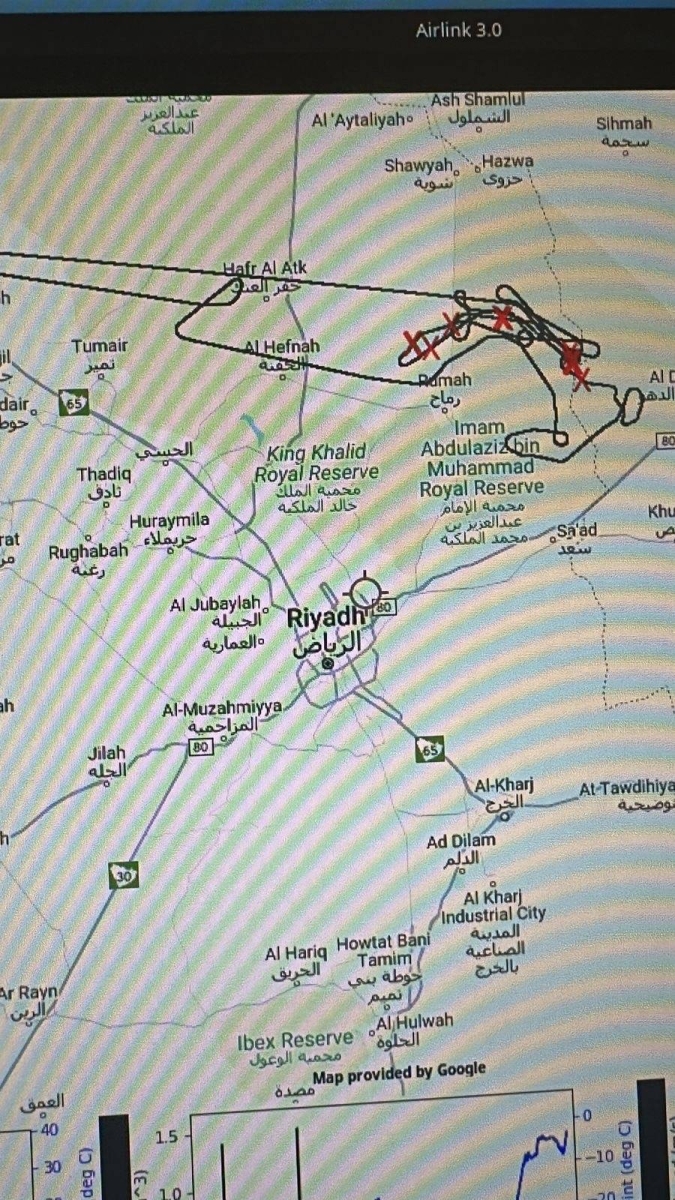
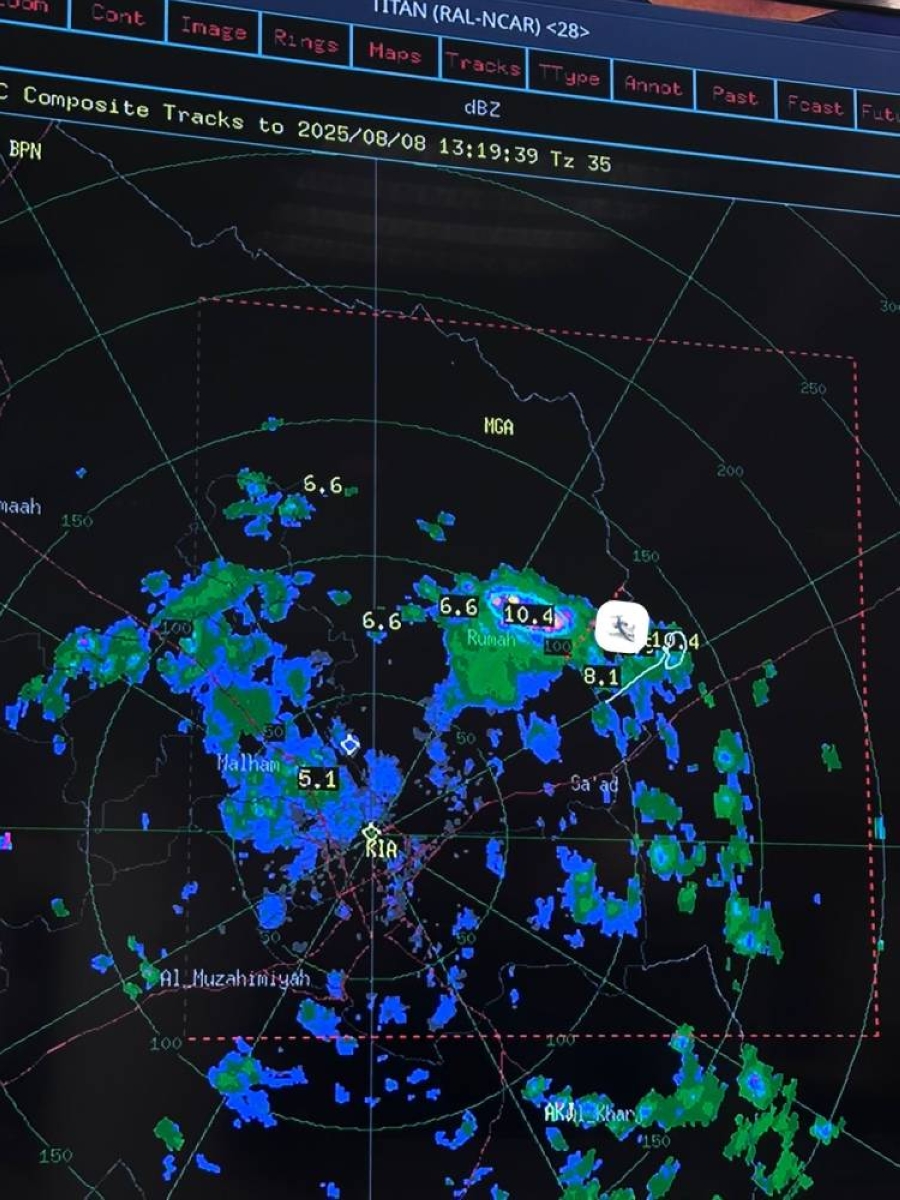
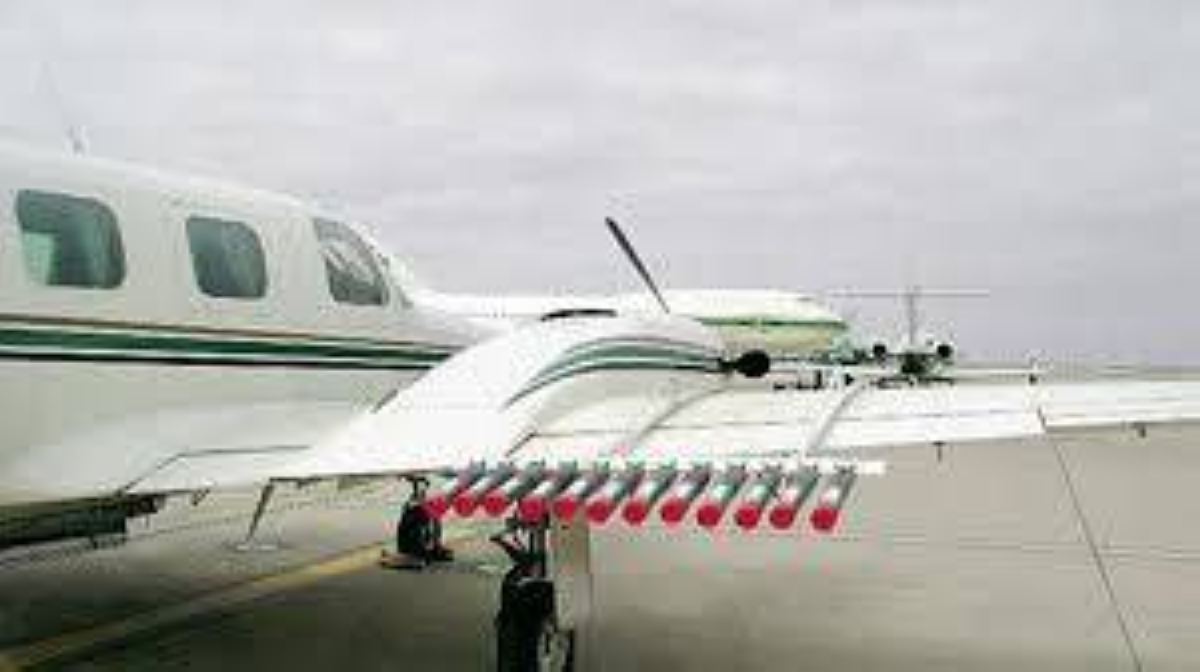
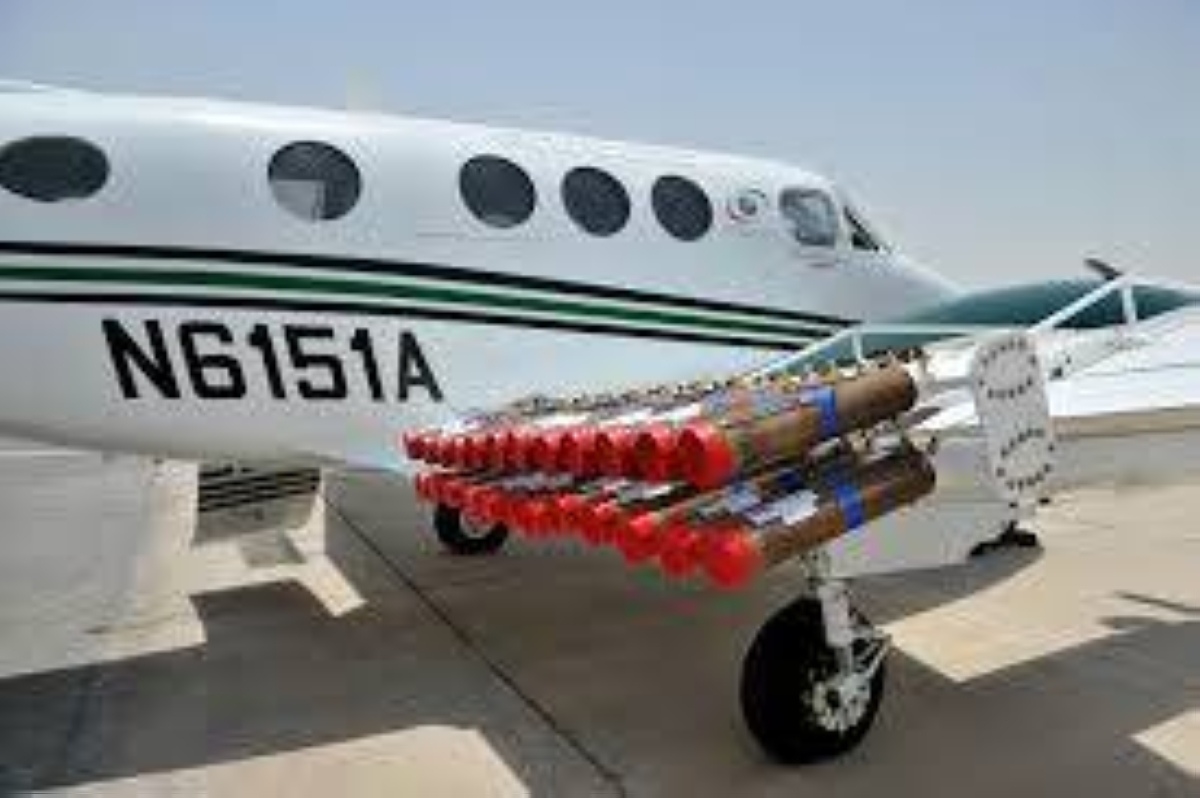
في حالة نوعية عاش سكان محافظة رماح شمال شرقي الرياض أجواء ماطرة وسط أجواء حارة تتجاوز الـ45 درجة مئوية، ضمن «برنامج الاستمطار»، كأول موقع في المنطقة الوسطى تُنفذ فيه العمليات خلال فصل الصيف.
وأعلن برنامج استمطار السحب نجاح تجربته في تنفيذ أولى العمليات بمحافظة رماح، وجاء التنفيذ بعد دراسة دقيقة للمعطيات الجوية وبمتابعة مباشرة من فريق الأبحاث، في خطوة تُجسّد التقدم التقني والجاهزية التشغيلية للبرنامج، وتندرج ضمن خططه التوسعية على مناطق المملكة لزيادة الهاطل المطري.
ويقدم البرنامج الإقليمي لاستمطار السحب تجارب ناجحة ما يعزز التنمية المستدامة، والبحث عن موارد مائية إضافية، واتساع الرقعة الخضراء والحد من التصحر؛ في الوقت الذي تلعب فيه هذه التقنية الدور في زيادة كمية الأمطار لأنواع من السحب لاستغلال خصائصها وتحفيز وتسريع عملية هطول الأمطار على مناطق معينة ومحددة مسبقاً.
وتكمن عملية استمطار السحب في استثارة وحفز السحب والغيوم لإسقاط محتواها من المياه الكامنة فوق مناطق جغرافية محددة؛ عن طريق استخدام وسائل صناعية تعمل على تسريع عملية هطول الأمطار أو زيادة إدرار هذه السحب من المياه مقارنة بما يمكن أن تدره بشكل طبيعي.
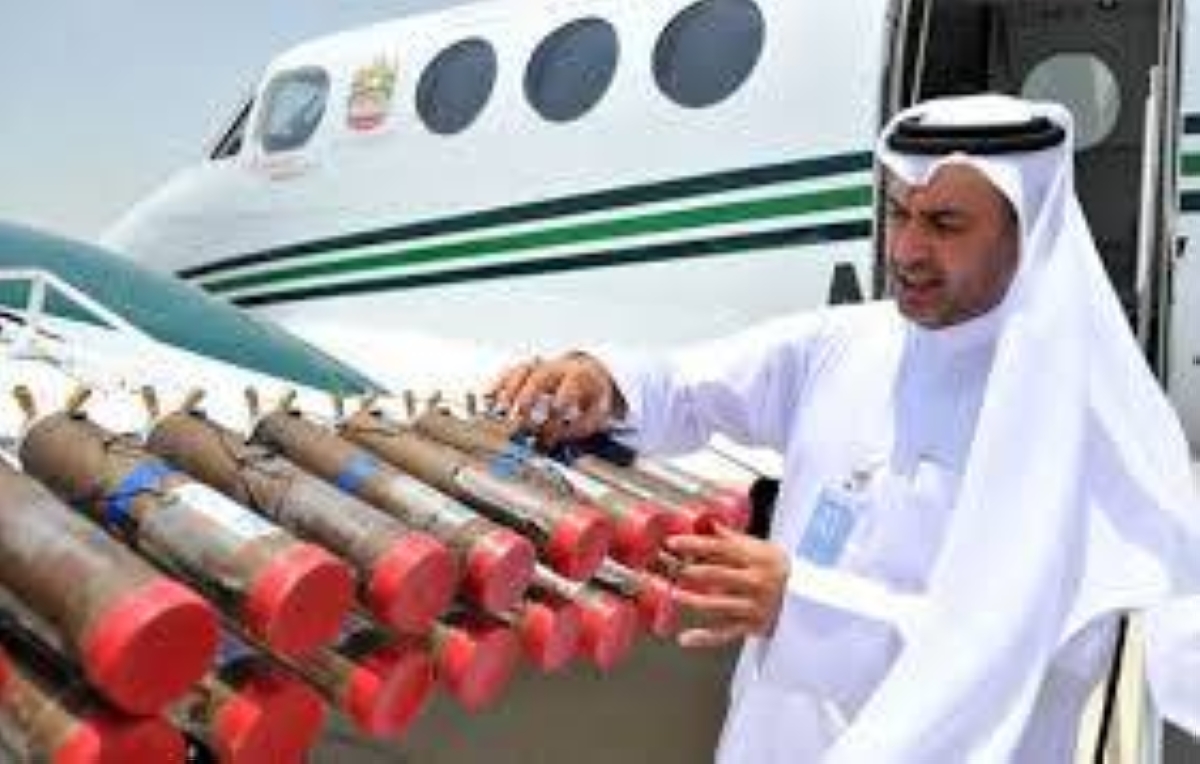
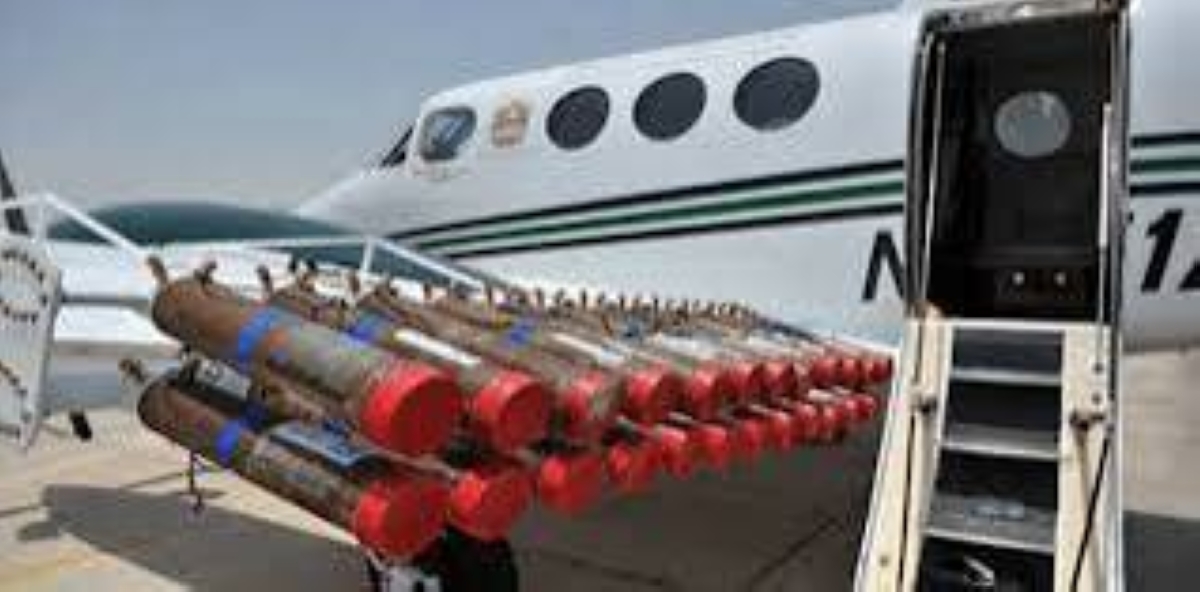
ويتم استمطار السحب من خلال طائرات مخصصة لبذر مواد دقيقة ليس لها ضرر على البيئة في أماكن محددة من السحب، مما يغير العمليات الفيزيائية الدقيقة داخل السحابة نفسها؛ ويجري في هذه العملية تحفيز السحب من خلال استخدام الطائرات أو المولدات الأرضية وحقنها بجزيئات من الملح؛ فتتشكل بلورات ثلجية تتكثف في المطر مما يساعد على زيادة هطول الأمطار من سحابة واحدة بنسبة تصل إلى 20% في الظروف المثالية.
ويتم بذر السحب في عملية الاستمطار عبر تقنيات حديثة عن طريق الطائرات والمولدات الأرضية والدرونز؛ ويصل الوقت المستغرق في البذر السحابي، قبل أن تبدأ السحابة المعالجة في التغير، لـ30 دقيقة اعتماداً على طريقة تسليم البذر «الحقن المباشر عند قمة السحابة، أو البذر الأساسي.. إطلاق عامل البذر في التيار الصاعد أسفل قاعدة السحابة».
وتتنوع المواد المستخدمة في الاستمطار، حسب التقنية والطريقة، ففي درجات الحرارة المنخفضة يتم استخدام مركب ثاني أكسيد الكربون الصلب، أو ما يعرف بالجليد الجاف، ويتم في درجات الحرارة المرتفعة استخدام جزئيات كلوريد الكالسيوم لتشكيل نوى تكثيف تتراكم حولها قطرات بخار الماء.
In a qualitative case, the residents of the Ramah Governorate, northeast of Riyadh, experienced rainy weather amidst hot conditions exceeding 45 degrees Celsius, as part of the "Cloud Seeding Program," marking the first site in the central region where operations are carried out during the summer.
The Cloud Seeding Program announced the success of its experiment in executing the first operations in Ramah Governorate. The execution came after a thorough study of meteorological data and direct monitoring by the research team, in a step that embodies the technological advancement and operational readiness of the program, and falls within its expansion plans across the Kingdom to increase rainfall.
The regional cloud seeding program offers successful experiences that enhance sustainable development, the search for additional water resources, the expansion of green areas, and the reduction of desertification; at a time when this technology plays a role in increasing the amount of rain from certain types of clouds to exploit their characteristics and stimulate and accelerate the rainfall process in specific and predetermined areas.
The cloud seeding process involves stimulating and encouraging clouds to release their latent water content over specific geographical areas; by using artificial means that accelerate the rainfall process or increase the yield of these clouds compared to what they could naturally produce.
Cloud seeding is carried out using aircraft designated for dispersing fine materials that are harmless to the environment in specific areas of the clouds, which alters the precise physical processes within the cloud itself; in this process, clouds are stimulated using aircraft or ground generators and injected with salt particles; ice crystals form and condense into rain, helping to increase rainfall from a single cloud by up to 20% under ideal conditions.
Clouds are seeded in the cloud seeding process using modern techniques via aircraft, ground generators, and drones; the time taken for cloud seeding, before the treated cloud begins to change, can reach up to 30 minutes depending on the delivery method of the seeding "direct injection at the top of the cloud, or basic seeding... releasing the seeding agent in the updraft below the base of the cloud."
The materials used in cloud seeding vary according to the technique and method; at low temperatures, solid carbon dioxide, or what is known as dry ice, is used, while at high temperatures, calcium chloride particles are used to form condensation nuclei around which water vapor droplets accumulate.