



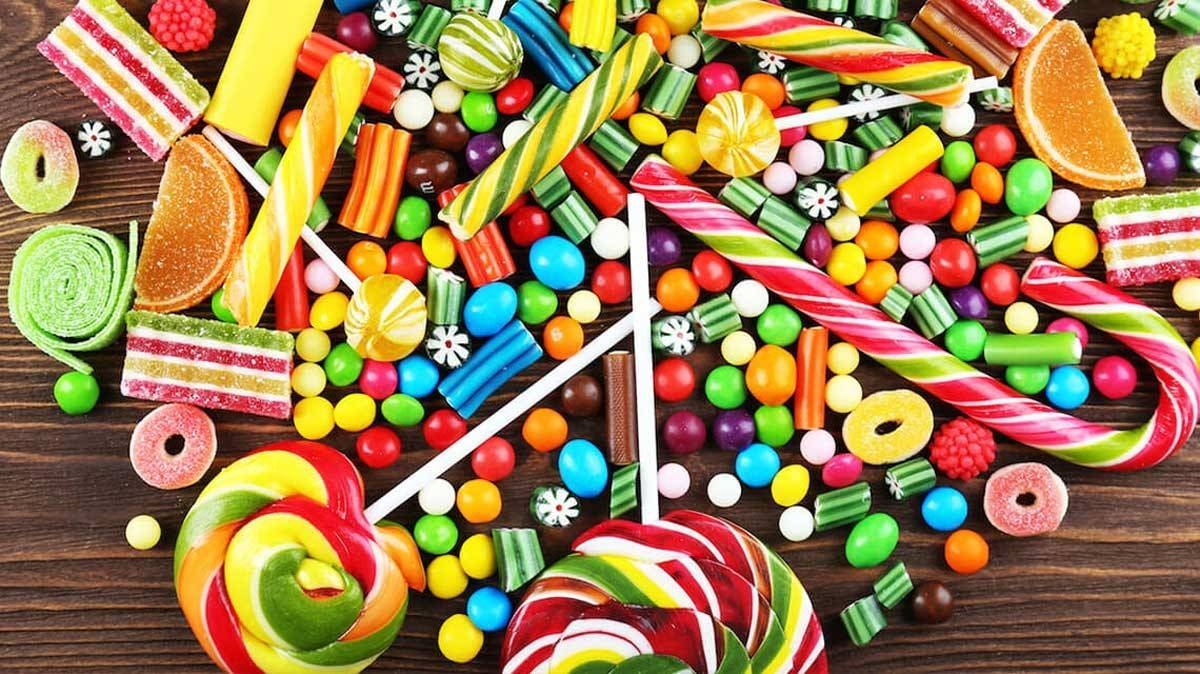
طرحت الهيئة العامة للغذاء والدواء مشروعاً عن المواصفة القياسية الخليجية الخاصة بالحلوى الجافة والهلامية «الجيلية» والطرية لتعزيز جودة وسلامة منتجات الحلوى المتداولة في الأسواق، وضمان التزامها بأعلى المعايير الغذائية والصحية. وتشمل المواصفة جميع أنواع الحلوى التي لم يصدر بها مواصفة مستقلة، والمعدة للاستهلاك المباشر، مع استبعاد لبان المضغ، والشوكولاتة بأنواعها، والحلويات الشرقية والغربية.
وقسمت المواصفة الحلوى إلى 3 تصنيفات رئيسية، هي: الحلوى الجافة أو الصلدة، الحلوى الطرية، والحلوى الهلامية. وأكدت ضرورة أن تكون المنتجات صالحة وآمنة للاستهلاك الآدمي، وخالية تماماً من أي روائح أو نكهات غير طبيعية أو شوائب أو مواد ضارة قد تؤثر على صحة المستهلك، وحظر استخدام أي مكونات مشتقة من الخنزير أو الدهون الحيوانية، باستثناء دهن الحليب الذي يُعد مكوناً مسموحاً به وفق الاشتراطات الخليجية.
ونصّت المواصفة على أن تكون نسب المواد المضافة والملوثات ضمن الحدود المسموح بها خليجياً، بما يتوافق مع لوائح الصحة العامة ومعايير الجودة المعتمدة في دول مجلس التعاون.
وشددت المواصفة على عدم تصنيع الحلوى بأشكال تساعد على السلوكيات الخطرة مثل الأدوات الحادة، أو طرق استهلاكها بطريقة قد تعرض الأطفال للاختناق أو البلع غير الآمن.
وسمحت المواصفة بإضافة مجموعة من المكونات الاختيارية؛ لتعزيز النكهة والمظهر، مثل العسل الطبيعي، والمكسرات المتنوعة، والفانيليا، والمياه العطرية، والشكولاتة الطبيعية. وأكدت المواصفة ضرورة ضبط مكونات السكر، بحيث لا تزيد نسبة الجلوكوز على 50% من إجمالي السكريات، وأن لا تقل نسبة المكونات المسؤولة عن التماسك مثل الجيلاتين أو النشا أو الصمغ العربي عن 50%، بما يضمن ثبات التركيب ووضوح القوام النهائي للحلوى.
-----
عبوات غير منفذة للرطوبة
ألزمت المواصفة بضرورة استخدام عبوات نظيفة، وسليمة، وغير منفذة للرطوبة، مع التأكيد على ألا يكون لهذه العبوات أي تأثير سلبي على جودة أو نكهة المنتج. كما شدّدت على منع استخدام العبوات المستعملة في التعبئة، وضرورة أن تكون الحلوى الطرية أو الهلامية معبأة بطريقة تضمن عدم التصاقها بالغلاف أو المادة المعبئة، حفاظاً على شكلها وقوامها.
أما في جانب النقل، فقد اشترطت المواصفة أن تُنقل الحلوى في وسائل نظيفة، تحافظ على درجة حرارة لا تتجاوز 25 درجة مئوية، مع اتخاذ الاحتياطات اللازمة لحمايتها من التلوث أو التلف الميكانيكي الناتج عن الاهتزاز أو الصدمات أثناء النقل.
وفيما يخص التخزين، ألزمت المواصفة بضرورة حفظ الحلوى داخل مستودعات جيدة التهوية، وواقعة في أماكن بعيدة عن مصادر الحرارة أو الرطوبة.
هيئة الغذاء تطرح المواصفة القياسية الخليجية للاستطلاع
6 ضوابط تحكم صناعة الحلوى الجافة والهلامية والطرية
9 أغسطس 2025 - 16:23
|
آخر تحديث 9 أغسطس 2025 - 16:23


تابع قناة عكاظ على الواتساب
إبراهيم العلوي (جدة) @i_waleeed22
The Saudi Food and Drug Authority has proposed a project regarding the Gulf standard specification for dry, jelly "gelatin," and soft candies to enhance the quality and safety of candy products circulating in the markets and to ensure their compliance with the highest food and health standards. The specification includes all types of candy that do not have an independent specification and are prepared for direct consumption, excluding chewing gum, chocolate of all kinds, and Eastern and Western sweets.
The specification categorizes candy into three main classifications: dry or hard candy, soft candy, and jelly candy. It emphasized the necessity for products to be fit and safe for human consumption, completely free from any unnatural odors or flavors, impurities, or harmful substances that may affect consumer health, and prohibited the use of any ingredients derived from pork or animal fats, except for milk fat, which is considered an allowed ingredient according to Gulf requirements.
The specification stipulated that the levels of additives and contaminants must be within the limits permitted in the Gulf, in accordance with public health regulations and quality standards adopted in the Gulf Cooperation Council countries.
The specification stressed that candy should not be manufactured in shapes that encourage dangerous behaviors, such as sharp tools, or methods of consumption that may expose children to choking or unsafe swallowing.
The specification allowed the addition of a range of optional ingredients to enhance flavor and appearance, such as natural honey, various nuts, vanilla, aromatic waters, and natural chocolate. It confirmed the necessity of controlling sugar components, ensuring that the glucose content does not exceed 50% of the total sugars, and that the proportion of ingredients responsible for cohesion, such as gelatin, starch, or gum arabic, is not less than 50%, ensuring the stability of the composition and clarity of the final texture of the candy.
-----
Moisture-proof Packaging
The specification required the use of clean, intact, and moisture-proof packaging, emphasizing that these packages should not have any negative impact on the quality or flavor of the product. It also stressed the prohibition of using used packaging for filling and that soft or jelly candies must be packaged in a way that ensures they do not stick to the wrapper or the packaging material, preserving their shape and texture.
Regarding transportation, the specification required that candies be transported in clean means that maintain a temperature not exceeding 25 degrees Celsius, with necessary precautions taken to protect them from contamination or mechanical damage resulting from vibrations or shocks during transport.
As for storage, the specification mandated that candies be kept in well-ventilated warehouses, located away from sources of heat or moisture.
The specification categorizes candy into three main classifications: dry or hard candy, soft candy, and jelly candy. It emphasized the necessity for products to be fit and safe for human consumption, completely free from any unnatural odors or flavors, impurities, or harmful substances that may affect consumer health, and prohibited the use of any ingredients derived from pork or animal fats, except for milk fat, which is considered an allowed ingredient according to Gulf requirements.
The specification stipulated that the levels of additives and contaminants must be within the limits permitted in the Gulf, in accordance with public health regulations and quality standards adopted in the Gulf Cooperation Council countries.
The specification stressed that candy should not be manufactured in shapes that encourage dangerous behaviors, such as sharp tools, or methods of consumption that may expose children to choking or unsafe swallowing.
The specification allowed the addition of a range of optional ingredients to enhance flavor and appearance, such as natural honey, various nuts, vanilla, aromatic waters, and natural chocolate. It confirmed the necessity of controlling sugar components, ensuring that the glucose content does not exceed 50% of the total sugars, and that the proportion of ingredients responsible for cohesion, such as gelatin, starch, or gum arabic, is not less than 50%, ensuring the stability of the composition and clarity of the final texture of the candy.
-----
Moisture-proof Packaging
The specification required the use of clean, intact, and moisture-proof packaging, emphasizing that these packages should not have any negative impact on the quality or flavor of the product. It also stressed the prohibition of using used packaging for filling and that soft or jelly candies must be packaged in a way that ensures they do not stick to the wrapper or the packaging material, preserving their shape and texture.
Regarding transportation, the specification required that candies be transported in clean means that maintain a temperature not exceeding 25 degrees Celsius, with necessary precautions taken to protect them from contamination or mechanical damage resulting from vibrations or shocks during transport.
As for storage, the specification mandated that candies be kept in well-ventilated warehouses, located away from sources of heat or moisture.


