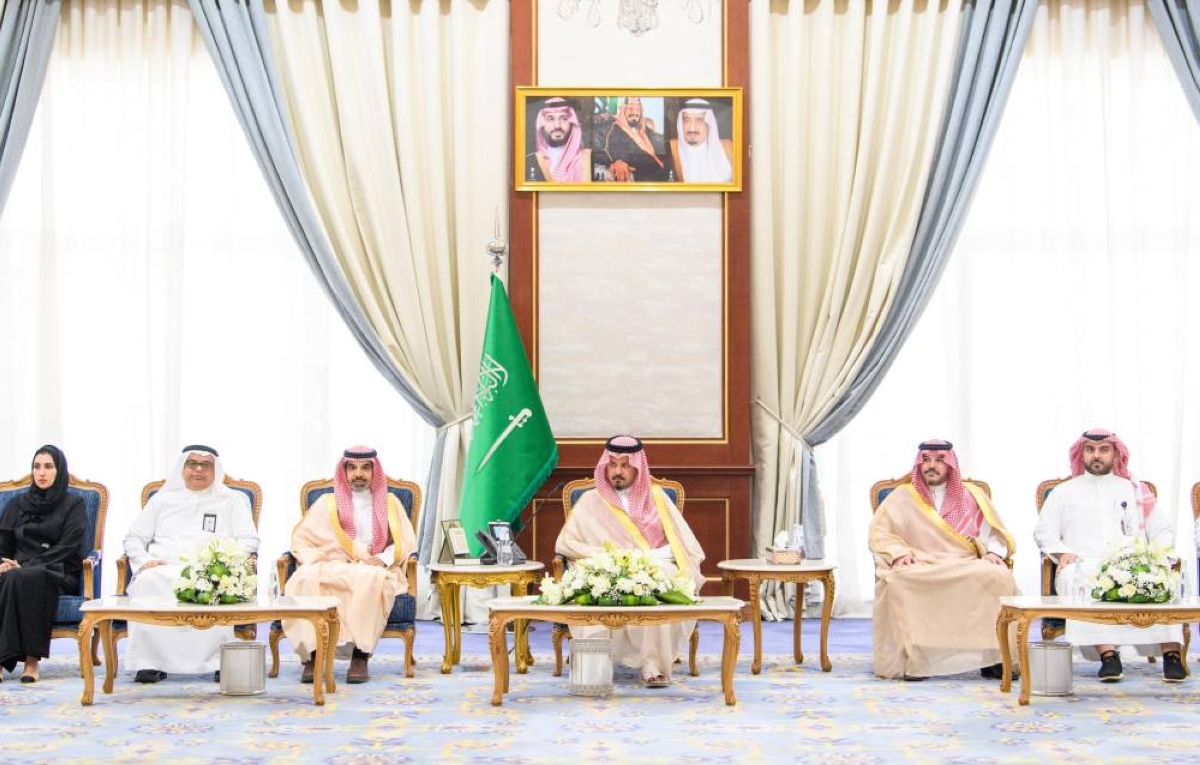
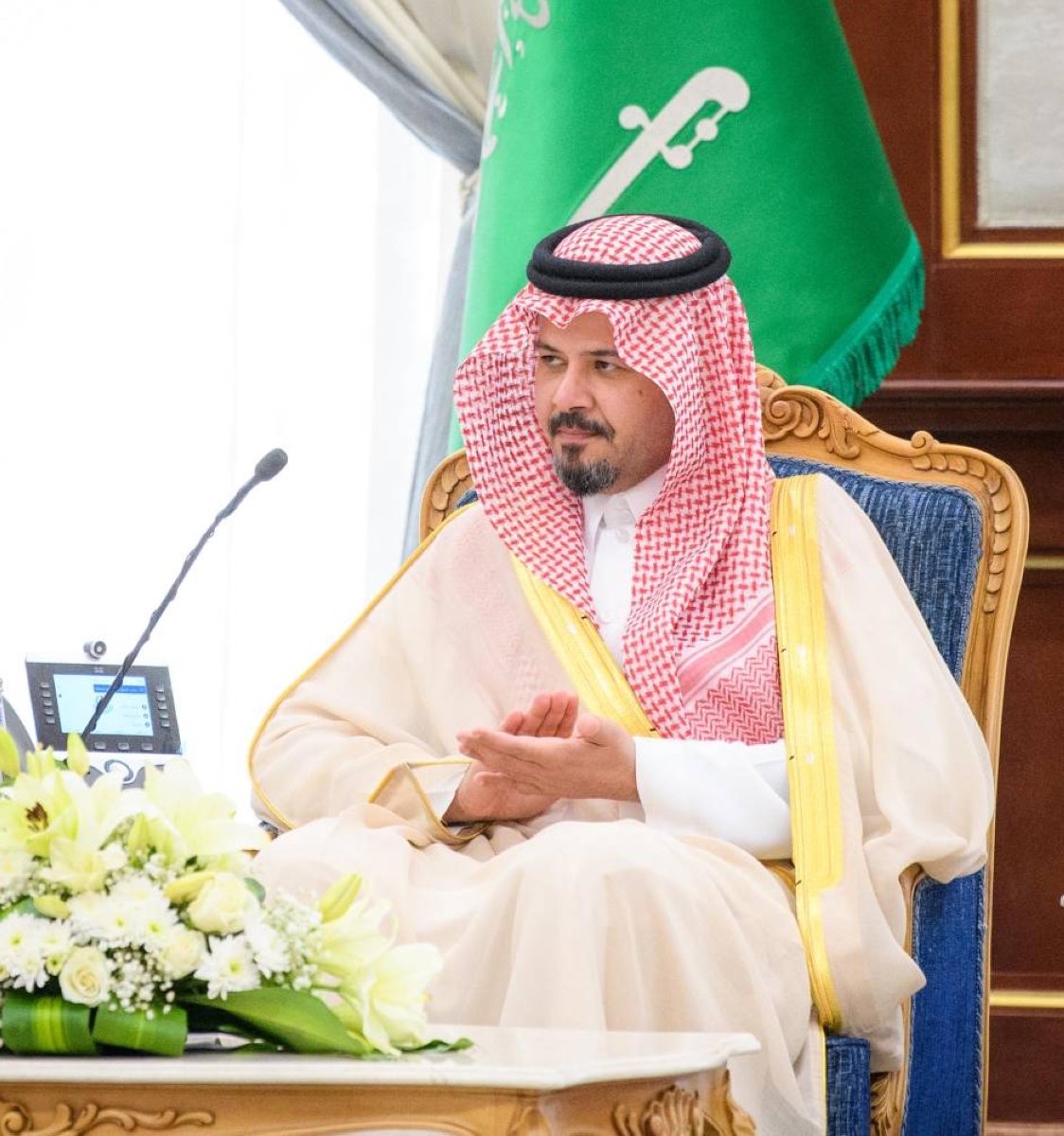
أكد أمير منطقة المدينة المنورة الأمير سلمان بن سلطان بن عبدالعزيز أن الحراك الثقافيَّ الذي تشهده المملكة يُمثل انعكاساً مباشراً لدعم واهتمام القيادة الرشيدة بالثقافة، باعتبارها عنصراً محورياً في التنمية الوطنية، مشيراً إلى أن مبادرة «الشريك الأدبي» تُبرز نموذجاً فعّالاً للتكامل بين الجهات الثقافية والقطاع الخاص، ضمن مستهدفات رؤية السعودية 2030 الرامية إلى تمكين الثقافة وتعزيز حضورها في المجتمع.
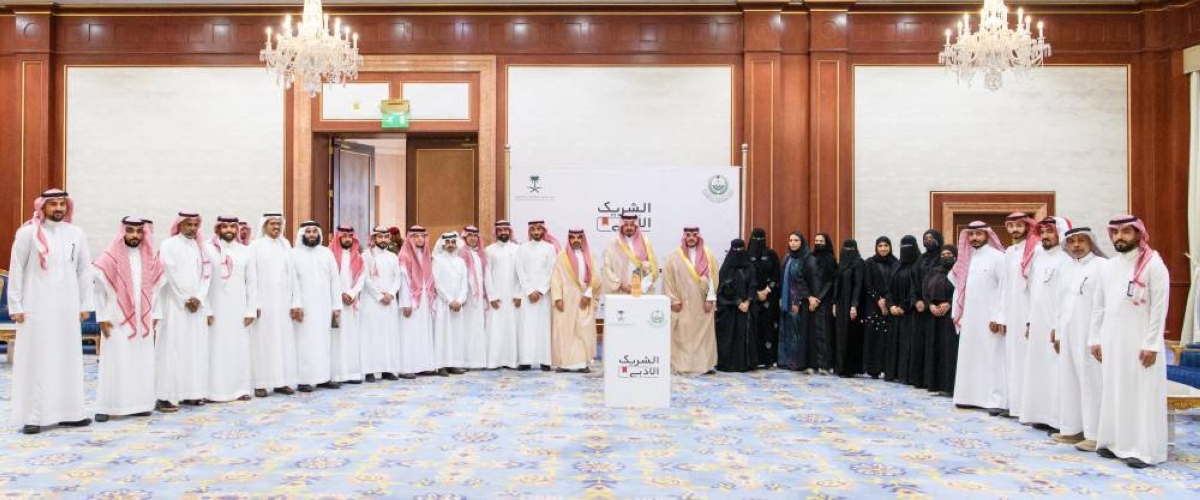
جاء ذلك خلال رعايته الحفل الذي نظمته هيئة تطوير منطقة المدينة المنورة لتكريم المشاركين في النسخة الرابعة من مبادرة «الشريك الأدبي»، إحدى مبادرات هيئة الأدب والنشر والترجمة، وذلك بحضور أمين المنطقة الرئيس التنفيذي لهيئة تطوير المنطقة المهندس فهد البليهشي، والرئيس التنفيذي لهيئة الأدب والنشر والترجمة الدكتور عبداللطيف الواصل.
وأشاد بتميّز المدينة المنورة في هذه المبادرة، مؤكداً أن تصدّرها لمناطق المملكة في عدد المقاهي الفائزة يعكس حيويتها الثقافية وتفاعلها المجتمعي، ومكانتها المتفردة كمنصة للإبداع والمعرفة، تحتضن المواهب وتفعّل الحوار، ضمن مسار ثقافي يُجسّد هوية المدينة ويواكب تطلعاتها نحو مستقبل معرفي واعد.
وأعرب عن شكره وتقديره لوزير الثقافة رئيس مجلس إدارة هيئة الأدب والنشر والترجمة الأمير بدر بن عبدالله بن فرحان، وللهيئة، على ما يبذلانه من جهود ملموسة في دعم الحراك الثقافي، وتمكين المبادرات الإبداعية، وتعزيز حضور الثقافة في الحياة العامة.
من جهته، أوضح الرئيس التنفيذي لهيئة الأدب والنشر والترجمة الدكتور عبداللطيف الواصل، في كلمته خلال الحفل، أن مبادرة «الشريك الأدبي» تُعد من أبرز المبادرات الثقافية الهادفة إلى تعزيز حضور الأدب في الفضاءات المجتمعية اليومية، من خلال شراكات استراتيجية مع المقاهي ومؤسسات القطاعين الخاص وغير الربحي، بما يسهم في رفع الوعي الثقافي، وتفعيل الحوارات الأدبية، وتقريب الأدب من الجمهور بأسلوب محبب ومؤثر.
وأشار الدكتور الواصل إلى أن النسخة الرابعة من المبادرة حققت انتشاراً واسعاً من خلال التعاون مع 80 مقهى أدبياً، وتنظيم أكثر من 3,899 فعالية أدبية وثقافية في 12 منطقة حول المملكة، مشيداً بالحضور اللافت لمنطقة المدينة المنورة، التي احتضنت 1,163 فعالية، واستقطبت أكثر من 37 ألف زائر، بمشاركة نحو 1,400 أديب ومثقف، في تجربة تُجسّد تفاعل المجتمع المحلي وتحويل المقاهي إلى فضاءات نابضة بالثقافة والمعرفة.
كما أعرب عن بالغ شكره وتقديره لإمارة منطقة المدينة المنورة وهيئة تطوير المنطقة على ما قدّمتاه من دعم وتسهيلات لإنجاح المبادرة، منوهاً برؤيتهم النوعية التي تجمع بين التنمية والثقافة بروح طموحة ومسؤولة، ومؤكداً أن الفعل الثقافي حين ينبع من المجتمع يكون أكثر صدقاً وتأثيراً.
واختتم الدكتور الواصل كلمته بالتأكيد على أن هيئة الأدب والنشر والترجمة تؤمن بأن كل شريك أدبي يُمثل ركيزة أساسية في بناء مستقبل ثقافي مشرق، وأن المبادرات المجتمعية مثل «الشريك الأدبي» تُشكّل قاعدة متينة للتحول الثقافي المنشود ضمن مستهدفات رؤية السعودية 2030.
وتُعد هذه المبادرة من الجهود النوعية الرامية إلى تنشيط المشهد الأدبي، عبر شراكات فاعلة بين القطاعين العام والخاص، في إطار رؤية المملكة 2030 التي تضع الثقافة في صلب التنمية الوطنية.
وقد سجلت المدينة المنورة حضوراً لافتاً في نتائج المبادرة، بحصول 6 مقاهٍ من أصل 12 على جوائز وطنية، في إنجاز يُبرز عمقها الأدبي، ويعزز مكانتها كوجهة نابضة بالحياة والإبداع.
وتُجسّد تجربة المقاهي الأدبية في المدينة نموذجاً متقدّماً للدور الذي يمكن أن تؤديه هذه المساحات في إثراء النشاط الثقافي، بعد أن تجاوزت وظيفتها التقليدية كمواقع استقبال، لتتحول إلى منصات حيوية لإنتاج المعرفة واستقطاب مختلف شرائح المجتمع.
واتسمت المقاهي الفائزة بجمعها بين التصميم الإبداعي، والبرامج الثقافية المستمرة، والانفتاح المجتمعي، ما أسهم في اكتشاف المواهب، وتنشيط الحوار الثقافي، وترسيخ صورة المدينة المنورة كوجهة معرفية تعكس هويتها الإسلامية، وتستشرف مستقبلاً ثقافياً مزدهراً.
The Prince of the Medina Region, Prince Salman bin Sultan bin Abdulaziz, confirmed that the cultural movement witnessed in the Kingdom reflects the direct support and interest of the wise leadership in culture, considering it a pivotal element in national development. He pointed out that the "Literary Partner" initiative highlights an effective model for integration between cultural entities and the private sector, within the objectives of Saudi Vision 2030 aimed at empowering culture and enhancing its presence in society.
This came during his sponsorship of the ceremony organized by the Medina Region Development Authority to honor the participants in the fourth edition of the "Literary Partner" initiative, one of the initiatives of the Literature, Publishing, and Translation Authority, with the presence of the region's secretary and CEO of the region's development authority, Engineer Fahd Al-Bulayshi, and the CEO of the Literature, Publishing, and Translation Authority, Dr. Abdulatif Al-Wasel.
He praised the distinction of Medina in this initiative, affirming that its leading position among the regions of the Kingdom in the number of winning cafes reflects its cultural vitality and community interaction, as well as its unique status as a platform for creativity and knowledge, embracing talents and activating dialogue, within a cultural path that embodies the city's identity and aligns with its aspirations for a promising knowledge future.
He expressed his gratitude and appreciation to the Minister of Culture, Chairman of the Board of Directors of the Literature, Publishing, and Translation Authority, Prince Badr bin Abdullah bin Farhan, and to the authority, for their tangible efforts in supporting the cultural movement, empowering creative initiatives, and enhancing the presence of culture in public life.
For his part, the CEO of the Literature, Publishing, and Translation Authority, Dr. Abdulatif Al-Wasel, explained in his speech during the ceremony that the "Literary Partner" initiative is one of the most prominent cultural initiatives aimed at enhancing the presence of literature in daily community spaces, through strategic partnerships with cafes and institutions in the private and non-profit sectors, contributing to raising cultural awareness, activating literary dialogues, and bringing literature closer to the audience in an appealing and impactful manner.
Dr. Al-Wasel noted that the fourth edition of the initiative achieved wide outreach through cooperation with 80 literary cafes, organizing more than 3,899 literary and cultural events in 12 regions across the Kingdom, praising the remarkable presence of the Medina Region, which hosted 1,163 events and attracted more than 37,000 visitors, with the participation of about 1,400 writers and intellectuals, in an experience that embodies the interaction of the local community and transforms cafes into vibrant spaces of culture and knowledge.
He also expressed his deep gratitude and appreciation to the Emirate of the Medina Region and the region's development authority for their support and facilitation in making the initiative successful, highlighting their qualitative vision that combines development and culture with an ambitious and responsible spirit, affirming that when cultural action stems from the community, it is more authentic and impactful.
Dr. Al-Wasel concluded his speech by emphasizing that the Literature, Publishing, and Translation Authority believes that every literary partner represents a fundamental pillar in building a bright cultural future, and that community initiatives like "Literary Partner" form a solid foundation for the desired cultural transformation within the objectives of Saudi Vision 2030.
This initiative is considered one of the qualitative efforts aimed at revitalizing the literary scene, through effective partnerships between the public and private sectors, within the framework of the Kingdom's Vision 2030, which places culture at the heart of national development.
The Medina Region recorded a remarkable presence in the results of the initiative, with 6 cafes out of 12 receiving national awards, in an achievement that highlights its literary depth and enhances its status as a vibrant destination for life and creativity.
The experience of literary cafes in Medina embodies an advanced model of the role that these spaces can play in enriching cultural activity, having surpassed their traditional function as reception sites to transform into vital platforms for knowledge production and attracting various segments of society.
The winning cafes were characterized by their combination of creative design, ongoing cultural programs, and community openness, which contributed to discovering talents, activating cultural dialogue, and solidifying the image of Medina as a knowledge destination that reflects its Islamic identity and anticipates a flourishing cultural future.