



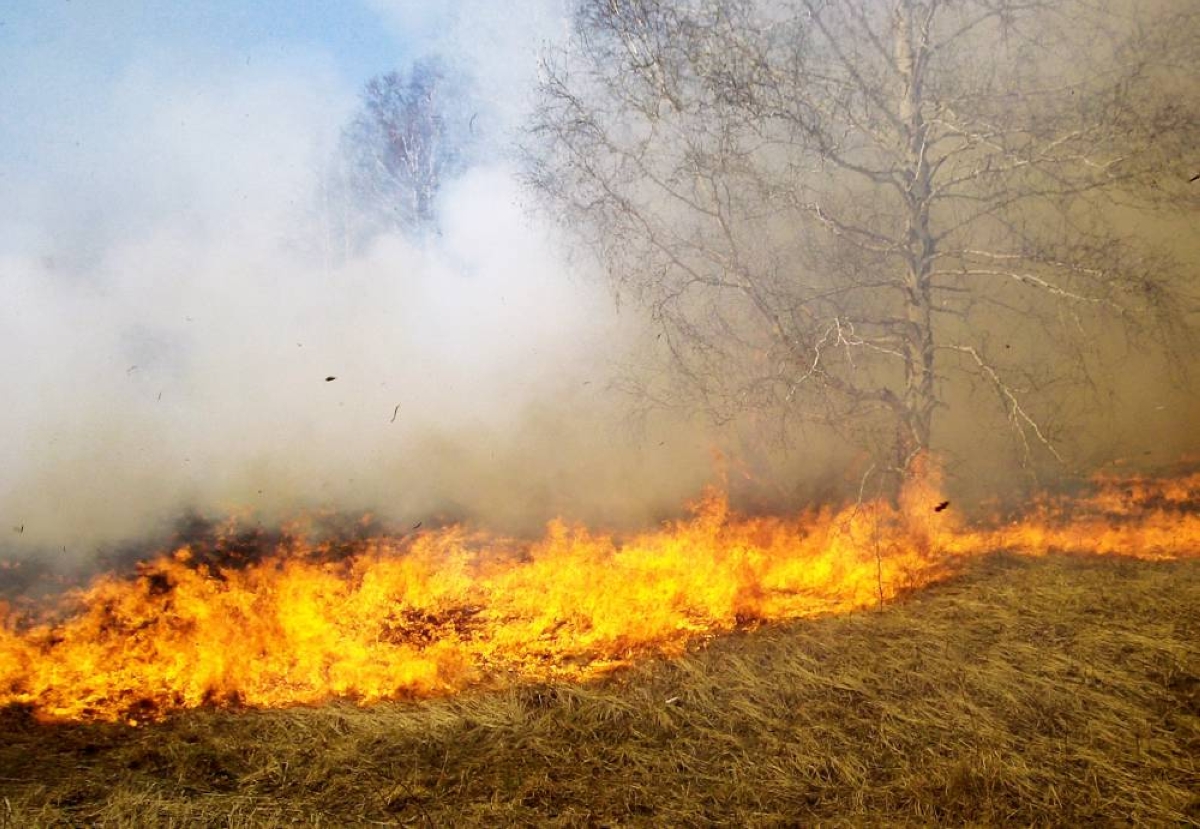
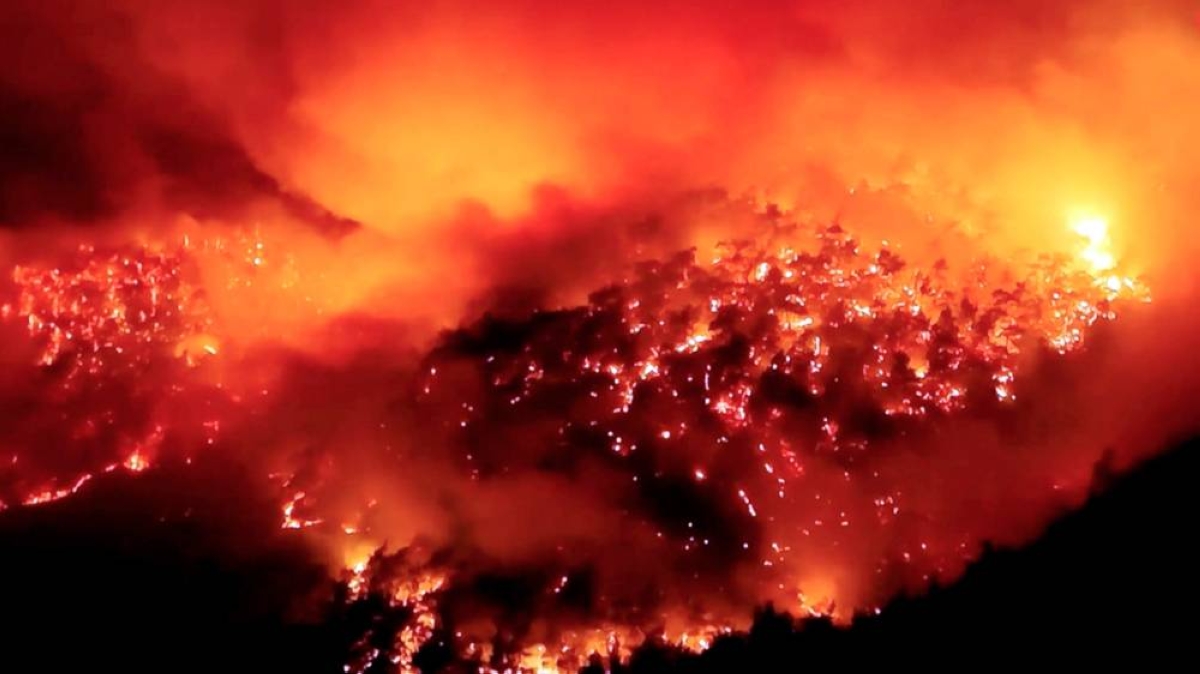

حرائق الغابات، ظاهرة عالمية، تتعدد مصادر اشتعالها بين الطبيعة (البرق) وعبث البشر، وتتفاقم عند ارتفاع درجات الحرارة التي تحترق الأشجار وتشتعل بشدة وسرعة وتنتشر مؤثرة على النظام البيئي ومهددة الإنسان بالخطر.
تشكل حرائق الغابات تحدياً لجهود المجتمعات لارتفاع تكاليف إخمادها وحاجتها لخبراء يتصدون لانتشار النيران.
ويشهد العالم هذه الأيام موجة من الحر فاقت درجاتها في بعض الدول 50 درجة، وأعلنت بعض الدول، مثل اليونان، حالات التأهب بعد اندلاع عشرات الحرائق في الأيام الماضية، حتى أن جزيرة كيثيرا تواجه أوضاعاً مقلقة بعد أن أتت النيران على مساحات واسعة من الأراضي والممتلكات، ما دفع اليونان لطلب دعم من الاتحاد الأوروبي، وعزت الدولة اليونانية شدة الحرائق لتغير المناخ بعد أن شهدت البلاد درجات حرارة تخطّت 45 درجة مئوية، ما يزيد من حدة حرائق الغابات وكثرتها.
قاعدة بيانات سعودية
في السعودية، أنهى المركز الوطني لتنمية الغطاء النباتي ومكافحة التصحر دراسة بعنوان «سبل الوقاية من حرائق الغابات ومعالجة آثارها في المناطق الجنوبية والجنوبية الغربية»، بالتعاون مع جامعة الملك خالد، وجامعة موناش الأسترالية، ضمن جهوده لتعزيز حماية الغابات، والحد من أخطار الحرائق تحقيقاً لأهداف الاستدامة البيئية.
وشملت الدراسة، تقييماً شاملاً لأوضاع الغابات والمخاطر المحيطة بها، وإنشاء قاعدة بيانات رقمية، ودراسة تفصيلية للإجراءات الوقائية والسلوكيات المجتمعية، إضافة إلى وضع خطة تحرك متكاملة تشمل الجهات ذات العلاقة مع تحديد مهمات كل جهة، باستخدام تقنيات حديثة مثل: الإنذار المبكر، والطائرات بدون طيار، كما قدّمت تصاميم ميدانية، وبدائل مستدامة لإنشاء ممرات إستراتيجية، وتطوير دليل لإعادة تأهيل الغابات بعد الحريق، إلى جانب تصميم أداة لتقييم الأداء، وإنشاء هيكل تنظيمي لغرفة عمليات مشتركة، وتفعيل دور المجتمع والفرق التطوعية في الوقاية والمكافحة.
وأولت الدراسة، أهمية خاصة لإشراك المجتمع، من خلال تطوير آلية شاملة تتيح للفرق التطوعية المجتمعية في مناطق الغابات الإسهام الفاعل في جهود الوقاية والمكافحة، عبر التدريب والتأهيل والتكامل مع عمل الجهات الرسمية.
نثر البذور في المساحات المحترقة
تُمثِّل هذه الدراسة التزام المملكة بالحفاظ على مواردها الطبيعية، ومواجهة تحديات التغير المناخي، بما يعكس رؤية إستراتيجية تسعى لتحقيق التوازن بين التنمية وحماية النظم البيئية. ولأن حرائق الغابات يمكن أن تأتي على ملايين الأفدنة من الأراضي، وتدمر كل ما يعترض طريقها من أشجار ومنازل وبشر وحيوانات. ولأن حرائق الغابات لا تزال تتصدر عناوين أخبار الدول وأنها تحدث في الغالب دون تخطيط، «عكاظ»، طرقت أبواب المختصين والأعيان وسألت كيف نحافظ على مكتسباتنا من الغابات؟
يرى ممثل منظومة وزارة البيئة والمياه والزراعة، ومدير عام فرع الوزارة بمنطقة عسير المهندس أحمد محمد آل مجثل، أن العمل جارٍ على تنفيذ خطط تشجير وبرامج لإعادة تأهيل المواقع المتأثرة بالحرائق، وذلك وفق أسس علمية تراعي طبيعة كل موقع وظروفه البيئية، تعتمد على نوع التدهور البيئي ومسبباته، الخصائص الطبيعية للموقع، الاستعداد البيئي والمجتمعي لتنفيذ البرنامج، وباختلاف كل حالة فقد تشمل: عمليات التشجير المباشر، نثر البذور في المساحات المتأثرة، الاعتماد على التأهيل الذاتي والطبيعي لبعض المواقع، أو الحلول البيئية المتكاملة التي تجمع بين عدة أدوات وإستراتيجيات.
آل مجثل أوضح لـ«عكاظ»، أن منظومة وزارة البيئة والمياه والزراعة تعمل على تحقيق مستهدفاتها من خلال المحافظة على البيئة واستدامة الموارد الطبيعية، تطبيق نظام البيئة ولوائحه التنفيذية، عبر المراكز البيئية المتخصصة، وفي مقدمتها المركز الوطني لتنمية الغطاء النباتي ومكافحة التصحر، تعزيز الوعي البيئي، من خلال مبادرة التوعية البيئية، التي ترافق المناسبات البيئية المحلية والدولية، لضمان وصول الرسالة البيئية لكافة فئات المجتمع، مؤكداً، أن وزارة البيئة تعمل بروح الشراكة مع المجتمع، وتراهن على دور المواطن والمقيم في الحفاظ على البيئة، وتحقيق التوازن البيئي بما يتماشى مع رؤية المملكة 2030.
فريق عمل لإدارة الأزمات
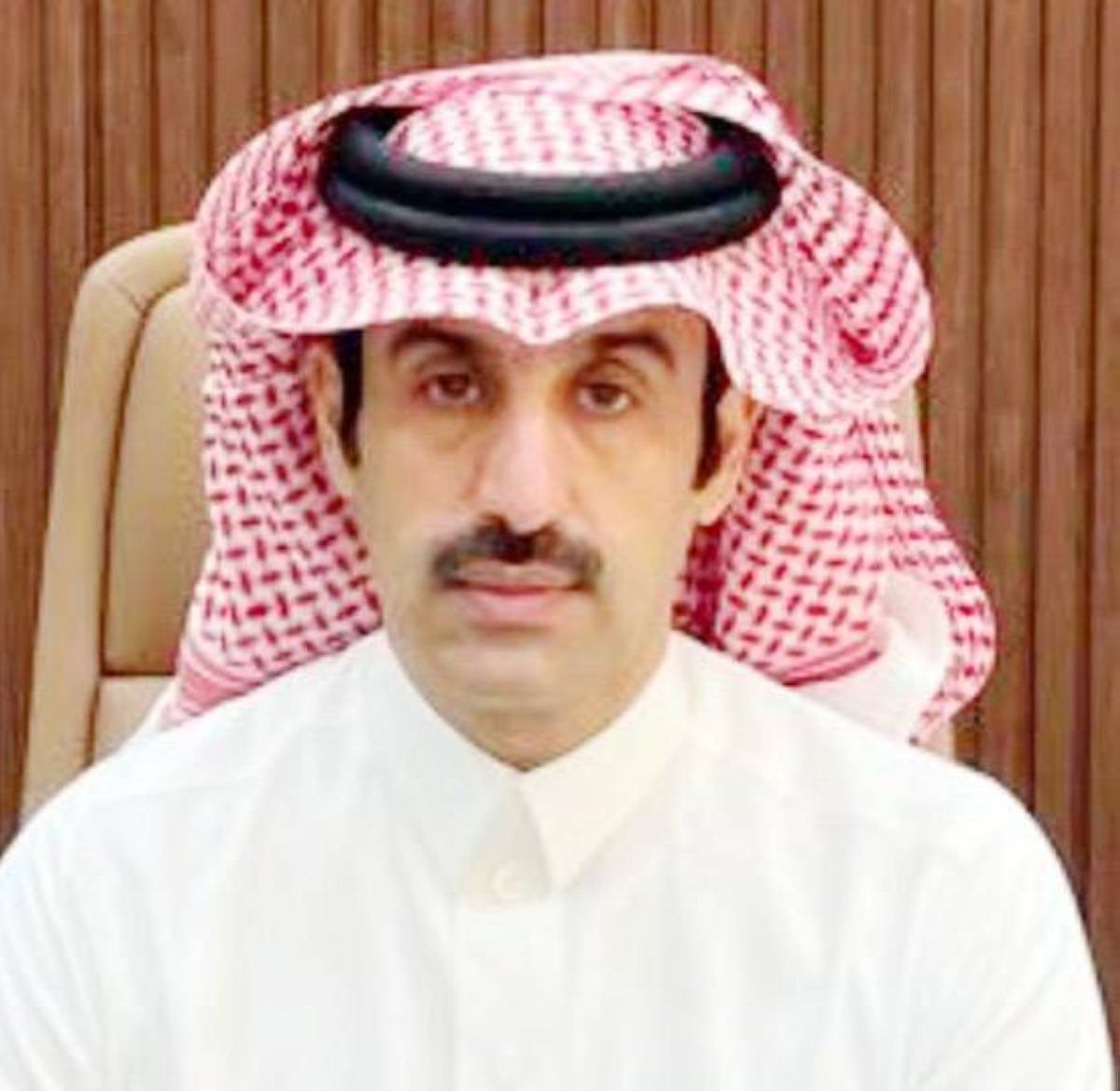
يؤكد رئيس مركز بلّلسمر ظافر العسيري لـ«عكاظ»، أهمية تعزيز الوعي وتفاعل المجتمع وتعزيز المبادرات التطوعية عند نشوب أي حريق خصوصاً أن منطقتنا تشتهر بالزراعة والغابات، وأن الحريق الذي شهدته منطقة بللسمر أكد تفاعل المجتمع من خلال مشاركة الجميع في إخماد الحريق بواسطة الأهالي والمتطوعين والإدارات الحكومية والقطاع الخاص.
فيما يرى شيخ شمل قبائل بلّلسمر الدكتور سعيد بن طراد بن جرمان، في حديثه لـ«عكاظ»، أن حرائق الغابات تمثّل مصدر قلق بالغ، وتستلزم تضافر الجهود بين كافة الجهات الحكومية والمجتمعية، مقترحاً أن تتولى بعض الجهات المعنية تنظيم دورات تأهيلية في مجالي إطفاء الحرائق والإنقاذ، موجهة لأفراد المجتمع، على أن تسبقها حملة توعوية.
وأكد رئيس بلدية بلّلسمر عبدالله بن قبلان بن جديع لـ«عكاظ»، أن البلدية تعمل على رفع الجاهزية الدائمة للتعامل مع مثل هذه الحالات الطارئة من خلال إدارة الطوارئ والكوارث، والتي تضطلع بمهمات تجهيز الكوادر البشرية والآليات والمعدات اللازمة لمباشرة أعمال الطوارئ على مدار الساعة، مشيراً إلى وجود تنسيق مع الدفاع المدني يعتمد على التعاون المشترك من خلال فريق عمل إدارة الأزمات بمركز بللّسمر، ومؤكداً أن المجتمع يُعد شريكاً فاعلاً في نجاح التعامل مع الطوارئ، وذلك من خلال سرعة الإبلاغ عن الحرائق، وتجنّب التجمهر في مواقع الحدث، ما يُسهم في تسهيل وصول الفرق والآليات إلى أماكن البلاغات دون عوائق.
خزانات مياه في رؤوس الجبال
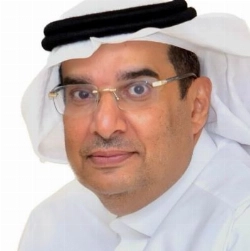
عضو اللجنة الاستشارية بوزارة البيئة والمياه والزراعة عن القطاع الخاص الدكتور سعد عبدالله الأحمري، دعا إلى إعداد خطة تنفيذية بإشراف المركز الوطني لتنمية الغطاء النباتي ومشاركة المجتمع المدني المحلي، تتضمن حصر مواقع الغابات والمسطحات الخضراء، تركيب خزانات مياه في رؤوس الجبال وإنشاء مصائد لمياه الأمطار في الشعاب. وطالب، في حديثه لـ«عكاظ»، بإزالة الأشجار اليابسة وتقليم الأغصان وتنظيم الأشجار بما يُعزز الاستفادة من الأمطار، وتعويض الأشجار المحترقة بأشجار من نفس النوع (مثل شجر العرعر) من مشاتل الوزارة أو مشاتل المتنزهات.
ويتناول المزارع والناشط البيئي الدكتور منصور الأسمري، في تقرير علمي توعوي، الطريقتين الأساسيتين لاستنبات العرعر، سواءً من البذور أو عن طريق العقل (التكاثر الخضري)، موضحاً تفاصيل دقيقة ومهمة للمهتمين بالزراعة البيئية أو العاملين في مشاتل الغطاء النباتي، وذلك من خلال استنبات العرعر من البذور، وهي الطريقة الأصعب والأبطأ، لكنها طبيعية وتُكسب النبات قدرة أكبر على التكيف، وتتطلب «معالجة طبقية» لكسر طور السكون في البذور وتحفيزها على الإنبات. وتُزرع خارجياً في الشتاء أو الربيع، أو داخلياً بعد المعالجة، فيما يأتي استنبات العرعر من العقل وهي الطريقة الأسرع، وتُستخدم للحصول على نباتات مماثلة للنبات الأم.
من مستصغر الشرر
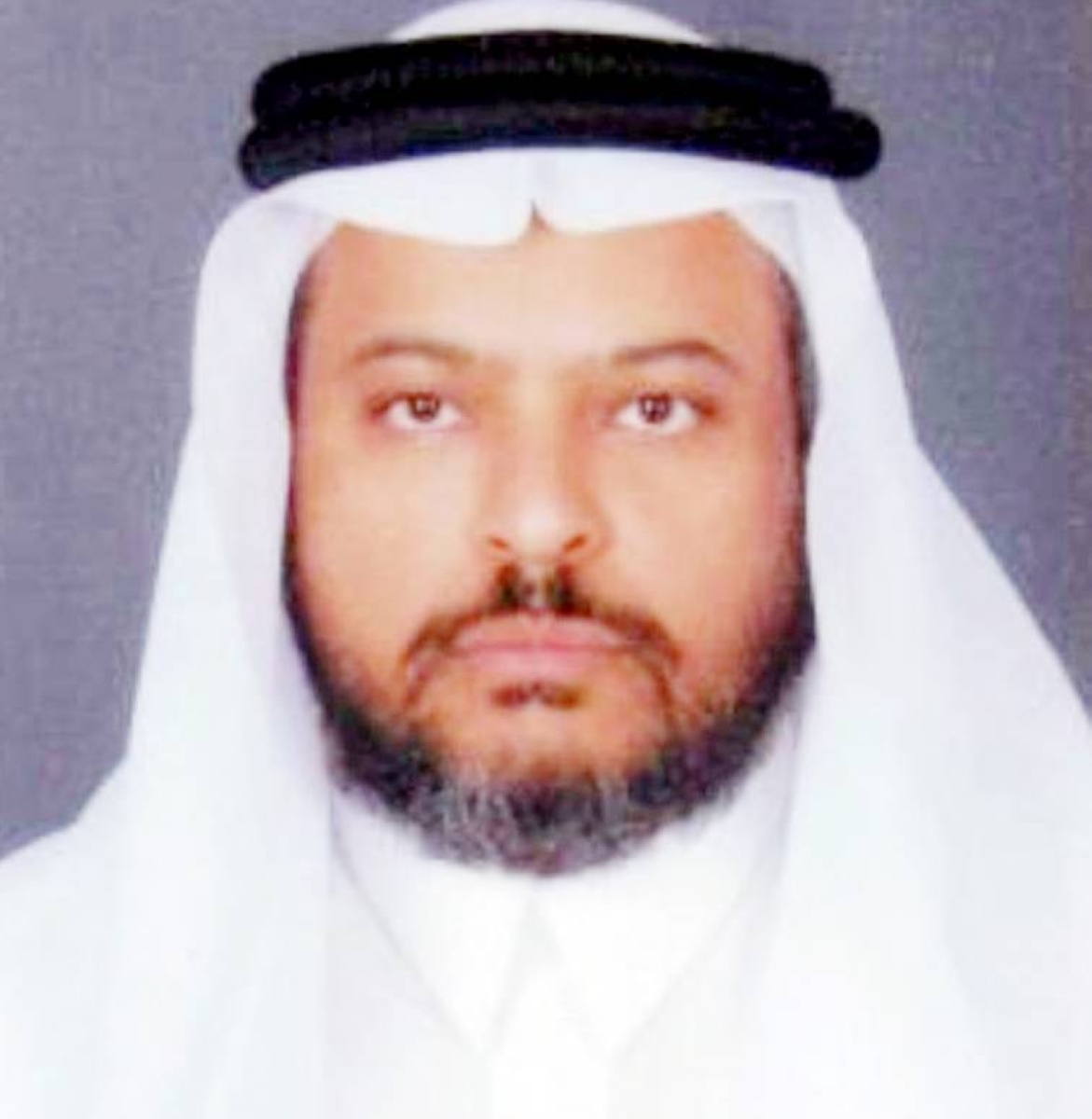
المحامي الدكتور متعب بن علي الأسمري، أرجع جزءاً من مسؤولية الحرائق المتكررة إلى منع الرعي في أغلب المناطق المفتوحة، ما أدى إلى تراكمها وتحولها إلى وقود طبيعي لأي شرارة، وإلى تحول الأغصان اليابسة المتراكمة تحت الأشجار وملاصقتها للجذوع إلى احتمالية احتراقها وهلاكها، منوهاً إلى أن بعض المزارعين، ومع غياب الحلول السهلة، قد يلجأون إلى حرق تلك الشجيرات للتخلّص منها، دون إدراك لما قد تسببه هذه النار من كارثة، حيث تنتشر بسرعة وتلتهم مساحات واسعة خارج حدود المزرعة.
«عكاظ» تسأل الخبراء: لماذا تشتعل الأشجار.. ما الحلول؟
من رماد الغابات.. تولد المبادرات
29 يوليو 2025 - 01:58
|
آخر تحديث 29 يوليو 2025 - 01:58


تابع قناة عكاظ على الواتساب
توفيق الأسمري (أبها) TawfiqAlasmari@
Wildfires are a global phenomenon, with sources of ignition ranging from natural causes (lightning) to human interference, and they worsen with rising temperatures, causing trees to burn intensely and spread rapidly, affecting the ecosystem and posing a threat to human safety.
Wildfires present a challenge to community efforts due to the high costs of extinguishing them and the need for experts to combat the spread of flames.
These days, the world is experiencing a heatwave with temperatures exceeding 50 degrees in some countries, prompting nations like Greece to declare states of alert following the outbreak of dozens of fires in recent days. The island of Kythira is facing alarming conditions after flames have consumed vast areas of land and property, leading Greece to request support from the European Union. The Greek government attributed the severity of the fires to climate change, as the country has witnessed temperatures surpassing 45 degrees Celsius, which intensifies and increases the frequency of wildfires.
Saudi Database
In Saudi Arabia, the National Center for Vegetation Development and Combating Desertification has completed a study titled "Ways to Prevent Wildfires and Address Their Effects in the Southern and Southwestern Regions," in collaboration with King Khalid University and Monash University in Australia, as part of its efforts to enhance forest protection and mitigate fire risks to achieve environmental sustainability goals.
The study included a comprehensive assessment of forest conditions and surrounding risks, the creation of a digital database, a detailed study of preventive measures and community behaviors, in addition to developing a comprehensive action plan involving relevant parties with defined tasks for each entity, using modern technologies such as early warning systems and drones. It also provided field designs and sustainable alternatives for creating strategic corridors, developing a guide for forest rehabilitation post-fire, as well as designing a performance evaluation tool and establishing an organizational structure for a joint operations room, and activating the role of the community and volunteer teams in prevention and combat efforts.
The study placed special emphasis on community involvement by developing a comprehensive mechanism that allows community volunteer teams in forest areas to actively contribute to prevention and combat efforts through training, qualification, and integration with the work of official entities.
Seed Broadcasting in Burned Areas
This study represents the Kingdom's commitment to preserving its natural resources and addressing the challenges of climate change, reflecting a strategic vision that seeks to achieve a balance between development and the protection of ecosystems. Since wildfires can consume millions of acres of land and destroy everything in their path, including trees, homes, humans, and animals. And because wildfires continue to dominate the headlines of countries and often occur without planning, "Okaz" reached out to specialists and community leaders to ask how we can preserve our forest resources?
Engineer Ahmed Mohammed Al-Majthal, representative of the Ministry of Environment, Water, and Agriculture, and Director General of the Ministry's branch in the Asir region, stated that efforts are underway to implement afforestation plans and programs to rehabilitate areas affected by fires, based on scientific principles that consider the nature and environmental conditions of each site, depending on the type of environmental degradation and its causes, the natural characteristics of the site, and the environmental and community readiness to implement the program. Depending on each case, this may include: direct afforestation operations, seed broadcasting in affected areas, reliance on self-rehabilitation and natural recovery for some sites, or integrated environmental solutions that combine several tools and strategies.
Al-Majthal explained to "Okaz" that the Ministry of Environment, Water, and Agriculture is working to achieve its objectives by preserving the environment and ensuring the sustainability of natural resources, implementing the environmental system and its executive regulations through specialized environmental centers, foremost among them the National Center for Vegetation Development and Combating Desertification, and enhancing environmental awareness through the environmental awareness initiative that accompanies local and international environmental events to ensure the environmental message reaches all segments of society. He emphasized that the Ministry works in a spirit of partnership with the community, betting on the role of citizens and residents in preserving the environment and achieving ecological balance in line with the Kingdom's Vision 2030.
Crisis Management Team
Zafer Al-Asiri, head of the Balasmer Center, emphasized to "Okaz" the importance of enhancing awareness and community interaction and promoting volunteer initiatives when any fire breaks out, especially since our region is known for agriculture and forests. The fire witnessed in the Balasmer area confirmed community interaction through the participation of everyone in extinguishing the fire, including locals, volunteers, government agencies, and the private sector.
Sheikh of the Balasmer tribes, Dr. Said bin Tarad bin Jarman, stated in his talk with "Okaz" that wildfires represent a significant source of concern and require concerted efforts among all government and community entities, suggesting that some relevant authorities should organize training courses in firefighting and rescue for community members, preceded by an awareness campaign.
Abdullah bin Qablan bin Jadi, head of the Balasmer Municipality, confirmed to "Okaz" that the municipality is working to maintain constant readiness to deal with such emergency situations through the emergency and disaster management department, which is responsible for preparing human resources and the necessary machinery and equipment to handle emergency operations around the clock. He pointed out that there is coordination with the Civil Defense based on mutual cooperation through the crisis management team at the Balasmer Center, emphasizing that the community is an active partner in successfully managing emergencies by quickly reporting fires and avoiding gathering at the incident sites, which facilitates the arrival of teams and equipment to the reporting locations without obstacles.
Water Tanks on Mountain Tops
Dr. Saad Abdullah Al-Ahmari, a member of the advisory committee at the Ministry of Environment, Water, and Agriculture from the private sector, called for the preparation of an executive plan under the supervision of the National Center for Vegetation Development and with the participation of local civil society, which includes identifying the locations of forests and green spaces, installing water tanks on mountain tops, and creating rainwater catchment areas in valleys. He demanded, in his talk to "Okaz," the removal of dry trees, pruning branches, and organizing trees to enhance the benefits from rainfall, and replacing burned trees with trees of the same type (such as juniper) from the Ministry's nurseries or park nurseries.
Farmer and environmental activist Dr. Mansour Al-Asmeri discusses in a scientific awareness report the two main methods for propagating juniper, either from seeds or through cuttings (vegetative propagation), detailing precise and important information for those interested in environmental agriculture or working in vegetation nurseries, through propagating juniper from seeds, which is the more difficult and slower method, but it is natural and gives the plant a greater ability to adapt, requiring "stratification treatment" to break seed dormancy and stimulate germination. Seeds are planted outdoors in winter or spring, or indoors after treatment, while propagating juniper from cuttings is the faster method and is used to obtain plants similar to the mother plant.
From a Small Spark
Lawyer Dr. Muteb bin Ali Al-Asmeri attributed part of the responsibility for the recurring fires to the prohibition of grazing in most open areas, which led to the accumulation of dry vegetation and its transformation into natural fuel for any spark, and the accumulation of dry branches under trees and their proximity to trunks increases the likelihood of burning and destruction. He pointed out that some farmers, in the absence of easy solutions, may resort to burning those shrubs to get rid of them, without realizing the potential disaster this fire may cause, as it spreads rapidly and engulfs vast areas beyond the farm's boundaries.
Wildfires present a challenge to community efforts due to the high costs of extinguishing them and the need for experts to combat the spread of flames.
These days, the world is experiencing a heatwave with temperatures exceeding 50 degrees in some countries, prompting nations like Greece to declare states of alert following the outbreak of dozens of fires in recent days. The island of Kythira is facing alarming conditions after flames have consumed vast areas of land and property, leading Greece to request support from the European Union. The Greek government attributed the severity of the fires to climate change, as the country has witnessed temperatures surpassing 45 degrees Celsius, which intensifies and increases the frequency of wildfires.
Saudi Database
In Saudi Arabia, the National Center for Vegetation Development and Combating Desertification has completed a study titled "Ways to Prevent Wildfires and Address Their Effects in the Southern and Southwestern Regions," in collaboration with King Khalid University and Monash University in Australia, as part of its efforts to enhance forest protection and mitigate fire risks to achieve environmental sustainability goals.
The study included a comprehensive assessment of forest conditions and surrounding risks, the creation of a digital database, a detailed study of preventive measures and community behaviors, in addition to developing a comprehensive action plan involving relevant parties with defined tasks for each entity, using modern technologies such as early warning systems and drones. It also provided field designs and sustainable alternatives for creating strategic corridors, developing a guide for forest rehabilitation post-fire, as well as designing a performance evaluation tool and establishing an organizational structure for a joint operations room, and activating the role of the community and volunteer teams in prevention and combat efforts.
The study placed special emphasis on community involvement by developing a comprehensive mechanism that allows community volunteer teams in forest areas to actively contribute to prevention and combat efforts through training, qualification, and integration with the work of official entities.
Seed Broadcasting in Burned Areas
This study represents the Kingdom's commitment to preserving its natural resources and addressing the challenges of climate change, reflecting a strategic vision that seeks to achieve a balance between development and the protection of ecosystems. Since wildfires can consume millions of acres of land and destroy everything in their path, including trees, homes, humans, and animals. And because wildfires continue to dominate the headlines of countries and often occur without planning, "Okaz" reached out to specialists and community leaders to ask how we can preserve our forest resources?
Engineer Ahmed Mohammed Al-Majthal, representative of the Ministry of Environment, Water, and Agriculture, and Director General of the Ministry's branch in the Asir region, stated that efforts are underway to implement afforestation plans and programs to rehabilitate areas affected by fires, based on scientific principles that consider the nature and environmental conditions of each site, depending on the type of environmental degradation and its causes, the natural characteristics of the site, and the environmental and community readiness to implement the program. Depending on each case, this may include: direct afforestation operations, seed broadcasting in affected areas, reliance on self-rehabilitation and natural recovery for some sites, or integrated environmental solutions that combine several tools and strategies.
Al-Majthal explained to "Okaz" that the Ministry of Environment, Water, and Agriculture is working to achieve its objectives by preserving the environment and ensuring the sustainability of natural resources, implementing the environmental system and its executive regulations through specialized environmental centers, foremost among them the National Center for Vegetation Development and Combating Desertification, and enhancing environmental awareness through the environmental awareness initiative that accompanies local and international environmental events to ensure the environmental message reaches all segments of society. He emphasized that the Ministry works in a spirit of partnership with the community, betting on the role of citizens and residents in preserving the environment and achieving ecological balance in line with the Kingdom's Vision 2030.
Crisis Management Team
Zafer Al-Asiri, head of the Balasmer Center, emphasized to "Okaz" the importance of enhancing awareness and community interaction and promoting volunteer initiatives when any fire breaks out, especially since our region is known for agriculture and forests. The fire witnessed in the Balasmer area confirmed community interaction through the participation of everyone in extinguishing the fire, including locals, volunteers, government agencies, and the private sector.
Sheikh of the Balasmer tribes, Dr. Said bin Tarad bin Jarman, stated in his talk with "Okaz" that wildfires represent a significant source of concern and require concerted efforts among all government and community entities, suggesting that some relevant authorities should organize training courses in firefighting and rescue for community members, preceded by an awareness campaign.
Abdullah bin Qablan bin Jadi, head of the Balasmer Municipality, confirmed to "Okaz" that the municipality is working to maintain constant readiness to deal with such emergency situations through the emergency and disaster management department, which is responsible for preparing human resources and the necessary machinery and equipment to handle emergency operations around the clock. He pointed out that there is coordination with the Civil Defense based on mutual cooperation through the crisis management team at the Balasmer Center, emphasizing that the community is an active partner in successfully managing emergencies by quickly reporting fires and avoiding gathering at the incident sites, which facilitates the arrival of teams and equipment to the reporting locations without obstacles.
Water Tanks on Mountain Tops
Dr. Saad Abdullah Al-Ahmari, a member of the advisory committee at the Ministry of Environment, Water, and Agriculture from the private sector, called for the preparation of an executive plan under the supervision of the National Center for Vegetation Development and with the participation of local civil society, which includes identifying the locations of forests and green spaces, installing water tanks on mountain tops, and creating rainwater catchment areas in valleys. He demanded, in his talk to "Okaz," the removal of dry trees, pruning branches, and organizing trees to enhance the benefits from rainfall, and replacing burned trees with trees of the same type (such as juniper) from the Ministry's nurseries or park nurseries.
Farmer and environmental activist Dr. Mansour Al-Asmeri discusses in a scientific awareness report the two main methods for propagating juniper, either from seeds or through cuttings (vegetative propagation), detailing precise and important information for those interested in environmental agriculture or working in vegetation nurseries, through propagating juniper from seeds, which is the more difficult and slower method, but it is natural and gives the plant a greater ability to adapt, requiring "stratification treatment" to break seed dormancy and stimulate germination. Seeds are planted outdoors in winter or spring, or indoors after treatment, while propagating juniper from cuttings is the faster method and is used to obtain plants similar to the mother plant.
From a Small Spark
Lawyer Dr. Muteb bin Ali Al-Asmeri attributed part of the responsibility for the recurring fires to the prohibition of grazing in most open areas, which led to the accumulation of dry vegetation and its transformation into natural fuel for any spark, and the accumulation of dry branches under trees and their proximity to trunks increases the likelihood of burning and destruction. He pointed out that some farmers, in the absence of easy solutions, may resort to burning those shrubs to get rid of them, without realizing the potential disaster this fire may cause, as it spreads rapidly and engulfs vast areas beyond the farm's boundaries.