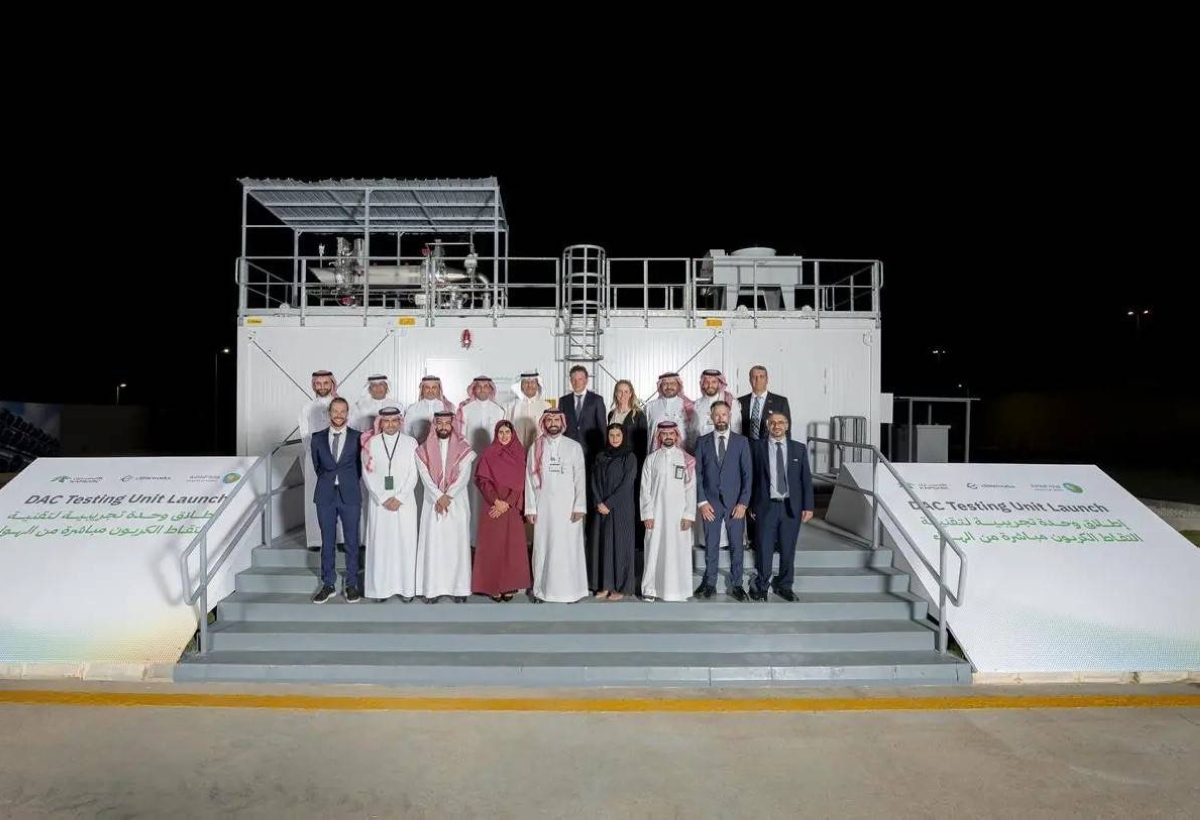
أطلق وزير الطاقة الأمير عبدالعزيز بن سلمان، تشغيل أول وحدة اختبار لتقنية التقاط الكربون من الهواء مباشرة بعد تركيبها داخل مرافق مركز الملك عبدالله للدراسات والبحوث البترولية «كابسارك»، في الرياض، بالشراكة مع شركة كلايموركس.
وبدأت الوحدة المتنقلة عملها فعلياً، إذ تقوم بالتقاط ثاني أكسيد الكربون من الهواء مباشرة، ما يؤكد فعالية هذه التقنية الرائدة حتى في الظروف المناخية الحارة والجافة.
ويعكس هذا الإطلاق ريادة المملكة في مجال الاقتصاد الدائري للكربون، كما يؤكد حرص المملكة على تطبيق حلول التقاط الكربون من الهواء مباشرة لتحقيق أهدافها المناخية بما يتماشى مع رؤية المملكة 2030 وإستراتيجياتها الوطنية.
ويُعد تشغيل الوحدة خطوة مهمة في دعم جهود المملكة لتطوير تقنيات الاقتصاد الدائري للكربون، لاسيما في مجال التقاط الكربون من الهواء مباشرة، كما يهدف المشروع إلى تقييم النظام في ظروف مناخية قاسية ودرجات حرارة مرتفعة، تختلف عن المناخات الباردة التي تعمل فيها الوحدة عادة مثل أيسلندا، وستقدم هذه التجربة رؤى مهمة حول إمكانية تطبيق هذه التقنية في مناطق أخرى من المملكة، وفي بيئات مناخية مشابهة حول العالم.
كما تعكس استضافة الوحدة داخل مرافق «كابسارك» دور المركز بصفته جهة فكرية رائدة في قطاع الطاقة في المملكة، وأحد المساهمين الرئيسيين في تطوير إستراتيجيات المناخ وإدارة الكربون على المستوى الوطني، كما يمتلك مركز الملك عبدالله للدراسات والبحوث البترولية «كابسارك» خبرة واسعة في مجال التقاط الكربون والنمذجة التقنية والاقتصادية وتحليل سياسات المناخ، ما جعله الشريك الأمثل لهذه التجربة.
وتُمكن هذه المقومات المملكة من قيادة جهود إزالة الكربون على نطاق صناعي وبتكاليف مجدية، بما يعزز مساهمتها في تحقيق أهدافها المناخية طويلة المدى.
وجاء تركيب الوحدة في إطار مبادرة دراسة جدوى أوسع أُطلقت بموجب مذكرة تفاهم وُقّعت خلال منتدى مبادرة السعودية الخضراء في ديسمبر 2024، وتهدف هذه التجربة إلى توسيع استخدام تقنيات التقاط الكربون في المملكة، دعماً لطموحها نحو الوصول إلى الحياد الصفري.
وأظهرت هذه الشراكة ما تتمتع به المملكة من إمكانات اقتصادية في توطين تقنيات التقاط الكربون من الهواء مباشرة بفضل وفرة مصادر الطاقة المتجددة، وبنية تحتية عالمية، وموقع إستراتيجي، ما يجعلها مركزاً رائداً في تطبيق حلول التقاط الكربون من الهواء مباشرة، من خلال قدرتها على توسيع استخدام تقنيات التقاط الكربون على نطاق صناعي وبتكلفة مجدية، والاستفادة من وفرة موارد الطاقة ما يسهم في تحقيق أهدافها المناخية نحو تحقيق الحياد الصفري.
ويُعد نجاح التجربة خطوة مهمة تتخذها المملكة لتطوير حلول متقدمة لإدارة الكربون، إذ أعلنت المملكة عن طموحها في التقاط واستخدام ما يصل إلى (44) مليون طن من ثاني أكسيد الكربون سنوياً بحلول 2035، من خلال تطوير مراكز كبرى لاحتجاز الكربون واستخدامه وتخزينه (CCUS)، في كل من المناطق الشرقية والغربية، وتهدف هذه المراكز إلى تجميع الانبعاثات الصناعية لإعادة استخدام الكربون وتحويله إلى منتجات ذات قيمة اقتصادية عالية، كما تواصل الدراسة المتعلقة بتقنية التقاط الكربون من الهواء مباشرة تقييم إمكانية توطين المواد والمكونات الأساسية، ما يعزز فرص تطوير سلسلة إمداد محلية، ويعكس هذا التوجه الدور الريادي للمملكة في توسيع نطاق استخدام التقنيات التي تسهم في خفض الانبعاثات، مع دعم الابتكار الصناعي وتعزيز التنويع الاقتصادي.
Energy Minister Prince Abdulaziz bin Salman launched the operation of the first testing unit for direct air capture carbon technology after its installation at the King Abdullah Petroleum Studies and Research Center (KAPSARC) in Riyadh, in partnership with Climeworks.
The mobile unit has officially begun its work, capturing carbon dioxide directly from the air, confirming the effectiveness of this pioneering technology even in hot and dry climatic conditions.
This launch reflects the Kingdom's leadership in the field of circular carbon economy and underscores its commitment to implementing direct air capture solutions to achieve its climate goals in line with Saudi Vision 2030 and its national strategies.
The operation of the unit is an important step in supporting the Kingdom's efforts to develop circular carbon economy technologies, particularly in the field of direct air capture. The project aims to evaluate the system under harsh climatic conditions and high temperatures, which differ from the cold climates where the unit typically operates, such as Iceland. This experience will provide valuable insights into the feasibility of applying this technology in other regions of the Kingdom and in similar climatic environments around the world.
Hosting the unit within KAPSARC's facilities reflects the center's role as a leading intellectual entity in the energy sector in the Kingdom and one of the key contributors to developing climate strategies and carbon management at the national level. The King Abdullah Petroleum Studies and Research Center (KAPSARC) has extensive expertise in carbon capture, technical and economic modeling, and climate policy analysis, making it the ideal partner for this experiment.
These capabilities enable the Kingdom to lead industrial-scale decarbonization efforts at viable costs, enhancing its contribution to achieving long-term climate goals.
The installation of the unit is part of a broader feasibility study initiative launched under a memorandum of understanding signed during the Saudi Green Initiative Forum in December 2024. This experiment aims to expand the use of carbon capture technologies in the Kingdom, supporting its ambition to achieve net-zero emissions.
This partnership has demonstrated the Kingdom's economic potential in localizing direct air capture technologies, thanks to abundant renewable energy sources, global infrastructure, and a strategic location, making it a leading hub for implementing direct air capture solutions. Its ability to scale up carbon capture technologies industrially and at viable costs, while leveraging abundant energy resources, contributes to achieving its climate goals towards net-zero emissions.
The success of this experiment is a significant step taken by the Kingdom to develop advanced carbon management solutions, as it announced its ambition to capture and utilize up to 44 million tons of carbon dioxide annually by 2035. This will be achieved through the development of major carbon capture, utilization, and storage (CCUS) centers in both the eastern and western regions, aiming to aggregate industrial emissions for reusing carbon and converting it into high-value economic products. The study related to direct air capture technology continues to assess the feasibility of localizing essential materials and components, enhancing opportunities for developing a local supply chain. This direction reflects the Kingdom's pioneering role in expanding the use of technologies that contribute to reducing emissions while supporting industrial innovation and enhancing economic diversification.